text-to-video
(27)
Synthesia Found $4 Billion in the Gap Between PowerPoint and Pixar
The London startup began by making famous faces speak new languages. Its real business arrived when ordinary employees asked for something less glamorous: a way to turn the next PowerPoint, policy update or training manual into video without booking a studio.

Runway Put a Film Studio in Your Browser. Bring a Shot List.
Runway can turn a sentence, a still or an existing clip into footage worth cutting. The catch is wonderfully old-fashioned: good direction still matters, and every bad take has a price.

Moonvalley Gives AI Video a Director's Chair
Marey trades prompt roulette for camera paths, keyframes and motion references, all built on licensed footage. It is a thoughtful pitch to filmmakers - with rough edges, a shifting company story and a demo-reel-sized question mark.

PixVerse Gives the Prompt Box a Director's Chair
PixVerse can animate a photo, block a multi-shot ad, mimic a dance, or spin up a world that answers back. The trick is knowing when to let it improvise - and when every reroll starts eating the budget.

Hailuo AI Makes the First Cut. You Still Direct.
MiniMax’s pocket video studio can turn a prompt and a pile of references into a polished short with sound. The trick is knowing when to applaud the take, when to regenerate it, and when to call an editor.

Elai Turns the Training Deck Into a Talking Head
Elai gives the dreary slide deck a presenter, a voice and a passport. For learning teams buried in updates and translations, that trade can be genuinely useful - as long as nobody mistakes an avatar for an actor.
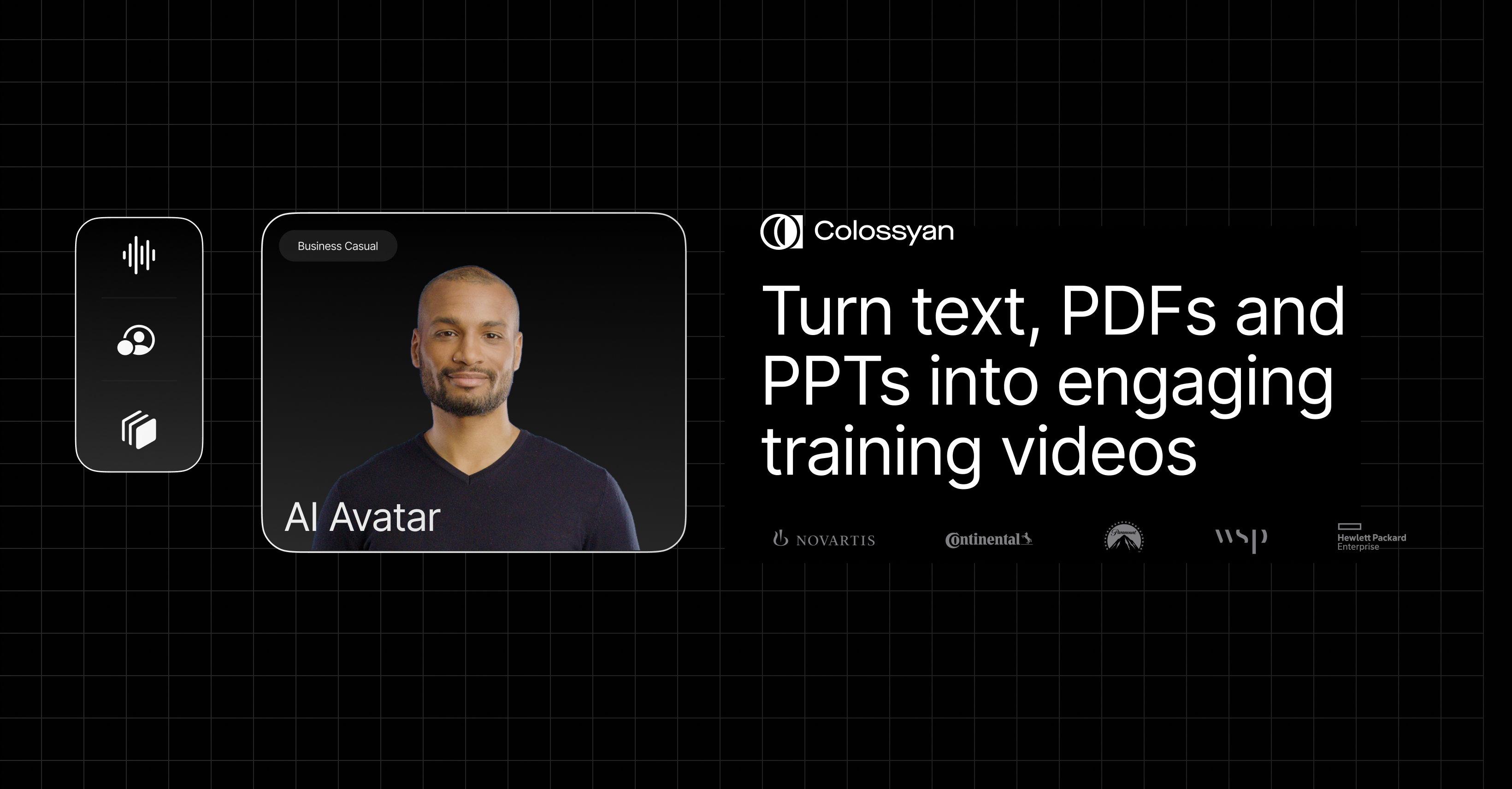
Colossyan Turns the Training Deck Into Something People Might Watch
Talking avatars draw the eye; the clever move is turning a dusty policy deck into editable, multilingual training without booking a camera, a presenter or half the calendar.

Krea Is the Art Department With 64 Brains
The AI model carousel never stops spinning. Krea turns it into one roomy studio where designers can sketch, generate, edit, upscale and animate without collecting another dozen tabs.

InVideo AI Is Done Being a Prompt Box
InVideo has traded the magic prompt for something more useful: a crew that remembers the brief. The catch is a credit meter that makes improvisation feel surprisingly expensive.

Hour One Put the Corporate Presenter on Autopilot
Hour One turns scripts, slides and prompts into presenter-led videos without a camera crew. It is built for the unglamorous, valuable work of making the fifteenth training update as practical as the first.

Fliki Turns Your Draft Into a Video Assembly Line
Fliki packages scripting, voices, visuals, captions and publishing into one brisk browser workflow. It is built for people with something to say, a deadline approaching, and no desire to spend the afternoon nudging clips around a timeline.

Kling AI Makes the Shot. Mind the Subscription.
Kuaishou’s video machine can turn a reference image into a multilingual, multi-shot clip with native sound and crisp motion. The pictures impress; the credit meter and a bruising record of billing complaints demand a careful trial run.
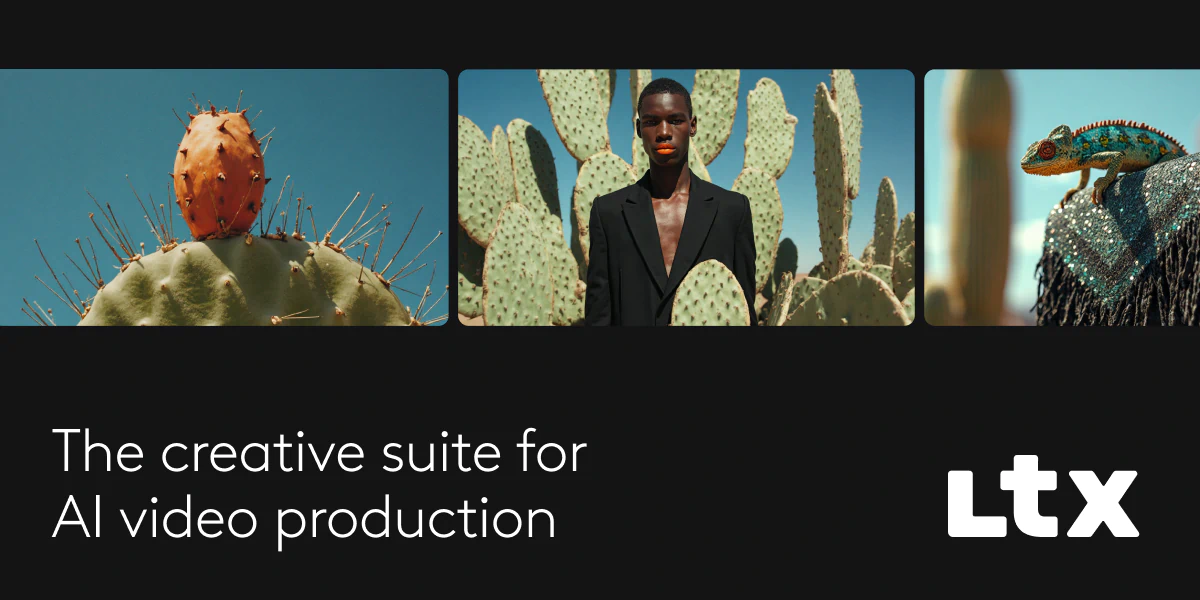
LTX Studio Turns the Rough Cut Into the Main Event
For filmmakers, marketers and small creative teams, LTX Studio compresses the awkward trip from idea to storyboard to moving image. The catch is simple: every experiment spends credits, and good direction still matters.
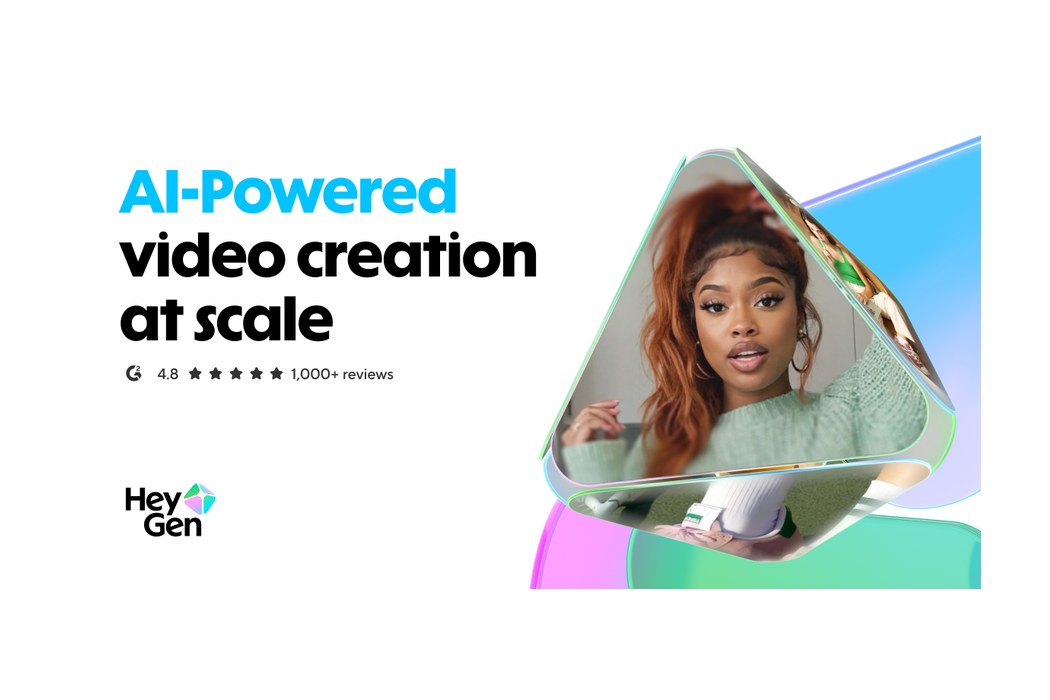
HeyGen
HeyGen wants to make the camera optional. Its digital twins, translation tools and video agents turn one human performance into a production system that can speak to almost anyone.
Koyal
Koyal is an agentic AI filmmaking platform (Y Combinator F25) that turns a script or an audio clip - a song, a podcast, a voiceover - into a finished, personalized video with consistent characters, settings and camera work. Founded by CMU/MIT/Meta alumni siblings Mehul and Gauri Agarwal, the company follows a Pixar-style 'audio first, visuals second' approach and has run paid pilots with Universal Music, T-Series and Bollywood studios, producing music videos for artists like A.R. Rahman, Ricky Kej and Shankar Mahadevan.

Knowlify
Knowlify is a Y Combinator (S25) startup building a text-to-explainer video engine that turns documents, PDFs, textbooks and plain text into narrated, animated videos in minutes. Founded by four University of Florida classmates, the company offers a self-serve platform for teams plus a managed studio for high-stakes productions, and has generated over 200,000 videos for organizations including Amazon, ByteDance, Flexport, Supabase and Zoho. In October 2025 Knowlify raised $3 million to make video the default medium for explaining complex information.

DeepBrain AI
DeepBrain AI is a generative-AI company that builds hyper-realistic digital humans. Its flagship platform, AI Studios, turns plain text scripts into professional avatar-led videos in minutes, while its AI Human technology powers real-time conversational avatars used in kiosks, virtual receptionists, banking, and AI news anchors. Founded in Seoul in 2016 and now operating from Palo Alto and beyond, the company serves enterprises across media, finance, education, and the public sector with tools that remove cameras, studios, and actors from video production.
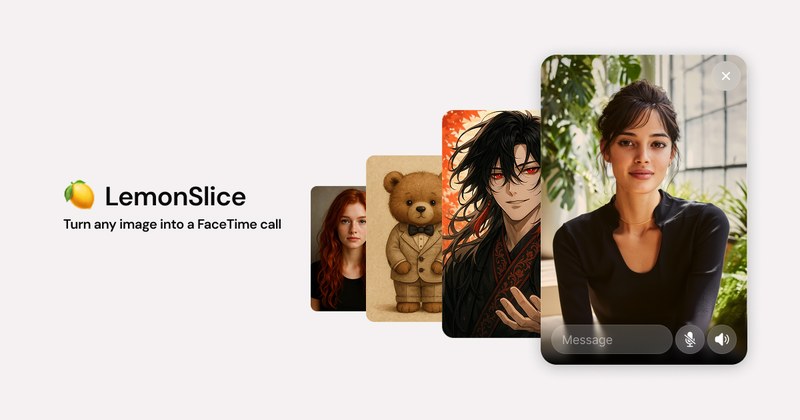
LemonSlice
LemonSlice is a San Francisco AI research and product lab that turns a single photo into a real-time, talking video avatar - the visual face for voice agents and chatbots. Its Lemon Slice-2 model is a purpose-built, large-scale video diffusion transformer that generates every pixel from scratch to produce expressive, full-emotion talking characters (human or cartoon) that livestream at conversational speed. Founded in 2024 by three PhD-creators (formerly Infinity AI), the company raised a $10.5M seed led by Matrix Partners and Y Combinator to make all video interactive.
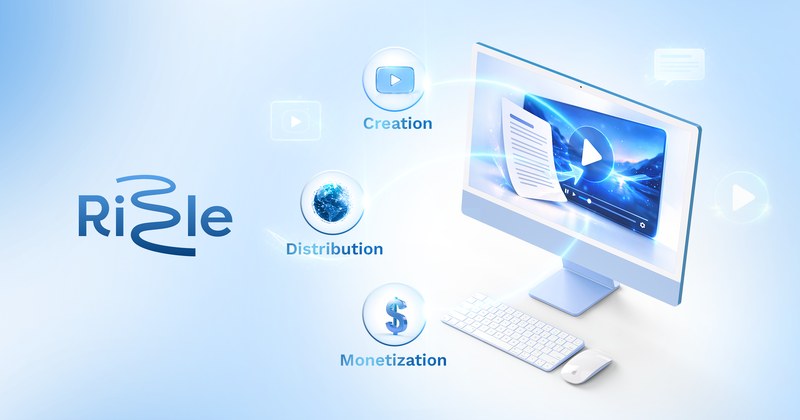
Rizzle
Rizzle is an AI video creation, distribution, and monetization platform that turns written content - articles, blogs, newsletters and scripts - into polished, brand-safe videos in minutes. Built for publishers, media companies and content creators, it pairs generative AI drafting with human editorial refinement and pre-licensed assets from Getty Images, ElevenLabs and Soundstripe, then syndicates the finished videos across platforms like MSN, Yahoo and NewsBreak. Founded in 2019 by Vidya Narayanan and Lakshminath Dondeti, Rizzle began as a consumer short-video social app that grew to tens of millions of users before pivoting to an enterprise SaaS model for video-first content at scale.
Higgsfield AI
Higgsfield AI is a San Francisco-based generative AI company that builds professional video and image creation tools for creators, marketers, and enterprise teams. Founded in October 2023 by former Snap executive Alex Mashrabov, the platform offers Cinema Studio, Lip-Sync Studio, and a suite of AI models (Sora 2, Kling 3.0, Veo 3.1) for producing cinematic-quality content. The company reached $200M annualized revenue run rate within 9 months of launch, achieved unicorn status at a $1.3B valuation in January 2026 after raising $80M in a Series A extension led by Accel, and hosts 25 million users across 240+ countries generating 4.5 million videos per day.

InVideo
InVideo is an AI-powered video creation platform that turns plain text into polished, publish-ready videos. Founded in 2017 in Mumbai and now headquartered in Daly City, California, the company serves 50+ million users across 190+ countries. Its flagship product InVideo AI lets anyone - from solo creators to enterprise marketing teams - generate scripts, visuals, voiceovers, and complete videos by typing instructions in plain English. In 2025, InVideo became the only platform bundling access to both OpenAI's Sora 2 and Google's VEO 3.1 under a single subscription, cementing its position at the frontier of AI-driven video production.

Luma AI
Luma AI is a Palo Alto-based generative AI lab building multimodal foundation models that turn text, images, and ideas into video, 3D, and interactive scenes. Its flagship product, Dream Machine, has crossed 30 million users; its Ray3 model was the first reasoning-driven video model to generate native 16-bit HDR. Backed by HUMAIN, NVIDIA, Andreessen Horowitz, AMD, and Amplify, the company is racing toward what its founders call 'unified general intelligence' for the physical world.

Amit Jain
Amit Jain is the Co-Founder and CEO of Luma AI, the Palo Alto-based AI company behind Dream Machine - a text-to-video platform with over 25 million users - and Ray 3, the world's first reasoning video model. Before founding Luma AI in 2021, he spent four years at Apple leading development of the Passthrough feature for Apple Vision Pro and integrating the first LiDAR sensors into iPhones. Under his leadership, Luma AI has raised over $1 billion in funding including a $900M Series C led by HUMAIN at a $4 billion valuation, and is building unified multimodal intelligence systems that blur the line between reasoning and reality synthesis.

Sanket Shah
Sanket Shah is the co-founder and CEO of InVideo, an AI-powered video creation platform with over 50 million users across 190+ countries. Starting in 2012 with book-summary YouTube videos and a first company that was acquired, he built InVideo in 2017 on the belief that anyone should be able to create professional-quality video without technical skills. The company has raised over $52 million from Tiger Global, Peak XV, and others, is on a $50 million annual revenue run rate, and is now expanding into AI-driven filmmaking through a strategic partnership with Bollywood studio Abundantia Entertainment.

Pika
Pika is a San Francisco-based generative AI company building a consumer video platform that turns text, images, and clips into short cinematic videos. Founded in 2023 by Stanford AI Lab alumni Demi Guo and Chenlin Meng, Pika has shipped a string of fast-iterating model releases (Pika 1.0, 1.5, 2.0, 2.1, 2.2) and viral features like Pikaffects, Scene Ingredients, and Pikaframes. The company has raised roughly $135M from Spark Capital, Lightspeed, Greycroft, and others.

Eric Jang
Eric Seyoung Jang is the Founder and CEO of DeepBrain AI, a Palo Alto-based company building hyper-realistic AI avatars, video synthesis technology, and conversational AI systems. Inspired by AlphaGo's 2016 defeat of Go champion Lee Sedol, he pivoted from fintech to artificial intelligence and built what became the first company to commercially deploy video synthesis at scale - from AI news anchors in Chinese broadcast studios to AI bankers in Korean bank branches. Under his leadership, DeepBrain AI raised $44M in Series B funding at a $180M valuation and set its sights on becoming the world's leading generative AI enterprise.

Demi Guo
Demi Guo is the co-founder and CEO of Pika, an AI-powered video generation platform that has raised $135 million and reached a $470 million valuation. A Harvard math-and-CS graduate and Stanford PhD dropout, she holds silver medals from the International Olympiad in Informatics and gold medals from the Math Prize for Girls. Before founding Pika in April 2023, she was the youngest full-time researcher at Meta AI. Her platform, which lets anyone create cinematic videos from a text prompt, reached 16.4 million users and inspired Pika 2.2 features that went viral with an 800% user surge.