video-editing
(19)
MarketU wants you to own the editing room.
A $65 short-form edit is the easy part to understand. The more interesting business is helping customers move from buying finished videos to running the operation that makes them.

EGM LTD and the business of making things disappear
A mannequin, a stray hair, a distracting background: Edit Growth Media handles the small edits behind finished product images and wedding films. Its business is built around a deceptively difficult promise - making somebody else’s work look consistent.

Adil Ashraf knows what happens after the prompt
An orange-juice pouch, a rescued deadline and a self-initiated commercial reveal the practical instincts behind this motion-design business’s turn toward AI video.

Runway Put a Film Studio in Your Browser. Bring a Shot List.
Runway can turn a sentence, a still or an existing clip into footage worth cutting. The catch is wonderfully old-fashioned: good direction still matters, and every bad take has a price.

PixVerse Gives the Prompt Box a Director's Chair
PixVerse can animate a photo, block a multi-shot ad, mimic a dance, or spin up a world that answers back. The trick is knowing when to let it improvise - and when every reroll starts eating the budget.

Hailuo AI Makes the First Cut. You Still Direct.
MiniMax’s pocket video studio can turn a prompt and a pile of references into a polished short with sound. The trick is knowing when to applaud the take, when to regenerate it, and when to call an editor.
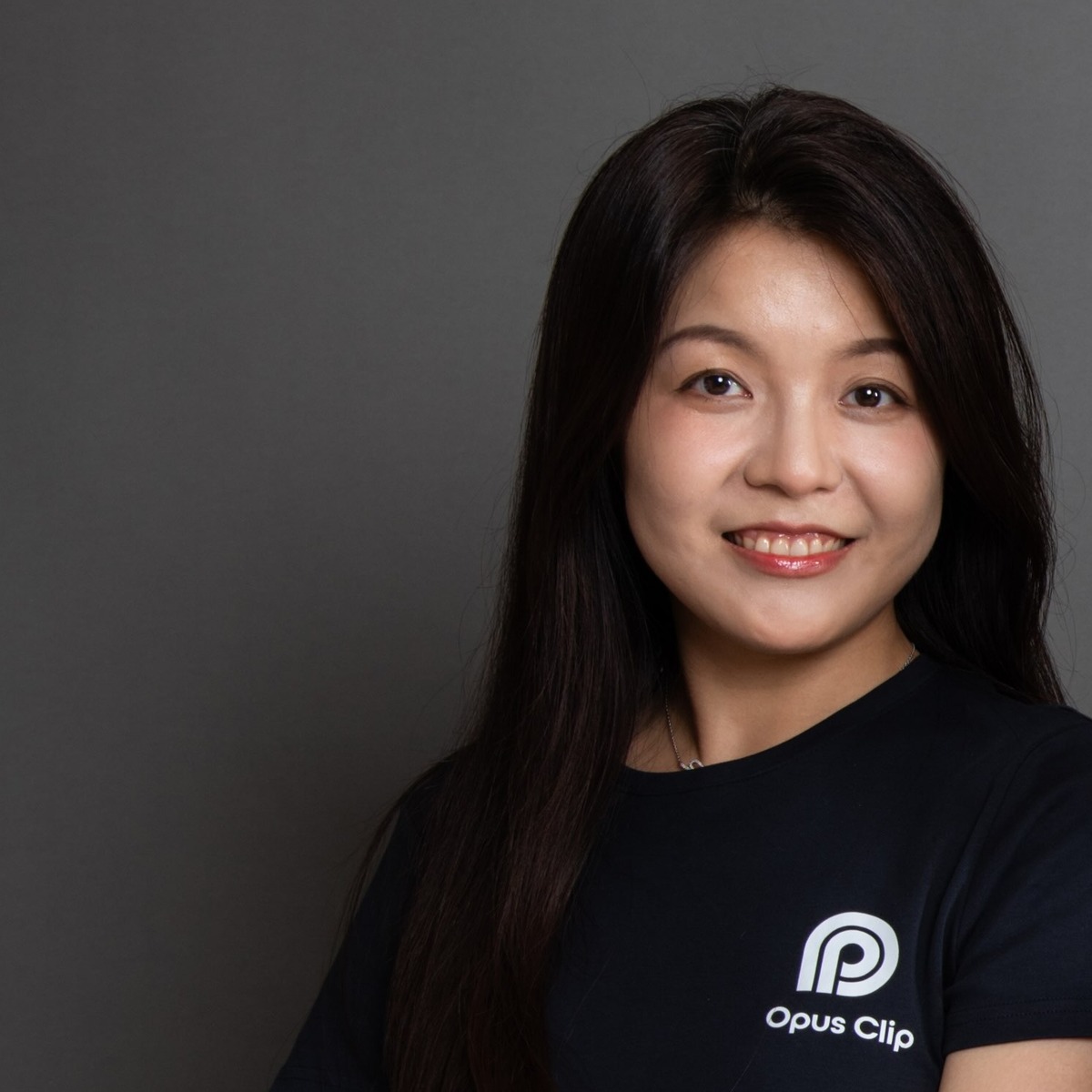
Grace Wang Is Building the Editing Room That Never Sleeps
A finance graduate and former ByteDance growth operator saw creators drowning in post-production. At OpusClip, Grace Wang turned that bottleneck into a distribution engine used by millions.

Kling AI Makes the Shot. Mind the Subscription.
Kuaishou’s video machine can turn a reference image into a multilingual, multi-shot clip with native sound and crisp motion. The pictures impress; the credit meter and a bruising record of billing complaints demand a careful trial run.

Brian Fox Left the Edit Bay. He Never Stopped Thinking Like an Editor.
Before Brian Fox marketed visual-effects software, he used it against deadlines. Now the Boris FX CMO and Sapphire product manager argues for something refreshingly practical: faster tools, wider hardware choice, and fewer obstacles between an artist and the frame.
Boris FX Bought the Boring Parts of Hollywood - and Built a Creative Software Arsenal
For 30 years, Boris Yamnitsky has collected the unglamorous tools that make glamorous images possible. The result is a private software portfolio that sits inside Hollywood's favorite workflows - from a disappearing wire to a repaired soundtrack.

Erik Vank Is Editing the Waiting Out of Sports
A smart lamp, a 2 a.m. hackathon idea and one very sociable pitch night led Erik Vank to a harder question: why does the clip that matters still arrive after the moment has passed?

Kite
Kite is a screen recorder that turns raw product demos into polished, Apple-style marketing videos in minutes. Built by Y Combinator S23 founders Derek Feehrer and Todd Ashley, it uses WebGL and AI to automatically add cinematic cursor zooms, 3D device mockups, animated text, AI voiceovers and music - letting founders and marketers produce professional launch and feature videos without an editor or motion-graphics skills.

Yarn (YC W24)
Yarn is an AI-native platform that lets go-to-market teams make agency-quality product, sales, and marketing videos in minutes instead of weeks. Founded during Y Combinator's Winter 2024 batch by Jasper Story and Nicole Atack, Yarn treats video like a document: you write a script, and its stack of AI tools handles voiceovers, screen recordings, part-synthetic talking heads, brand-styled overlays, and generative footage. The pitch is speed and cost - videos that would take an agency weeks and thousands of dollars, produced in-house in under 20 minutes.

Kapwing
Kapwing is a browser-based, collaborative video editing platform that uses AI to turn raw clips, transcripts, and ideas into shareable videos. Founded in 2017 by ex-Googlers Julia Enthoven and Eric Lu, it serves millions of creators, marketers, and educators who want to skip the desktop software and just make a video.

Higgsfield AI
Higgsfield AI is a San Francisco-based generative AI company that builds professional video and image creation tools for creators, marketers, and enterprise teams. Founded in October 2023 by former Snap executive Alex Mashrabov, the platform offers Cinema Studio, Lip-Sync Studio, and a suite of AI models (Sora 2, Kling 3.0, Veo 3.1) for producing cinematic-quality content. The company reached $200M annualized revenue run rate within 9 months of launch, achieved unicorn status at a $1.3B valuation in January 2026 after raising $80M in a Series A extension led by Accel, and hosts 25 million users across 240+ countries generating 4.5 million videos per day.

Sanket Shah
Sanket Shah is the co-founder and CEO of InVideo, an AI-powered video creation platform with over 50 million users across 190+ countries. Starting in 2012 with book-summary YouTube videos and a first company that was acquired, he built InVideo in 2017 on the belief that anyone should be able to create professional-quality video without technical skills. The company has raised over $52 million from Tiger Global, Peak XV, and others, is on a $50 million annual revenue run rate, and is now expanding into AI-driven filmmaking through a strategic partnership with Bollywood studio Abundantia Entertainment.

Pika
Pika is a San Francisco-based generative AI company building a consumer video platform that turns text, images, and clips into short cinematic videos. Founded in 2023 by Stanford AI Lab alumni Demi Guo and Chenlin Meng, Pika has shipped a string of fast-iterating model releases (Pika 1.0, 1.5, 2.0, 2.1, 2.2) and viral features like Pikaffects, Scene Ingredients, and Pikaframes. The company has raised roughly $135M from Spark Capital, Lightspeed, Greycroft, and others.

Julia Enthoven
Julia Enthoven is the co-founder and CEO of Kapwing, a San Francisco-based online video editing platform that has grown to 25 million registered users. A Stanford Math & CS graduate and former Google Product Manager, she co-founded Kapwing in 2017 with Eric Lu after they both left Google. Under her leadership, Kapwing evolved from a simple meme maker into a comprehensive AI-powered video editing suite used by creators, brands, and educators worldwide. Named Forbes 30 Under 30 in Consumer Tech (2020) and Product Hunt Maker of the Year (2018), she has also launched Tess, an artist-compensating AI image generator, and is an outspoken voice on building ethical AI tools.

Wideframe
Wideframe is an AI coworker for professional video editors that automates the tedious prep work - searching, labeling, organizing, and sequencing footage - that takes up roughly 75% of an editor's time outside the timeline. Built for Mac on Apple Silicon, it runs entirely on-device, reads and writes native Adobe Premiere Pro project files, and lets editors describe what they need in plain language. The result: hours of prep work compressed into minutes, and editors freed up to actually edit.