ai-video
(60)
The AI Video Studios Startups Should Actually Call
Five U.S. AI video studios. Five very different reasons to call.

The $70 Promise to Put a Small Company Everywhere at Once
Pinion Newswire sells a wonderfully concrete answer to an abstract problem: one announcement, hundreds of placements, and a report showing where every copy landed. The interesting part is what its guarantee does - and does not - buy.
Adil Ashraf knows what happens after the prompt
An orange-juice pouch, a rescued deadline and a self-initiated commercial reveal the practical instincts behind this motion-design business’s turn toward AI video.

Cantina Wants Your Next Social Star to Be Imaginary
Sean Parker’s social app has traded the empty-room problem for a cast of AI characters. Now Cantina Labs wants those characters to talk, perform, and follow their creators onto the rest of the internet.

Synthesia Found $4 Billion in the Gap Between PowerPoint and Pixar
The London startup began by making famous faces speak new languages. Its real business arrived when ordinary employees asked for something less glamorous: a way to turn the next PowerPoint, policy update or training manual into video without booking a studio.

Shahar Aizenberg Is Betting Artlist’s Brand on the Work
Artlist’s CMO came up through economics, finance and user acquisition. Now he is making a more artistic wager: when machines produce endless options, human judgment becomes the scarce thing.

Yotam Ben Ami Wants Video to Know Who Is Watching
After law, McKinsey, movie piracy and Firefox OS, Yotam Ben Ami found his long game in a deceptively simple idea: a video should behave less like a finished object and more like a living conversation.

Midjourney Still Has Better Taste Than You
V8.2 turns four seconds and a sentence into a wall of beautiful maybes. The trick is knowing when to trust its taste - and when to take the wheel.
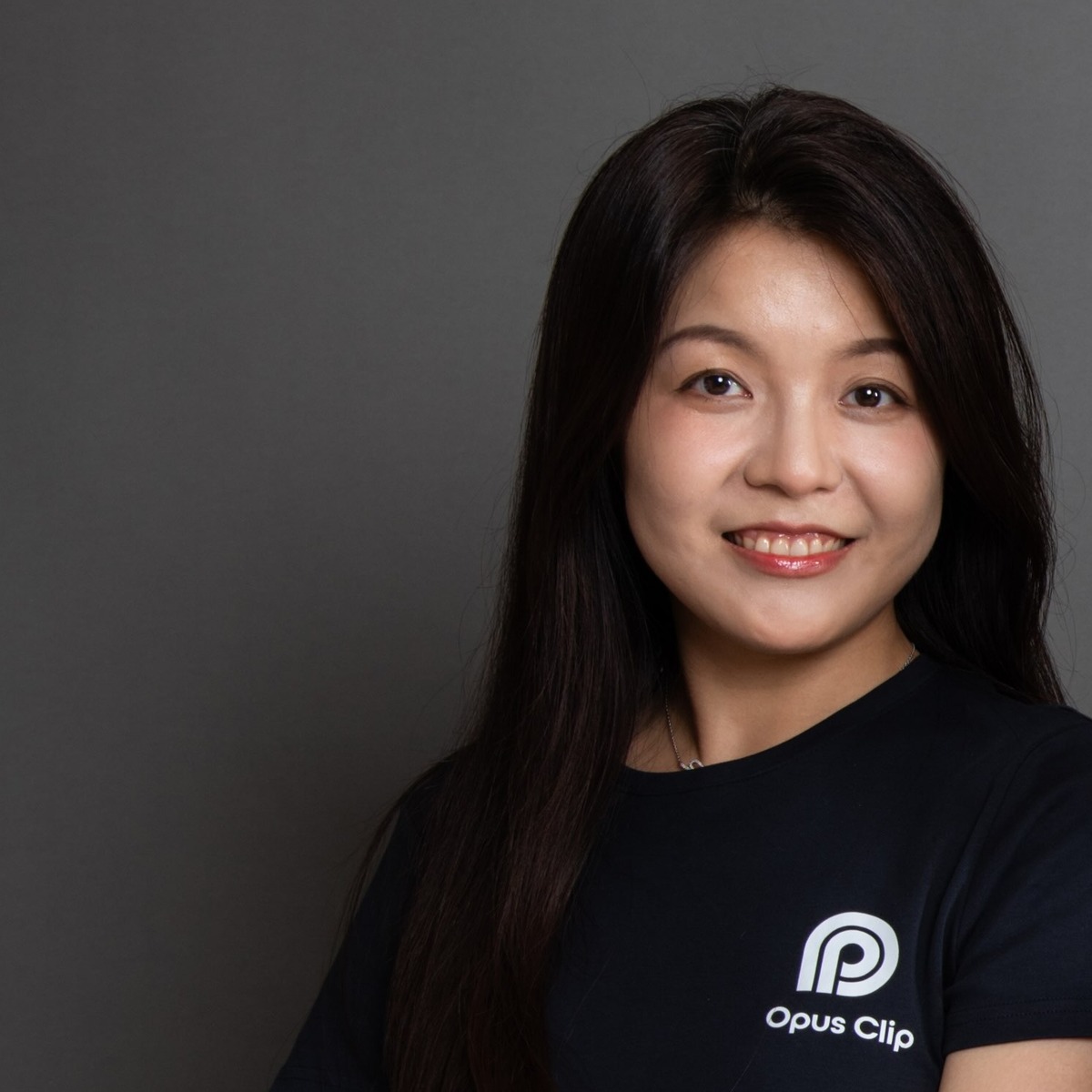
Grace Wang Is Building the Editing Room That Never Sleeps
A finance graduate and former ByteDance growth operator saw creators drowning in post-production. At OpusClip, Grace Wang turned that bottleneck into a distribution engine used by millions.

VEED Put the Edit Button Where Everyone Can Reach It
The browser editor that made captions feel easy now wants to generate, dub, brand, and ship the whole video. It is a handy production desk for non-editors - provided you watch the credit meter and keep heavy projects on a short leash.

Powerfleet Bought Its Way to 3 Million Subscribers. Now It Has to Make Them Speak One Language
After two major deals, Powerfleet has the customers, devices and reach of a telematics heavyweight. Its bet is that device-agnostic software can turn forklifts, trucks and cold-chain sensors into one coherent operating system - before integration debt catches up.

Idomoo Spent 19 Years Making One Video for Everyone - Then Taught AI to Make One for Anyone
Before AI video became a prompt box, Idomoo was rebuilding the rendering engine underneath it. Now its agent Lucas and foundation model Strata are turning customer data, brand rules and editable layers into millions of different films.

Artlist Sold Filmmakers One Simple License. Now It Wants the Whole Editing Room.
A filmmaker’s complaint about expensive music licensing became a $300 million recurring-revenue business. The next wager is harder: make generative AI behave less like a slot machine and more like a film set.

Nimish Goel Bet the Company on Making Celebrity Time Scale
A gatecrashed wedding supplied the spark. A stubborn bottleneck supplied the business. Nimish Goel turned five seconds of fandom into an enterprise bet on video at impossible scale.
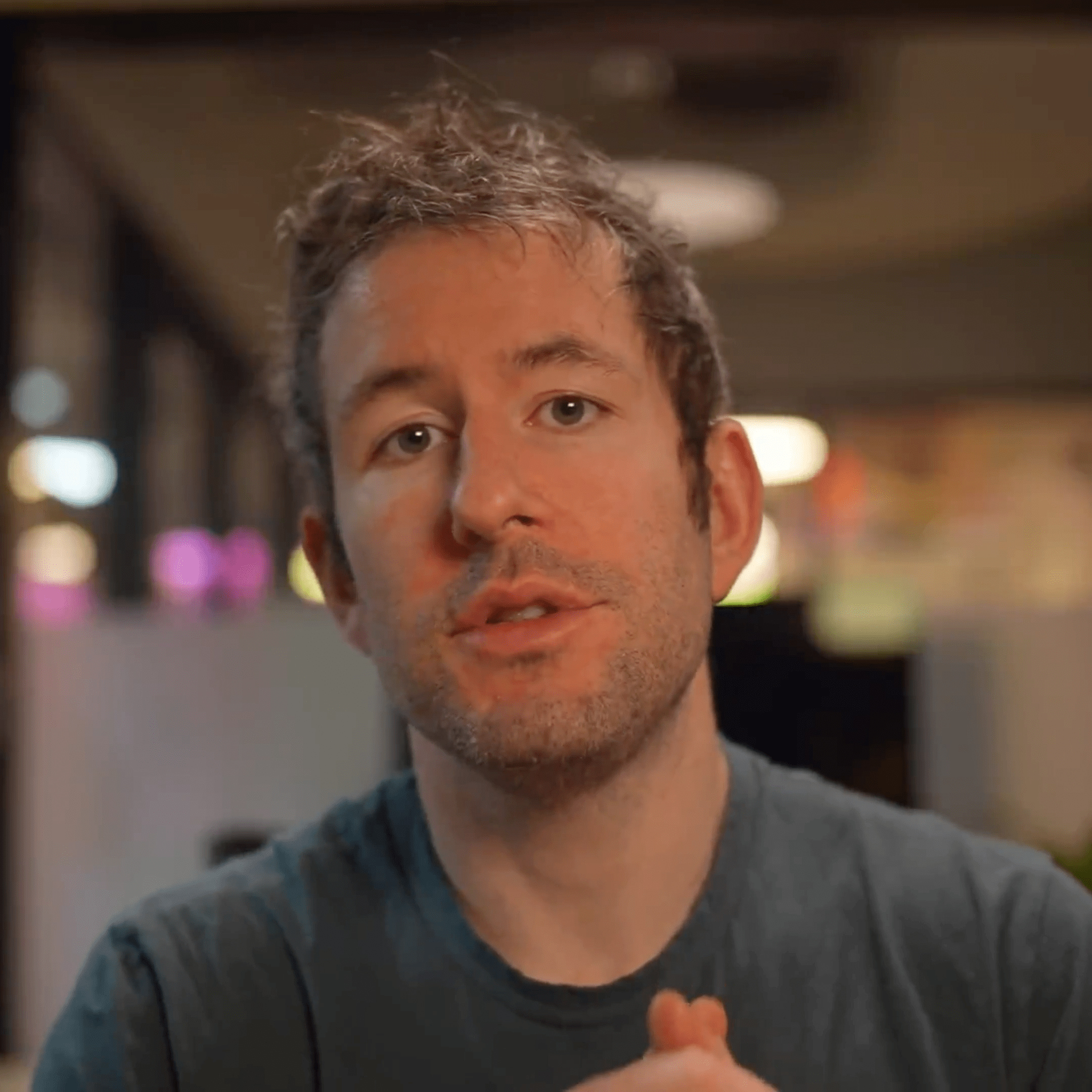
Jasper Story Is Teaching AI to Sweat the Cut
A former maths teacher, Google contractor and startup generalist is turning the fussy craft of product video into a system teams can direct with words. His bet is that automation matters most when it leaves the story feeling human.

Harry Zheng Is Building the Box Office After the Box Office
The former Google and TikTok engineer began with a better creative workflow. He ended up challenging the economics of who gets to make a film, who pays for it, and who owns the audience.

Erik Vank Is Editing the Waiting Out of Sports
A smart lamp, a 2 a.m. hackathon idea and one very sociable pitch night led Erik Vank to a harder question: why does the clip that matters still arrive after the moment has passed?

Ritam Rana Is Betting the Company on One Impolite Question: Who Still Reads the Manual?
At Knowlify, four University of Florida friends are turning dense documents into animated explainers. CEO Ritam Rana’s route runs from autonomous boats and student coding projects to Y Combinator, a $3 million round, and a stubborn wager on video as the default language of work.

Krish Iyengar Is Turning the Family Screen Into a Tiny Studio
He built five mobile apps, won four hackathons with a friend from second grade, and left Purdue. Now Krish Iyengar wants children to direct the stories on their screens - and is using the same machinery to rethink video production.

Kabir Nagral Keeps the Name and Changes the Game
He left Harvard to build Craze, learned payroll from the sharp end, killed the product in public, and kept the name for an AI video company. The through-line is less glamorous than any pivot: Kabir Nagral likes software that does the work.

Gil Perry Taught Machines to Forget a Face. Then He Taught Them to Speak.
D-ID began as a privacy shield for photographs. Its co-founder now wants to replace the click-and-type web with conversations that look back at you - a pivot built on the same code, and a rather different idea of what a face can do.

LCP Media Sold Its Car, Shot Chicago for Free, and Built the Virtual Leasing Machine Yardi Bought
LCP Media began with a sold car, a basement, and free 360-degree demos of Chicago landmarks. Fourteen years later, its mix of photographers, software, and measurable leasing content made it useful enough for Yardi to acquire.
D-ID Taught Photos to Talk. Now It Wants Every AI to Have a Face
The startup began by hiding faces from algorithms. A pivot, 200 million avatar videos and one acquisition later, it is betting that the next software interface will look back at you.
Bezel
Bezel is a Y Combinator (W25) startup that generates studio-quality photos and videos of apparel on photorealistic AI human models. Fashion and e-commerce brands upload a clothing image, pick a preset model, and get shoot-ready stills and video in seconds - replacing shoots that cost thousands of dollars and take days. Founded in 2025 in New York by Kashyap Achar, the company positions itself as an on-demand content engine for brands that need constant creative variety for ad testing.
Knowlify
Knowlify is a Y Combinator (S25) startup building a text-to-explainer video engine that turns documents, PDFs, textbooks and plain text into narrated, animated videos in minutes. Founded by four University of Florida classmates, the company offers a self-serve platform for teams plus a managed studio for high-stakes productions, and has generated over 200,000 videos for organizations including Amazon, ByteDance, Flexport, Supabase and Zoho. In October 2025 Knowlify raised $3 million to make video the default medium for explaining complex information.
Pixley AI
Pixley AI is a Y Combinator (F25) startup that turns a child's drawing or photo into an animated cartoon character in seconds, then generates full personalized episodes around a lesson a parent picks. The goal is to convert passive kids' screen time into active, co-created, and educational play. Founded in 2025 by childhood friends Krish Iyengar and Pranit Agrawal, the company also builds Pixley Studios, an agentic tool that turns a single idea into a production-ready video.

Yarn (YC W24)
Yarn is an AI-native platform that lets go-to-market teams make agency-quality product, sales, and marketing videos in minutes instead of weeks. Founded during Y Combinator's Winter 2024 batch by Jasper Story and Nicole Atack, Yarn treats video like a document: you write a script, and its stack of AI tools handles voiceovers, screen recordings, part-synthetic talking heads, brand-styled overlays, and generative footage. The pitch is speed and cost - videos that would take an agency weeks and thousands of dollars, produced in-house in under 20 minutes.

YouArt
YouArt is a Y Combinator-backed (Spring 2026 / P26) platform that lets AI storytellers create original films and series with an AI video agent, raise money directly from early fans, and earn recurring revenue through subscriptions and private branded pages. Founders describe it as 'Patreon for AI Originals.' The company reported passing $120K in monthly revenue within five months of launch and roughly 145K monthly visitors, driven largely by organic demand from AI creators and studios.

Topview AI
Topview AI is a Singapore-based generative AI company that turns product links, images, and text into short-form marketing videos. Its AI Video Agent uses digital-human avatars, voice cloning, and automated editing so ecommerce brands, agencies, and creators can produce UGC-style ads and product videos without cameras, actors, or editors. Founded in 2022 by Jensen Wu and Albert Chen, Topview closed a $14M Series A led by Kamet Capital and, by early 2026, reported more than 5 million users generating over 500,000 videos a day.

Goldcast
Goldcast is an AI-first B2B video content platform that helps marketing teams host webinars and virtual events, then automatically turn those recordings into clips, blogs, social posts, and on-demand video that drive pipeline. Founded in 2020 by three Harvard Business School classmates during the pandemic shift to virtual events, the Boston-based company grew past $10M ARR serving 300+ B2B customers before being acquired by events giant Cvent in December 2025.