image-to-video
(9)
Mewtant Found a Business in the Margins of the Picture
Its product, PixAI, began with a simple bargain: describe an anime character and see one appear. The more interesting business emerged after the image was made.

Runway Put a Film Studio in Your Browser. Bring a Shot List.
Runway can turn a sentence, a still or an existing clip into footage worth cutting. The catch is wonderfully old-fashioned: good direction still matters, and every bad take has a price.

Moonvalley Gives AI Video a Director's Chair
Marey trades prompt roulette for camera paths, keyframes and motion references, all built on licensed footage. It is a thoughtful pitch to filmmakers - with rough edges, a shifting company story and a demo-reel-sized question mark.

PixVerse Gives the Prompt Box a Director's Chair
PixVerse can animate a photo, block a multi-shot ad, mimic a dance, or spin up a world that answers back. The trick is knowing when to let it improvise - and when every reroll starts eating the budget.

Hailuo AI Makes the First Cut. You Still Direct.
MiniMax’s pocket video studio can turn a prompt and a pile of references into a polished short with sound. The trick is knowing when to applaud the take, when to regenerate it, and when to call an editor.

Kling AI Makes the Shot. Mind the Subscription.
Kuaishou’s video machine can turn a reference image into a multilingual, multi-shot clip with native sound and crisp motion. The pictures impress; the credit meter and a bruising record of billing complaints demand a careful trial run.
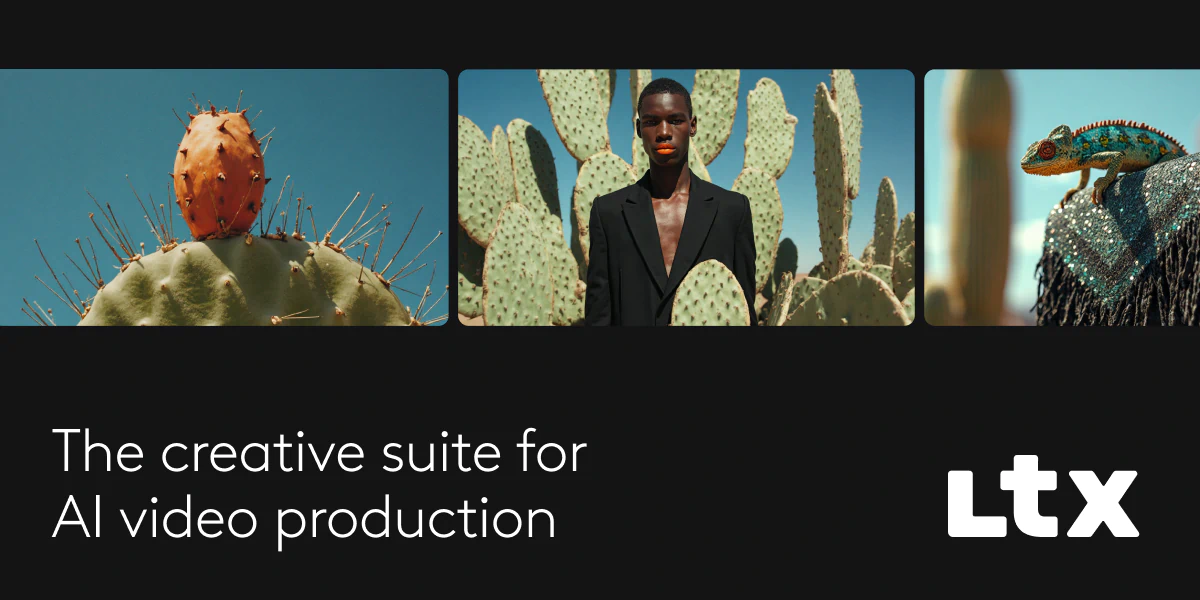
LTX Studio Turns the Rough Cut Into the Main Event
For filmmakers, marketers and small creative teams, LTX Studio compresses the awkward trip from idea to storyboard to moving image. The catch is simple: every experiment spends credits, and good direction still matters.

LemonSlice
LemonSlice is a San Francisco AI research and product lab that turns a single photo into a real-time, talking video avatar - the visual face for voice agents and chatbots. Its Lemon Slice-2 model is a purpose-built, large-scale video diffusion transformer that generates every pixel from scratch to produce expressive, full-emotion talking characters (human or cartoon) that livestream at conversational speed. Founded in 2024 by three PhD-creators (formerly Infinity AI), the company raised a $10.5M seed led by Matrix Partners and Y Combinator to make all video interactive.

Pika
Pika is a San Francisco-based generative AI company building a consumer video platform that turns text, images, and clips into short cinematic videos. Founded in 2023 by Stanford AI Lab alumni Demi Guo and Chenlin Meng, Pika has shipped a string of fast-iterating model releases (Pika 1.0, 1.5, 2.0, 2.1, 2.2) and viral features like Pikaffects, Scene Ingredients, and Pikaframes. The company has raised roughly $135M from Spark Capital, Lightspeed, Greycroft, and others.