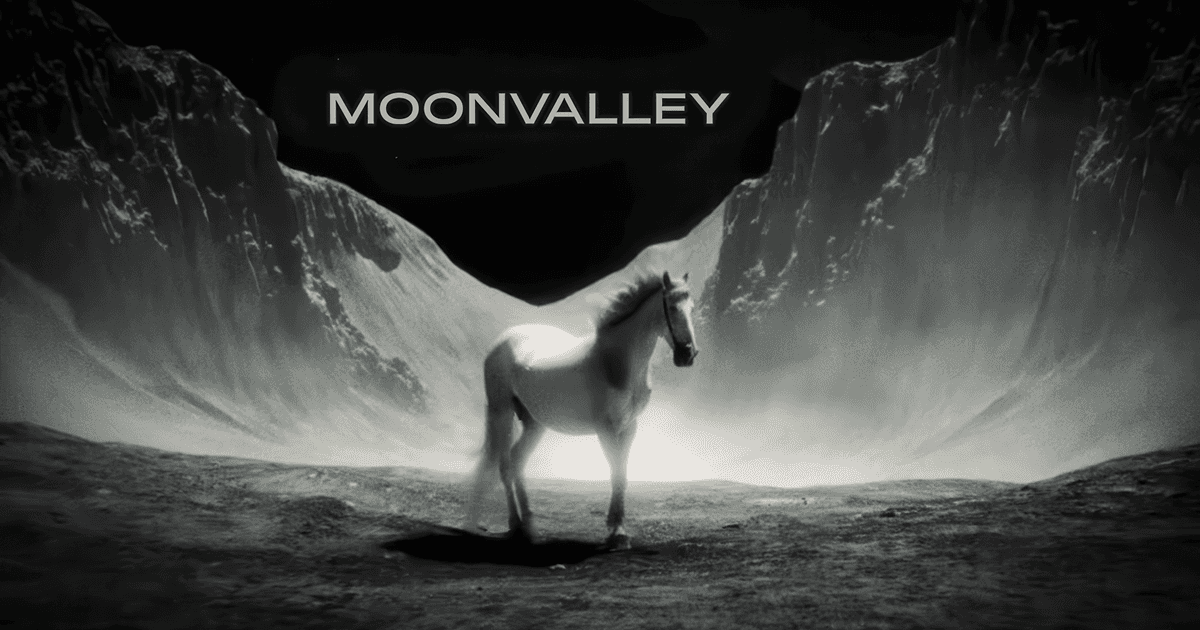
Most AI video tools begin with a blank box and a mild dare: describe the movie in your head, then hope the machine shares your taste. Moonvalley's Marey starts from a more useful premise. A filmmaker does not merely describe a shot. A filmmaker blocks action, chooses lenses, marks positions, studies light, times a performance and asks for another take. Marey is for the person who wants those verbs back.
That makes it most interesting to previs artists, directors, VFX teams, agencies and small production houses. If your work must survive client notes, brand review or a rights meeting, Moonvalley has two unusually relevant arguments. First, its controls accept images, video and drawn paths alongside text. Second, the company says Marey was trained entirely on licensed, high-resolution footage, without scraped clips or user submissions. The appeal is less “make me a dragon” and more “move this dragon from A to B without changing its face, the weather and the furniture.”
Why Marey exists
Moonvalley was founded in Toronto in 2023 by product builders Naeem Talukdar and John Thomas, former DeepMind researchers Mateusz Malinowski and Mikołaj Bińkowski, and filmmaker Bryn Mooser. Marey arrived in beta in March 2025 and opened to the public that July. Its name tips a hat to Étienne-Jules Marey, the 19th-century scientist whose sequential photographs made motion something people could inspect frame by frame. The reference is almost suspiciously perfect for a machine that wants to turn movement into an editable ingredient.
The company also brought Asteria, Mooser's film and animation studio, in-house. Moonvalley said that added more than 30 filmmakers and animators who could put unfinished tools through daily production use. That arrangement matters. Generative video interfaces often feel like image generators with a duration field bolted on. Marey instead treats iteration as the job: start from a storyboard or still, transfer a performance, choose a camera move, fix an object's route, extend the shot, repeat.
The controls are the product
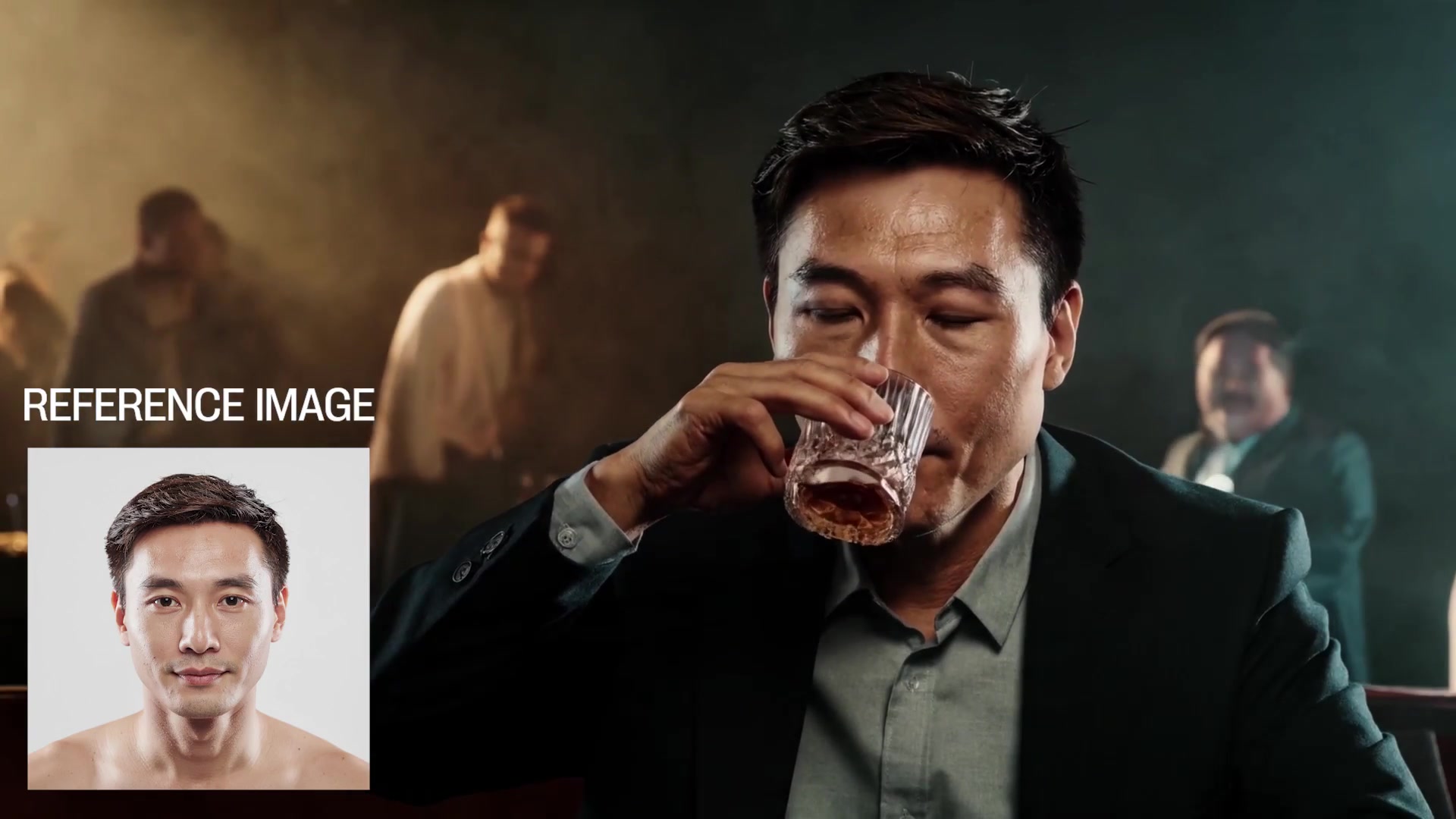
Camera Control turns a single image into a 3D-aware space so the viewpoint can travel through it. Motion Transfer borrows movement and timing from a reference clip while changing the subject or style. Trajectory Control lets you draw where an object should go. Pose Control carries body movement from a performance reference. Keyframing places multiple images on a timeline, while separate references help keep a character or prop recognizable. Shot Extension asks the model to keep rolling past the original endpoint.
How much direction leaves the prompt box?
Those are not decorative options. They solve the maddening part of generative video: one revised adjective can alter everything. A drawn trajectory is legible to a director and an artist. A reference performance is reviewable. Both create a common object for a team to discuss. Moonvalley's deeper idea is that useful AI video will behave less like a slot machine and more like a familiar production department.
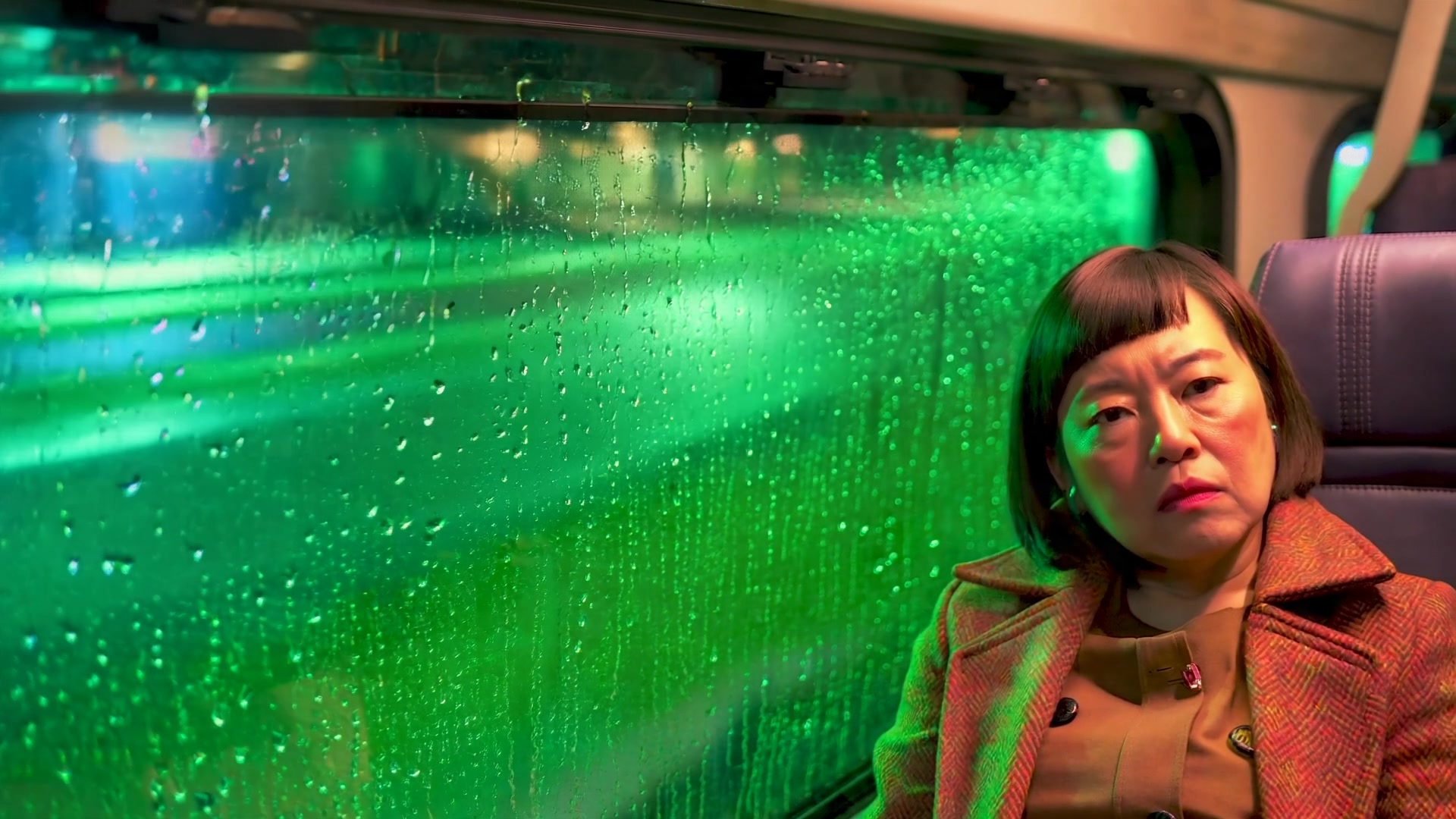
“It’s this iterative process where you start with some input guidance and then you build up towards the scene that you want.”Naeem Talukdar, speaking to Time
The clean-data bet
Moonvalley's distinction is provenance. Talukdar told Time that about 80 percent of Marey's footage came from independent filmmakers and agencies with B-roll libraries. He also said the model trained on roughly one-fifth as much data as rivals such as Google's Veo 3. That is both a principle and a technical handicap. The company chose a smaller, cleaner pantry and then asked its researchers to cook competitively.
“Commercially safe” should still be read as a vendor claim, not a magic legal shield. Users remain responsible for material they upload, real people they depict, trademarks they reproduce and the terms governing a particular plan. Still, training-data provenance is not a footnote for a studio lawyer or a brand team. Moonvalley made it the opening scene. That may be its most durable contribution, even if another model eventually wins the quality contest.
Where the picture wobbles
A good tool review needs footage from outside the brochure. Curious Refuge ran Marey through 18 benchmark tests and scored it 3.2 out of 10 overall. The review found moments of sharpness and strong lighting, but reported warped hands, disappearing props, jitter, weak temporal consistency and prompt adherence that ranged from convincing to dismal. Its cleanest results came from simple prompts with limited action. A Reddit creator reached a similarly blunt verdict after combining Trajectory Control, Animate Camera and Shot Extension: results were “very hit and miss,” with fewer than half the clips judged usable.
That does not cancel the controls. It changes how to budget for them. A control panel is valuable only when the underlying generation can hold together, and credits disappear during failed takes too. Marey makes the most sense for short, contained shots, controlled camera motion, stylized work, product concepts and previs. Crowds, expressive hands, layered physical action and long dramatic continuity deserve tests before promises.
A practical comparison
| Choice | Best reason to pick it | What to inspect first |
|---|---|---|
| Marey | Licensed-data story plus camera, pose, path and reference controls | Current access, generation reliability and terms |
| Runway | Broader creative workspace and established production tooling | Plan limits and model-specific rights |
| Google Veo | High-end generation and an expanding Google ecosystem | Availability, cost and control depth |
| Adobe Firefly | Creative Cloud workflow and Adobe's commercial-safety positioning | Which native or partner model a feature uses |
| Kling / Pika / Luma | Fast experimentation and consumer-friendly creation paths | Consistency, provenance and client requirements |
Price, workflow and the 2026 plot twist
At public launch, Marey cost $14.99 a month for 100 credits, $34.99 for 250 and $149.99 for 1,000. Public reporting put generation at roughly $1 to $2 per scene. Those are historical anchors, not a current quote. Moonvalley's marketing site now sends visitors toward “Start Creating” without clearly publishing the same plan table. Check the app before building a production budget.
Marey Realism v1.5 reached fal.ai in August 2025 with native 1080p text-to-video, image-to-video, motion-transfer and pose-transfer endpoints. It also appeared in ComfyUI partner nodes and Adobe Firefly Boards. By 2026, however, ComfyUI's documentation marked the Moonvalley API service unavailable and its nodes deprecated. Then, in June, Reka announced that Moonvalley had joined forces with it, bringing Malinowski, Bińkowski, Talukdar and a research and engineering team into Reka's physical-AI work. Canadian records show the Moonvalley trademark assigned to Reka earlier in the year.
Moonvalley's site and Marey pages remained online, so it would be too neat to call the product dead. It would also be careless to describe the 2025 distribution map as current. A serious buyer should confirm account creation, rendering, support, API availability and commercial terms before committing a pipeline. The website is a showroom. In 2026, you need to check whether the loading dock is open.
Our take: audition it, do not marry it
Marey is worth a controlled test for filmmakers and commercial teams who care about provenance and direct manipulation. Feed it a still, a simple action and a camera move that matters. Track usable seconds per dollar, not demo beauty. If the shot survives motion, revision and legal review, the controls earn their keep. If you need dependable volume tomorrow, compare live alternatives before choosing a home base.
The smartest way to try it
Begin with one shot your team already understands. Use a clean, high-resolution image and keep the cast small. Separate the tests: first ask whether the model preserves the subject, then test camera movement, then add performance or trajectory guidance. Save prompts, references, settings, costs and failures. A lucky clip proves very little; repeatability is the audition.
For client work, read the current terms and prohibited-use rules, document the source of every uploaded reference and keep human review in the loop. Moonvalley's own privacy policy warns against submitting personal information in prompts, including identifiable images or video. That restriction deserves attention before anyone casually uploads an actor's phone recording for pose transfer.
Moonvalley understood something the industry keeps relearning: filmmakers want authorship, not a surprise box. Marey's best ideas make direction visible and editable. Its uneven results and corporate turn make it a product to evaluate with both eyes open. The director's chair is there. Before sitting down, make sure the camera still rolls.