Runway is for people who think in shots. A director trying to preview a scene, an agency making six versions of a product spot, a musician with more nerve than production money, a designer who needs motion before lunch: all can find a useful machine here. People who expect one prompt to deliver a finished film will find a casino with handsome lighting. The product is probabilistic, clips are short, continuity needs supervision and the meter keeps running while you learn.
That tension is the honest reason to care. Runway has grown from a clever collection of browser tools into a production bench where generation, editing, performance transfer, sound, assembly and export can happen under one roof. It can invent footage with Gen-4.5, alter footage with Aleph 2.0, animate a character with Act-Two, chain jobs in Workflows and let Agent help turn a brief into a sequence. It also carries outside models, so Kling, Seedance and others can sit beside Runway's own work. The pitch is no longer a magic prompt box. It is fewer tabs, fewer handoffs and a quicker path from idea to something you can show.
Buy it for missing shots, not whole movies
Runway makes sense when the unit of work is specific. Animate this still. Replace that shoe. Turn noon into dusk. Remove the logo behind the actor. Draft three camera moves before the location scout. Make a strange insert that would cost too much to shoot. These are bounded jobs with a clear finish line, and the platform has controls for pursuing them.
It is less persuasive as an automatic movie factory. Long-form work still asks for continuity, editing, sound design, color and countless judgment calls. Even a good five-second generation may have a hand that changes shape or a background extra who forgets how legs work. Runway's own educational material treats prompting, references and iteration as craft. That is reassuring. Software cannot refund an afternoon spent asking for “cinematic” without deciding what the camera should do.
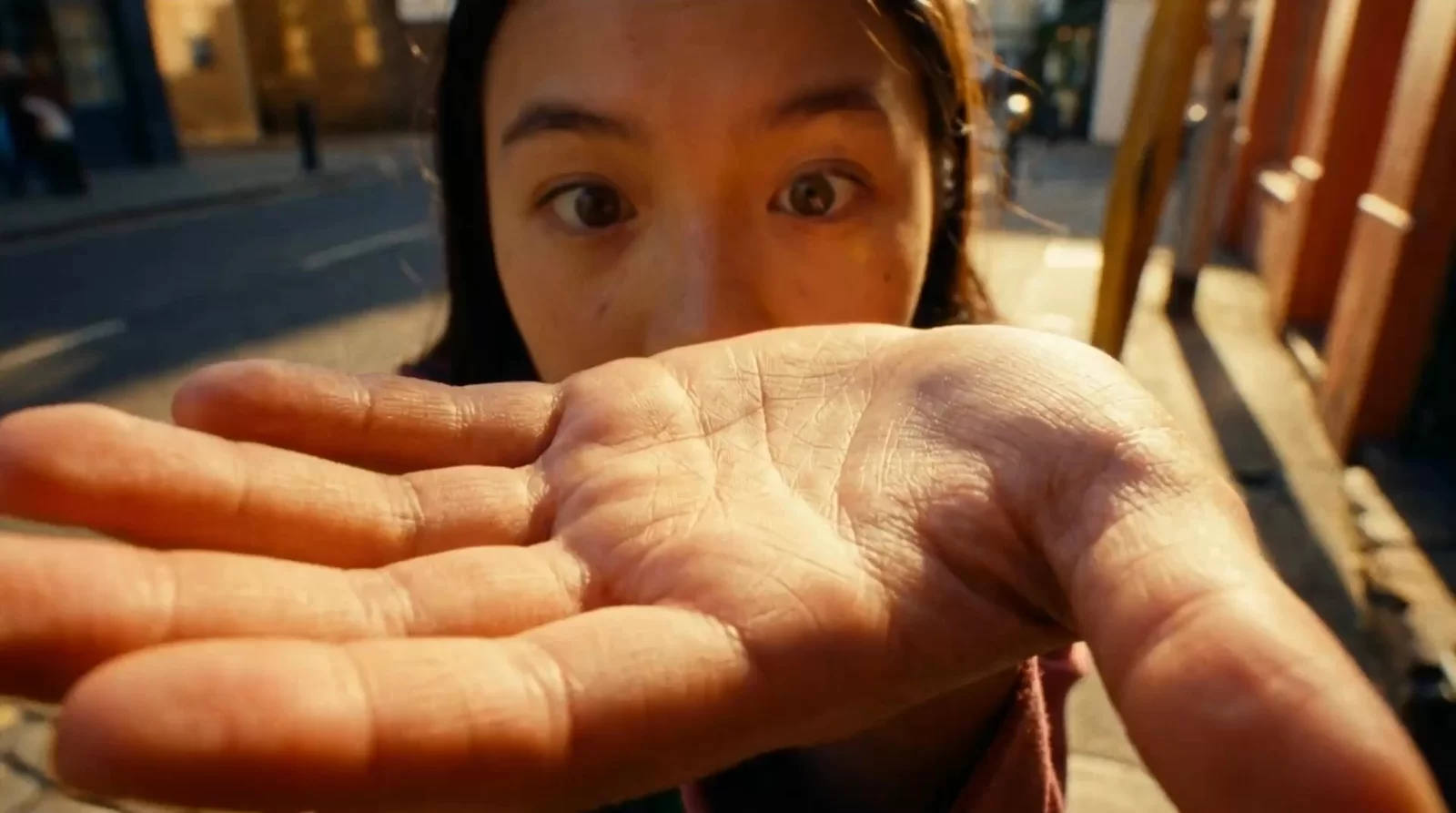
One bench, several kinds of moving picture
Gen-4.5 is the current first-party generation model and the obvious starting point for text-to-video or image-to-video. A reference frame is more useful than a lyrical paragraph when appearance matters. It fixes composition, subject and color before motion begins. Describe motion positively and plainly: camera direction, subject action, speed and environmental movement. Treat each generation as a shot, not a scene.
Aleph 2.0 solves a different problem. Bring existing footage, describe a localized change or edit a frame to show the desired result, then let the model carry that decision through the clip. It handles up to 30 seconds at 1080p and can apply an edit across cuts. For marketers, that might mean a new product color or a winter background without a reshoot. For filmmakers, it might mean removing a distraction or trying a look before committing a crew to it. Previewing the change as a still before spending on the video is a small design choice with a large effect on the bill.
Around those two models sits the practical furniture. Act-Two transfers facial, body and hand performance to a character. Apps package common tricks. Workflows connect several operations as visible nodes. Agent accepts a conversational brief and can now work with a timeline in Studio. Runway Dev exposes proprietary and third-party models through an API, plus routing controls that can choose for cost, speed or quality. MCP connectors let compatible agents call the service. The breadth is valuable when a job moves from sketch to image, image to clip, clip to edit and edit to deliverable.
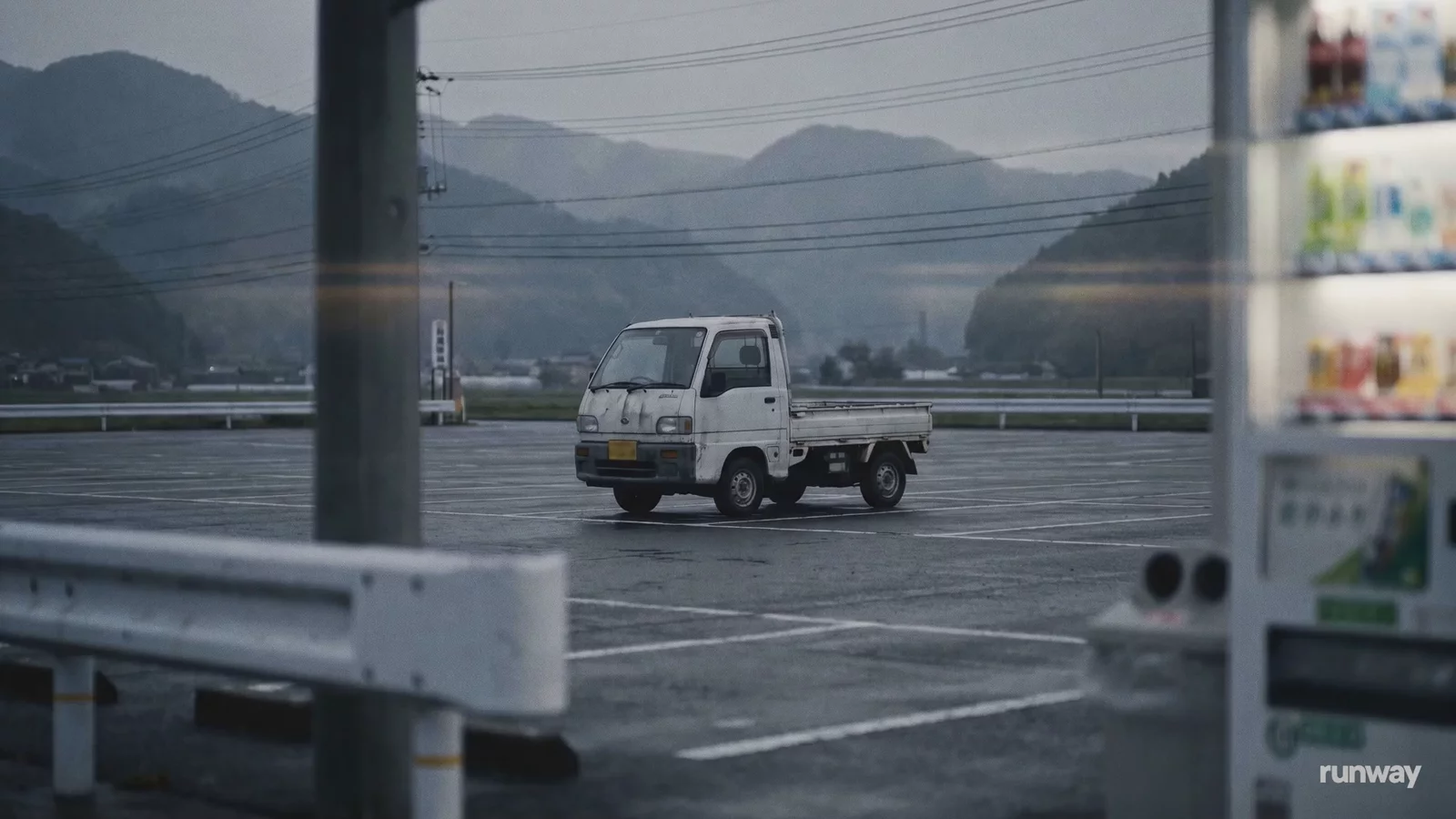
Credits turn every retry into a production decision
The free plan is a test, not a hobby allowance: 125 credits once, with limited access. Standard is $15 monthly or $12 a month when billed annually and includes 625 credits. Pro is $35 monthly or $28 on annual billing for 2,250 credits. Max is $95 monthly or $76 annually for 9,500 credits. Runway replaced its Unlimited tier with Max, a finite allowance that can roll over one month. Standard and Pro monthly credits reset. Team, introduced in September 2026, costs $69 per seat monthly or $55 on annual billing for two to nine people, with 6,900 credits per seat feeding a shared pool.
What 625 credits buy on paper
The phrase “on paper” is doing real work. Gen-4.5 costs 60 credits per five seconds, so Standard's 625 credits equal about ten five-second takes. If three are useful, you had a good day. If you are still discovering the subject, lens and motion, the allowance can disappear during rehearsal. User reviews repeatedly praise quick visual ideation while complaining that failed or unwanted generations make credits feel tight. Runway says technical errors marked by an error banner should restore credits, but aesthetic failure is still your expense.
“Runway has been the best image to video tool that I have used.”G2 reviewer
“Runway AI is an anagram for ‘I run away’.”Reddit user, supplying the heckle
Start free. Move to Standard only with one compact project. Pro suits repeat creators who need Brand Kits, more storage, a custom voice and higher parallel generation. Max is for heavy solo production that can use 9,500 credits without mistaking volume for progress. Teams should calculate the cost of shared references and feedback against seat pricing. API use is billed separately, which matters if a prototype suddenly finds an audience.
Choose a workflow, not a fan club
Video models trade places quickly. A leaderboard win ages faster than yogurt. Runway's durable advantage is the surrounding workflow: first-party generation and editing, outside models, reusable nodes, collaboration and deliverable formats in one account. Google Veo and OpenAI Sora suit buyers already anchored in their ecosystems. Kling and Seedance often appeal to creators chasing a particular motion style or price. Luma offers another focused generation environment. Adobe Firefly belongs on the shortlist when Creative Cloud and commercially positioned source material matter more than novelty.
| Option | Start here when | Watch for |
|---|---|---|
| Runway | You need generation, targeted video edits, workflows and finishing in one browser workspace. | Credits shrink through iteration; model choice can complicate cost. |
| Google Veo | You value Google's video model and already work inside its product ecosystem. | Access, limits and packaging vary by Google product. |
| Kling / Seedance | A specific model's motion, audio or price fits the shot. | Workflow and regional availability can matter as much as output. |
| Adobe Firefly | Your team lives in Creative Cloud and wants AI beside established post-production tools. | Compare clip limits and included credits for your exact model. |
| Luma Dream Machine | You want a focused alternative for rapid video experiments. | Test continuity and editing controls against your project. |
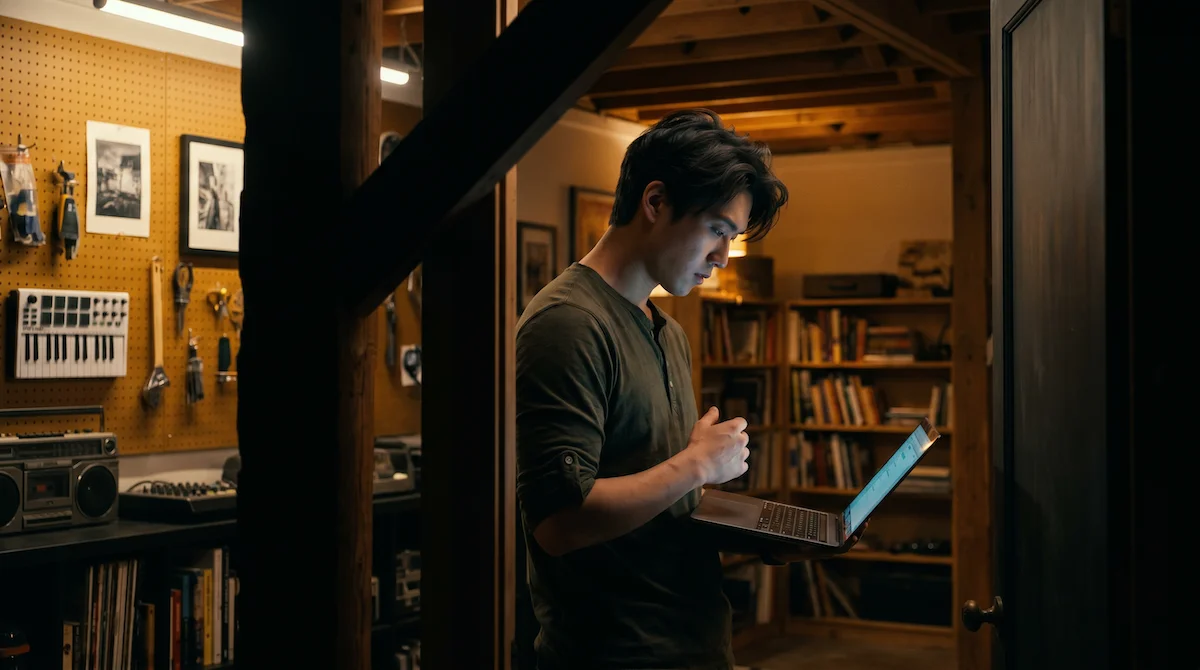
Direct it like a tiny, literal crew
Write the shot before opening the model. Name the subject, action, camera, environment and duration. Gather a clean reference frame. Generate cheap stills to settle composition. Then animate the chosen frame. Change one variable at a time and label outputs with enough detail to remember why they exist. A five-second clip with one clean action is easier to steer than ten seconds containing an entrance, a reveal, a costume change and a weather event.
Use Aleph when reality has already supplied the performance and timing. Use generation when the shot does not exist. Save Workflows for a process you have repeated manually and understand. Keep a conventional editor nearby for rhythm, sound, titles and continuity. Export ProRes or an image sequence when the project will be graded or composited elsewhere. Check hands, signage, reflections, object permanence and background faces at full size. “Looks fine on my phone” is not quality control; it is a confession about screen size.
Commercial use is permitted under Runway's published guidance, but permission from software does not create rights to somebody else's face, voice, character or footage. The company has faced the same training-data and labor questions shadowing generative media broadly. Studios and unions are negotiating what consent, credit and compensation should look like. A responsible team keeps records of inputs, secures releases and treats generated material as material that still needs editorial and legal review.
The verdict
Runway is a capable choice for visual teams that want to generate and revise short shots without building a patchwork of services. Its editing model, workflow tools and production exports give it purpose after the initial spectacle wears off. The cost is manageable when the brief is narrow and references are ready; it becomes irritating when exploration has no boundary. Try the free credits on one real shot. If you enjoy directing the attempts, the paid platform can earn a place in the kit. If you resent the second take, hire the camera crew.
Three art-school technologists, one moving target
Cristóbal Valenzuela, Anastasis Germanidis and Alejandro Matamala Ortiz met at NYU's Interactive Telecommunications Program and founded Runway in Brooklyn in 2018. The early idea was approachable machine learning for artists. Runway later helped release Stable Diffusion, then pushed into generative video with Gen-1 and Gen-2. Its green-screen tool found a memorable professional credit in the moving-rocks sequence of Everything Everywhere All at Once. The company says another production workflow at The Late Show with Stephen Colbert fell from roughly six hours to six minutes.
The ambition kept widening. Runway created an AI Film Festival in 2023; submissions grew from about 300 that year to about 6,000 in 2025. It signed a custom-model partnership with Lionsgate in 2024, later expanded around production and new work. It raised $315 million in February 2026 for world-model research, with reporting placing its valuation around $5.3 billion. The company now talks about simulation for robotics and science alongside movies and advertising. That future is enormous and unsettled. Today, the practical reason to subscribe remains pleasingly small: there is a shot in your head, and you need a way to test it.