structural-biology
(10)
Atomic AI
Atomic AI is a South San Francisco biotechnology company fusing machine learning with structural biology to unlock RNA drug discovery. Its platform pairs in-house wet-lab chemical-mapping data with deep learning models - including ATOM-1, a foundation model for RNA structure, and PARSE, its RNA structure exploration platform - to find structured, ligandable RNA motifs and design selective small molecules and RNA-based medicines for targets long considered undruggable.
MOMA Therapeutics
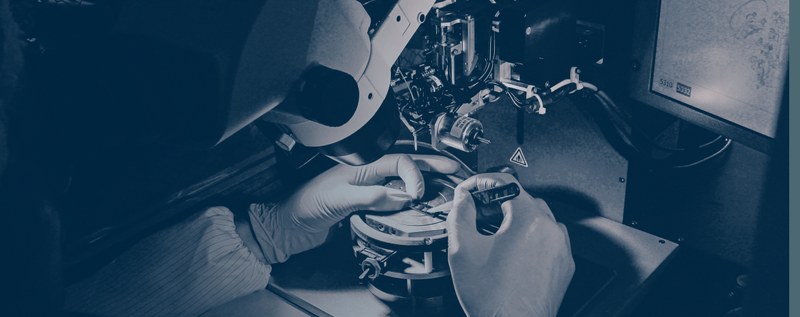
MOMA Therapeutics is a Cambridge, Massachusetts biotech building precision small-molecule medicines against 'molecular machines' - the highly dynamic, shape-shifting enzymes (ATPases, GTPases and related proteins) that power cellular processes and underlie cancer and other diseases. Spun out of Third Rock Ventures in 2020 by four academic leaders in protein biophysics and structural biology, MOMA's proprietary KNOMATIC platform fuses deep structural insight, advanced hit-finding (fragment and DNA-encoded library screening) and machine-learning-driven lead optimization to drug targets long considered intractable. The company has raised about $236M, advanced its first oncology program into the clinic, and partnered with Roche and Bayer.
Neomorph, Inc.
Neomorph is a San Diego clinical-stage biotech building molecular glue degraders - small molecules that recruit the cell's own disposal machinery to destroy disease-driving proteins long written off as 'undruggable.' Founded in 2020 out of Deerfield Management with scientific founders who decoded how thalidomide-class drugs work, the company has assembled what it calls the world's largest proprietary molecular glue target space across a broad portfolio of E3 ubiquitin ligases. It has signed multibillion-dollar discovery pacts with AbbVie, Novo Nordisk, and Biogen, dosed its first patient with lead candidate NEO-811 in kidney cancer, and raised roughly $209M across Series A and B.
Michael Milburn
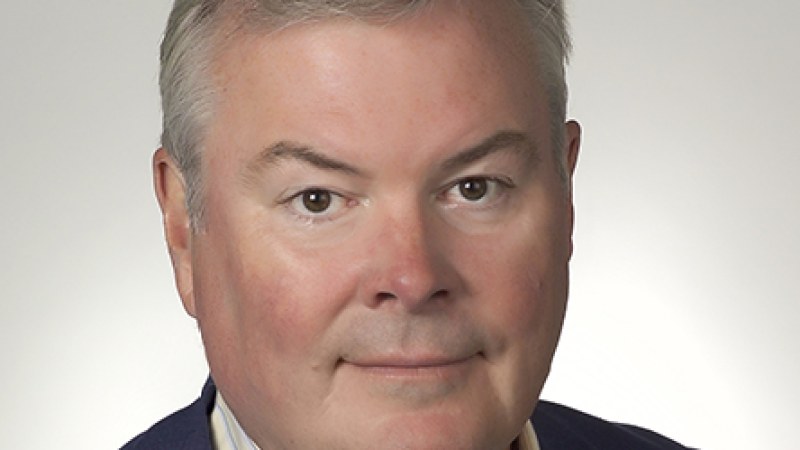
Michael V. Milburn is the CEO and President of GeneCentric Therapeutics, a Durham, North Carolina biotech building RNA-based liquid biopsy tools that read a tumor's behavior from a single tube of blood. A structural biologist by training, he helped solve the first crystal structures of the Ras cancer protein at Berkeley in the late 1980s, then spent decades building research engines at Sirtris, Plexxikon, and Metabolon before taking the top job at GeneCentric in 2019. His current bet: that the fragments of DNA shed by tumors carry enough information to infer gene expression, not just mutations, turning a blood draw into a near-complete molecular portrait of cancer.
Phil Chamberlain
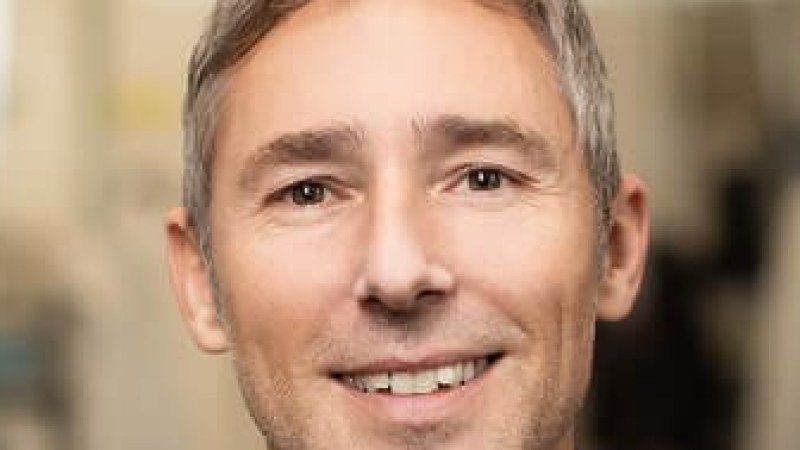
Phil Chamberlain is the co-founder, president and CEO of Neomorph, a San Diego biotech building molecular glue degraders to drug proteins long written off as untouchable. An Oxford-trained structural biologist, he spent a decade at Celgene and Bristol Myers Squibb decoding how thalidomide works at the atomic level, then turned that science into a company that has signed partnerships with AbbVie, Biogen and Novo Nordisk worth billions and pushed its lead degrader into the clinic.
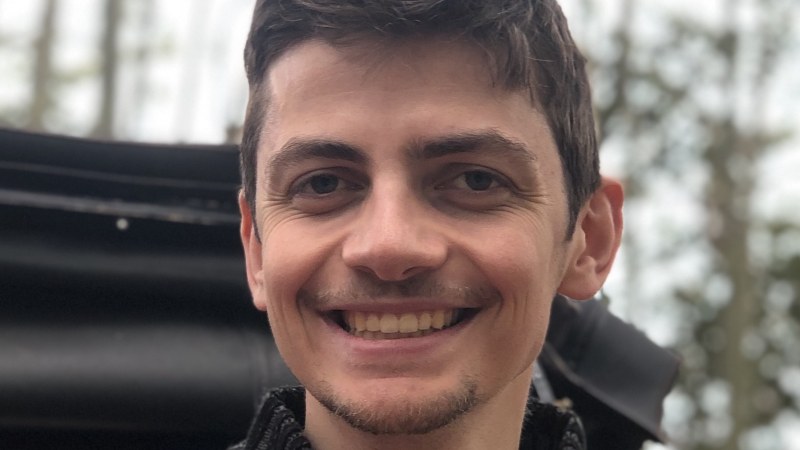
Raphael Townshend
Raphael Townshend is the founder and CEO of Atomic AI, a South San Francisco biotech fusing machine learning with structural biology to make RNA a druggable target. A Stanford AI Lab PhD who trained 18 known RNA structures into a model that beat far larger labs, he turned a Science cover paper into a company that has raised $42M to build ATOM-1, a foundation model for RNA structure. Forbes 30 Under 30, ex-DeepMind AlphaFold, ex-Google.
Yuanyuan Xu
Yuanyuan Xu is a structural biologist turned biotech founder who left the protein-crystallography bench at Tsinghua and Yale to build Cure Genetics (克睿基因), a Suzhou clinical-stage company chasing cell and gene therapies for solid tumors and genetic disease. She founded it in 2016, raised a $60M Series B in 2021, and bets on two homegrown platforms: an invariant-natural-killer-T cell therapy (AIMS CAR-NKT) and a directed-evolution engine for new AAV capsids (VELP).
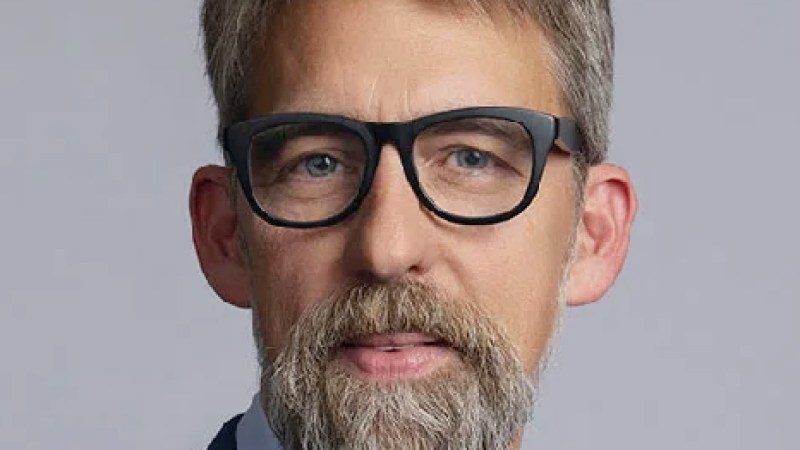
J. Seth Strattan
J. Seth Strattan, PhD is a General Partner at Two Bear Capital, a Whitefish, Montana-based venture capital firm investing at the crossroads of life sciences and technology. With a PhD in Structural Biology and a BA in Philosophy from Stanford University, Strattan spent years at Stanford building and leading the engineering and data science teams behind landmark genomics consortia - ENCODE, the Human Cell Atlas, and the International Human Epigenomics Consortium - before pivoting to back the founders tackling biology's hardest problems. He is based in Silicon Valley, leads Two Bear Capital's Menlo Park office, and splits his remaining time between Montana and a family farm in the Appalachian Mountains of Kentucky.
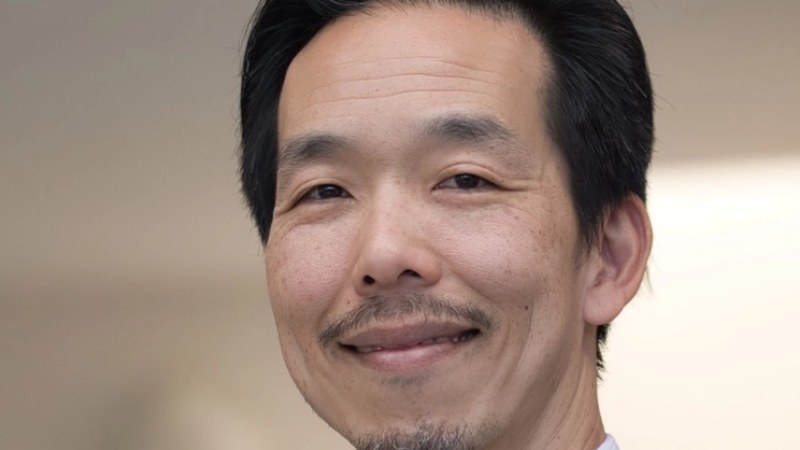
Richard Yu
Richard Yu is the Co-founder and CEO of Abalone Bio, an Emeryville, California-based biotechnology company pioneering AI-guided antibody drug discovery for notoriously hard-to-drug targets. With a PhD in Molecular Biophysics from Yale and a background spanning structural biology, systems biology, and biotech entrepreneurship, Richard built Abalone Bio's FAST platform - a high-throughput yeast cell screening system capable of evaluating 100 million antibody variants simultaneously. The company has secured partnerships with Pfizer and Mount Sinai, generated $7M in non-dilutive NIH grants, and published the world's first CB2 antibody agonist data, while positioning AI and large-scale functional datasets at the core of next-generation antibody therapeutics.
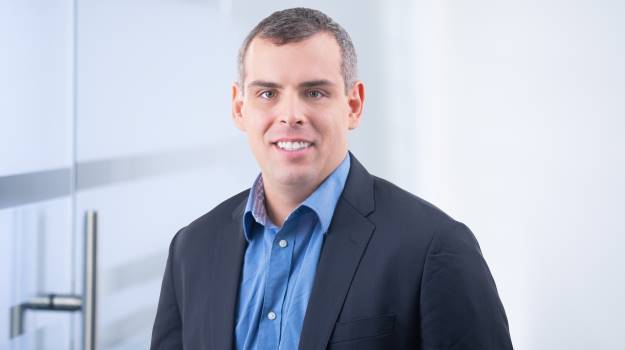
Tom Cahill
Thomas J. Cahill, MD, PhD is the founder and managing partner of Newpath Partners, a Boston-based life sciences venture firm he built from the ground up to translate breakthrough academic science into medicines. A structural biologist trained under two Nobel laureates, Cahill has co-founded more than a dozen biotech companies — including Prime Medicine, Chroma Medicine, and Autobahn Therapeutics — and became one of the pandemic's most consequential behind-the-scenes operators when he assembled Scientists to Stop COVID-19, a coalition that fed curated research directly to the White House and helped redirect Regeneron's manufacturing to Dublin.