investment-banking
(80)
StartupLanes Built a Funding Lane With One Startup in the Room
The pitch-event conveyor belt is gone. StartupLanes puts one company in front of the room, then sells founders the connective tissue from idea to IPO.

Intellecap works on what money alone cannot fix
A ₹1 lakh experiment became an advisory business connecting entrepreneurs, investors and industry. Its work reveals how much has to happen before a good idea becomes a business someone will finance.

ROTH Capital Partners knows who should be in the room
The growth-company investment bank turns research and investor introductions into financing opportunities. A $25 million share offering shows what that access can cost; its history shows what access cannot fix.
AmplifyME turns the trading floor into a job audition
The London company lets students try finance before applying for it. Banks get something useful in return: a record of how a would-be hire actually performs.
Dealogic keeps score on Wall Street. It also helps run the game.
Banks use Dealogic to see who is winning business, find their next mandate and manage the machinery of a capital raise. The interesting business sits between the league table and the order book.
Finster AI Gives the Spreadsheet Crowd a Memory
Finster AI wants to turn a bank's scattered filings, models and institutional lore into work that arrives already sourced. The pitch is compelling, but buyers should expect an enterprise sale, a serious integration project and no public price tag.

Marco Chisari Has Worked Every Side of the Chip Table
An engineer who learned the language of deals now runs a microLED company trying to solve AI's unglamorous problem: moving data without wasting power.
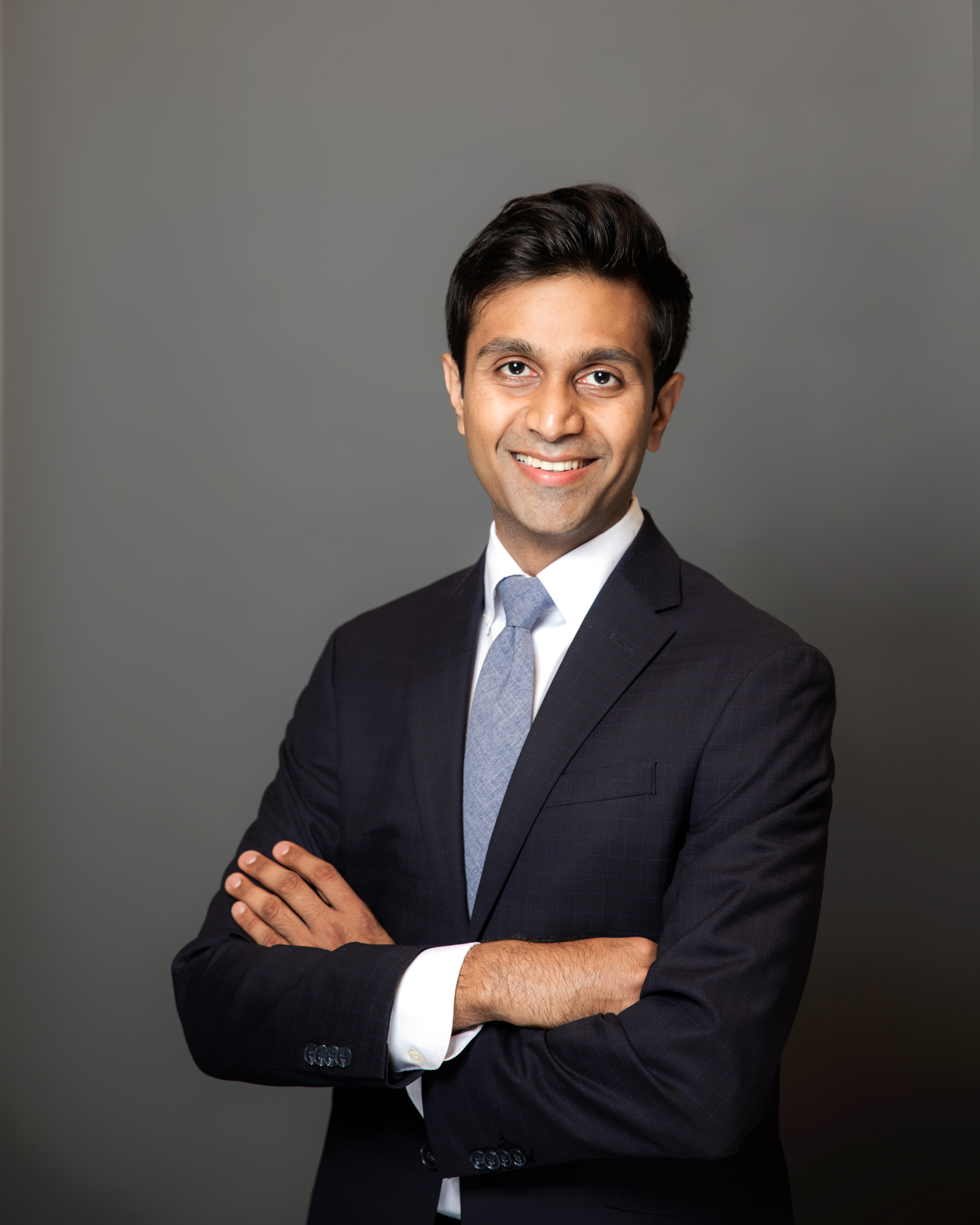
Rohan Parikh Is Teaching AI to Show Its Work
The Keye co-founder spent years inside the spreadsheets that drive financial decisions. Now he is building an AI diligence platform around a stubborn Wall Street rule: every important number must survive a second look.
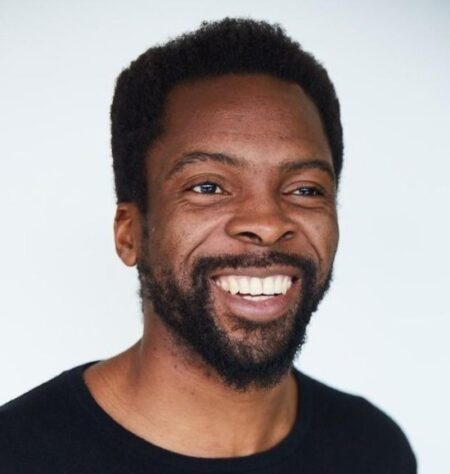
Brian Mokoro’s Career Has One Recurring Move: Learn the System From the Inside
Before finance, private equity and technology, Brian Mokoro taught ninth-grade algebra in Washington. His career since has been a study in entering complicated systems, learning their machinery and moving closer to where decisions get made.
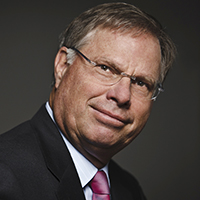
Jeffrey Amling and the Discipline of Saying No
For four decades, Jeffrey Amling has worked where judgment matters more than motion. His career links Wall Street's media deal boom, FTI Consulting's selective acquisition strategy, and a patient second life breeding racehorses built for the long run.

HREC’s Playbook for Selling the Hotel Nobody Knows How to Price
A hotel is part building, part operating company and part bet on tomorrow’s room rate. HREC has spent three decades learning how to sell all three - especially when the obvious deal stops working.

The Boston bank that only speaks fluent brand
A boutique bank that refuses to do anything but consumer deals just got a lot bigger. Here is how a Boston firm turned brand obsession into a specialty M&A practice - and why Origin Merchant Partners bought in.
The $564 Billion Finance Firm That Refuses to Go Public
Baird began as a Milwaukee bond house in 1919. A century later, its five-business portfolio, employee ownership and nearly $564 billion in client assets make it a quiet counterexample to Wall Street's quarterly reflex.

The Bank That Would Rather Have One Client Than a Hundred
Founded by dealmakers who left Morgan Stanley and TPG, Incentrum Group built a merchant bank around a contrarian idea - take fewer clients, own the advice, and put your own money where your counsel is.

The Tech Bank That Knows Every Exit Is Really a Border Crossing
Drake Star built a global investment bank around one narrow premise: technology deals need specialists who can read both the code and the room. More than 500 transactions later, its compass still points across borders.
The Chicago Firm That Reads Before It Writes Checks
Since 1981, First Analysis has turned deep sector research into venture bets and deal advice for B2B software founders. The result is one of the longest track records in Chicago venture capital, built one thesis at a time.

Consello Is Building a Boardroom Without Walls
The young firm pairs former operators, athletes and dealmakers with an investment arm - a model designed to turn introductions and advice into measurable corporate action.
The 200-Year-Old Bank Betting on the Middle of the Market
A Cleveland bank with roots older than most of the states it serves is leaning into middle-market companies, digital lending, and a $2.8 billion vote of confidence from Scotiabank. Here is how KeyBank actually makes money - and who it makes money for.
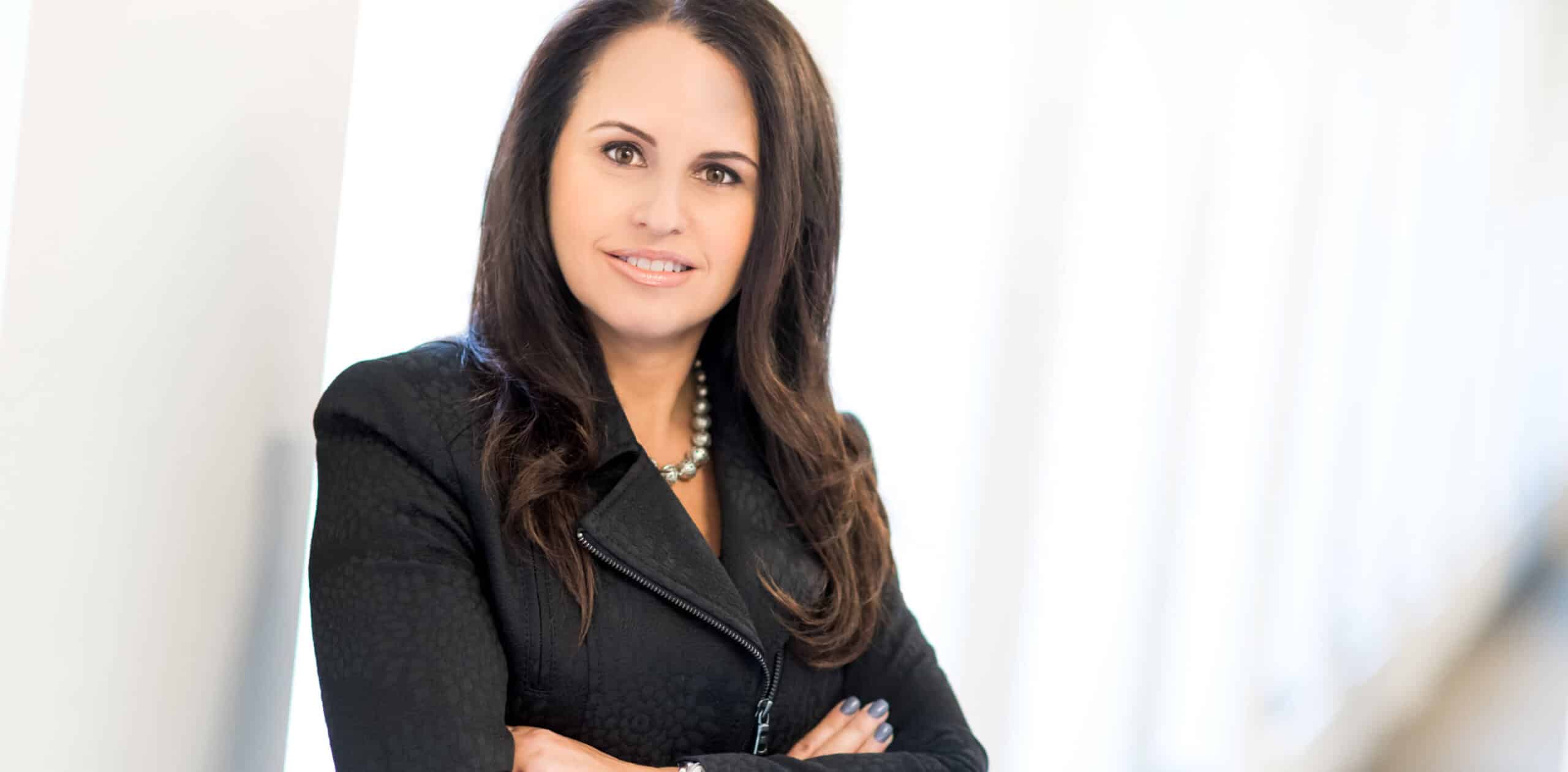
The Brand Builder Behind Mizuho's American Rise
She joined a bank few Americans could name and spent a decade making its brand impossible to ignore - one campaign, one hire, one employee network at a time.
The Brand Voice Behind Wall Street's Quiet Powerhouse
He built brands for Apple, Cisco, and CNET before deciding the most interesting marketing job left was making an investment bank memorable. Inside the long game of Scott Waltz.

The $2 Trillion Bank Built to Make One Relationship Do Five Jobs
Mizuho's name means a bountiful rice harvest. Its modern strategy is similarly patient: connect a Japanese banking franchise, a global balance sheet and Wall Street advisory talent so one client relationship can keep compounding.

The Bank That Wins When Everyone Else Is Losing
It ranks No. 1 in global M&A by deal count and No. 1 in restructuring. One of those businesses thrives in good times, the other in bad. Houlihan Lokey owns both.
BNP Paribas Is Three Banks in a Trench Coat - And That Is the Point
Europe's largest banking groups are often described by their balance sheets. BNP Paribas makes more sense as a three-part operating system - one that can finance a factory, hedge its currencies, manage its employees' savings and lease its vehicle fleet without leaving the group.
The $4.6 Trillion Bank That Runs on Software
It moves trillions of dollars a day, employs more engineers than most tech companies, and answers to one of the longest-serving CEOs on Wall Street. Here is how a 227-year-old bank became a software business that happens to hold your deposits.
UBS
How a 163-year-old Swiss bank became the world's largest wealth manager - by absorbing the rival that nearly took the whole system down with it.

Morgan Stanley
The bank that decided predictable beats spectacular - and built a $9 trillion advice machine on top of a trading floor.

Raymond James
A firm that started in a downtown St. Petersburg apartment now watches over $1.92 trillion - and it still measures itself one advisor and one client at a time.

Oppenheimer & Co. Inc.
A 140-year-old Wall Street house that never grew into a giant - and turned staying mid-sized into the whole pitch.
Santander US
Santander's American business is part neighborhood bank, part national auto lender and part digital-bank experiment. The connecting idea is simple: gather deposits more efficiently, then put that money to work across one of the world's largest financial markets.

Goldman Sachs
For 156 years the firm at 200 West Street has been in the room when companies go public, countries borrow, and fortunes change hands. Here is how the deal machine actually works.