identity-security
(81)
Palo Alto Networks wants fewer tools on your security bill
The firewall maker is buying and building its way across corporate cybersecurity. Its pitch is less busywork for defenders - with a bigger share of the budget flowing to Palo Alto.

Lepide Turns Permission Sprawl Into a Shorter To-Do List
The British cybersecurity company spent two decades turning raw change logs into answers. Now it is betting that permissions cleanup - not another wall of alerts - is what lean security teams will pay for.

Manny Ataebi Learned the Code. Then He Learned to Sell the Story.
A six-year apprenticeship in code gave Manny Ataebi an uncommon marketing instinct: understand the machinery, strip away the jargon, and make the buyer care.

Martha Walchuk Makes Complicated Technology Make Sense
Before AI agents needed identities, customer-service agents needed better tools. Martha Walchuk has built a career in the difficult middle ground where enterprise software, human judgment, and the machinery of marketing meet.

Laura Marx Makes the Invisible Business of Identity Impossible to Ignore
She started by teaching tennis, built a global marketing career from outside the office, and now gives RSA's identity-security ambitions a human vocabulary. Laura Marx's subject is access; her method is connection.
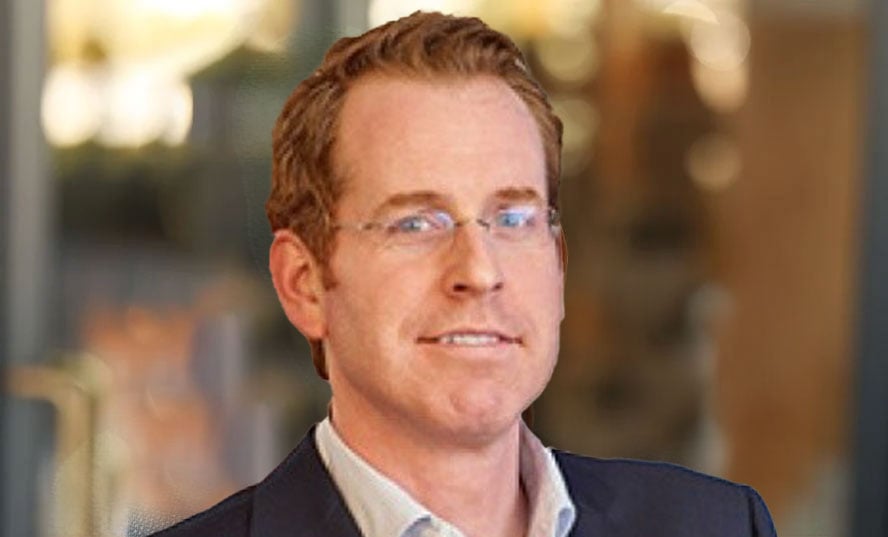
Kevin Spurway Makes Complicated Software Sound Simple
A Harvard-trained lawyer found his calling in enterprise software, then built a career turning dense technology into clear language at the moments companies needed it most.

Thomas LeDuc Put Cybersecurity’s Invisible Defenders on the Big Screen
He helped take Semperis from a few million dollars in recurring revenue to centaur status. Then the Detroit-area CMO returned to filmmaking to tell the human story behind cyber defense.

Tarah Cammett Makes Cybersecurity Sound Human
The Silverfort CMO has spent more than two decades translating complicated software into stories people can act on. Her more revealing craft, though, is building teams with empathy, candor and a conspicuous sense of fun.

Jonathan Skinner Has Spent a Career Making Invisible Trust Visible
From a seven-person rebrand team at Sectigo to the problem of governing AI identities at Portnox, Jonathan Skinner has built a career translating security machinery into a story the market can act on.

Mike Puterbaugh Came Back to Sell the Hardest Thing in Cybersecurity: Clarity
After more than 25 years translating technical risk into business language, the San Diego executive has returned to BeyondTrust with a familiar brief and a much larger map: make identity security understandable without sanding off its complexity.

Semperis Built a $100 Million Business Around the Day After Your Worst Hack
Most security vendors promise to stop the intruder. Semperis made its name by asking the uglier question: if the keys to the company are already stolen, how fast can you safely turn the business back on?
Tenable Found 336,000 Ways In. Its Next Trick Is Telling Security Teams Which Door to Close First
Nessus made Tenable famous for finding weaknesses. Tenable One is the nearly $1 billion-revenue company’s bet that the real product is judgment: connecting IT, cloud, identity, OT and AI risk, then showing an overworked security team what to fix first.
Cyera Found the Data Nobody Could See. Now It Wants to Police Every AI Agent.
Cyera turned a five-minute cloud connection into a map of the enterprise's most awkward secrets. Five years, seven funding rounds and a string of acquisitions later, its wager is bigger: that no company can trust AI until it knows exactly what every human and machine can see.

Silverfort’s Bet: Protect the Logins Your Security Stack Forgot
Most identity tools guard the front door. Silverfort built a checkpoint for the side doors - legacy apps, service accounts, command lines and now AI agents - without asking companies to rebuild the house.

John Knightly Learned Marketing Between a Potter’s Wheel and a Chalkboard
The Netwrix CMO grew up between clay and mathematics, then built a career translating enterprise technology into stories buyers can use. His latest assignment is making data and identity security legible in the age of AI.

Dayna Rothman Learned Marketing by Writing It Down
Before Dayna Rothman ran marketing teams, she learned the whole department one interview at a time. Writing became her apprenticeship - and eventually her route into the C-suite.
BeyondTrust Built a Security Empire Around Other People's Keys - Then One Key Became the Story
BeyondTrust spent four decades assembling the locks, vaults and cameras of enterprise access. Its next act is harder: proving one platform can govern humans, machines and AI agents without becoming another all-powerful key.

Guardz Tried Selling Cybersecurity to Small Businesses. The Smarter Business Was Selling Through Their IT People
The startup's first route to market sputtered. Its 2023 pivot to MSPs turned that miss into a useful lesson: for small-business security, the trusted reseller may matter as much as the software.

Netwrix Sold the Software Before It Existed - Now It Wants to Secure Every Identity Behind Your Data
A two-night coding sprint became a profitable security business. After 12 acquisitions and three investment chapters, Netwrix is trying to turn a crowded toolbox into one coherent answer to a hard question: who can touch the company’s most sensitive data?
Saviynt Spent 16 Years Policing Employee Access. Then the Employees Stopped Being Human.
The enterprise-security company built one control room for human access. Now a fast-growing population of AI agents is testing whether that converged model can govern machines moving at machine speed.

Kate Reed Markets the Quietest Outcome in Cybersecurity
After more than two decades turning dense enterprise technology into plain-spoken stories, Delinea’s CMO is selling an unusual promise: the reassuring calm of nothing going wrong.
RSA Wants to Kill the Password - Without Killing the Systems That Still Depend on It
The company that put six-digit codes on key fobs is rebuilding itself for passkeys, AI agents and help-desk deepfakes. Its bet is that the future of identity will still have to work with the stubborn machinery of the past.

Clarissa Cerda Learned to Navigate the Gray. Now the Gray Can Talk Back.
The former White House lawyer has spent three decades where technology outruns the rulebook. At Pindrop, she is helping decide what trust should mean when a familiar voice may be synthetic.

Appgate Escaped the VPN Bottleneck - Then Had to Escape Its Own Balance Sheet
Its direct-routed Zero Trust software promised to remove the chokepoints created by legacy VPNs. After a public-market detour ended in Chapter 11, Appgate is testing whether a cleaner balance sheet can do the same for the business.

The Bank Security Company That Wants You to Notice Almost Nothing
Entersekt built a global financial-authentication business around a stubborn idea: the best security step is often the one a legitimate customer never sees. Now its bet is moving from a protected phone to one context-aware layer across banking and payments.

SpyCloud Built a Trillion-Record Warning System for the Identity Attacks Your Login Screen Never Sees
Passwords were only the opening act. SpyCloud built an enterprise security business around the messier evidence criminals leave behind - and the narrow window defenders have to use it.

Jason Martin Built for the Breach - Then AI Gave Every Machine a Badge
After 25 years in cybersecurity, Martin stopped treating identity as a login problem and started following what every human, machine, and AI agent did next. That bet took Permiso from 100 interviews before code to an acquisition by Okta.

Raj Mallempati Is Securing the People - and Machines - Behind the Code
After an engineering-to-marketing career and a Microsoft acquisition, Raj Mallempati returned to the permissions problem with a sharper question: who - or what - is allowed to touch the software pipeline?

John Hernandez Has Spent 30 Years Teaching Big Software to Change Its Mind
From call centers to identity systems to the security operations center, Hernandez keeps arriving when a sprawling enterprise platform needs a new shape. At BlueVoyant, the assignment is to make cyber defense faster, more unified, and useful with or without a managed service wrapped around it.

Art Gilliland Built a Career Around One Question: Who Gets In?
From malware patents and a college bouncer shift to the age of autonomous agents, Delinea’s CEO has spent 25 years turning access into a question of judgment.