physical-ai
(93)
Abaka AI and the art of teaching machines
Before an AI can do the work, someone has to decide what good work looks like. Abaka AI sells the data, human judgment, and production tools behind that decision.

Sand wants to fix the world beneath your feet
Water pipes, mobile towers and treatment plants have a data problem. Sand is building AI that helps the people running them decide what to do next.

Brightpick puts the warehouse on the night shift
A robot that picks while it rolls. A warehouse that keeps working after people leave. Brightpick’s bet is that the biggest gains come from redesigning the ordinary parts of fulfillment.
Shaip teaches AI to pay attention
A voice assistant needs more than a voice. Shaip supplies the recordings, labels, and human judgment that help AI make sense of the world - from a doctor’s dictation to a robot’s next move.
Symbotic knows where the box goes.
The clever part of Symbotic’s warehouse robots is what happens after the warehouse. Every mixed pallet is a plan for the store at the other end.

Teach the truck. Move the mountain.
Pronto took self-driving technology off the highway and into the quarry. Its bet: the trucks you already own can learn a new job.

Hitachi Digital knows which valve to check.
Industrial AI has a homework problem: it needs to understand the machinery. Hitachi Digital brings the factory knowledge, the software teams, and a very large testing ground.
Path Robotics gives the robot a second look
A welding robot can repeat a movement all day. Path Robotics is building one that notices when the metal has moved - and changes its plan.

Megazone Corp makes complexity disappear
A car manual that reads the dashboard. A television platform rebuilt while viewers keep watching. Megazone’s work starts with the things people should never have to think about.

Applied Intuition sells the road you can repeat
A late lane change reveals the business behind Applied Intuition: turn the messy physical world into tests engineers can run again. Now the company is moving from the simulator into the vehicle itself.

Inspiren wants to catch the fall before it happens
A nurse-founded company is turning the quiet minutes between care rounds into useful information. The wager: better senior care begins with seeing what everyone else misses.

Worlds gives the factory floor a memory
The cameras were already there. Worlds turns what they see into live spatial data, helping industrial teams measure work, spot danger, and act before the footage becomes a post-mortem.

Supercircle found the money in fashion’s dirty laundry
A recyclable sneaker exposed an expensive flaw in fashion’s good intentions. Supercircle turned the missing logistics into a business that brings old clothes, unwanted stock and their remaining value back into circulation.

General Intuition Wants AI to Learn What Happens Next
The Medal spinout is turning gameplay and controller actions into training material for AI. Its $6.2 billion valuation rests on a question a flying football car can only partly answer: will those lessons travel?

Ommo wants machines to know where their hands are
A rotating magnet, tiny sensors and a stubborn question: where is the tool when the camera cannot see it? Ommo is turning that problem into a business in surgical navigation and physical AI.

May Mobility bets the robotaxi on the ordinary trip
The autonomous driving company learned its trade connecting people to everyday destinations. Now it is taking that experience onto ride-hailing apps, with a proposed public listing and a very real cash bill.

Intrinsic wants robots to stop needing a specialist for every new job
Google’s robotics software group is betting that the expensive part of automation is teaching the machine. Its answer combines reusable skills, a virtual workcell and an unexpectedly useful respect for loose cables.

InOrbit.AI wants your robots to stop working alone
A warehouse can buy clever robots and still end up with a very stupid traffic jam. InOrbit.AI sells the software that helps different machines share the floor - and has just made a fleet-management foundation open source.

Real-Time Innovations: The price of being late
A wind turbine, a surgical robot, and a car have something awkward in common: their software has to agree while the world keeps moving. RTI sells the machinery of that agreement - and a way to spend less time repairing it.
Innoviz and the long wait to look away
A laser sensor helped BMW let drivers look away from the road. For Innoviz, the harder task is turning years of engineering into a business that can afford the wait.

The Tape That Wanted to Run the Supply Chain
A shipping label is a modest place to put an operating system. Trackonomy built one there anyway - then bought the chip and label businesses needed to make the idea travel.
The Button That Disappeared Into the Dashboard
UltraSense made the switch disappear, then had to make sure a driver could still find it. Millions of automotive controllers later, its buried sensors are being pitched to rings, glasses, and robotic hands.

The Pallet That Stopped a Robot
A wrapped pallet brought a warehouse robot up short. Encord's business is built around what happens next: finding the missing example, fixing the data, and getting the model back to work.

Velaura AI Is Selling the Watts Its Chips Do Not Use
Once a maker of Bitcoin miners, the Santa Clara chip company now offers AI builders a different prize: more computing inside the same power budget. The arithmetic is promising; the hard part is making a lower-voltage chip behave.
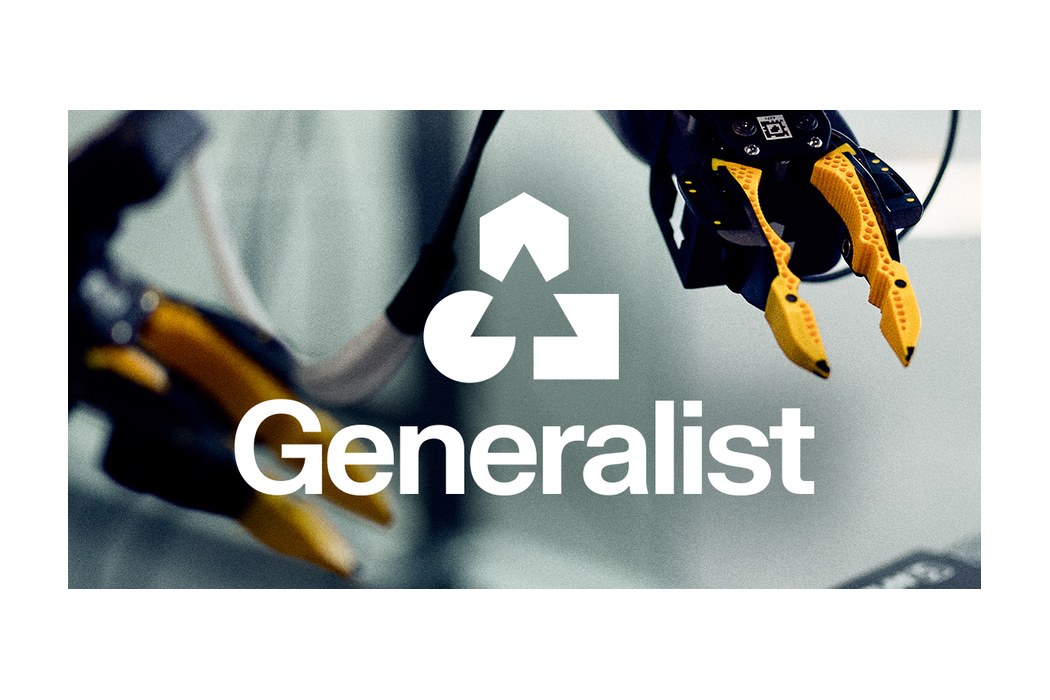
The Robot That Learned by Watching
A few seconds of demonstration can now teach Generalist’s robot model a small physical task. The extraordinary part is the speed; the revealing part is how often it still fails.

The Robots Graduated. The Groceries Stayed.
Starship spent years teaching small robots to cross streets and deliver campus lunches. Ten million deliveries later, its most consequential move was leaving the American quad for the grocery aisle.
The Hard Part of Biology Is the Factory
Bota Biosciences has spent six years trying to close biotechnology's least glamorous gap: the distance between an ingenious microbe and an ingredient someone can order twice.

The Robot Was Ready. The Next Job Wasn’t.
Trener Robotics bets that the expensive part of industrial automation is often the pause between jobs. Its Acteris software lets operators describe a new task, then turns that request into a checked sequence of robot skills.

The Company That Fired Its Imaginary World
Parallel Domain spent six years inventing roads for autonomous machines. Then it decided reality was the better author - and rebuilt the company around the moments when machines get things wrong.
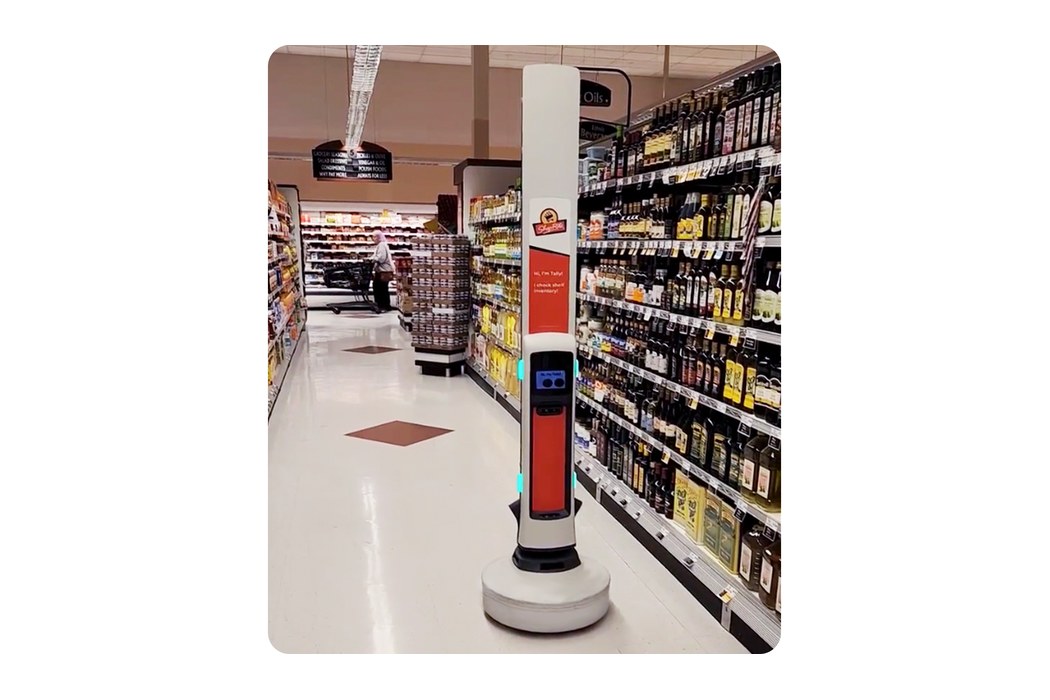
The Robot That Found the Store's Missing Truth
A polite machine named Tally patrols the cereal aisle. The interesting part is not the robot - it is what happens when a retailer can no longer pretend the shelf matches the spreadsheet.