A water pipe can be perfectly visible on a map and practically invisible to the people responsible for it. The map says where it lies. It may say little about the pressure inside it, the reservoir feeding it or the customers who will lose supply if something goes wrong. That gap is where Sand Technologies has planted its business.
- Sand builds AI for water, energy, telecoms and other essential systems.
- Its Symmetri platform connects operational data with models of the physical world.
- The practical payoff: help operators choose an intervention before a small problem spreads.
Consider the water-network case on Sand’s website. Operators responsible for more than 31,000 kilometres of infrastructure were working across fragmented monitoring systems. Sand combined signals from over 500 sensors and control points with hydraulic models and customer reports. Data arrived every 15 minutes. A pressure reading could finally be understood as part of a network.
Sand reports that identifying one major outage risk early helped avert approximately £7 million in costs. It also reports ongoing annual savings above £1.3 million. Those are company figures. The mechanism is the interesting part: connect observations that previously lived apart, identify a developing risk, then give an operator time to intervene.
One connected view of a very long plumbing problem.
A city needs a working memory
Sand calls this physical AI. Its current platform, Symmetri, combines infrastructure data with scientific models and operational software. A digital twin supplies a representation of a real system. Simulation lets people explore how that system might behave. The useful question becomes: if we change this setting, repair this asset or delay this investment, what happens elsewhere?
The company organizes its users into builders, operators and planners. Engineers connect data and develop applications. Front-line staff use the outputs. Managers decide where money and attention should go. That division matters because a prediction has several journeys to complete before it changes anything in a control room.
Telkomsel, the Indonesian telecom operator, presents a different version of the same problem. Sand’s case study describes bringing radio settings, network performance and commercial indicators together. Simulations evaluate changes to antenna power, tilt, orientation and other parameters. Sand reports data-traffic improvements of 8 to 15 percent without additional infrastructure investment.
The appeal is straightforward. An operator considering another construction project can first ask whether existing equipment is configured well. Sand sits in the enterprise AI and systems-integration market, alongside broad consultancies and specialist industrial-software suppliers. Its positioning rests on connecting physical models, live operational information and hands-on delivery around a particular industry problem.
The £334,800 lesson
There is a less glamorous obstacle beneath this work: different organizations describe their networks differently. Thames Water’s account of its Unlocking Digital Twins project identifies the lack of common data standards as a cause of duplicated effort. Algorithms had to be redeveloped for each company. The friction appeared before the clever prediction.
Thames Water, Sand and Severn Trent worked together from October 2023 to September 2024 on shared standards and reusable tools. Ofwat provided £334,800 in project funding. That amount belongs to the collaborative project; it should not be mistaken for Sand’s fee, a Symmetri subscription price or an investment in the company.
The resulting public toolkit converts geographic water-network data into graph structures, which describe how assets connect. Its repository labels it an alpha proof of concept. That makes it a useful starting point for technical exploration. A utility still has to establish that its own network data and operating assumptions are fit for the job.
The transferable lesson is almost stubbornly practical: agree on what the assets are and how they connect before expecting software to explain their behavior. A team with incompatible records can copy that sequence. It can also inspect the code. Neither step requires buying into a sweeping promise about the future.
Engineers with mud on their shoes
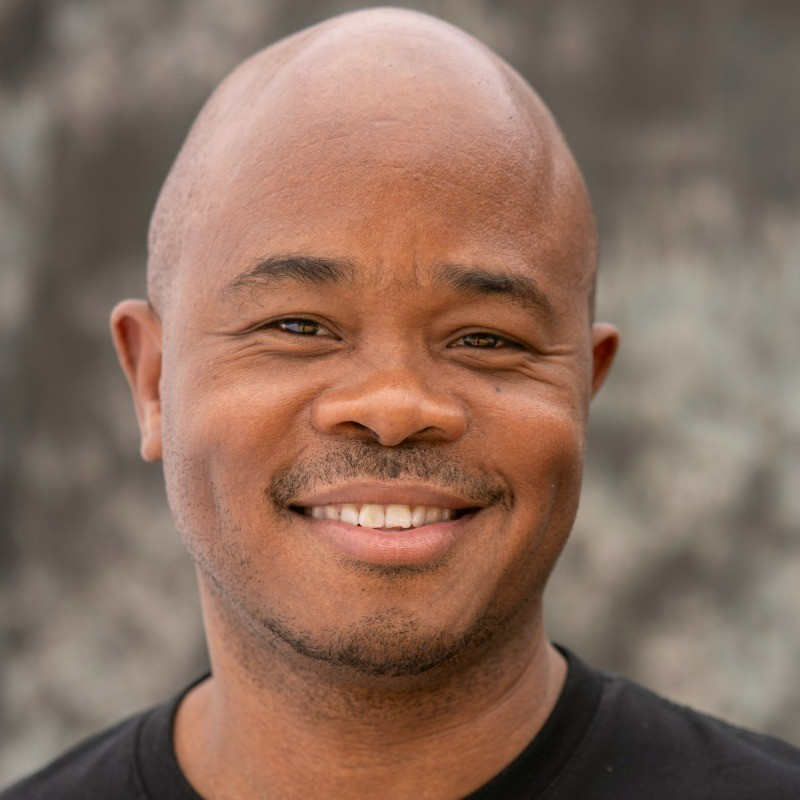
Founder and chief executive Fred Swaniker is also known for building African leadership and education institutions. In a March 2026 McKinsey interview, he described Sand as a “problem-solving factory.” His argument starts with societal problems and the people equipped to tackle them. AI is one tool available to those people.
Sand’s technical leadership reflects the mix. Chief science officer Mike Flaxman brings geospatial and infrastructure experience. Innovation leader Aidan Helmbold worked on the initial Thames Water algorithms. Chief delivery officer Shaun Dipnall founded ExploreAI, later acquired by Sand. The company’s team page describes more than 100 technical specialists with PhD or master’s-level qualifications.
The commercial offer combines a platform with engineering and integration work for enterprises and public bodies. Sand also offers data science, software, cloud and IoT expertise. Its AWS Marketplace presence provides a route to procurement; its Cassava partnership adds access to GPU infrastructure. Software and the people who make it work are closely connected here.
That connection appears in Sand’s September 2026 forward-deployed engineering recruitment. Engineers work inside customer environments, test ideas and take systems into production. One published principle, “Each One, Teach Ten,” makes mentoring part of the stated culture. These jobs ask for technical judgment and enough proximity to notice when the customer’s actual problem differs from the brief.
The race is for a better decision
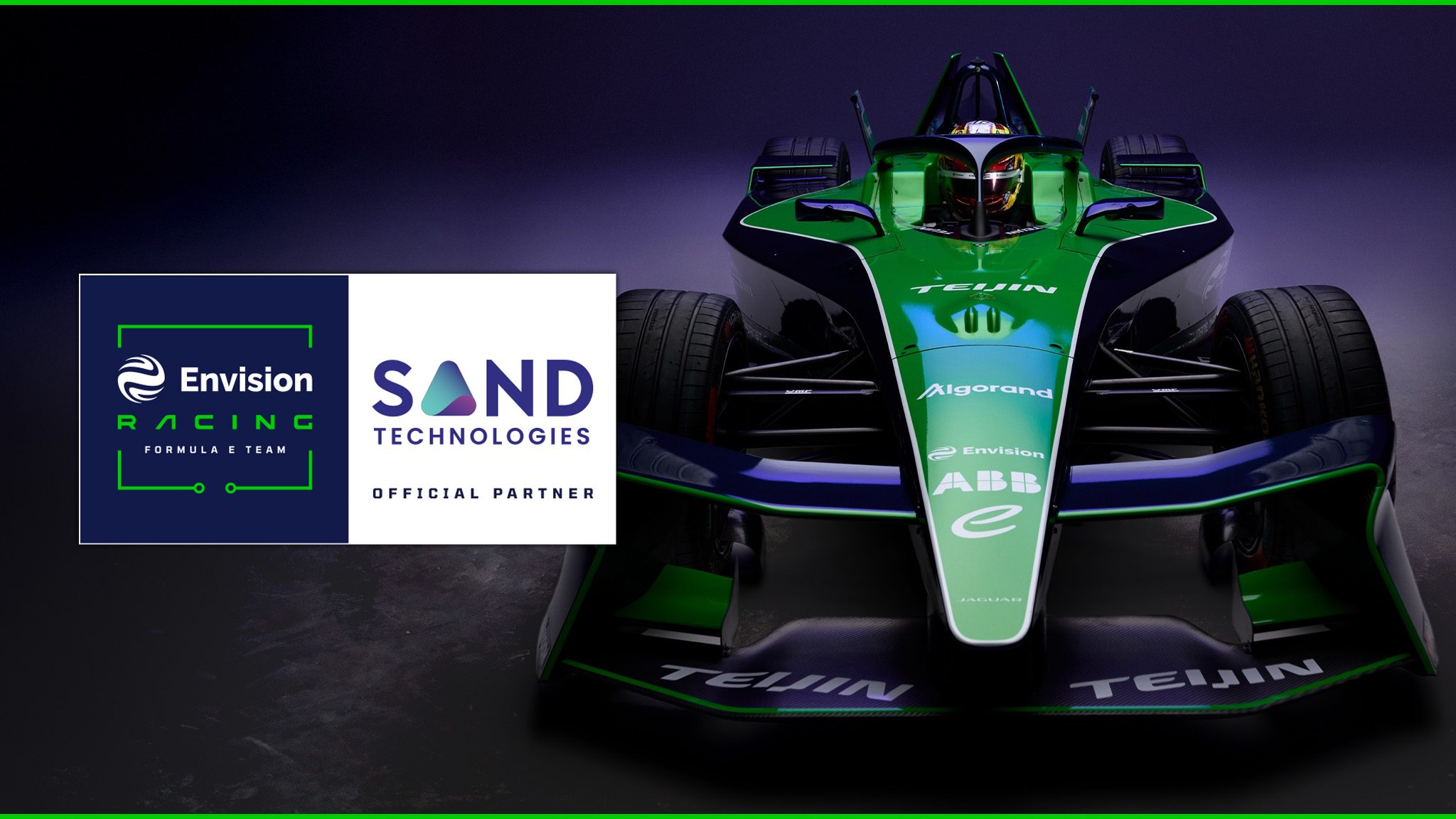
The unexpected customer is Envision Racing. Its multi-year partnership with Sand, announced in November 2024, covers AI applications across operations, fan engagement and sustainability. Digital twins and computer vision appeared in the initial roadmap. A racing team gives the proposition a vivid setting: complex machinery, limited resources and decisions made under pressure.
A prediction has several journeys to complete before it changes anything in a control room.From the analysis
There is a clear condition attached to this approach. A model needs dependable observations, a useful account of the physical system and somebody able to act. Missing asset relationships or unreliable telemetry can weaken the result. A recommendation without operational ownership can sit on a screen while the underlying problem continues.
For a prospective customer, the sensible starting point is one decision: which leak to investigate, which antenna to adjust, which treatment process to examine. Establish a baseline, name the person responsible and measure the consequence. Sand’s story is most persuasive at that scale, where an abstract technology meets a specific piece of work.
Follow the work
Explore Sand’s platform, the clean-water toolkit and the company’s latest news.