A microbe that performs beautifully in a laboratory flask can become an expensive disappointment in a steel tank. It grows differently. It eats more than expected. The desired molecule arrives too slowly, or too impurely, to survive a customer's spreadsheet. That gap has swallowed many good biotechnology ideas. Bota Biosciences made it the center of its business.
Founded in 2019 by Cheryl Cui and colleagues, Bota describes itself as an industrial biotechnology company with operations in California and Hangzhou. It designs cells, enzymes and proteins; screens them at scale; develops fermentation processes; and makes ingredients for food, nutrition and personal care. The buyer is usually another business, not a person browsing a shop. Think ingredient suppliers, beauty companies and food manufacturers trying to improve performance, cost, provenance or supply.
- Bota sells engineered ingredients and development work to industrial customers.
- Its biofoundry joins software, automated experiments, pilot fermentation and manufacturing.
- Its named partners include Puratos, BASF, Syensqo, Proya and NHU.
- The decisive question is whether a biological process works repeatedly at a useful price.
The laboratory is the easy photograph
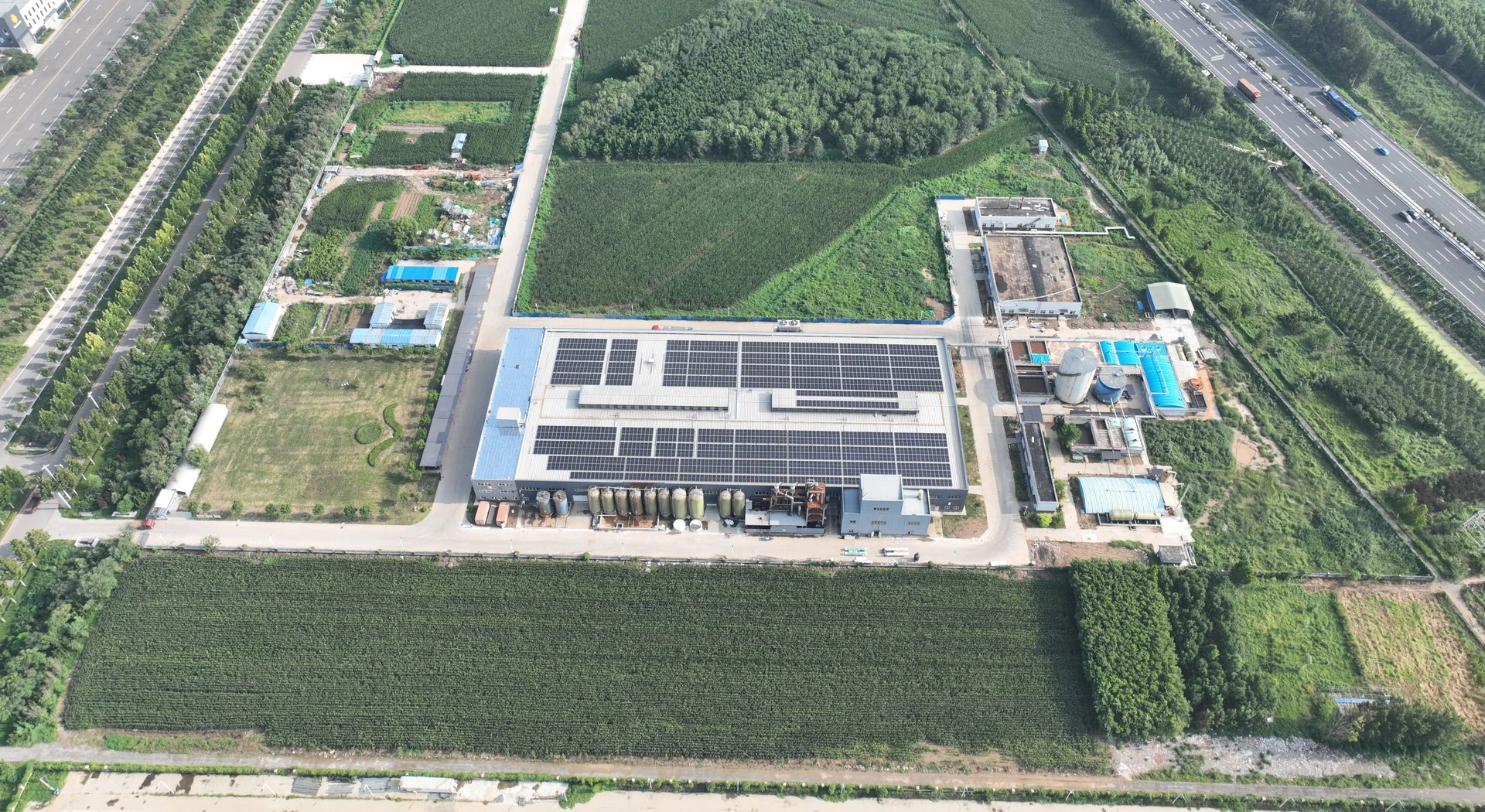
The company's chronology begins with a small object: its first plasmid, built on the new biofoundry platform in August 2020. Four months later came its first commercial contract. Then came the more costly milestones. Bota reports delivering its first commercial project in 2022, opening a manufacturing site and launching the food preservative nisin in 2023, and adding a second factory campus in 2024. A plan for discovery had become a plan for repeatable supply.
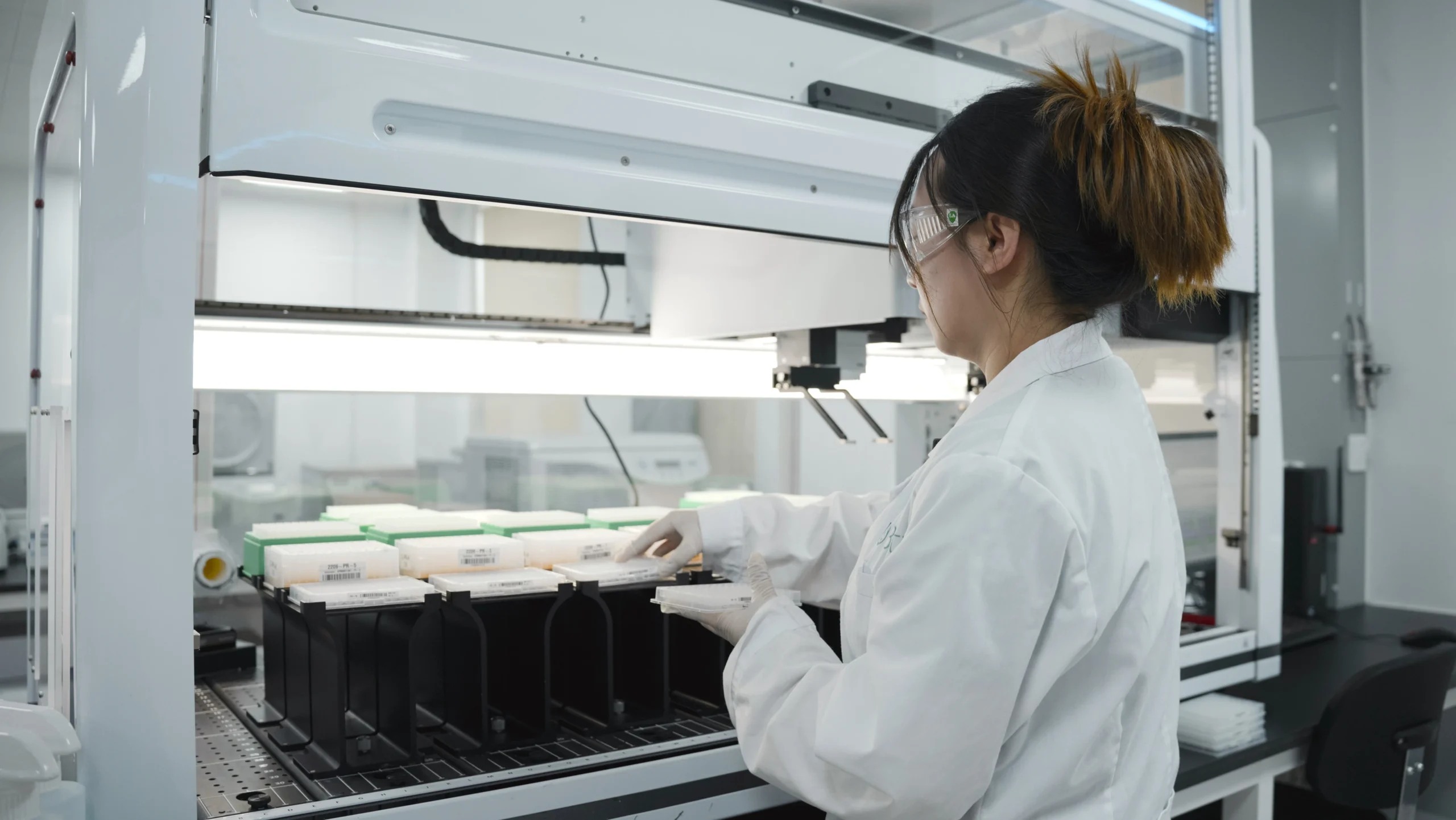
Its own figures show the ambition and the industrial burden together: more than 1.5 million strains tested a year, over 10,000 samples a day, 48 bioreactors and more than 4,000 liters of combined pilot capacity. These are company-reported capacities, not a measure of what every product achieves. They matter because the arithmetic of a promising strain changes as soon as a customer asks for tons rather than samples.
Figures reported by Bota on its company website.
Bota's non-model strain work offers a good example of the problem. The company describes a target product whose industrial output had been stuck for two decades because the organism grew slowly and was hard to modify. Its response was to create new genetic modification and screening methods, then test fermentation performance in parallel. It reports repeatability above 80 percent and improved production in the same facilities. No public customer price or per-kilogram cost accompanies that case, so its commercial advantage cannot be calculated from the outside.
“There is no true value in technology unless it's being used by people to help solve their problems.”Bota's published core values
A bakery, a bathroom, a preservative
The first product, nisin, was almost pointedly ordinary: a preservative for food. Bota later put nisin and natamycin under HeliaGenesis, its food and nutrition brand. Yucca Elements, launched in 2023, carried personal care ingredients, including a fibronectin product. The same underlying toolkit can be hired for an enzyme, a protein or a production strain, but the final products face very different formulation, regulatory and supply demands.
Partnerships reveal how Bota gets from its own laboratory to someone else's market. Puratos, the Belgian bakery ingredient company, announced a 2024 collaboration in which Bota would search and engineer natural enzymes while Puratos would develop their use in baking. The division of labor is deliberate: Bota brings sequence data, screening and fermentation; Puratos brings knowledge of what dough needs and an existing customer route. Bota also reported commercializing a process with Chinese manufacturer NHU that year.
In personal care, the pattern becomes more colorful. Bota and Syensqo signed a five-year hair and scalp care agreement in 2025. By March 2026, Syensqo was taking Bota's Re2 Coffea Arabica Peptide to international markets. Its starting material is discarded coffee grounds from Yunnan. A good circular-economy anecdote is easy to tell; the useful business fact is that a specialist distributor agreed to carry the ingredient.
BASF's role is another useful test. The chemical group invested in Bota in 2021. In June 2026 it began marketing SkinNexus Collag3n, a recombinant collagen fragment jointly developed with Bota. The companies say they screened more than 2,000 collagen fragments while checking whether the candidates could be made at scale. Proya, a Chinese cosmetics company, has a separate development partnership. These arrangements make Bota part of an ingredient supply chain, with larger companies supplying the application expertise and commercial reach.
Software still has to meet steel
Bota calls its newer system SAION AI, launched in 2026. It connects biological design, experimental planning and lab equipment through a protocol language Bota calls BPL. The point is less mystical than the label “physical AI” suggests: experiments are only useful to a learning system when they are actually run, measured and fed back into the next round. The company has published examples of software for PCR primer design, gel-image analysis and automated liquid handling. Its distinctive claim is to connect those tools with process development and production.
There is a price for that physical ambition. Bota raised more than $100 million in a 2021 Series B, bringing reported cumulative funding at the time to $145 million. It says it completed an additional Series B+ in 2024, though it has not published that round's size. The company reported revenue above CNY 100 million for 2023. Those figures are separate snapshots, not a current profit statement. The cost of any one ingredient program, or Bota's contract pricing, is not public.
What changed as Bota grew is visible in its choices, even if no single executive epiphany is on record. A platform founded around cell factories acquired pilot lines, manufacturing sites, food and beauty brands, and partners with established distribution. That is a useful lesson for any company selling an unfamiliar production method: build the test that matters to the buyer. For a bakery, that means the enzyme works in dough. For a beauty supplier, that means stable performance and reliable availability. For food preservation, it means antimicrobial effect under real temperatures, acidity and storage conditions.
Bota's latest move follows that logic. In September 2026 it joined a four-year Wageningen University-led research project on plant-derived food preservation. The work will test antimicrobial ingredients in different food conditions and explore delivery methods. It is a reminder that even a strong laboratory result can be undone by a real recipe. The company that can measure that failure early, and afford to run the experiment again, has something more valuable than a clever molecule. It has a way to make one useful.