A white sneaker seems an unlikely place to discover a logistics business. Yet the founders of Thousand Fell had designed shoes for recycling and encountered a distinctly unromantic number: processing the components cost more than $30 a pair, according to Inc.’s account. A product could be designed for a second life and still have an unaffordable journey there. Fashion had supplied the promise. Somebody had to organize the return trip.
- Supercircle collects and routes customer trade-ins and unwanted retail inventory.
- Pooling material across brands helps supply recyclers with usable batches.
- Rewards bring shoppers back; recovery fees and physical processing make the economics more complicated.
A sneaker with an awkward bill
Chloe Songer and Stuart Ahlum used Thousand Fell as a testing ground, then opened the infrastructure to other brands. Supercircle launched publicly in 2022. Their third co-founder, CTO Phong Nguyen, brought experience from Gilt Groupe and Luminary. The resulting company combined retail knowledge, software and the rather less photogenic business of getting unwanted things to the right place.
The turning point, the founders told Inc., came when Reformation approached them about a footwear collaboration in 2021. The opportunity expanded beyond shoes: brands had circularity ambitions, but lacked the system to collect and sort clothing. Reformation became an early client. A problem inside one product company had become a service other companies needed.

A factory wants ingredients, not outfits
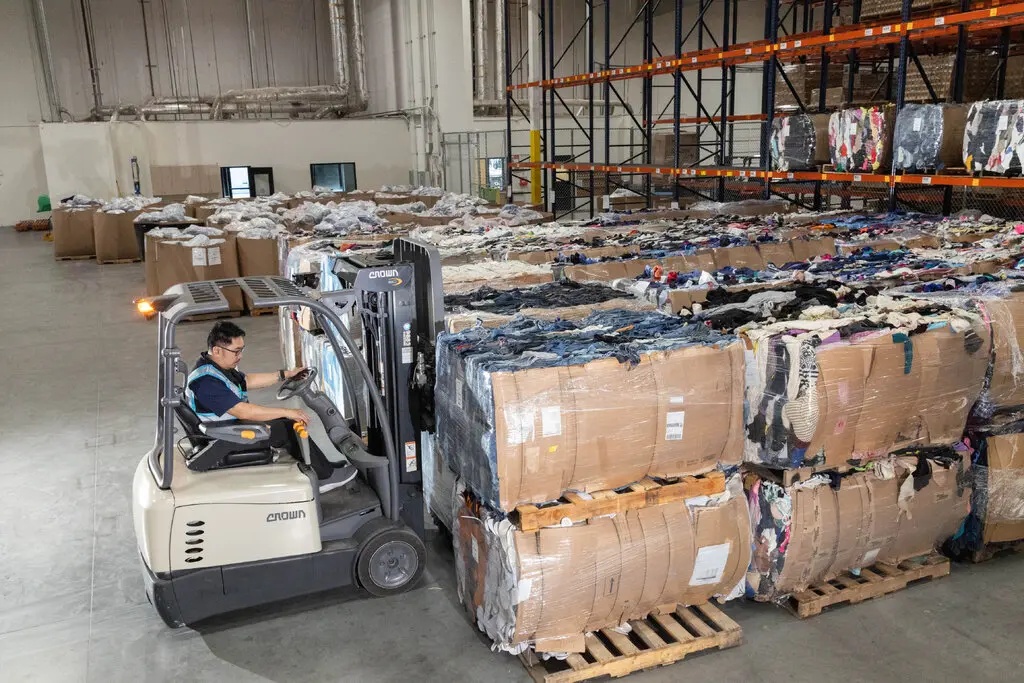
The useful unit of recycling is often a material feed, rather than a garment. A recycler needs compatible fibers in sufficient quantities. A bag containing a cotton shirt, a stretchy swimsuit and a coated jacket offers three different puzzles. The logo on the collar does little to solve any of them.
In a Textile Exchange interview, Supercircle described the work between collection and recycling: identify fibers, separate materials, remove unsuitable components, shred and bale. Blends and unknown compositions complicate the process. Bringing material from several brands together helps create batches that a single brand’s returns might never supply.
Different materials need different destinations. This is a process diagram, not a promise that every garment becomes another garment.
Its December 2025 announcement described an AI sorting system using more than 50 garment-level data points and over 50 reuse and recycling streams. The software helps choose a destination; the physical network gets the item there. Calling that network “physical AI” is the company’s current vocabulary. The warehouse remains wonderfully literal.
The discount code does some of the work
For a shopper, the front end is simpler: choose a participating brand, register eligible items, obtain a shipping label or use an available store collection, and receive a reward. Supercircle supplies branded programs rather than asking every retailer to build its own return infrastructure. Brands choose the incentives and channels; customers get a reason to clear a drawer.
J.Crew launched Second-Life Swim in February 2024, offering $5 in credit for a used swimsuit from any brand. Its 2024 impact report records more than 20,000 swimwear items diverted. Swimwear is a revealing choice: a worn bathing suit is a poor candidate for ordinary resale, even when its materials retain value.
FIGS tested scrubs collection in April 2024 before expanding the program in April 2025. Its current terms offer $25 off a qualifying purchase over $100, with exclusions. The reward is a shopping incentive, not cash. Its program also explains that recovered scrubs can become fabrics, insulation or padding. A scrub top’s useful future need not involve another hospital shift.
Reformation’s circularity roadmap describes another consequence: learning which fibers can actually move through the system. It plans to expand recycling partners and accepted fiber types, while reconsidering materials without viable recycling routes. That gives the return trip a role in product design. A brand can use what comes back to ask better questions about what it makes next, before another complicated blend reaches the sorting floor.
The bill still needs a payer
There is a reason the discounts are attached to brands. In June 2024, Modern Retail reported that Parachute paid a monthly fee plus per-unit charges. Supercircle then estimated processing at $0.60-$1.20 per pound, against $0.15-$0.40 received for material bales. Those historical ranges expose the gap retailers helped fund.
Historical company estimates reported by Modern Retail. Material proceeds alone did not cover processing.
For Parachute, the experiment began with damaged goods and unsellable returns before reaching customers. Starting with a controlled stock stream is a useful sequence to copy. Establish where the material can go, test the handling, then invite the public. An attractive collection bin cannot compensate for an unsuitable downstream feed.
The conditions matter. Fiber blends, coatings and insufficient volume can push material toward lower-value outcomes. Supercircle’s 2023 Textile Exchange interview even included energy recovery among its fallback options. “Ending textile waste” is the mission; clothing-to-clothing recycling is one route within a more varied system. Keeping that distinction visible makes a take-back promise easier to judge.
Fashion’s stockroom gets a second exit
Today the pitch extends to returns, damages, samples and excess inventory, routed through resale, donation and recycling. The company markets recovery revenue, operational savings and documentation. This places it between retailers and downstream operators. Debrand offers a comparable combination of sorting, disassembly and recovery partners; the competitive question is how effectively each network matches products to destinations.
Supercircle website, observed October 2026. Diversion includes multiple recovery outcomes.
A $24 million Series A announced in December 2025, led by Foundry, funded expansion of the technology and recovery footprint. By October 2026, the website reported more than 100 brands and over $50 million returned to partner profit-and-loss accounts. That last figure describes partner value, not Supercircle’s revenue.
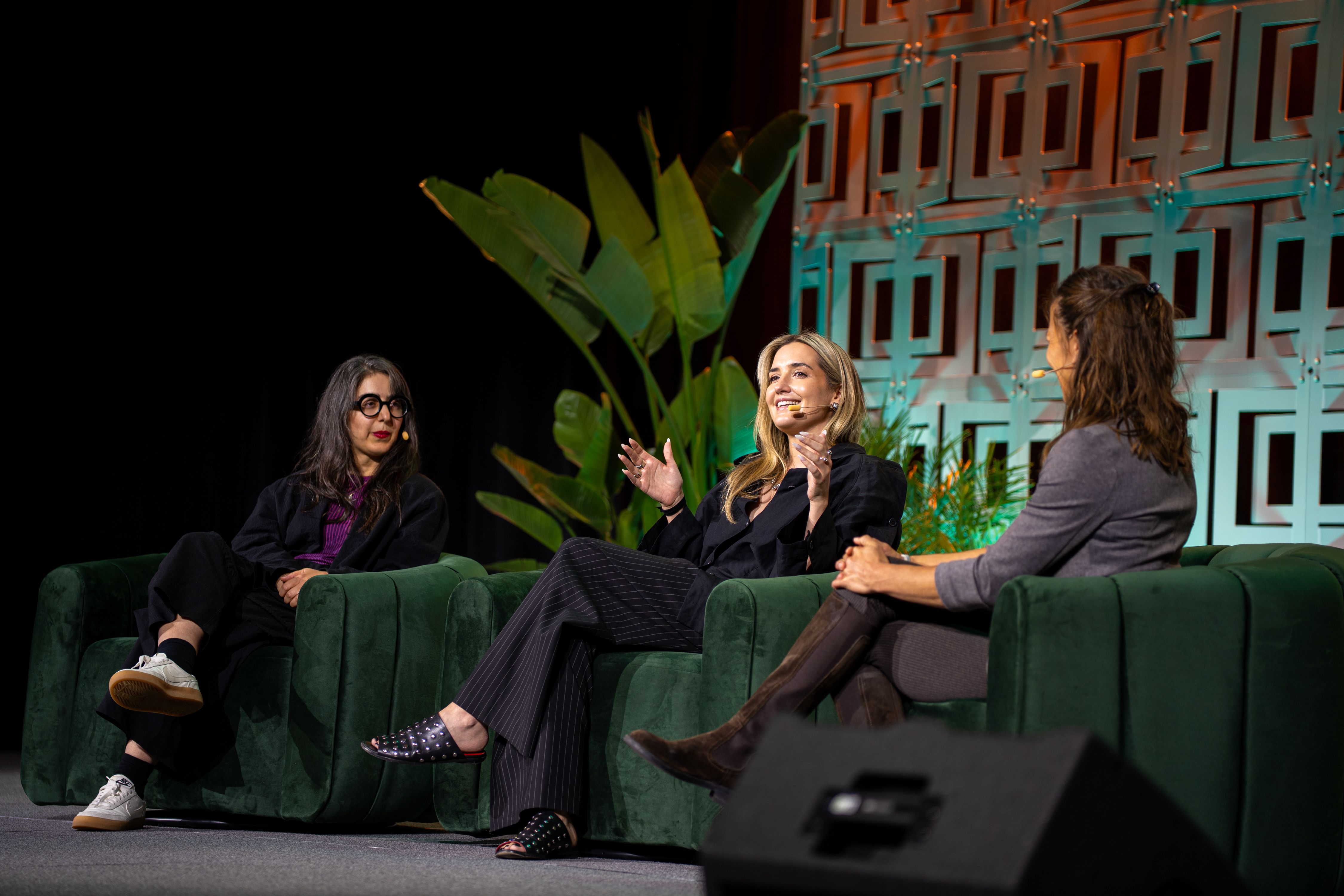
“build business models and real value from the circular economy”
Chloe Songer · Trellis Impact 2026, as quoted by Supercircle
At Trellis Impact in May 2026, Songer’s discussion framed circularity as a way to create business value. The practical lesson is appealingly plain: make returning goods convenient, match materials before making promises, and count the handling costs. Somewhere between a shopper’s cupboard and a recycler’s intake door, an old garment becomes a business proposition. Supercircle sells the journey.