Arch Thomason was sitting in an executive MBA class when buying his employer became a practical question. He wrote the business plan as coursework. Finding a bank took eight attempts. In 2008, he acquired Sunland; a month later, the global economy collapsed. Some introductions to company ownership are less educational.
Thomason’s account has an unusual detail: senior leaders took pay cuts, while hourly workers’ pay was preserved and nobody was laid off. The business was already heavily leveraged. Survival required deciding whose security mattered first. That choice helps explain the logistics company Sunland subsequently tried to become.
- The work: warehousing, fulfillment and industrial logistics for businesses.
- The method: lean routines, trained teams and shared customer information.
- The useful lesson: make problems visible, then give somebody responsibility for solving them.
Eight tries, then a crisis
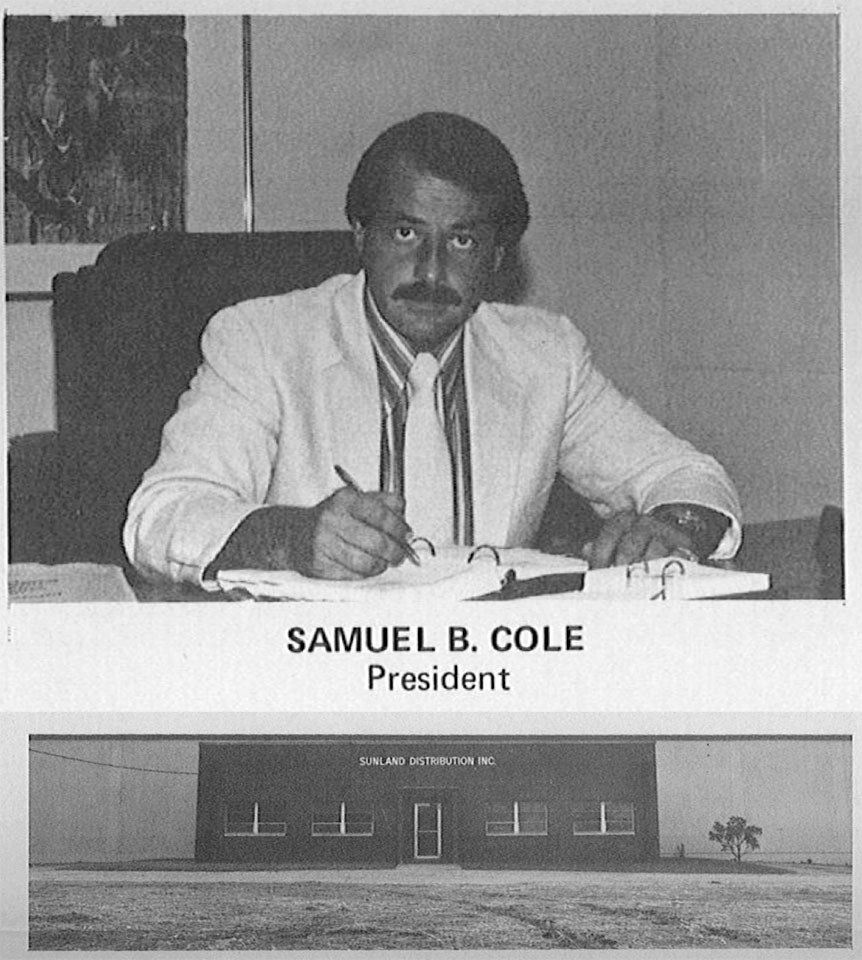
Sunland began more modestly. In 1982, Sam Cole opened a Greenville warehouse with three people and 100,000 square feet. His successor learned the business in sales. But familiarity was no guarantee of competitiveness: Thomason later described losing business as the industry became more professional and technology-driven. A local reputation could take the company only so far.
The response gathered pace in 2013, when a new leadership team began assembling around a national growth strategy. Sunland University followed in 2014. The point was to teach an organization how to operate consistently beyond the reach of any one manager. Expansion would need repeatable habits, rather than an increasingly heroic founder.
What the customer is really buying
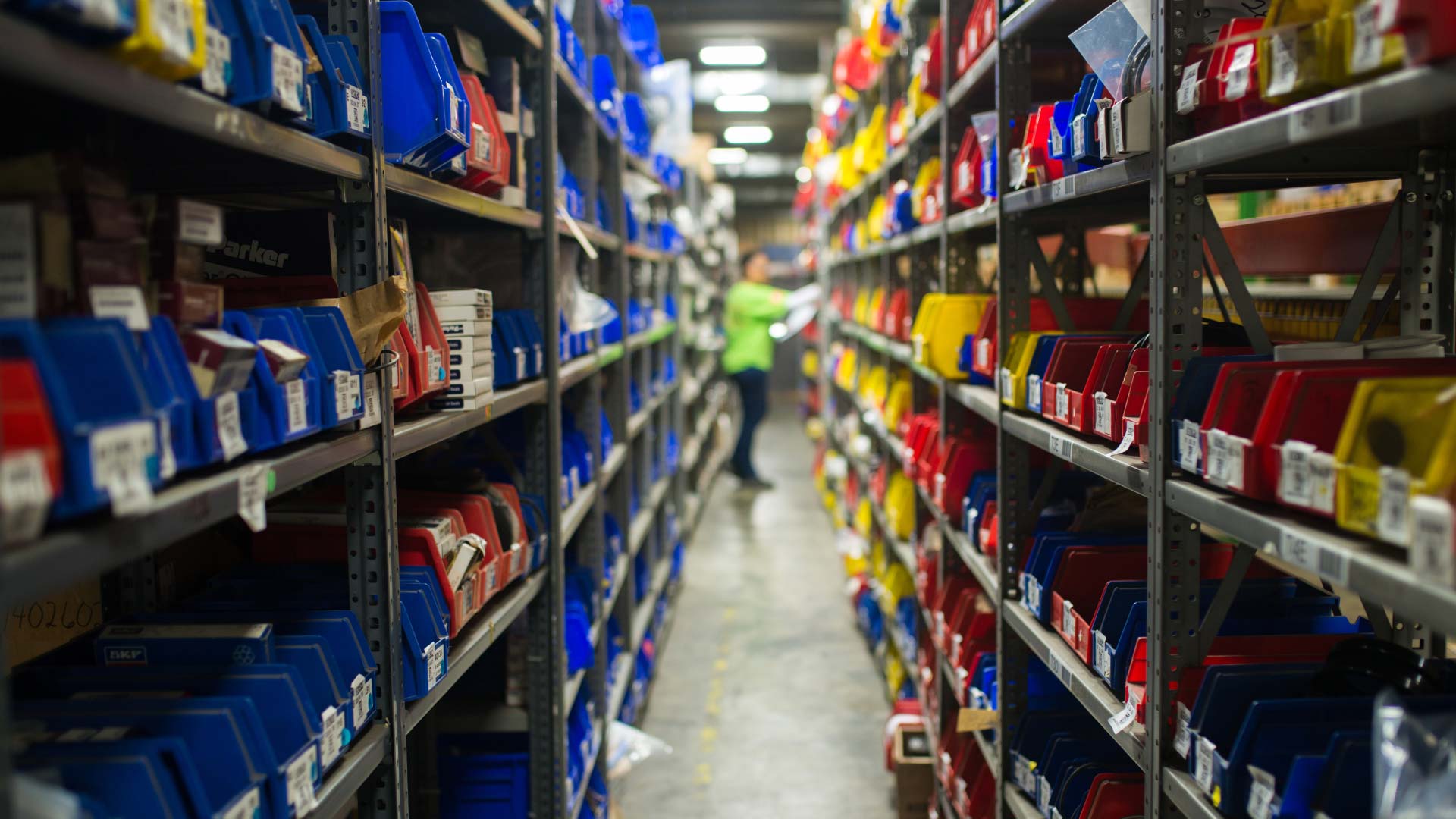
A third-party logistics provider, or 3PL, takes responsibility for work that manufacturers and retailers might otherwise run themselves. At Sunland that includes receiving goods, storing them, picking orders and preparing shipments. Engineers design around product characteristics, volumes, equipment and staffing. The customer purchases an operating arrangement, with a proposal shaped by its particular requirements.
Dedicated operations suit businesses needing a warehouse organized around their flow. Multi-client facilities share buildings and cross-trained teams, offering flexibility for seasonality and growth. Sunland can connect order systems to fulfillment, replenish stores and ship directly to consumers. The attraction is practical: a company can concentrate on making or selling its product while specialists manage the accumulating complexity behind the dispatch door.
That complexity has different costumes. A chemical shipment brings handling and safety requirements; a beverage order brings quality controls and packaging demands. Sunland also offers kitting, relabeling and returns management. A returned product requires decisions about inspection, sorting and recovery. Reverse logistics gives yesterday’s sale a surprisingly busy second act.
Its market spans retail, automotive, chemicals, industrial products, health and beverages. A health-sector example describes a 200,000-square-foot operation handling lens-care products, lotions and vitamins, with temperature monitoring. Sunland reports 99.99% outbound order accuracy for that work. Such figures belong to their individual operations; treating them as a promise across every warehouse would be adventurous accounting.
Five months to get Panasonic moving
Panasonic offers a named example. In 2019, Sunland won the work to manage two finished-goods warehouses. The transition window was five months and included relocating warehouse operations. Panasonic wanted a relationship organized around lean practices, data and performance measures. Its logistics executive Joe Haury singled out Sunland’s willingness to understand the customer.
The planning included customer service, procurement and order fulfillment, alongside logistics. Teams worked down to the stock-keeping units and quantities that needed transferring. Afterward, joint improvement events began with an agreed problem statement and observation of the actual process. It is difficult to fix a bottleneck nobody has visited.
“How are you? And how are we?”Arch Thomason, on his leadership check-ins
This is Sunland’s competitive argument: senior attention, operational experience and a deliberate relationship structure. Lean tools are available to other providers, too. The distinction a buyer must test is whether those tools become ordinary behavior. A warehouse presentation can be excellent without improving Tuesday afternoon.
The cost of putting a warehouse right
One anonymous Tennessee manufacturing case reveals the uncomfortable part. Sunland says it inherited a backlog exceeding 200 containers, weak records and skeptical staff. It raised below-market wages, added shift differentials and supported bonuses. Teams rebuilt work instructions, counted inventory and improved systems. Lower costs required spending on the operation first.
Reported reduction: 30%. Indexed illustration, not dollar pricing. Results are specific to this operation.
The account reports a 30% reduction in cost per unit and a cleared backlog. Its 2025 savings figure was a forecast, distinct from earlier reported savings. This approach depends on customer cooperation, reliable operating information and time to stabilize people and processes. A buyer seeking an instant saving merely by changing the name on the contract should read the staffing changes twice.
A control tower with someone at the controls
In February 2026, Sunland launched SOLIS, its Operations & Logistics Intelligence System. The platform combines data intelligence, network visibility and an Action Request Manager. Customers and operating teams can track requests and exceptions through shared workflows. The interesting proposition is accountability: information should travel with an action someone can complete.
- 01See the dataOperational & inventory insight
- 02Assign the actionShared requests & exceptions
- 03Follow the networkSupply-chain visibility
The physical network remains essential. Sunland announced plans for Charleston foreign-trade-zone space in January 2026, and its September energy-logistics article addresses staging and coordinating project materials. Software helps organize this work; the goods still require suitable space, handling and a route to their destination.
Borrow the questions, then visit the floor
The transferable idea is refreshingly unglamorous. Ask what the customer needs. Ask what employees see. Agree how performance will be measured and who will respond when it slips. Sunland’s stated values include safety, learning and servant leadership. Their credibility rests on whether a worker can raise a problem without becoming one.
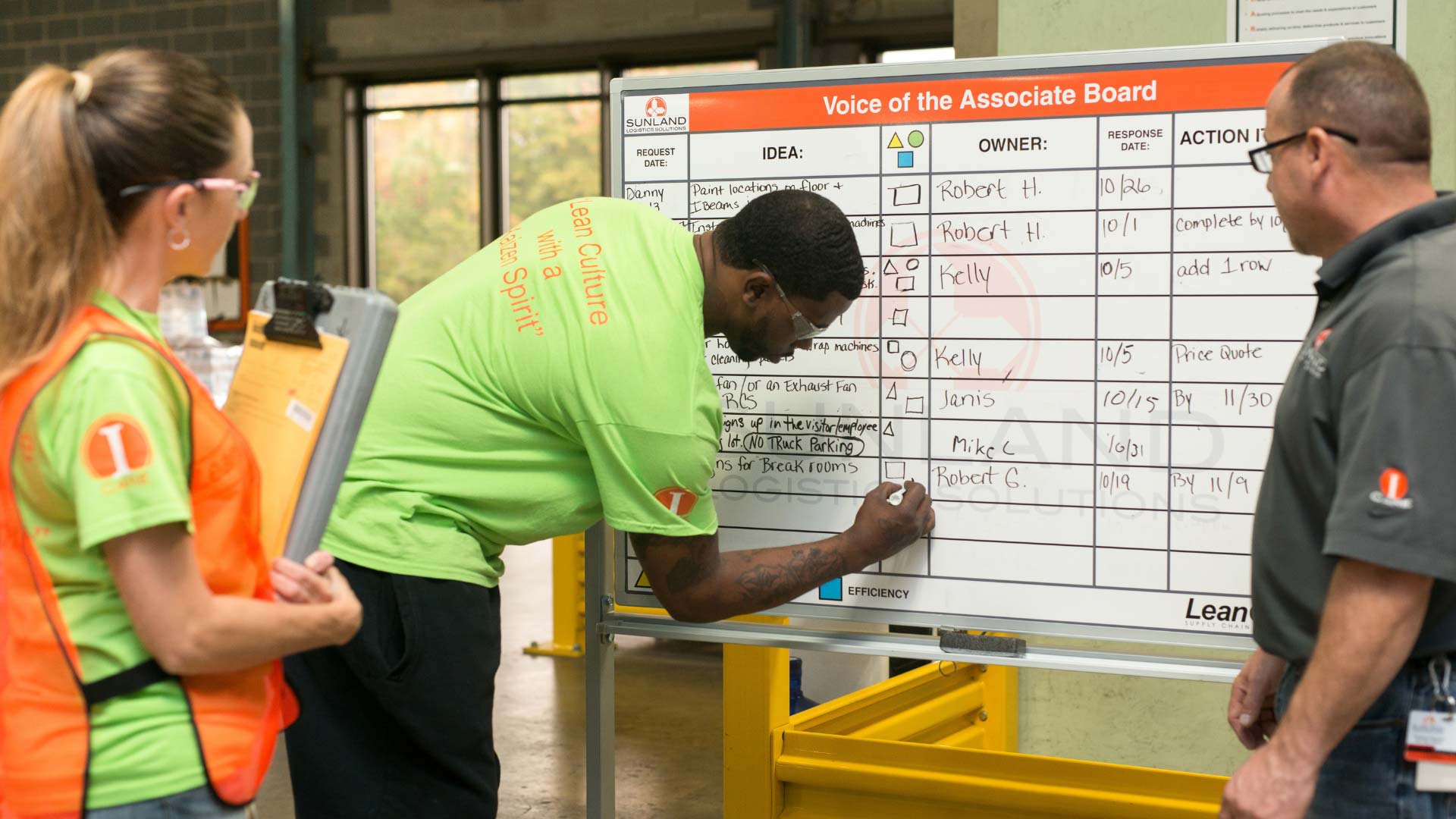
A logistics buyer can copy those questions before signing anything. Request the process, visit the floor and meet the people responsible for exceptions. That is a useful way to judge Sunland, another 3PL or your own operation. The warehouse may look ordinary. What happens when somebody says something is wrong deserves closer attention.