On Interstate 45, between Dallas and Houston, a car moved out of the middle lane and stopped on the shoulder. A Kodiak autonomous truck responded by changing lanes to give it room. Sensible enough. Except it moved over later than its engineers wanted. The revealing detail was not the lane change. It was what happened afterward: the engineers got to drive that moment again.
- Applied Intuition sells tools for testing machines, software for running vehicles, and autonomy systems.
- Its customers build cars, trucks, heavy equipment and defense systems.
- The practical trick: turn an encounter into an experiment, then repeat it.
The car on the shoulder
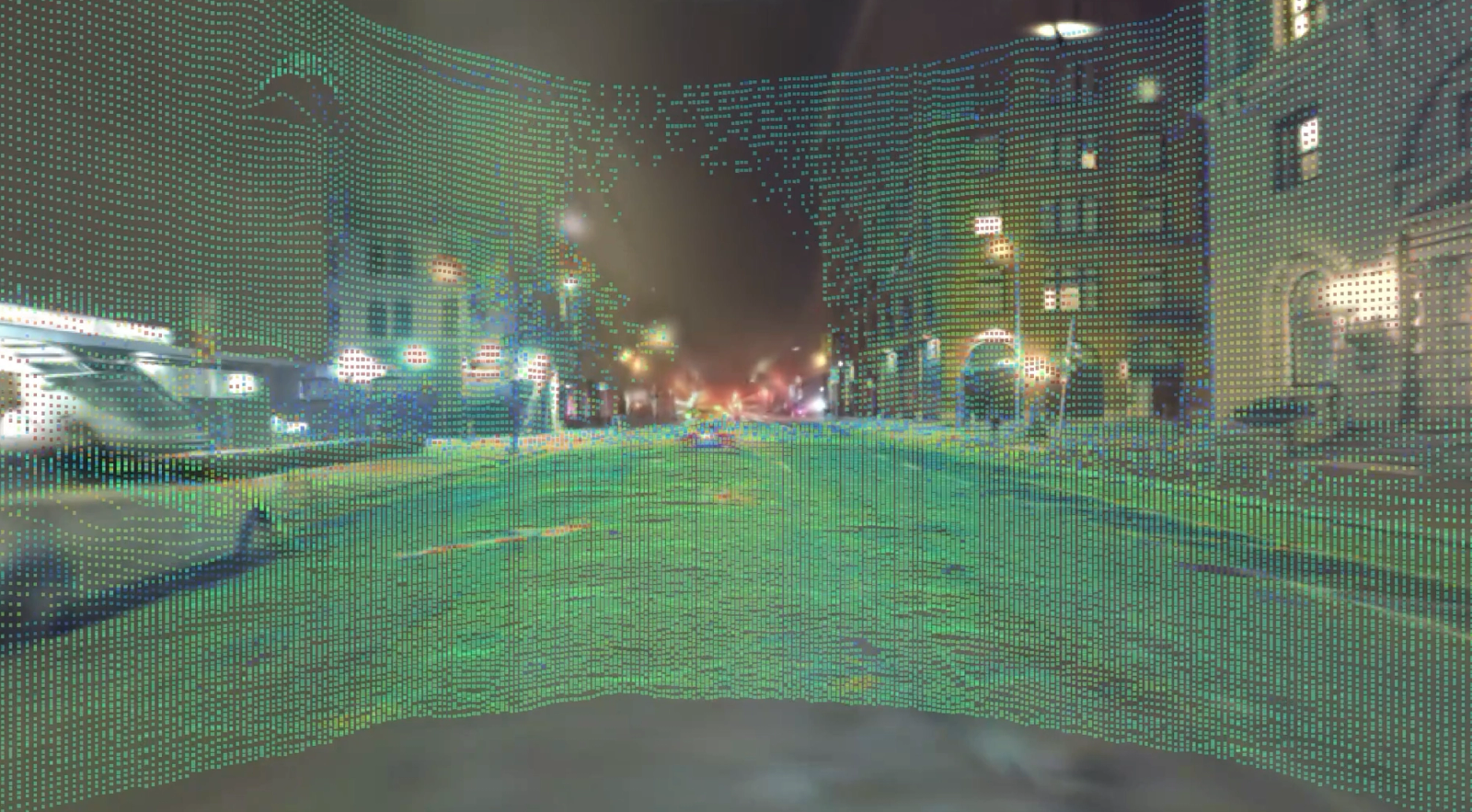
Kodiak traced the delay to long-distance perception. Its system had not incorporated distant measurements well enough to notice the maneuver early. Using Applied Intuition, the team reconstructed the encounter from recorded driving data, improved perception, and tested the changes repeatedly. It could also vary the environment, including turning day into night. The car on the shoulder had become a laboratory specimen.
This is an unusually clear answer to an unusually vague question: what does a vehicle intelligence company actually do? Applied Intuition helps engineers create controlled encounters for software that must survive uncontrolled ones. A rare event on a highway becomes something a developer can inspect, alter and rerun. The road, ordinarily a rather uncooperative research assistant, finally takes instructions.
Kodiak explained that it chose the supplier rather than spend millions building its own simulation platform. That establishes the economic choice, though it gives no purchase price. Buying tools lets an autonomy team concentrate on driving behavior instead of maintaining another engineering business inside its own.
A supplier with Detroit in its bones
Applied Intuition was founded in 2017 by Qasar Younis and Peter Ludwig. Younis had worked at General Motors and Bosch, founded a startup acquired by Google, and served as Y Combinator’s chief operating officer. Ludwig’s Google work included Maps and Android Automotive. Both knew something about the awkward marriage of software and machinery.
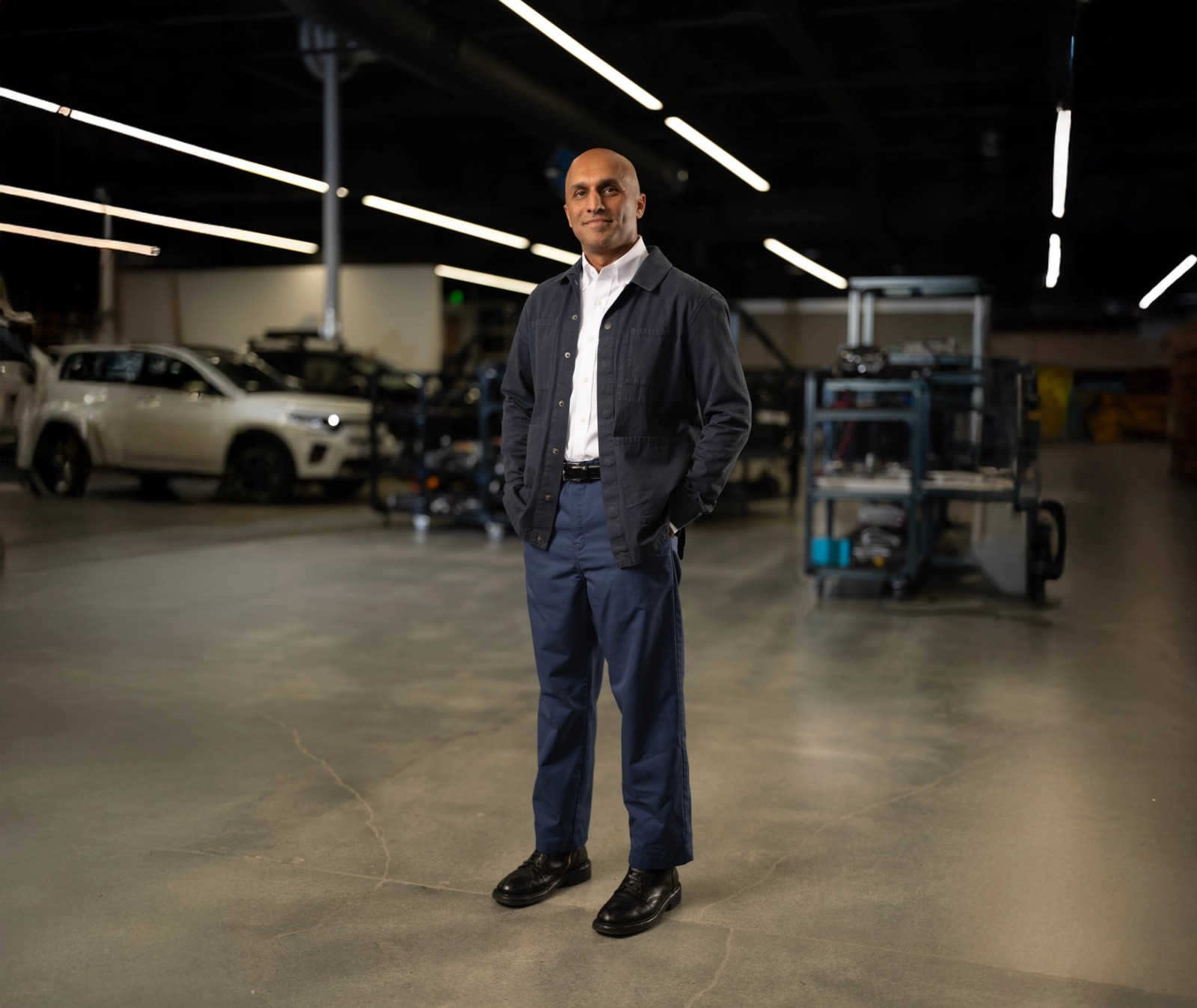
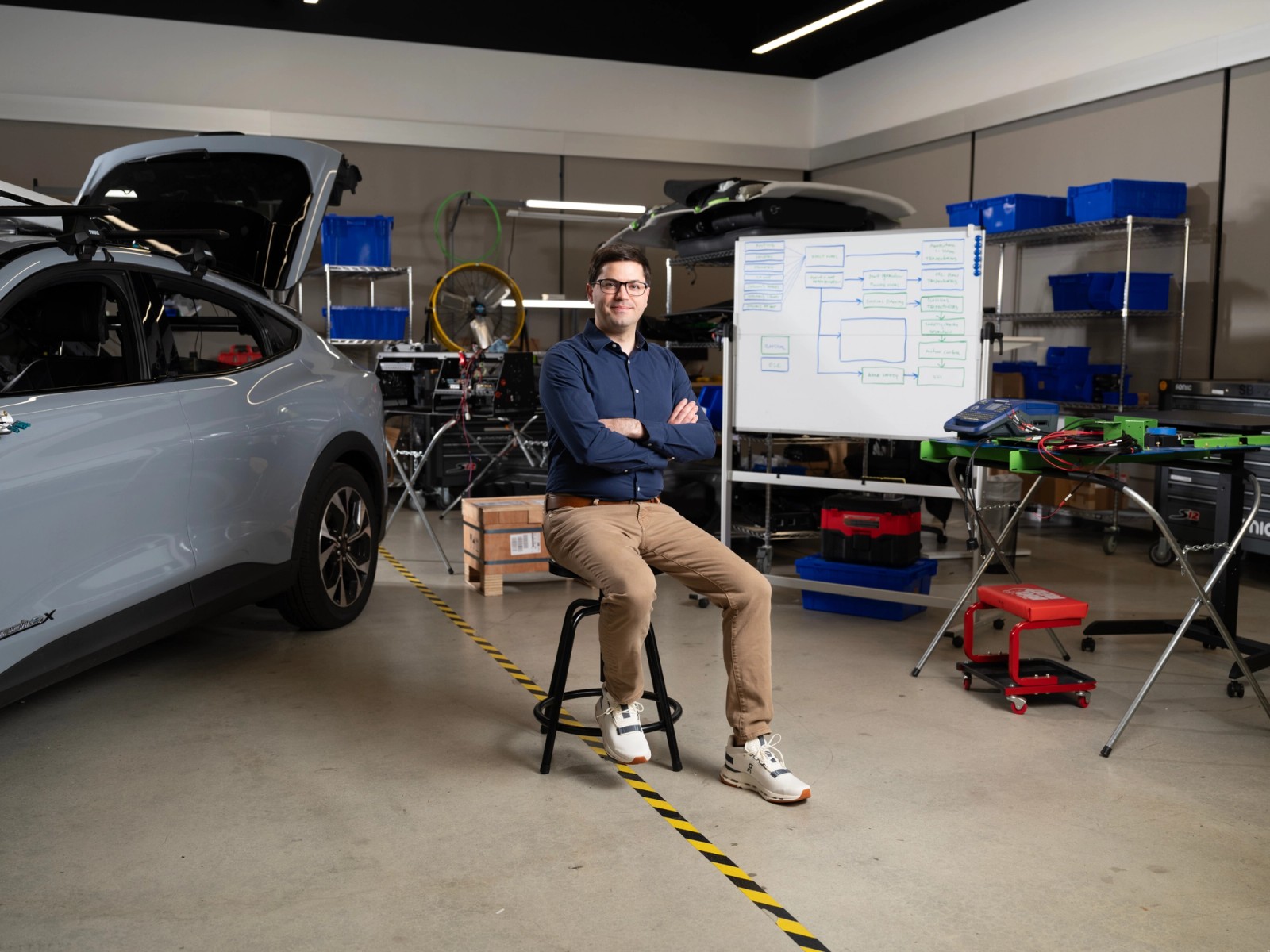
They had earlier considered a robotaxi startup. Younis told First Round that Paul Graham’s skepticism helped interrupt that plan; he took a job at Y Combinator instead. When the founders reunited, they chose tools useful across autonomy programs. They did not know which vehicle or company would win. Selling engineering infrastructure gave them a reason to work with many contenders.
The distinction matters. A robotaxi company must make a transport service work. A tooling supplier must make its customer’s engineering work. Applied Intuition can sell into passenger cars, commercial trucks, mines and defense programs without requiring all those markets to arrive at autonomy on the same Tuesday.
From rehearsal room to operating system
The present offering has three substantial layers: Tools for Vehicle Intelligence, Vehicle OS, and the Self-Driving System. The tools cover data and simulation workflows. Vehicle OS supplies operating-system software and development infrastructure. The self-driving offering brings autonomy capabilities to machines. Customers can therefore buy help with developing a system, running a vehicle, or making it act.
Nissan provides a tidy illustration of that expansion. It began using Applied Intuition’s simulation technology in 2020. On October 6, 2026, the companies announced work involving Vehicle OS and AI-native development tooling. A supplier that helped examine vehicle behavior was being invited further inside the vehicle’s software architecture.
Honda announced its own partnership the same day. Applied Intuition would contribute Vehicle OS and software expertise to Honda’s in-house platform. Honda emphasized retaining control over its architecture and software direction. That is a consequential selling point: manufacturers want software speed without handing their product identity to a supplier.
This is enterprise software, with engineering relationships attached. Foretellix offers overlapping data, training and validation capabilities; NVIDIA and Ansys appeared in an early competitive tooling procurement described by Younis. Applied Intuition’s proposition is its span across testing, operating systems and autonomy. Breadth is useful when those jobs need connecting. It does not make every competing tool obsolete.
The expensive part is often the missing signal
Consider a less glamorous problem than autonomous driving: a file that exists but is unsuitable for testing. Applied Intuition’s April 2026 engineering account describes braking-test resimulations failing because logs contained missing signals, empty windows or absent required data topics. Successful uploading had been mistaken for usable input.
The team moved quality checks to ingestion, measured data presence and continuity, and recovered valid intervals around gaps. The reported representative batch went from 73% failures to 3%. These are bounded test results, not a promise about every customer. The lesson is portable: check whether the input meets the experiment’s requirements before paying to run the experiment.
There is a boundary to the bargain. Kodiak acknowledges that synthetic sensor data does not perfectly represent reality. A replay must first reproduce the observed behavior convincingly; otherwise changing the model may merely improve the fiction. Representative data, sensor fidelity and physical validation remain essential. A simulation can make evidence cheaper to gather. It cannot excuse poor evidence.
A larger bet, with the same old test
In June 2025, Applied Intuition announced a $600 million Series F and tender-offer transaction at a $15 billion valuation. The wording matters: a tender offer buys existing shares, so the headline amount is not simply new money for operations. Its March 2024 Series E had valued the business at $6 billion.
The expansion includes defense: its February 2025 EpiSci acquisition added tactical autonomy expertise. In July 2026 it launched Dana, an agentic platform connecting development tools, data and evaluation, with Isuzu and Komatsu among early users. The ambition has moved well beyond simulated roads.
“Move fast, move safe”Applied Intuition’s published values
Its published culture pairs that instruction with technical mastery, cost consciousness and laughter. The combination is appealing, but customers have a plainer test. Can the software reproduce a problem, expose its cause and help fix it? The truck on Interstate 45 supplies an answer at human scale. A machine noticed something late. Engineers found out why. Next time, it noticed sooner.