d2c
(399)
IVB gives students a year to build a business. And ₹1 lakh to begin.
At Chennai’s Institute of Venture Building, the timetable moves from classrooms to companies to a startup of your own. The intriguing part is how much of college it asks students to leave behind.
Bik.ai and the Expensive Art of Knowing Who Will Pay
Bikayi helped small sellers get online, then discovered that serving them at scale required too many human hands. Its successor, Bik.ai, sells software to brands that already have customers - and conversations worth automating.
She Bet $25,000 on Period Underwear. Ruby Love Turned an Awkward Problem Into a $25 Million Business
Crystal Etienne’s first investor emails disappeared into silence. So she used her savings, found customers through search, and built a period-apparel brand around one useful idea: protection should fit into life, not interrupt it.
The App That Gave Away Free Phone Numbers Until a $15 Million Buyer Came Calling
textPlus built a business on the one thing carriers refused to give away: a phone number. Fifteen years and 150 million downloads later, Truecaller wrote the check.
The Last AA You'll Ever Buy
A Park City company put a USB-C port on the side of a AA battery. Its bet: you'll buy one, then never buy that battery again.
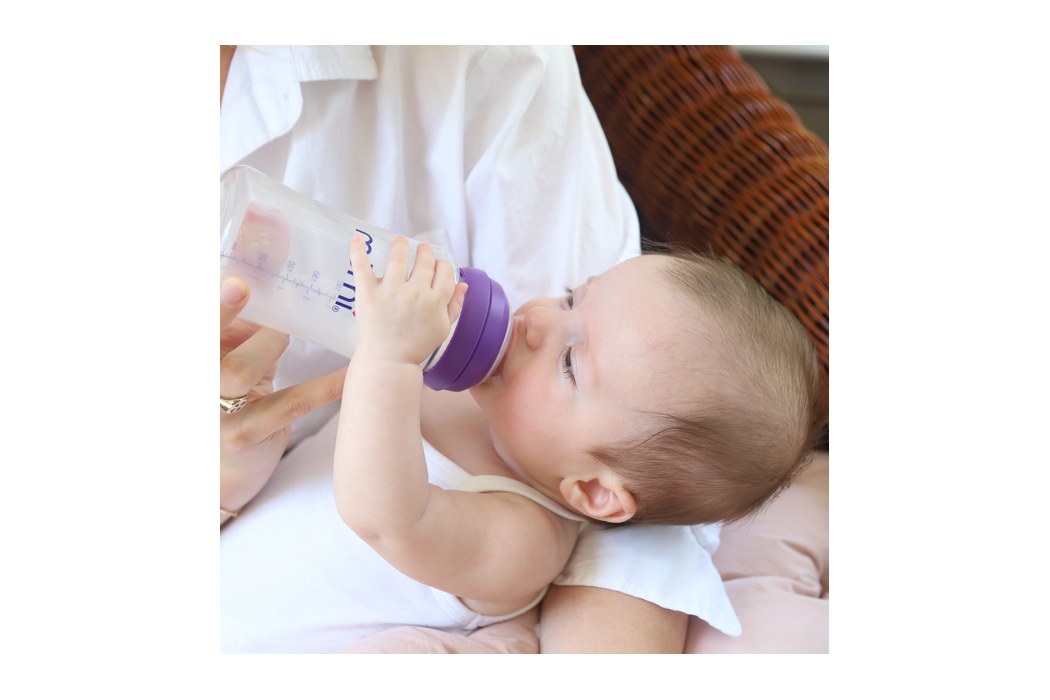
The Bottle That Works Like a Mom, From a Team That Ran Medela
A former Medela executive and a Harvard-MBA operator spent more than a decade re-engineering the baby bottle. The pitch is simple: make the bottle behave like the breast so babies stop refusing one for the other.
The company selling solar the way Netflix sells movies: no download, just a monthly bill
Rooftop solar has always been sold like a mortgage: big money down, decades of commitment. Terra Energy sells it like a phone plan instead - $0 upfront, a three-year term, and up to half off the power bill from day one.
The Mom Who Turned a Garage Full of Pots Into 1,300 Stores
Blaine Butler started making plant pots in her garage to feel better. Nine years later her matte-colored planters sit in 1,300 stores - and a Bloomingdale's or two.
The Family That Sold You a $30 Sonic Toothbrush on QVC Built an 800-SKU Empire on 28th Street
A New York distributor that has been putting brand-name electronics on American shelves since 1971 quietly built its own affordable wellness label - and it is still run by the same family.
The Wearable Pump That Freed Moms From the Wall Outlet
How a Shenzhen startup built the world's best-selling wearable breast pump, then turned one gadget into a whole aisle of motherhood.
The Startup That Turned Dinner Into a Barcode
A smart oven, a weekly box of meals, and one deceptively simple idea: let a barcode do the cooking. Here is how a University of Chicago class project shipped 40 million dinners.
The Doctor Who Sewed Her Way Out of a Sleepless Night
A family doctor could not fall back asleep after 3 a.m. patient calls. Regular headphones hurt, earbuds fell out, so she built a pillow-friendly pair - and turned a kitchen-table fix into a global sleep-tech brand.
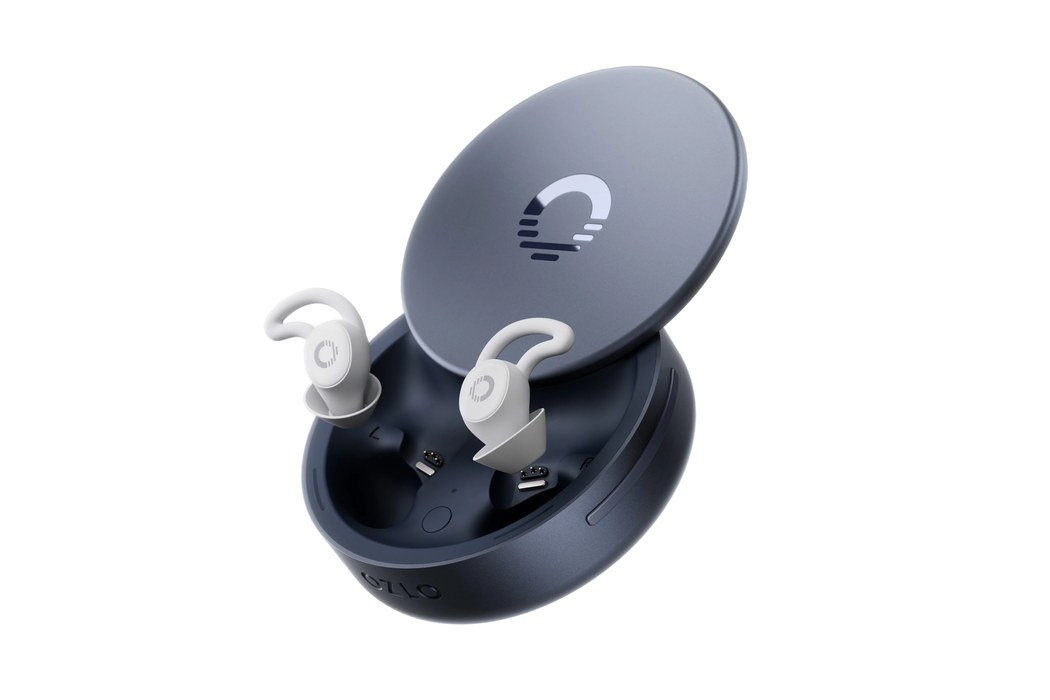
The Bose Engineers Who Refused to Let Sleepbuds Die
Bose discontinued its beloved Sleepbuds in 2020. Three of the engineers who built them bought the idea back, raised roughly $28M, and rebuilt it as a sleep-data company hiding inside a pair of earbuds.
Beuhi Built a Home Candy Factory for the Edibles Generation
A New Jersey team wants a machine that presses out infused gummies, chocolates, and hard candies - your botanicals, your dose, about forty minutes - in every kitchen. Here is the pitch, and where it gets complicated.
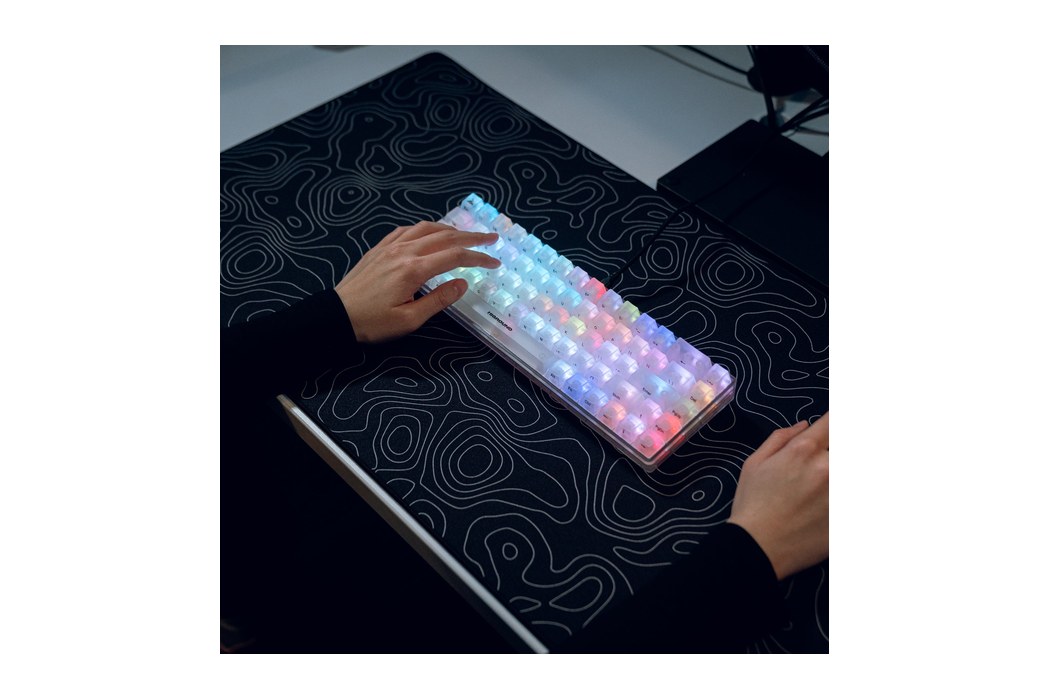
The Keyboard Company That Sells Out in Ten Minutes
Gamers were covered in dripping fashion and typing on basic black plastic. Two collectors decided that gap was worth a brand - and turned mechanical keyboards into a drop culture.
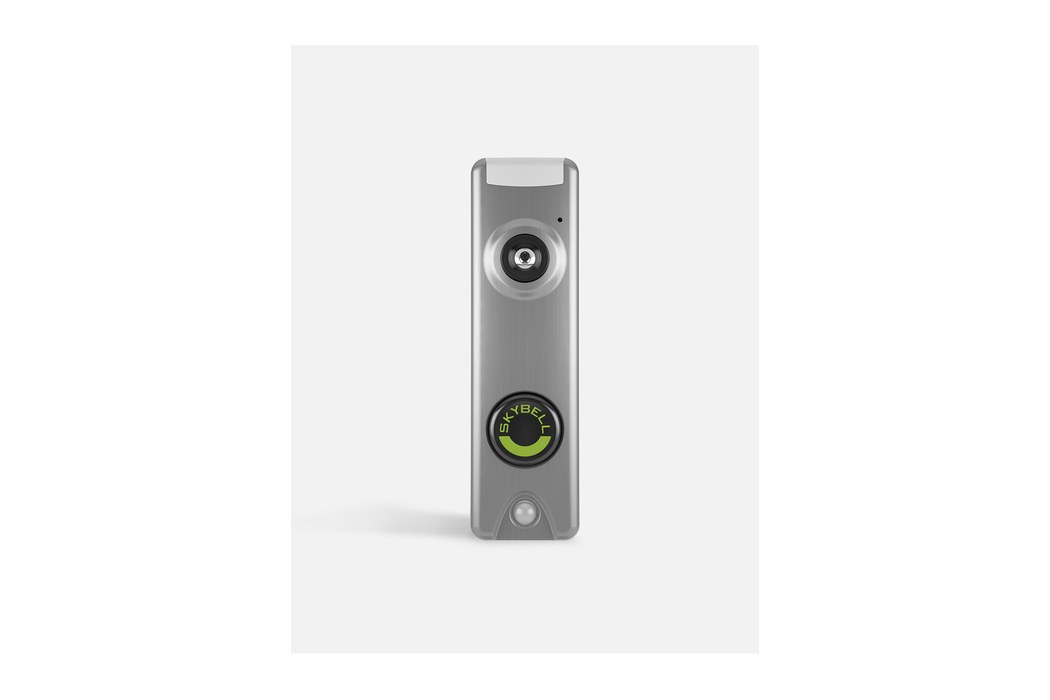
The Doorbell That Rang Before Ring
It crowdfunded $600K, out-patented its rivals, and put two million cameras on America's doorframes - then Amazon bought Ring and everything about the doorbell wars got louder.
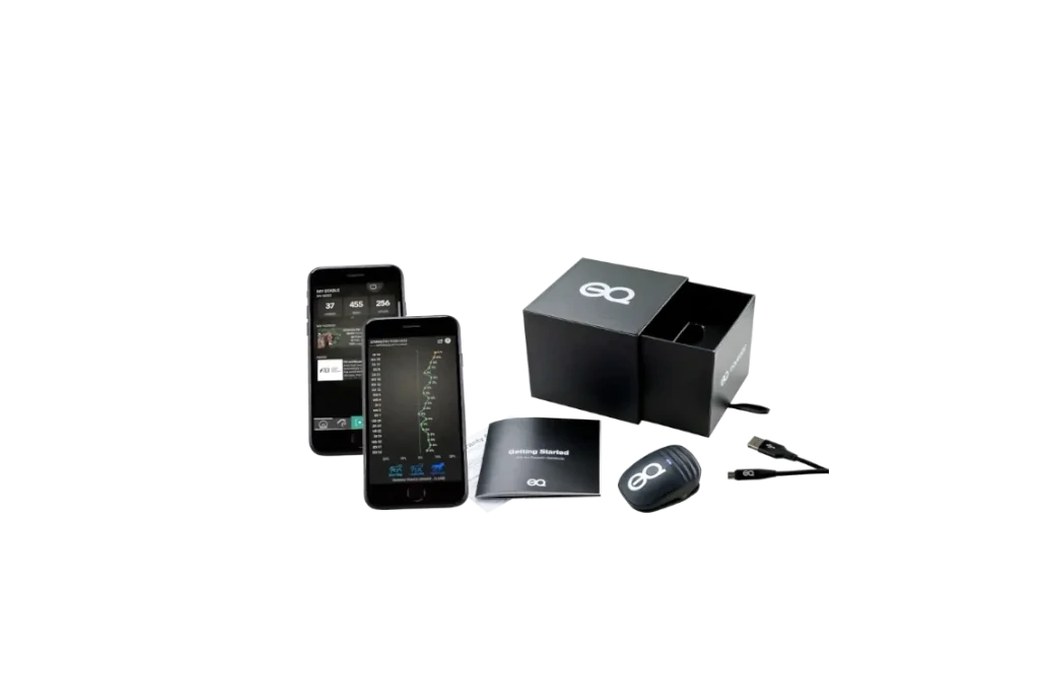
The Startup Teaching Horses to Talk Back
A horse can't tell you its left hind is off. Equestic's SaddleClip listens to the gait instead - and riders in 65 countries are now training to what the data says.
The Headphone Company That Bet You Would Rather Hear the Traffic
While the rest of the audio world raced to seal your ears shut with noise cancellation, Shokz built a business on the opposite promise - keep them open, and let people hear the world they are moving through.
The Swiss Company That Bet Everything on One Cup of Coffee
JURA quit irons, radios and toasters to make one thing - a machine that turns whole beans into a fresh cup on demand. It worked: a Swiss village factory is now a premium name in about 50 countries.
A Sister's Wedding, a Quit Job, and the App That Won't Go Free
Sharmeen Mitha-Sehgal built Appy Couple after her sister's 500-guest Mumbai wedding turned into a logistics headache. More than a decade later, it still charges couples in a market that mostly gave the software away.
The Brothers Who Turned a Free Newsletter Into a $200-a-Box Empire
Daniel and Michael Broukhim started with a free lifestyle email and a hunch that people would pay for a box of full-size stuff four times a year. A decade later, millions of members and a quiet pet-box acquisition suggest the hunch was right.
The Racecar Driver Who Made Football's Lightest Helmet - and Landed in 30 NFL Locker Rooms
Nicholas Esayian bought a bankrupt racing-helmet business from a legend, halved the weight of a football helmet, and now has Virginia Tech calling his Apache the best-rated helmet it has ever put on a crash rig.
The Basement Startup That Quietly Owns Your Air and Your Air Fryer
You have probably bought one of their products without ever hearing their name. Inside VeSync, the quiet operator behind Levoit, Cosori and Etekcity - and how a basement Amazon seller became a household fixture.
The Instant Pot Sold Millions Without an Ad. Then the Debt Cooked It.
A computer scientist built a smarter pressure cooker, sold millions on word of mouth, and watched private equity turn a viral kitchen hit into a bankruptcy case study. Here is what the Instant Pot did, what it cost, and what a founder can actually copy.
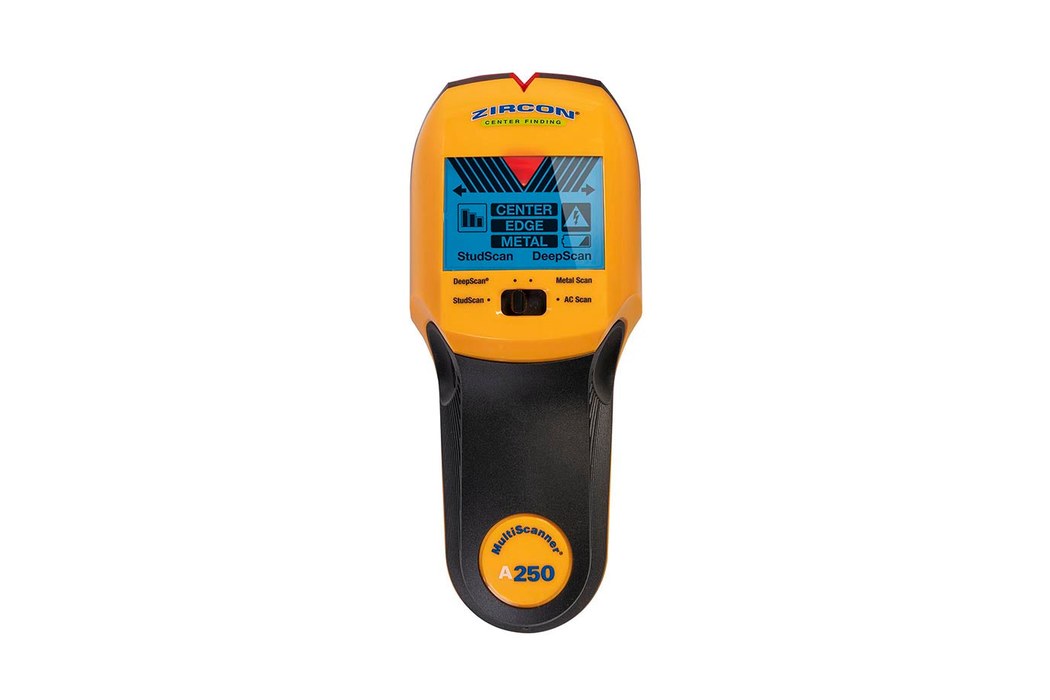
The Company That Taught a Hammer to Think
Fifty years ago, Zircon put a sensor where a knuckle used to knock. It built a business by making one boring problem - finding the stud behind the drywall - disappear.
A Baby Monitor Failed Overnight. Harbor Turned That Panic Into a $499 Bet on Boring Reliability
Kevin Lavelle's phone app crashed while his infant slept upstairs. Seven years later, Harbor is selling parents an unusually concrete promise: a dedicated screen, local video, and fewer ways for the nursery to go silent.
The Company That Sells You Peace of Mind, One Filter at a Time
AirDoctor and AquaTru turned invisible anxieties - what's in your air, what's in your tap - into a nine-figure consumer business. Here's how a direct-response veteran built it.
The Flashlight That Refused to Leave California
Anthony Maglica turned $125 and a used lathe into an American icon - and then spent five decades refusing every reason to move the factory offshore.

The Oregon Family That Taught the iPod to Swim
A college junior figured out how to drown-proof an iPod, sold it to swimmers, and built a niche electronics brand in Oregon around one stubborn problem: Bluetooth does not work underwater.
The Garage Company That Won the Dashboard
Roger and Scotia Alves started Scosche in a garage with a car-audio how-to book. Four decades later, three generations of the family run the brand that put a magnet between your phone and your dashboard.