In 2010, before the phrase "subscription box" meant anything to most people, two brothers in Los Angeles were writing a free daily email about beauty, fitness, and lifestyle. It had a name that read like a checklist: Fab, Fit, Fun. There was no product to sell, no warehouse, no box. There was an audience - and a suspicion that the audience was worth more than the ad revenue it generated.
That suspicion became FabFitFun. Three years after the newsletter launched, Daniel Broukhim, his brother Michael, and editor Katie Rosen Kitchens started shipping a physical box of full-size products to subscribers. The first one, in Spring 2013, sold out in about a week. The company has spent the decade since turning a media habit into a shopping habit - and, along the way, building one of the largest full-size subscription programs in the beauty and lifestyle category.
The ProductWhat you actually get in the box
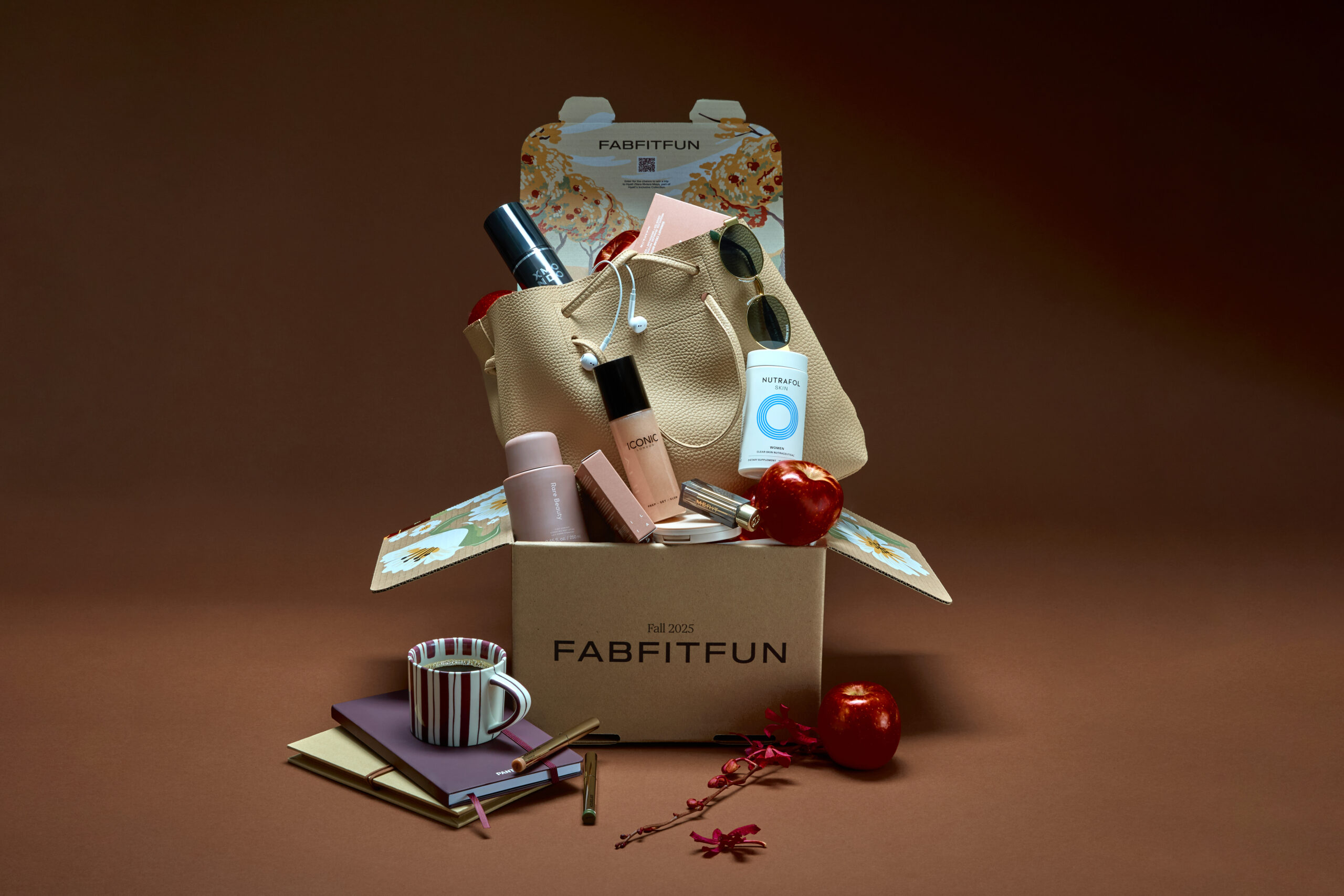
The core product is deceptively simple. Four times a year - once per season - a member receives a box containing six to eight full-size products spanning beauty, wellness, fashion, fitness, and home. Membership runs around $55 for a single seasonal box, or roughly $220 for an annual plan. The pitch that made it work: the contents are typically valued at $200 or more. You pay for one thing and open a box worth several times the price.
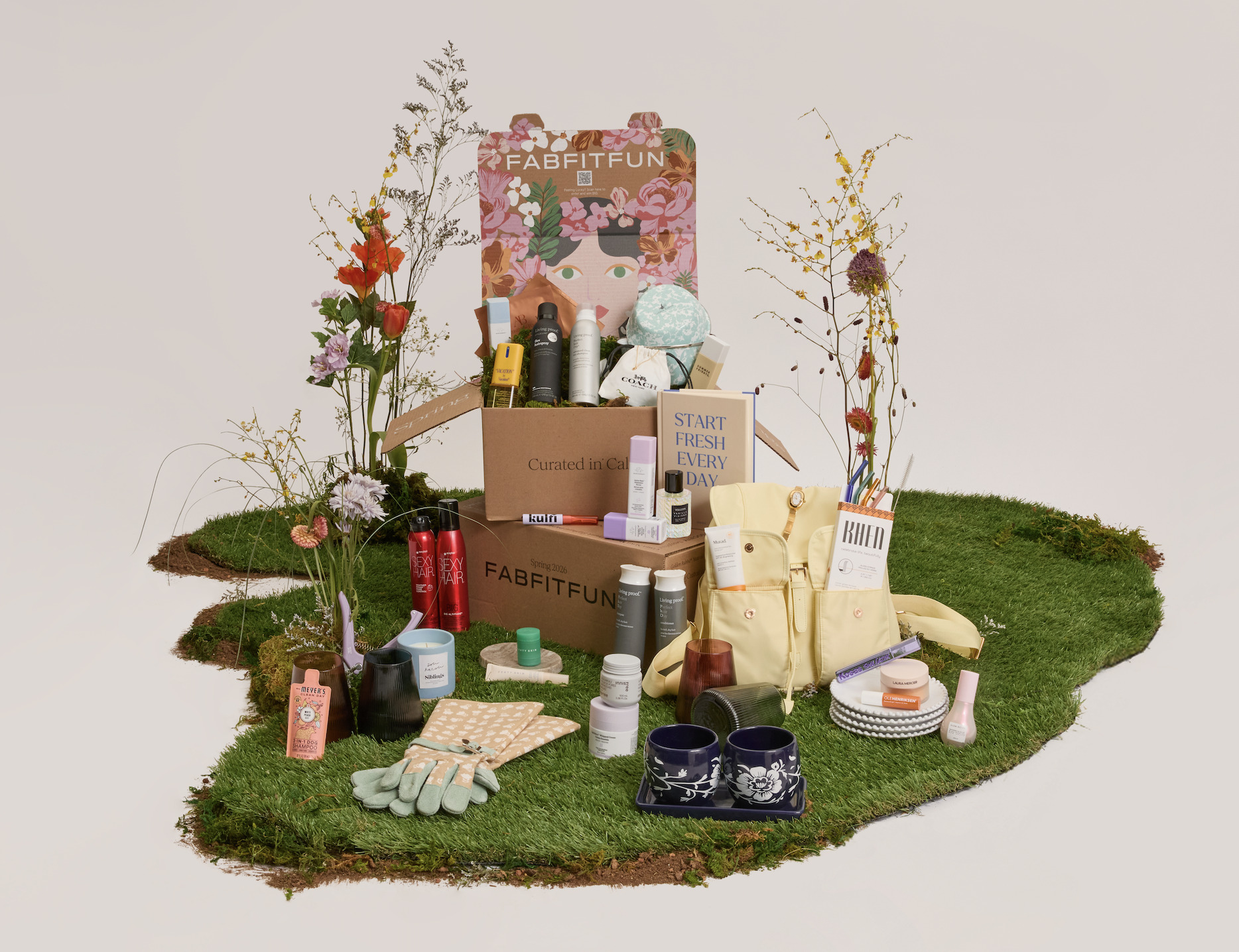
Where most competitors leaned on the surprise of a curated grab-bag, FabFitFun leaned the other way. Members can customize what they receive, hand-picking items across categories - annual members get the most control. The company frames the box as discovery with a safety net: you find new brands, but you also choose enough that the box rarely disappoints. Michael Broukhim once described the experience as "a personal shopper crossed with a life coach."
The audience is specific and, for the model, ideal. FabFitFun's members skew heavily toward women shopping for beauty, wellness, and lifestyle products, and they tend to stay - the box arrives on a predictable seasonal rhythm, the customization keeps the contents relevant, and the value gap between price and product does the persuading. The company reached 1 million subscribers in 2018 and was reported at roughly 2 million members by 2021. It is a base large enough that inclusion in a box is itself a distribution channel brands compete for.
The Contrarian BetQuarterly and full-size, when everyone else went monthly and mini
The subscription-box boom of the 2010s mostly ran on one format: a small monthly box of sample-size or deluxe-mini products. Birchbox built the template; Ipsy and BoxyCharm scaled it. FabFitFun made a different call on two axes at once - ship quarterly instead of monthly, and ship full-size instead of samples.
The logic is straightforward once you see it. A quarterly cadence means fewer shipping and fulfillment cycles, a bigger perceived event each time the box lands, and a higher price point per shipment. Full-size products change the emotional math too - a member isn't testing a serum, they're stocking their shelf. By 2018, that combination had pushed FabFitFun to among the highest quarterly sales in the category.
Content To CommerceThe part everyone forgets
FabFitFun is remembered as a box company, but it spent its first three years as a media company. The newsletter, and later the website and video, built an audience that already trusted the brand's taste before a single box shipped. That order - audience first, product second - is why the debut box could sell out in a week. The company was not launching to strangers.
That editorial DNA never fully left. Katie Rosen Kitchens stayed on as Editor-in-Chief, and the company kept producing lifestyle content, eventually building out FabFitFunTV, an on-demand library of wellness and fitness videos for members. Content was both a marketing channel and a retention tool: a reason to open the app between boxes.
The Hard YearCutting FFF TV, weeks before a delivery boom
In February 2020, FabFitFun laid off about 137 people - roughly 20% of a staff near 600 - and shut down its in-house TV production team to streamline the core box business. It was a blunt refocusing. Then, within weeks, the pandemic sent home-delivery demand surging across the entire subscription category. The timing of the cut, painful as it was, left the company leaner going into a period when boxes-to-your-door became newly essential.
The same stretch saw the company raise around $100 million in debt financing in early 2020, on top of its $80 million Series A the year before. That Series A, led by Kleiner Perkins with participation from earlier backers NEA and Upfront Ventures, arrived while the company was reportedly cash-flow positive - a rarer thing among venture-backed consumer brands than the headlines usually admit.
The ModelHow a $55 box makes money
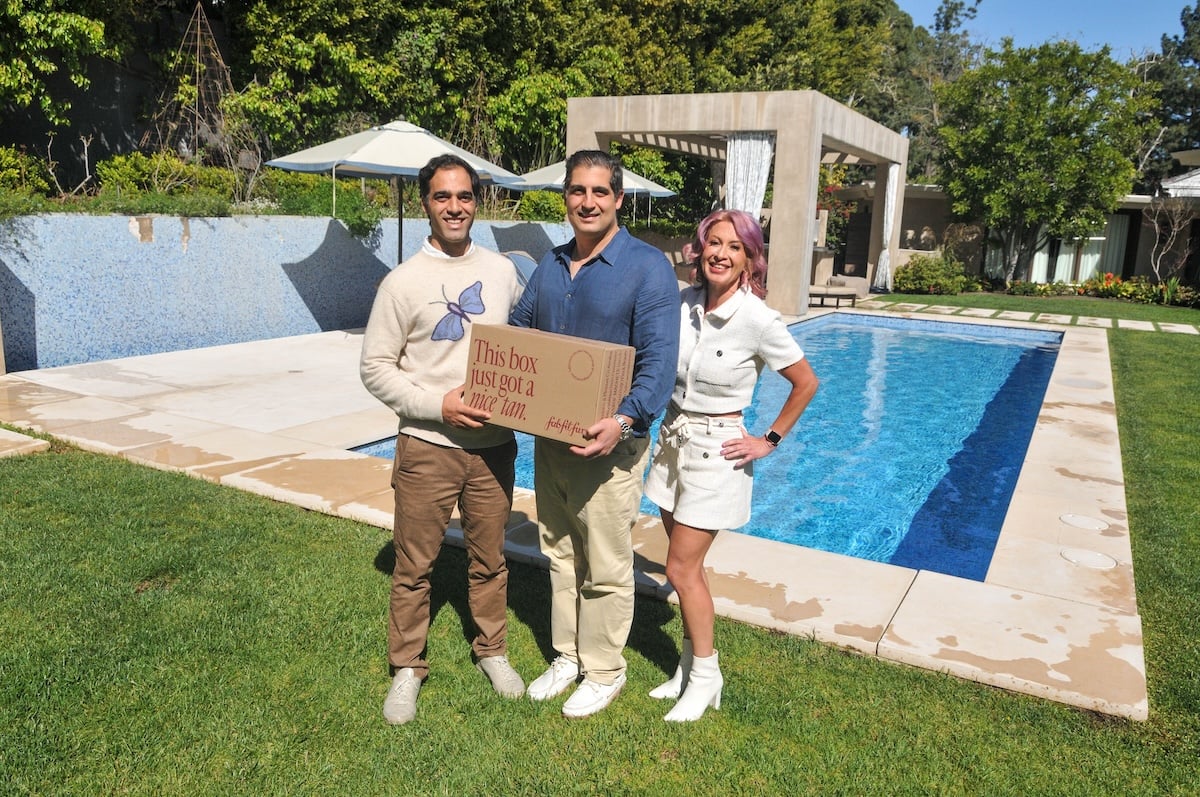
Subscription revenue is only half the machine. The other half is the ecosystem FabFitFun built around the box. There's the seasonal Add-Ons shop, where members buy extra discounted products - now more than 1,500 items a season. There are member-only flash sales, the Edit Sale, with steep discounts. And there's the leverage the box itself creates: brands pay, in product and marketing terms, for access to a large, engaged, opted-in audience of buyers. A quarterly box becomes an always-on store.
The curation also became a trust asset. In 2018 the company published the FabFitFun Standard, a list of prohibited ingredients that box products must avoid - a clean-beauty stance staked out before "clean beauty" was a mainstream marketing category. It's a small thing that does real work: it tells members someone is filtering on their behalf.
Underneath all of it runs a data-and-logistics operation that rarely gets the spotlight. Curating six to eight items across five categories, four times a year, for millions of members who each customize their own box, is a merchandising and fulfillment problem before it is a marketing one. The company reads customer reaction closely and feeds it back into what gets sourced next season - the "north star" the founders keep describing. The expertise isn't only in choosing nice things; it's in choosing them at scale and getting them to the right doorsteps on schedule.
What's NextThe box learns a new trick
In March 2024, FabFitFun acquired PupBox, a monthly dog subscription box, from Petco. It was the company's first move outside its core women's-lifestyle audience and into the pet category. The logic tracks with everything else the company has done: once you own the recurring shipping habit and the member relationship, a new category is closer to a new SKU than a new business. "We've noticed demand from our members for more pet offerings," Daniel Broukhim said of the deal.
Where FabFitFun sits in the market is clear enough. It competes with Ipsy, BoxyCharm, Allure Beauty Box, and Sephora Play on beauty, and reaches toward the lifestyle territory of Stitch Fix. But its position is defined less by any one rival and more by the format it committed to early: fewer boxes, bigger boxes, full-size, customizable, wrapped in content. It turned a free newsletter into a shipping calendar people plan their seasons around.