The Flashlight That Refused to Leave California
Anthony Maglica turned $125 and a used lathe into an American icon - and then spent five decades refusing every reason to move the factory offshore.
In 1950, a machinist stepped off a boat into Southern California with almost no English and a plan that sounded naive even then: build things, in America, and refuse to stop. He saved about $125, put it down on a used metal lathe, and started turning precision parts in a garage. Twenty-four years later he incorporated the shop as Mag Instrument. Five years after that, he shipped a flashlight. Today the Maglite is one of the most recognizable American-made objects on the planet - and it is still built in a single factory in Ontario, California.
The man is Anthony "Tony" Maglica, born in New York City in 1930 and raised on the Croatian island of Zlarin before returning to the United States as a young adult. The company he built does something increasingly rare in consumer hardware: it designs, machines, and assembles its products domestically, and it has done so continuously since 1979. Most flashlight makers chased the lowest possible unit cost overseas. Maglica went the other way, and the whole business is an argument about whether that choice can still pay.
A machine shop that stumbled into an icon
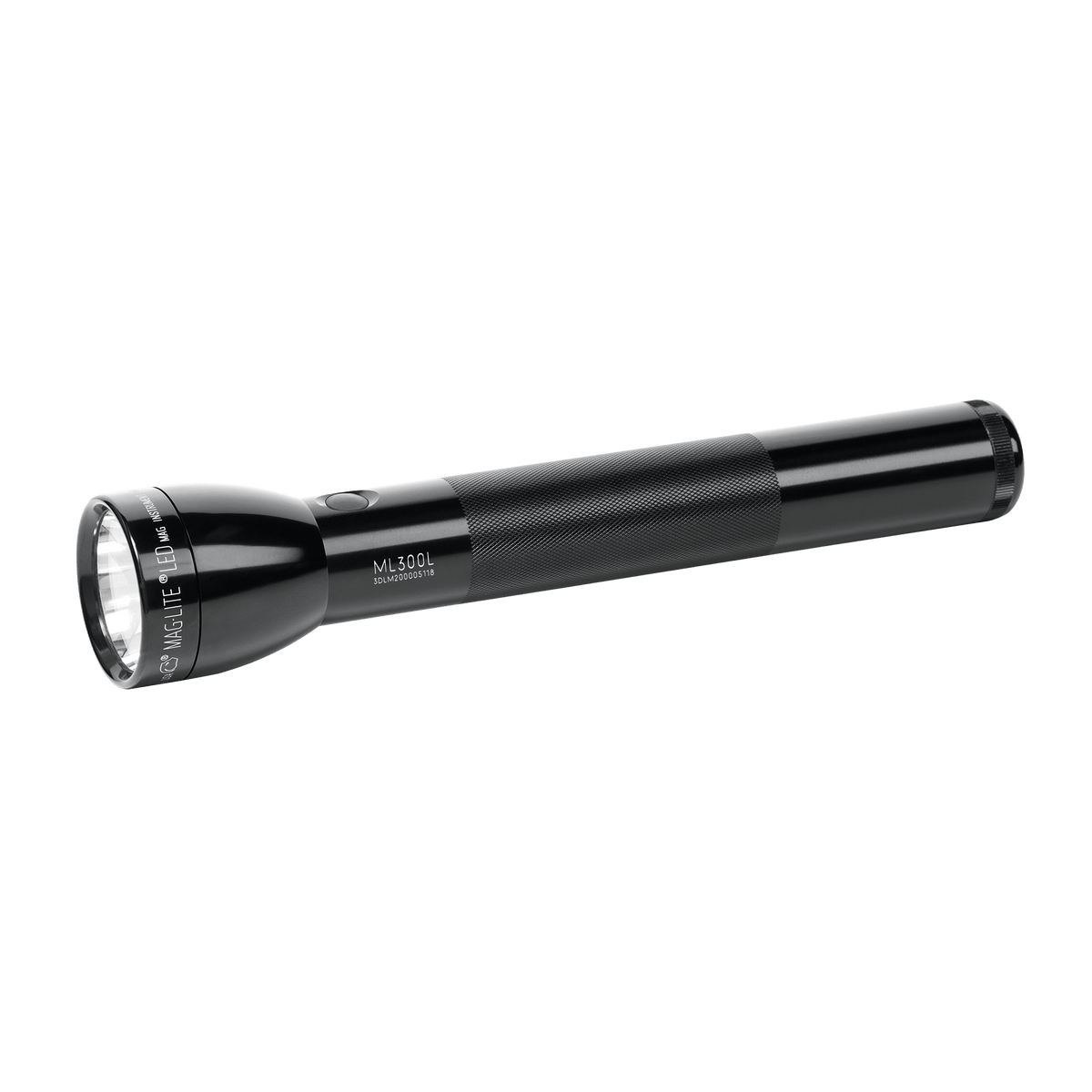
Mag Instrument did not begin as a flashlight company. For its first two decades it was a precision machine shop, cutting components for industrial, aerospace, and military customers. That heritage matters, because it explains why a Maglite feels the way it does. The barrel is knurled, anodized aluminum. The focus adjusts by twisting the head. The tolerances are tighter than a commodity flashlight has any business being. When Maglica finally turned that machining expertise toward a product of his own in 1979, he treated a throwaway category - the flashlight - like it was aerospace hardware.
The result landed first with public-safety buyers. The full-size Maglite was heavy, focusable, and tough enough to survive being dropped, thrown, or - as more than a few officers noticed - swung. It became standard-issue duty gear for American police departments through the 1980s, which did something clever for the brand: it turned the flashlight into a credential. If it was good enough for a cop's belt, it was good enough for your glove box.
The product that was almost too good
In 1984 Maglica shrank the idea. The Mini Maglite AA put the same twist-focus beam into something you could clip in a shirt pocket, complete with a spare bulb hidden in the tail cap and a "candle mode" that stood the light on end. A AAA version followed in 1987, and in 1988 came the Solitaire, a single-cell keychain light barely longer than a lighter. The Mini Maglite became one of the best-known flashlights ever made.
Here is the quiet paradox at the center of the company: the products are durable enough that customers rarely need a second one. A Maglite is not a subscription. It is not designed to fail on schedule. That is wonderful for the buyer and complicated for the seller, and it forced Mag Instrument to grow the way heritage tool brands do - on reputation, gifting, replacement of lost units, and steady expansion into new categories rather than on churn.
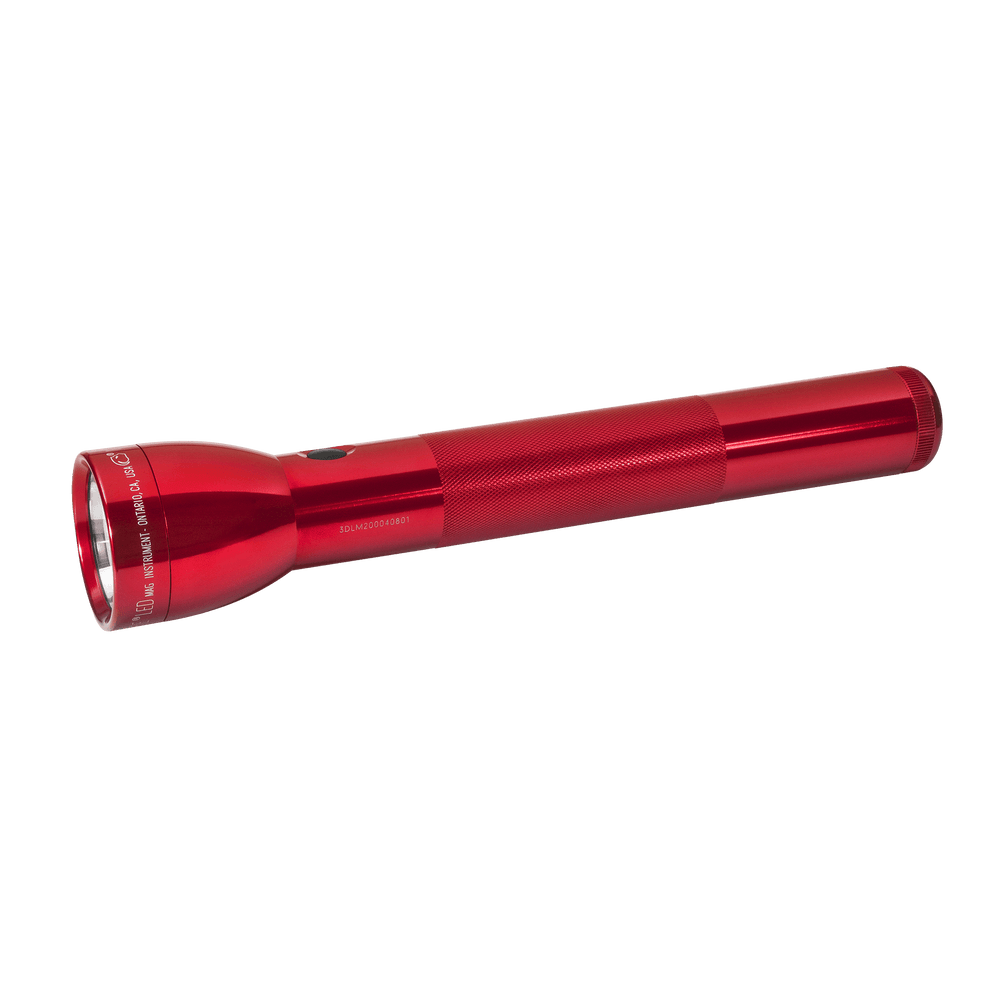
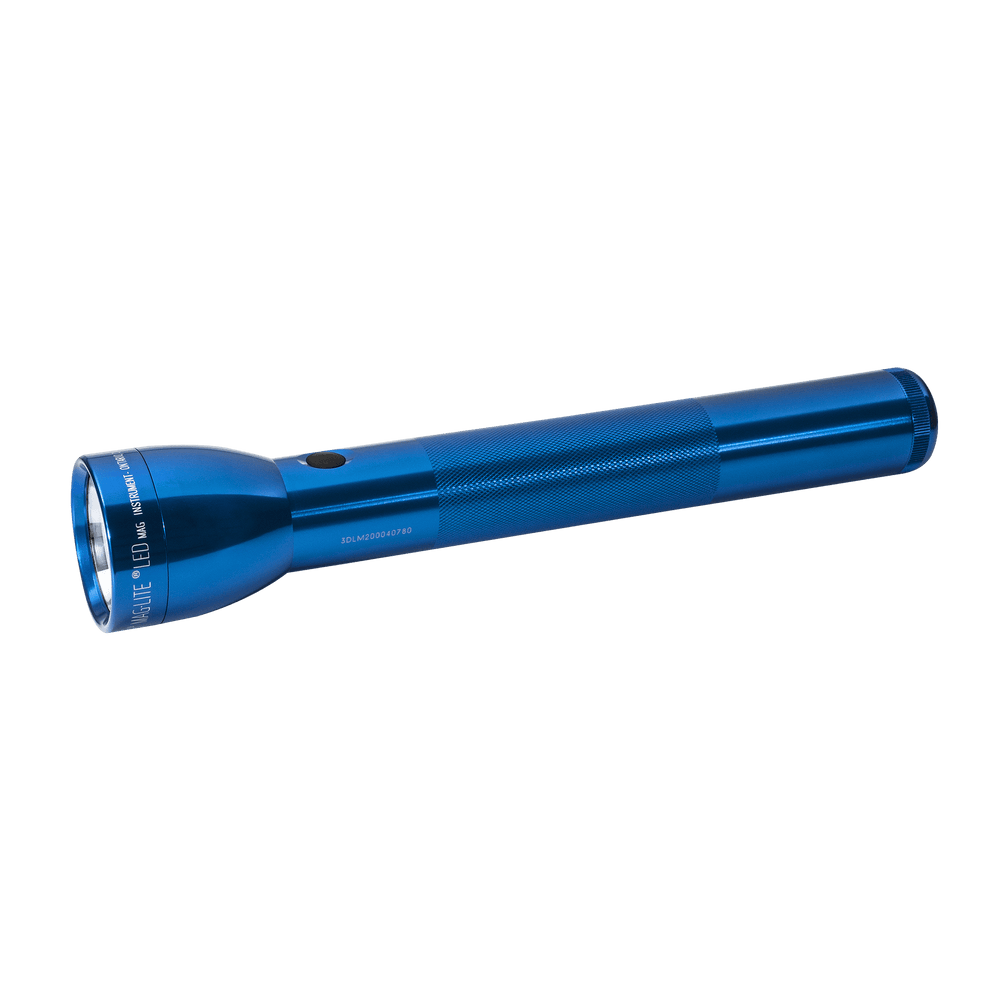
Same machined body, different mood. Color finishes and custom engraving turned a utility object into a giftable one.
Made in USA as an operating system, not a sticker
Plenty of brands print "Made in USA" on a box. Maglite built an entire cost structure around it. The company's Ontario campus spans more than 700,000 square feet of factory, office, and distribution space, and at its peak Maglica has cited a workforce of more than 800 American workers. When suppliers of the parts he needed ran into trouble over the years, he did not switch to imports - he bought the failing companies so the components would keep being made domestically. That is vertical integration as a matter of principle, not just efficiency.
Approximate, illustrative. A small rubber ring and imported bulbs are the cited reasons the flashlights can't claim an unqualified "100% Made in USA."
That last detail is almost too on-the-nose. A tiny O-ring and some imported bulbs are enough, under strict labeling rules, to keep Maglite from stamping an unqualified "Made in USA" on a product that is otherwise about as American-made as consumer hardware gets. The company has fought over the label - a reminder that domestic manufacturing in California is as much a regulatory and legal posture as a factory-floor one.
The lawsuit he won by not taking the money
Maglica's instinct for the unconventional shows up in how he defended the brand. When cheap knockoffs of the Maglite flooded U.S. retailers in 1984, Mag Instrument sued and won. Instead of collecting a cash judgment, Maglica reportedly made the retailers buy five genuine Maglites for every counterfeit they had sold. He turned a legal victory into a distribution deal - and put more real product in stores in the process.
Where it sits in the market now
The flashlight world Maglite helped define has gotten crowded and technical. Tactical specialists like SureFire and Streamlight court professionals; enthusiast brands like Fenix and Olight chase lumen counts and rechargeable convenience; drugstore names like Energizer and Duracell own the impulse aisle. Maglite competes across all of it with a modernized lineup - the ML300L LED family in 2D through 6D sizes, the MAG-TAC tactical series, and rechargeable systems - sold through retail, distribution, law-enforcement channels, and a direct-to-consumer store.
Its edge is not raw specs. It is trust, machining quality, and a story competitors literally cannot copy: a first-generation immigrant who built a globally recognized brand without venture capital, without offshoring, and without ever really leaving the factory floor. The Wall Street Journal's 1996 line - "the Cadillac of flashlights" - still frames the positioning. Maglite is not the cheapest light or the brightest. It is the one you hand down.
The timeline
What a founder can actually copy
Strip away the flag-waving and the Maglite is a case study in a specific, repeatable move: treat a commodity like a premium object and charge for the difference. Machine it better than the category demands. Earn a credential from the hardest customers - here, cops and first responders - and let it trickle down to everyone else. Own your supply chain when the market makes that risky, not when it's cheap. And build a brand story so tied to one person and one place that competitors can undercut your price but never your provenance. It doesn't work for every product, and Maglica's margins are the price he pays for the principle. But 45 years in, the lights are still on in Ontario.
Find Maglite online
Figures such as revenue, headcount, and founder net worth are third-party estimates and vary by source. Product details reflect publicly available specifications.