The Texas Company Quietly Behind the Flashlight in Your Junk Drawer
It doesn't put its name on a single box. But NEBO, HALO, TRUE and Thaw sit in 50,000 stores - and Alliance Consumer Group owns all of them.
Open the junk drawer in a few million American homes and you will find the same objects: a stubby flashlight, a hand warmer left over from a football game, maybe a power bank rescued from a dead car battery. Different brands, different aisles, different price tags. What almost nobody realizes is that a single company in Fort Worth, Texas designed, patented and shipped a lot of them - and it has been doing this since 1974.
That company is Alliance Consumer Group, or ACG. It is the kind of business that gets no headlines because it wants none. There is no "Alliance Consumer Group" product on any shelf. Instead there are six brands - NEBO, HALO, TRUE, THAW, iPROTEC and Skeeter Hawk - each with its own logo, its own fans, and its own place in the store. Behind all of them is one operating company, one distribution engine, and one strategy that has quietly compounded for half a century.
01 / What It Actually DoesA house of brands, built on hardware
Strip away the logos and ACG does one thing: it makes physical products people reach for without thinking. Lights that turn on in a blackout. Batteries that jump-start a truck. A knife that lives in a pocket. A warmer that survives a January tailgate. These are not glamorous categories. They are durable, repeatable, and - crucially - hard to do well.
The company's stated purpose is plain: "to craft authentic products that enhance adventures and everyday life." What sets ACG apart from a generic importer is that it designs and patents its own products rather than reselling other people's. That IP is the reason a NEBO flashlight or a HALO power bank can command shelf space next to national names.
Our purpose is to craft authentic products that enhance adventures and everyday life.Alliance Consumer Group
02 / The BrandsSix labels, one warehouse
Each ACG brand owns a corner of the store. Keeping them separate is the point - a hunter buying a firearm light and a commuter buying a phone charger do not need to know they are funding the same company.
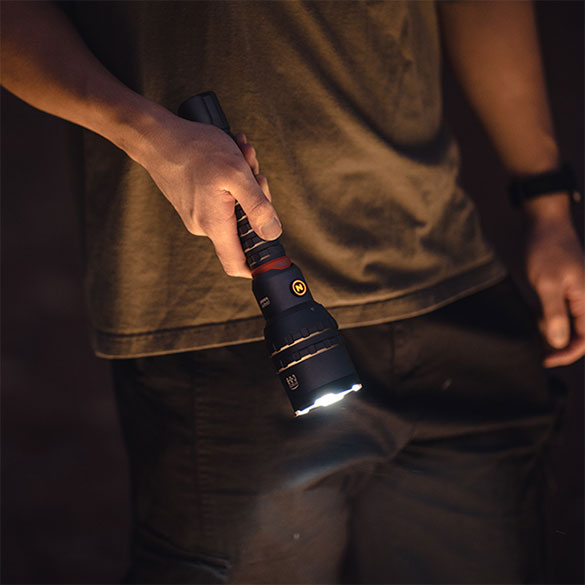
Flashlights, headlamps, lanterns and work lights - one of the world's largest flashlight brands.
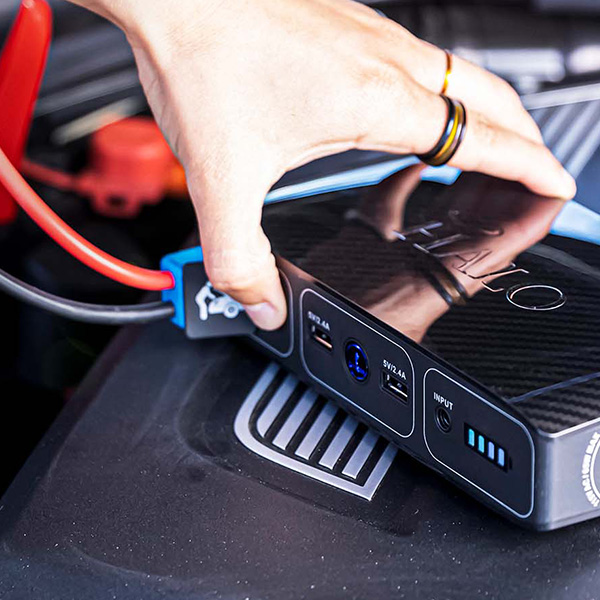
Power banks, jump-starters and wireless charging - credited with the original jump-starter power bank.
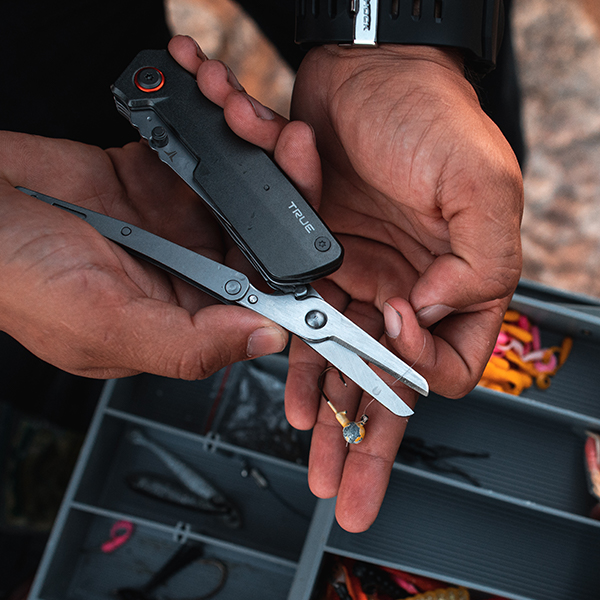
Pocket knives, multi-tools and EDC gear for the pocket and the tackle box.
Rechargeable and disposable hand warmers, heated pads and seat pads.
Weapon-mounted lights, lasers and personal-safety lighting accessories.
Mosquito control and pest-defense products for the outdoors.
03 / The HALO DealHow ACG grows: buy it, move it, plug it in
ACG does not only build brands - it buys them. The clearest example came in January 2022, when it acquired substantially all the assets of HALO from ZAGG Inc. HALO had a real claim to fame: it is credited with creating the car jump-starting power bank, and it came with an extensive IP portfolio of patented designs.
The playbook after the purchase is the interesting part. ACG relocated HALO's corporate operations from Salt Lake City to Fort Worth, folding it into the same distribution and back-office machine that already carried NEBO and TRUE. But it kept HALO's sales and engineering teams in Hartford, Connecticut - the people who actually knew the products stayed put. Buy the IP, centralize the boring parts, protect the talent that matters, then feed the brand into 50,000 existing retail doors.
The HALO brand is not only a great fit for our existing product portfolio but will also be a catalyst of growth.Chris Barley, CEO
04 / Who Buys ItCustomers who don't know they're customers
ACG's shoppers span the outdoor and everyday map: hunters and anglers reaching for a TRUE knife, DIYers grabbing a NEBO work light, commuters buying a HALO charger, and tailgaters stuffing THAW warmers into gloves. Most reach these products through mainstream retail - the company distributes through Amazon, Walmart, Target, Home Depot and a long list of specialty stores - plus its own direct-to-consumer e-commerce.
The scale is in the footprint, not the fame: more than 50,000 retail locations across over 50 countries, served from company-run distribution centers in the US and UK.
05 / The Business ModelOwn the patent, own the shelf
The engine is straightforward but hard to copy. ACG designs and patents products in-house, manufactures with support offices in Ningbo, China, warehouses them in Texas and the UK, and pushes them through retail, international distributors, and e-commerce. Growth comes from two levers: new proprietary products, and acquisitions like HALO that slot cleanly into the existing pipeline.
The moat is not any single gadget. It is the combination of owned IP and hard-won shelf space. A competitor can copy a flashlight; it cannot easily copy fifty years of relationships with fifty thousand stores. In December 2024, ACG added another lane, announcing a distribution partnership with Meyer Distributing to reach automotive specialty and RV channels.
A competitor can copy a flashlight. It cannot copy fifty years of shelf space in fifty thousand stores.
06 / Where It FitsThe quiet operator in a loud market
ACG competes on multiple fronts at once, and rarely under its own name. In lighting it runs against Energizer and Coast; in portable power against Anker and its old parent ZAGG's mophie; in EDC against Gerber, Leatherman and Victorinox; in warmers against HotHands; in firearm lights against Streamlight; in pest defense against Thermacell. Few rivals span all of those aisles. That breadth is ACG's hedge: when one category cools, another - often seasonal - warms up.
The company is still privately held, runs on roughly 230 employees across three continents, and books an estimated $95 million or so in annual revenue. Its Roanoke, Texas facility - 300,000 square feet, with a 20,000-square-foot office inside - is the physical center of the whole operation.
07 / What You Can StealLessons from a 50-year grind
There is a copyable template here for anyone building in unglamorous categories. Let the brands be the heroes and keep the parent invisible - shoppers trust a specialist, not a conglomerate. Own the IP so price isn't your only lever. When you acquire, centralize the back office but protect the engineers who understand the product. And treat distribution as the real asset: the shelf space compounds long after any single SKU is discontinued.
It will not work everywhere. This is a patient, capital-and-relationship-heavy game with thin margins and seasonal swings; it rewards operators who can sit still for decades, not founders chasing a quick exit. But in a market obsessed with the next app, Alliance Consumer Group is a reminder that a flashlight, sold well for fifty years, is its own kind of durable.