consumer-electronics
(169)
HSAD North America makes the ordinary matter
A refrigerator that will not fit. Ice that deserves a nickname. A billboard written for aliens. Inside the agency that turns LG’s product details into reasons to pay attention.
RadioShack found the dial again.
The store that taught America to tinker is betting on retro radios, independent dealers, and a familiar name. Its second act asks a surprisingly practical question: what, exactly, did people miss?
Foxconn makes AI a factory job
The company behind the iPhone is putting its manufacturing machine to work on AI servers. Its real product has always been the ability to make something complicated, again and again.

HMD puts the phone back in your hands
The company that brought Nokia phones back is finding a new reason to exist: devices you can repair, reshape, or put down. A screw, a pink flip phone, and a financing platform tell the story.

Tiptop wanted your old phone to pay for something new
An unused device is worth money. Turning it into money is work. Tiptop tried to remove that work by putting trade-in credit exactly where shoppers were about to spend.
Jibo sold a robot. People bought a friend.
The $899 tabletop companion could turn a greeting into an event. Its company discovered how much harder it was to turn affection into a lasting business.

Sandbar wants your next good idea to stay out of your pocket
A private voice ring turns a passing thought into something you can keep. Sandbar’s harder trick is making the computer feel welcome while your phone stays put.
Adonit built a business at the tip of a pen
A transparent disc helped Adonit make touchscreen drawing less of a guessing game. The harder trick was learning that a digital pen is only as useful as the tablet and app beneath it.

Opal Electronics wants to make your next favorite thing
A webcam was the opening act. Opal’s wager is that a small, opinionated electronics company can make everyday devices worth caring about - provided the software keeps up.

Looking Glass put depth on a screen. Then it made the work disappear.
A Brooklyn display company spent years teaching screens to show several sides of the same object. Its next bet is more practical: let people make a little spectacle with the video tools they already know.
GiGadgets and the Art of Making You Look
A flickering monitor, a mischievous stylus, and a countertop brewery reveal how GiGadgets turns technology into something people want to watch - and brands want to buy.

YI Technology and the Camera That Changed Its Mind
A Xiaomi-backed action-camera maker found a more durable business in the ordinary room: affordable home surveillance, smarter alerts, and a cloud subscription.

The Remote That Came With the Phone - and Stayed Too Long
Peel escaped a $100 piece of hardware by putting a universal remote inside the phone. The distribution trick worked spectacularly - until software people had not chosen began asking for more attention than they wanted to give.

VenturePR knows how to get you noticed. Then comes the hard part.
From the rabbit r1 launch to years of legal analytics coverage, Venture Public Relations sells a scarce skill: finding the story a journalist can use. Its client work also reveals the distance between winning attention and earning lasting trust.

Ammunition makes the future feel familiar
The studio behind Beats, Ember and Square works on the awkward moment when new technology meets an old habit. Its most useful design move is often knowing what to leave alone.

KEYDESIGN Makes the Case for Fewer Parts
A two-piece wallet case. A thermometer without a charging sled. Three generations of checkout hardware. Inside the industrial design studio that treats everyday friction as a design brief.

Astro Studios put a whole brand in your hands
From the Xbox 360 to Nike's FuelBand, Astro made technology feel like something people wanted to live with. Its move into PA Consulting reveals the business pressures behind the objects.

ASUS keeps giving the PC a new shape
From a $399 netbook to a laptop with two screens, ASUS has made a business of moving the computer off its usual perch. Its next challenge is making ambitious hardware easier to own.
Blibli Is Building an Online Mall You Can Walk Into
Phones, groceries, holidays, a new sofa. Blibli is stitching together the places Indonesians spend their money - and betting that the next online purchase may begin in a physical store.
Xiaomi sold you the phone. Now it wants the driveway.
The bargain-phone business became a sprawling bet on connected living. Cars have made that bet bigger, costlier and much harder to get wrong.

Nanit sells a better view of the night. The morning costs extra.
The baby-monitor company turned crib footage into a subscription business. Now it wants to follow children beyond sleep - while giving parents a reason to keep paying.
CMS Distribution sells what the box can’t do
A technology distributor that started with floppy disks now helps sell everything from storage to managed cybersecurity. Its real product is the work between a vendor’s promise and a customer’s purchase.

Nanoleaf's Solar Idea Had Nowhere to Sell - Then It Turned Light Into Lego
Three engineers began with a solar product nobody knew how to buy. Their escape route - a homemade Kickstarter video, a $35 origami-like bulb and, eventually, modular panels - offers a practical lesson in turning efficient hardware into something people can see, share and want.
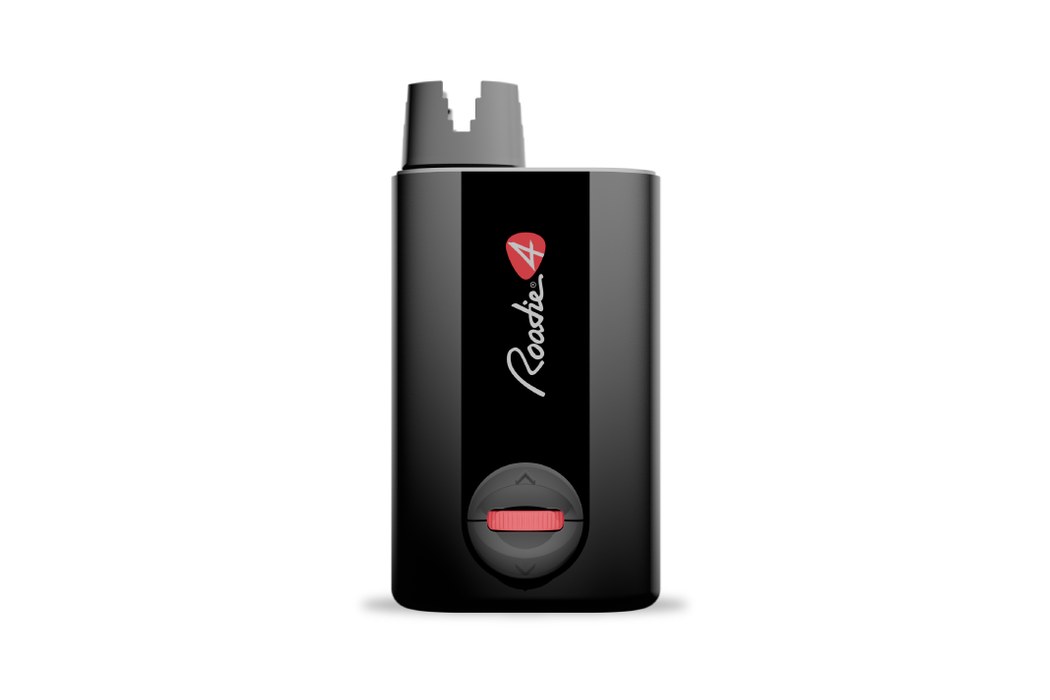
Roadie Built a Robot for the Most Annoying 60 Seconds in Music - Then Musicians Paid to Improve It
A 12-string oud created a tedious problem. Four generations, several crowdfunding campaigns and one stubborn hardware company later, Roadie has turned tuning pegs into a small but revealing consumer-tech business.
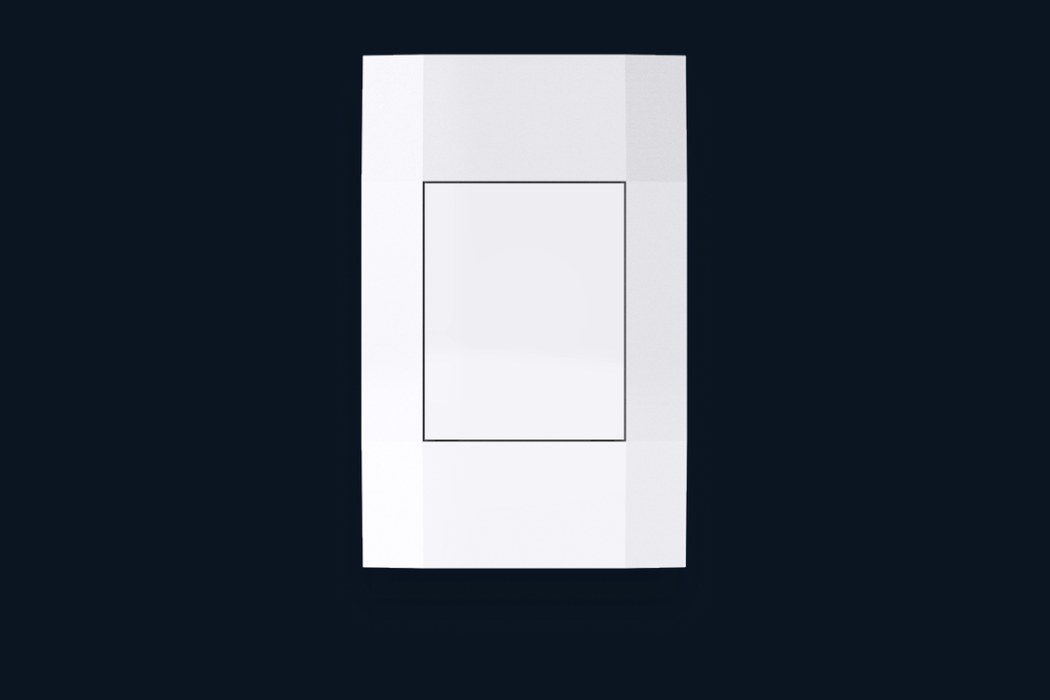
Deako Put a $12 Backplate in the Wall - and Built a Smart-Home Beachhead in 350,000 Houses
Most smart-home companies sell gadgets one homeowner at a time. Deako persuaded builders to hide its upgrade path inside the wall - then made the humble light switch the front door to a much larger platform.
The Last AA You'll Ever Buy
A Park City company put a USB-C port on the side of a AA battery. Its bet: you'll buy one, then never buy that battery again.
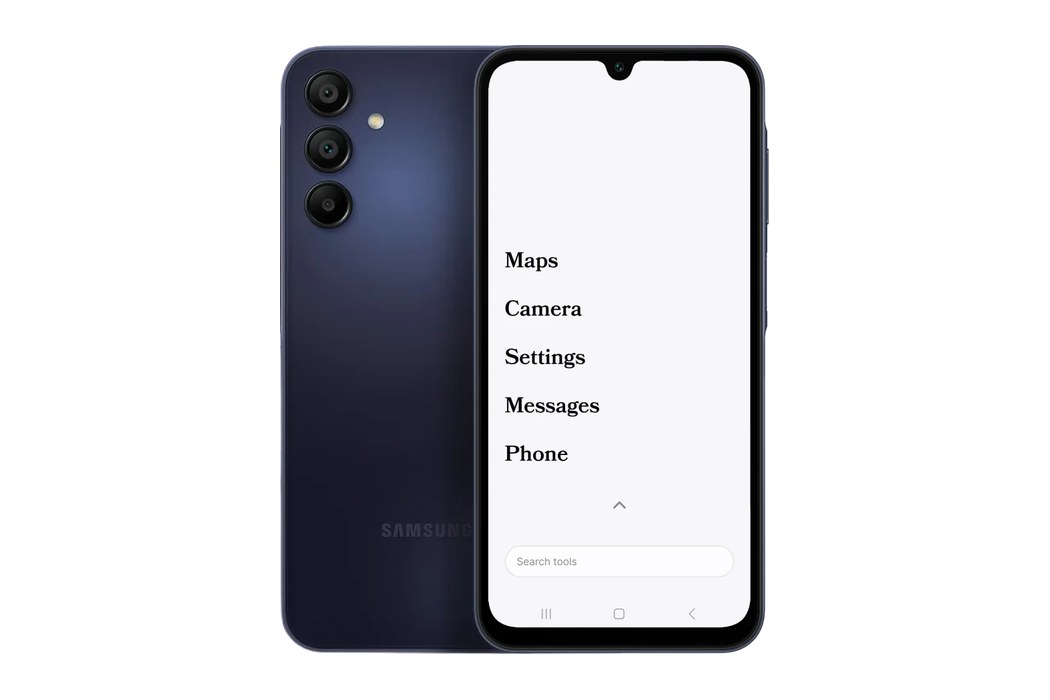
The Company Selling a Phone That Refuses to Be Interesting
Chris Kaspar took a foster caseworker's warning and turned it into a $399 smartphone with no browser, no feed and no app store. Techless is betting that the most valuable feature a phone can have is the stuff it leaves out.

Cardo Put a Group Chat in Your Helmet - Now It Wants the Whole Helmet
The Israeli electronics maker turned wind noise into a product category, sold millions of intercoms, and built a mesh network riders organize their purchases around. Its next wager is bigger: owning the connected helmet, not merely the gadget clipped to it.
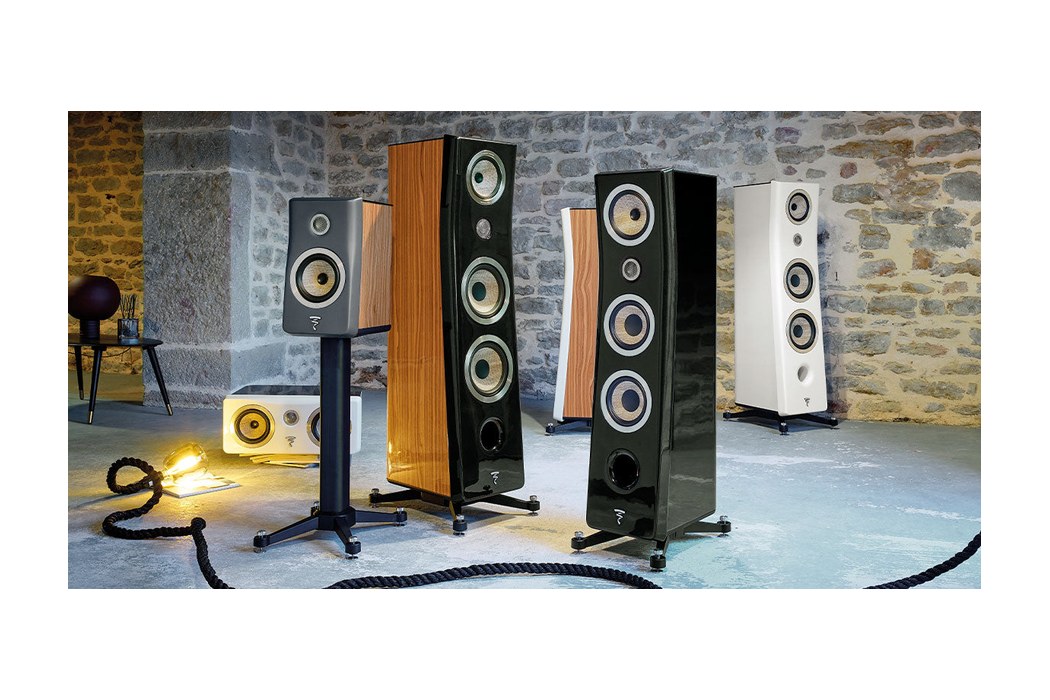
How World Wide Stereo Survived the Big Boxes - and Turned $18,000 Into a 47-Year Retail Playbook
A failed franchise, an oil embargo and a competitor across the street should have killed Bob Cole's little hi-fi shop. Instead, World Wide Stereo built a durable hybrid of theater, workshop and online store - a useful playbook for any independent retailer trapped between Amazon and the luxury market.

How KLH Audio Made a 69-Year-Old Speaker Idea Work in Modern Living Rooms
KLH survived the hi-fi boom, a long wilderness, a 2017 reboot and a 2025 acquisition. Its useful trick is simple: treat old engineering as a constraint, not a costume - then design for the rooms people actually have.