There is a screw at the bottom of the HMD Skyline that deserves more attention than another camera lens. Turn it, and a small mechanism lifts the corner of the back cover. The phone begins to open. In a category where ownership often ends at a sealed glass rectangle, this is an unusually literal invitation: come inside.
- HMD built its business on licensed Nokia phones, then introduced its own brand.
- Repairable smartphones and simpler feature phones give buyers different kinds of control.
- Its next bets include family devices, financing, and rugged phones for work.
HMD, short for Human Mobile Devices, designs and sells phones, accessories, and devices for businesses. Its interesting question is what happens after the sale. A screen breaks. A child wants a first smartphone. Someone wants an evening without a social feed. Another person cannot afford the upfront price. Those situations make a more useful starting point than a specification table.
The comeback came with a supply chain
In May 2016, HMD announced a decade-long agreement to use the Nokia name on phones and tablets. Nokia would supply the brand and licensing rights. FIH Mobile, part of Foxconn, would provide manufacturing and engineering capabilities and access to distribution assets acquired from Microsoft. HMD would control sales, marketing, and distribution.
The arrangement gave a new company familiar lettering and an existing route to shops. Its founder, Jean-François Baril, had spent years in procurement and supply chains, including at Nokia. That background fits a business whose earliest advantage depended on coordinating partners as much as designing a handset.
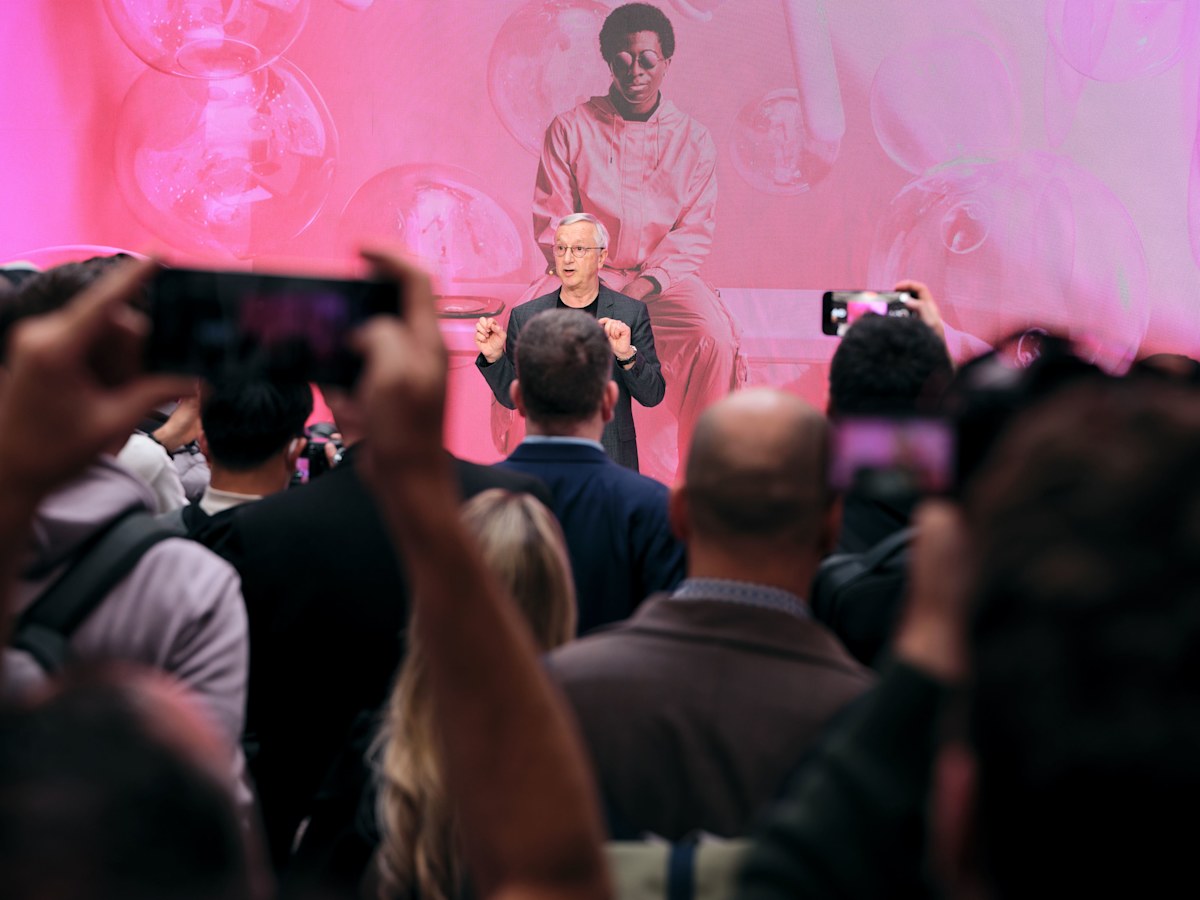
Recognition did not make the project cheap. HMD initially planned more than $500 million in marketing investment over three years. That was an intention, not a confirmed spending total. It subsequently announced $100 million in funding in 2018 and another $230 million in 2020. The later round brought Google, Nokia, and Qualcomm into the investor story.
Two announced rounds. These figures are financing, not product-development costs.
By August 2020, HMD reported more than 240 million phones sold across 91 markets. But reach and cash are different things. In its 2023 interim report, FIH disclosed that it had stopped taking new Nokia-branded feature-phone projects from the second half of 2022 and tightened credit controls as HMD approached its credit limit. Shipments became linked to payment.
That is a concrete pressure point in the comeback. A remembered brand could help move boxes; somebody still had to finance their journey. In February 2024, HMD announced a multi-brand strategy and improved operational profitability. Its own devices and collaborations would take a larger role alongside Nokia phones.
A screwdriver is a product feature
The Nokia G22 had already made repair part of HMD’s pitch in 2023. Skyline, launched the following year, made the process less awkward. HMD said screen replacement required 65% fewer steps than on the G22. iFixit gave Skyline a repairability score of 9 out of 10, pointing to easier entry, a repair-friendly display, and accessible parts and instructions.
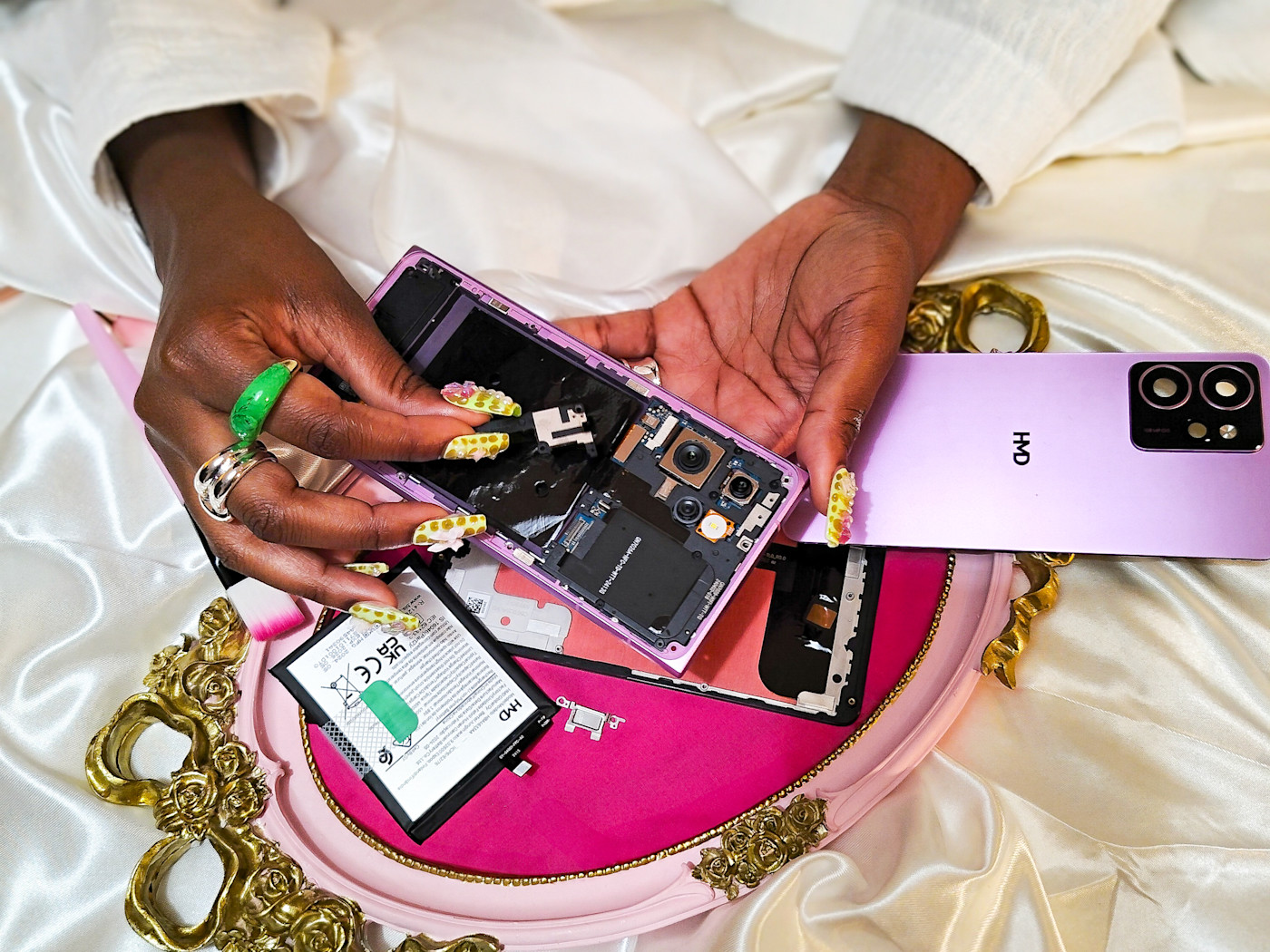
“This is what happens when a design team considers repair from the start.”Kyle Wiens, CEO of iFixit
The distinction matters. Publishing a manual after a phone is finished helps. Designing the opening procedure before it is finished changes the work itself. Buyers still need compatible parts, tools, and the willingness to follow instructions. Local availability and remaining software support matter just as much as whether the cover comes off.
Fusion extends that argument from repair to modification. Its Smart Outfits connect to the handset and add functions such as a camera light or gaming controls. HMD supplies a development toolkit with physical dimensions and software interfaces. A technically capable developer can build an accessory around the phone rather than accept every decision made at the factory.
These choices put HMD between several alternatives: Samsung, Motorola, and Xiaomi for affordable Android phones; Fairphone for repair-conscious buyers; and basic-phone makers for simpler communication. HMD’s case depends on whether easier ownership matters enough to influence the purchase.
Barbie gets the evening off
The Barbie Phone makes that proposition cheerfully obvious. Built with Mattel and launched in August 2024, the pink flip phone emphasizes calls and texts without social media. It boots with “Hi Barbie” and offers a missed call from Ken. The joke is built into the interface.
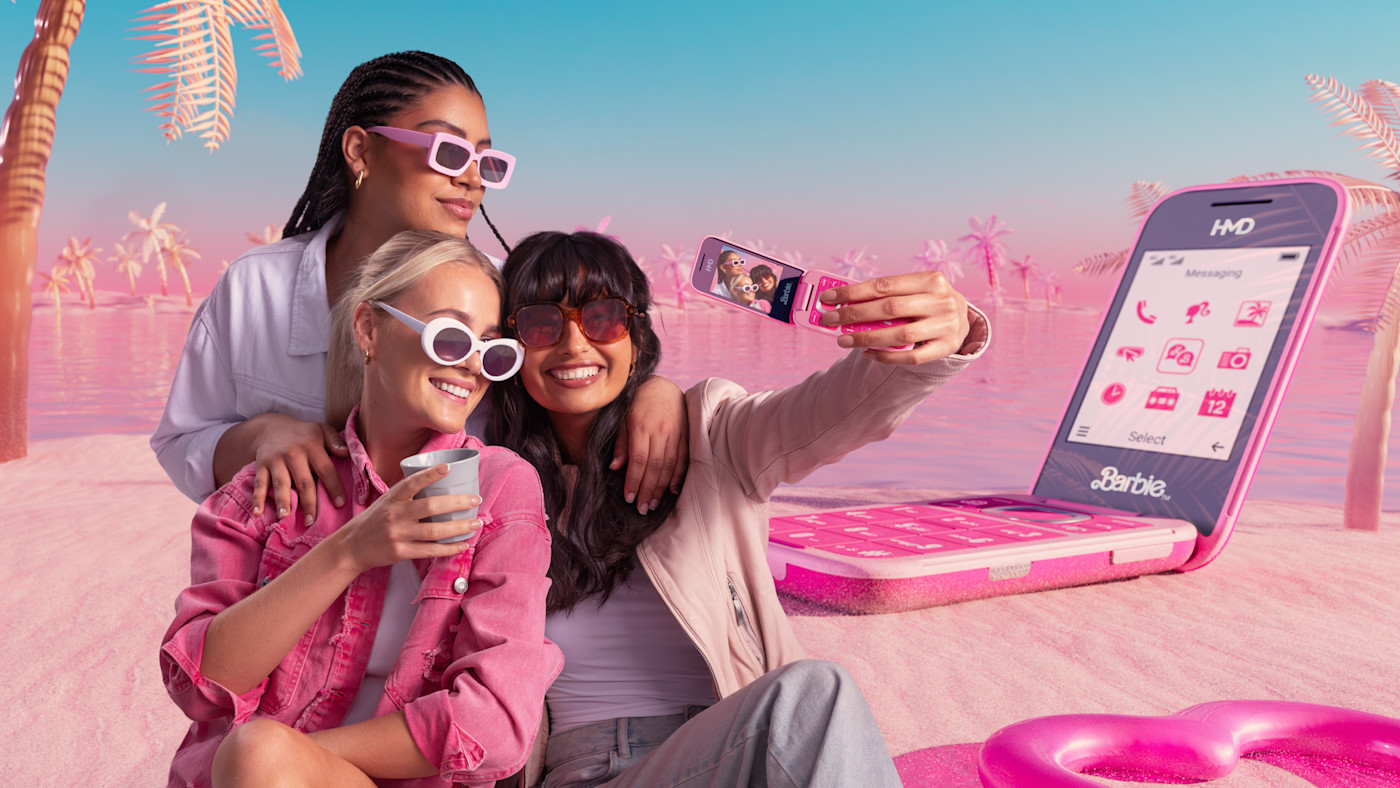
For an occasional smartphone break, the missing apps are useful. For somebody who needs workplace authentication, navigation, or a particular messaging service, they can be inconvenient. Simplicity works when it matches the job. A feature phone is a tool with boundaries, and those boundaries should be checked before buying.
Families create a different problem. HMD Fuse launched with Vodafone UK in August 2025, combining parental controls with SafeToNet’s on-device filtering designed to block nude content. Its launch offer started at £33 a month with £30 upfront. That was an operator offer, not the standalone handset price. The appeal is gradual access: parents decide which capabilities to introduce.
From screen time to first-time access
Hardware sales remain central: phones reach buyers through shops, distributors, operators, and online channels. Yet HMD’s newer offerings address the cost and conditions of ownership. In March 2026, it said Softlock, its device-based financing platform, had enabled smartphone access for close to four million users through partners.
The same announcement reported ten consecutive profitable quarters achieved in 2025, based on unaudited results. HMD also outlined feature-phone wallets, video calling, and AI assistance. Those were rollout plans. Terra M, its compact rugged work handset, had already reached selected European markets.
The practical lesson is to choose an ownership problem and work through the details. Provide the parts. Simplify the repair. Find the partner who supplies a missing capability. Check the payment terms. HMD’s little screw is interesting because it turns an abstract promise of control into something a person can actually do.