A robot turns toward the person who has just entered the room. Nothing especially useful has happened. No floor has been swept, no appointment rearranged. Yet the turn matters. It makes the person feel noticed. Jibo, the Boston company behind an expressive tabletop robot, built its business around that small distinction. In a market learning to ask speakers for the weather, it offered a machine that appeared pleased you had come home.
- The offer: a home companion, publicly launched at $899 in 2017.
- The collision: years of development met a market full of cheaper voice assistants.
- The afterlife: the company closed; the robot became a research platform.
A greeting with a body
Cynthia Breazeal had spent years studying social robots at MIT. With co-founder Jeri Asher, she formed Jibo in 2012 to bring that work into kitchens and living rooms. The problem was partly one of manners: screens were adept at attracting an individual’s attention, but a household needed something people could encounter together.
Jibo’s solution occupied about eleven inches of vertical space. It had no arms, no wheels and no prospect of doing the dishes. Its body turned and tilted; its screen carried an animated eye. Cameras and microphones helped it orient toward people. The engineering served a theatrical purpose: making a stationary object seem attentive.
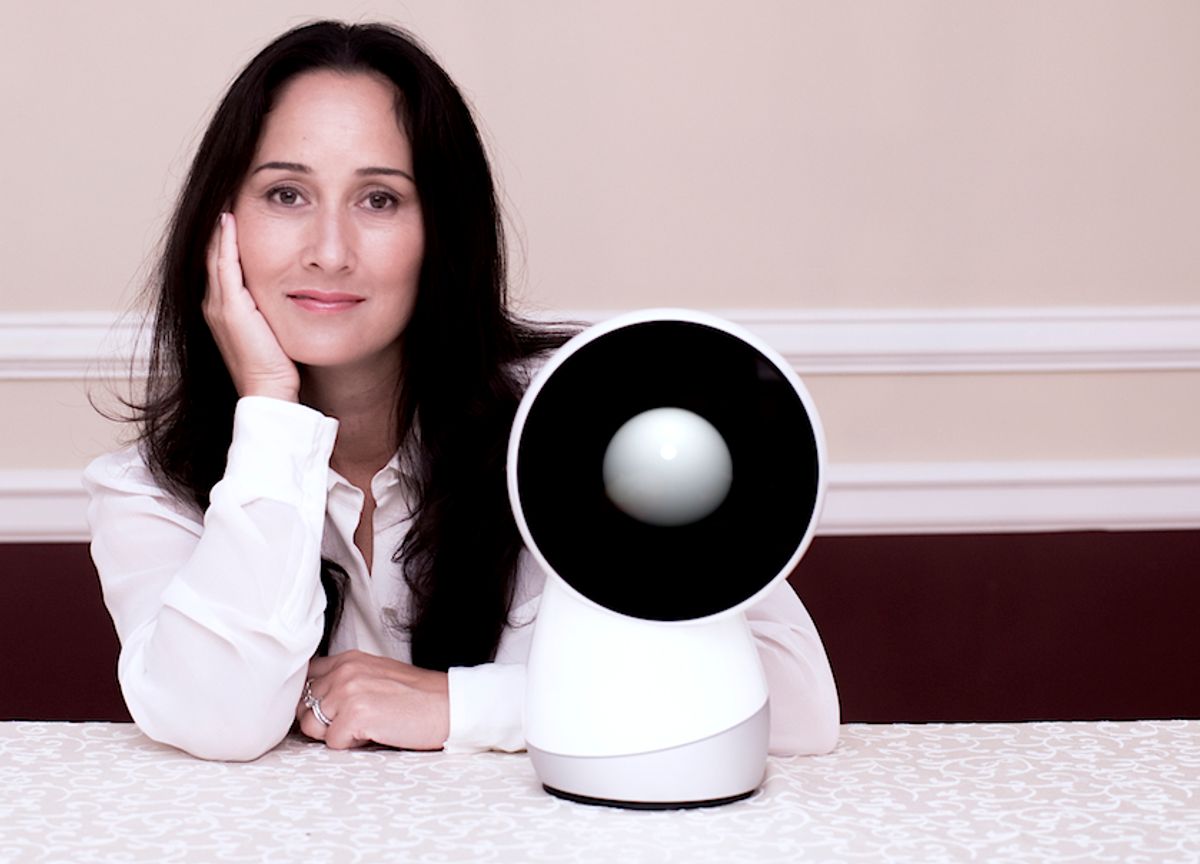
The company recruited animators, writers, sound designers and visual artists alongside its technical team. A greeting required choreography as well as speech recognition. Breazeal explained the ambition in 2014: “So it’s not just what it does, it’s how it does it.” That distinction gave Jibo its character. It also made the sales pitch harder to evaluate.
The promise got there first
Jibo’s crowdfunding campaign offered the home robot for $499 in 2014. The advertised roles included photographer, storyteller and telepresence companion. Developers would supply more skills. This was an invitation to imagine a useful future, attached to hardware still under development.
Money followed. A $25.3 million Series A in January 2015 gained an $11 million extension from corporate investors including Acer, Dentsu and KDDI. The interest suggested ambitions beyond an American kitchen counter. But shipments slipped. In 2016, overseas orders were canceled. Even getting the core experience ready for its initial market was taking longer than expected.
The October 2017 public launch asked $899. Families, gadget enthusiasts and children were the intended audience. Jibo could learn faces and voices, take photos and answer basic questions. It made a shared room into an interface. TIME included it among its inventions of the year; CES named it an innovation honoree.
Meanwhile, Amazon Echo and Google Home supplied a competing yardstick. Customers could judge Jibo by the tasks a voice assistant performed. Its expressive movement was impressive, but its conversational range and launch functionality were limited. The company was selling personality at a price that invited questions about productivity.
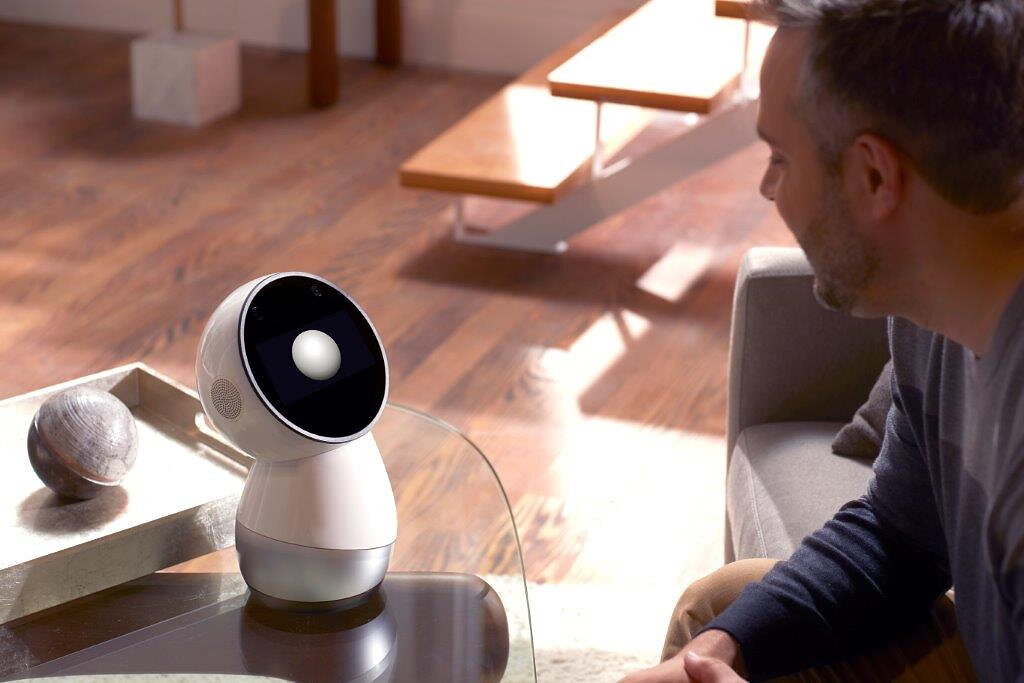
The developer platform was supposed to widen that range. Historical tooling let programmers work on skills and animations, but the public launch release still placed an SDK in 2018. Developers needed a dependable installed base; buyers needed reasons to buy. Both were waiting for the other side of the platform to mature.
The business ran out of time
By June 2018, Jibo was cutting staff and expenses while seeking financing or an exit. The original company closed later that year. Affection could sustain an owner’s interest, but it could not pay the continuing bills for development and support.
In March 2019, robots delivered a message warning that their servers would soon be turned off and interactions would become limited. Then came a dance. The announcement gave a remote infrastructure decision a face. It did not establish an immediate, universal shutdown: reporting that June still found Jibos functioning.
A companion’s support plan belongs in the product promise.
What Jibo’s farewell makes plain
That is the uncomfortable feature of selling a connected companion. Buyers acquire a physical object, while part of its behavior depends on a company they cannot keep alive themselves. A warranty can describe hardware. It has more difficulty describing what a family expects from something that remembers its faces.
Attention, measured
Research helps explain the appeal without pretending it settled the business case. In a study reported by MIT in 2022, thirty-four families, comprising ninety-two participants, interacted with voice interfaces. Participants often perceived Jibo as more outgoing, dependable and sympathetic than the smart speakers. Personality influenced their willingness to engage.
The study also found that manufacturer information changed perceptions of trust. A friendly name did not erase the institution behind the device. The lesson for designers is practical: test how people interpret movement, names and branding, alongside whether they can complete a task. Social cues can raise expectations before the software earns them.
- 01RecognizeIdentify who is present.
- 02OrientTurn attention into movement.
- 03RespondGive the encounter a voice.
An editorial schematic of Jibo’s social interface, not a performance measurement.
An afterlife with a different customer
NTT Disruption subsequently pursued Jibo for professional settings. NTT’s 2020 reporting described paid English-language trials supporting communication in hospitals, remote care and welfare. That changed the buyer and the proposed use. A defined institutional problem offered a different route from asking households to pay for a general companion.
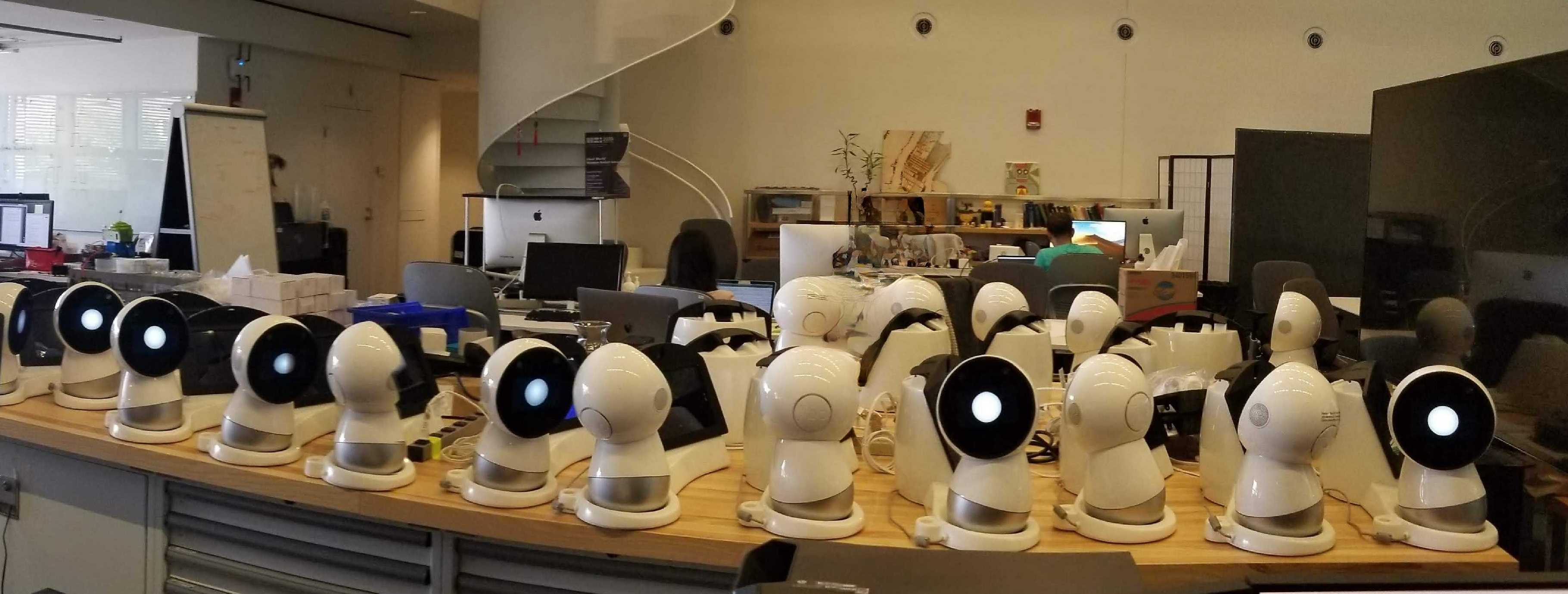
That commercial continuation also ended: robotics researcher Christoph Bartneck reported NTT Disruption’s 2023 closure. MIT’s work persisted separately. A 2024 workshop invited researchers to host Jibo and program interactions. July 2026 workshop materials cover language models and new robot-control tools. The hardware had become an instrument for asking better questions.
Founders can copy the discipline of making an interaction legible: a turn, a pause, a recognizable response. They should also specify who needs it often enough to fund its upkeep. The approach struggles when inexpensive assistants solve the actual task, when conversation disappoints, or when remote support cannot endure. Jibo showed that people could care about a robot. Its history leaves the harder question with the next company: what will keep that robot worth caring for?