A refrigerator can be a perfectly good refrigerator and still produce a terrible purchase. It arrives. The kitchen is ready. Then somebody discovers that the space is smaller than the appliance. The sale happened hours or days earlier; the disappointment happens here, with a delivery crew waiting. For HSAD North America, that gap between buying something and successfully owning it became an advertising assignment.
- LG’s closely connected agency combines strategy, creative, media and customer experiences.
- Its memorable work starts with specific behavior: measuring, decorating, entertaining, collecting.
- A 2025 retail-media award credited LG and HSAD with $7.1 million in revenue growth.
The sale that stopped at the doorway
HSAD’s account of “Measure First, Order Right” starts with an 8.1% return rate for LG appliances bought online. Customers were ordering without measuring their space. The agency helped create an interactive experience and tool to encourage measurement before purchase. The brief sounds almost embarrassingly practical. That is what makes it interesting.
Advertising is usually discussed as a contest for attention. This example suggests another job: getting a customer to do a small, unglamorous thing at the right moment. A tape measure has none of the appeal of a new kitchen. It can, however, determine whether the new kitchen works. The creative problem was to make that preliminary chore feel worth doing.
Return rate cited in HSAD’s Measure First case. A starting problem, not a claimed reduction.
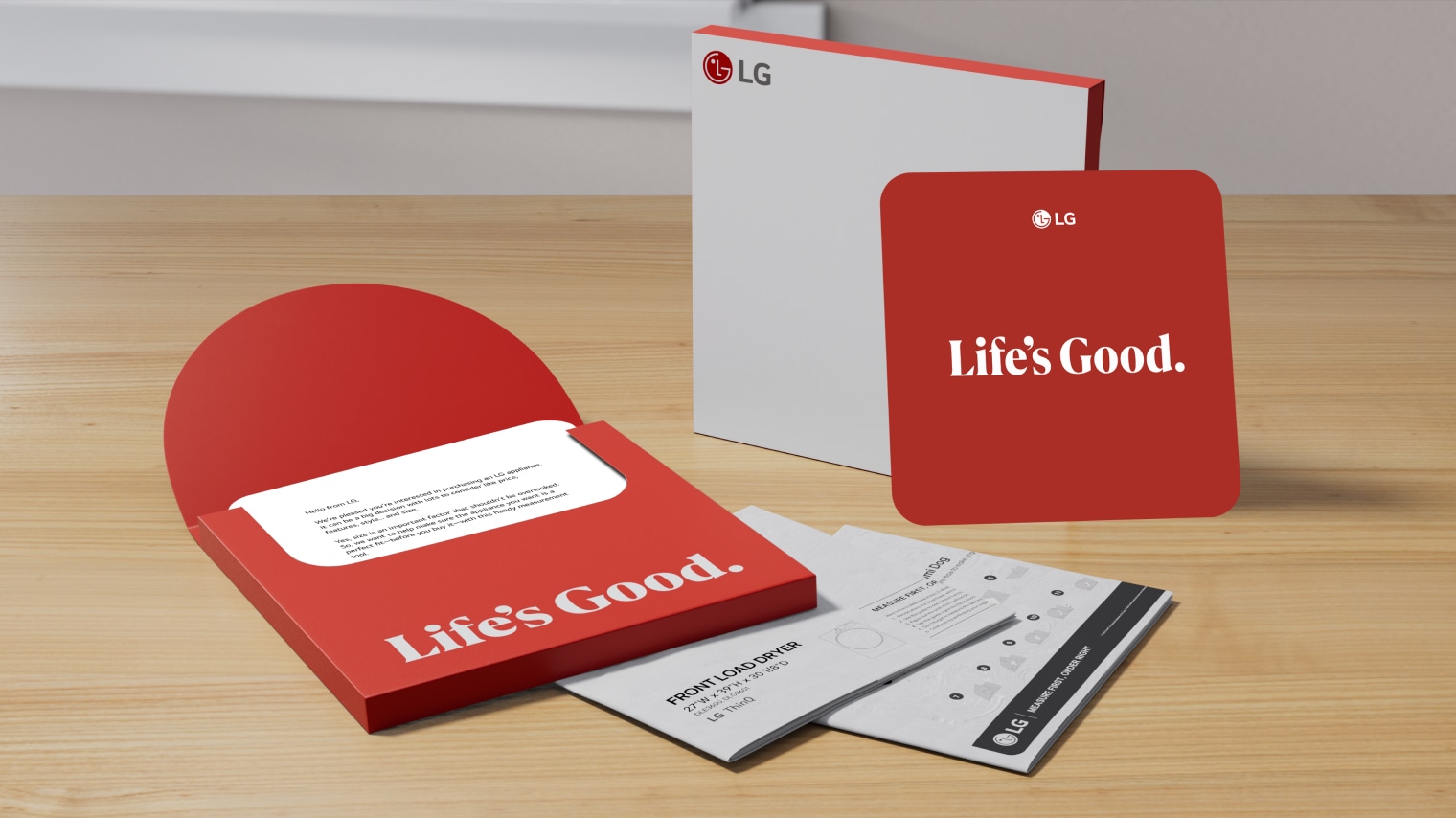
The lesson is portable. Before commissioning a bigger promise, look for the step customers skip. A measurement reminder could help when fit is the obstacle. It would do little for a defective compressor or a damaged delivery. The usefulness of the idea depends on diagnosing the actual reason a purchase goes wrong.
A product detail needs a human translation
HSAD North America is a marketing and creative agency with teams in New Jersey and Los Angeles. Its recruitment materials describe it as LG’s in-house agency. Its public offering stretches from research and brand planning through production, media buying, search, shopper marketing and events. The customer is a marketing organization; the eventual audience might be a homeowner, a television buyer or a trade-show visitor.
That breadth matters when the product is complicated and the decision takes several encounters. Someone has to connect the campaign’s promise to the website, the retail display and the purchase. HSAD sells the work of planning and executing those connections. Its manufacturer relationship supplies the profile’s distinctive context: sustained attention to televisions, appliances and the lives around them.
Consider “Baller.” LG had a refrigerator that made large spheres of ice, the sort associated with a cocktail bar. HSAD built a campaign around the feeling of being a baller. The agency says customers subsequently asked for “the baller fridge” at Lowe’s. Treat that as the agency’s account, but notice the mechanism: a feature acquired a name people could carry into a store.
A feature becomes more useful to a marketer when a shopper can remember what to call it.
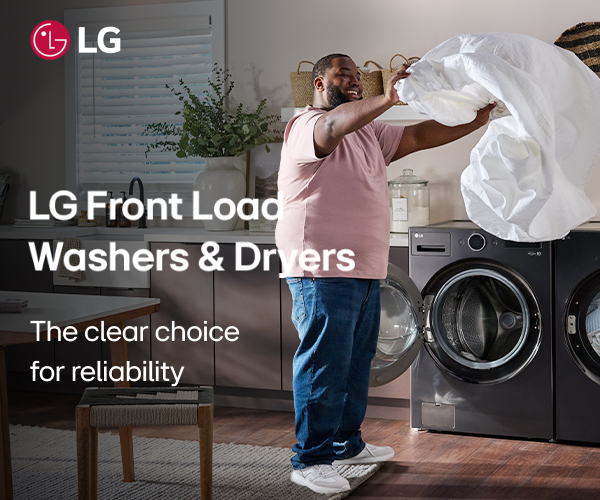
“Oh Sheets” works from another recognizable moment: the frustration of an appliance breaking. Its humor gave LG’s reliability positioning an emotional setting. The joke depends on the viewer recognizing the inconvenience. A dry product claim becomes a scene from domestic life, complete with language that almost gets away from you.
Premium is somebody’s idea of home
There is a different problem inside the LG family: making LG STUDIO feel distinct from the broader appliance range. HSAD refreshed its appearance and tone around personal aesthetics. For the related “Let Your Vibe Shine” campaign, the agency describes learning that premium buyers saw their homes as expressions of personality and creativity.
That insight changes what a campaign needs to show. The buyer is choosing an appliance, but also imagining a room and a version of daily life. HSAD’s portfolio treats brand identity and the launch campaign as related assignments. The design has to establish a recognizable character; the advertising has to give that character somewhere to live.

The “Matte Black” case reveals the competitive pressure behind such decisions. Other kitchen brands had followed the same finish trend. HSAD describes shifting the positioning toward emotion. A finish was becoming common; a particular feeling offered another way into the conversation. The useful move was to reconsider what the product detail meant to its buyer.
Sometimes the right audience reads alien
For a Star Wars edition LG OLED, HSAD chose an unusually selective invitation. A Times Square billboard carried a message in Aurebesh, the franchise’s fictional writing system. It ran for 24 hours. Fans who decoded it could pursue one of 501 limited-edition televisions.
The apparent obstacle was part of the attraction. Decoding supplied a small act of participation, and the language signaled who belonged in the conversation. That logic requires a recognizable shared culture. An obscure code aimed at people who have no reason to decipher it would simply be an obscure code.
The number belongs to the result
Alongside the portfolio sits a more commercial piece of evidence. In May 2025, Skai named LG Electronics USA and HSAD USA winners of its Retail Media Excellence - Brand award. Skai credited their use of tools including Amazon Marketing Cloud and Budget Target Portfolios with $7.1 million in revenue growth.
That is a reported client result, with attribution to the platform announcing it. Reading it as agency revenue, profit or a return-on-investment ratio would change its meaning. The useful connection is between the agency’s creative work and its media capabilities: memorable language and campaign optimization address different parts of the same selling problem.
HSAD’s most instructive work keeps returning to a specific person doing a specific thing. Measuring a doorway. Naming a refrigerator. Recognizing an alien alphabet. Those details give marketers something to copy: start with the action the customer needs to take, then make that action easier to understand, remember or enjoy.