sustainable-packaging
(63)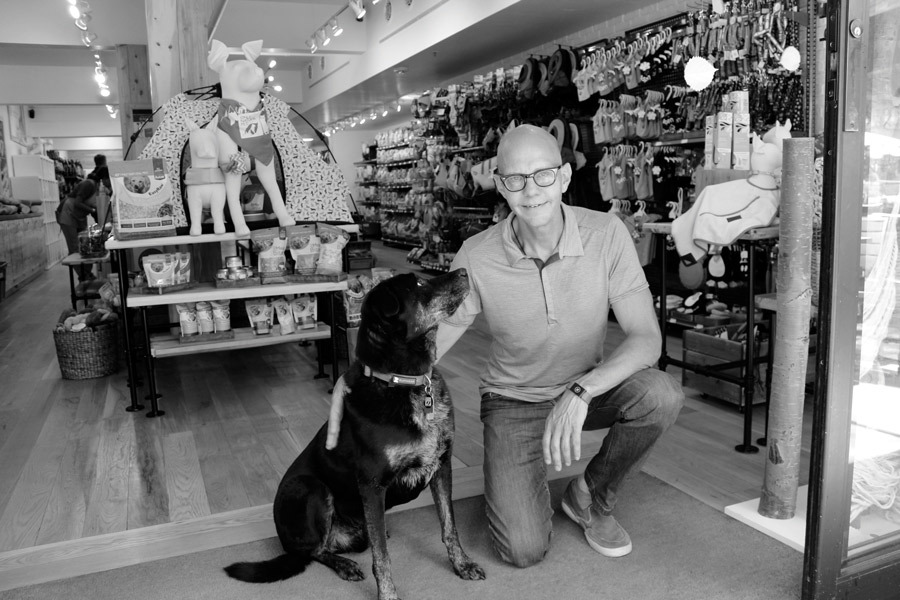
Marty Grosjean and the art of making room for the dog
A search for pet products became an online store, then a place on the grocery shelf. Marty Grosjean’s career follows the small decisions that turn a household preference into a business.

Arsen Kitch and the business he chose to let go
He rose through Clearwater Paper’s finance ranks and ran its tissue division. As CEO, Arsen Kitch sold that business for $1.06 billion and put the company’s future in paperboard packaging.
Silgan makes the parts you take for granted.
A food can. A perfume pump. A lid that seals. Silgan built a $6.5 billion business around small things that have to work - and its next deal would redraw the company.

O-I: The bottle is only half the story.
O-I makes the bottles behind familiar drinks. Its more revealing product is a lesson in what happens when beautiful engineering meets the factory floor.
Sonoco and the power of a small change
A paper cone helped launch Sonoco. A paper bottom helped reinvent the Pringles tube. Between them lies a useful lesson in how industrial innovation actually works.
Amy Denoon and the art of sending less
She built BEACH HOUSE by getting beauty brands noticed. Then Amy Denoon asked the industry to stop making such a fuss over the box.

Robbert Rietbroek and the view from the other side of the box
He spent years choosing packaging for consumer brands. Now, at Graphic Packaging, Robbert Rietbroek is responsible for the business behind the box - and for making its investments pay.
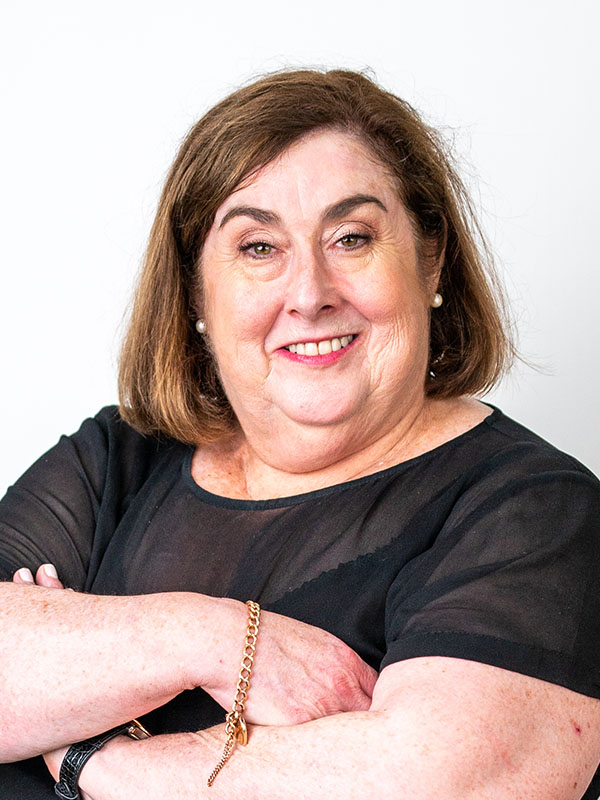
Joanne Howarth and the trouble with a very useful box
Joanne Howarth helped send thousands of polystyrene boxes into Australian homes. Looking for a better way to keep deliveries cool led her to waste wool, a Melbourne factory, and a new use for denim.

Mori wants your strawberries to wear silk
A failed dessert experiment led to an edible protein coating. Mori is turning the silkworm’s oldest trick into extra time for food - and room to manoeuvre for the businesses that move it.

Kjaer Weis makes the case for keeping the case
A makeup artist spent eight years developing organic cosmetics that could hold their own on a professional shoot. The clever part was giving the packaging a longer career than the blush.
Earth Brands discovered that a better cup needs a better exit
Two college tennis players set out to replace the red party cup. Their growing food-service business reveals why the harder job starts after the last sip.
Caldera + Lab sells the $110 serum men buy for themselves
A dry face in Jackson Hole became a business built around an overlooked customer: the older man shopping for his own skin. Now Caldera + Lab is taking that proposition from the browser to the beauty counter.
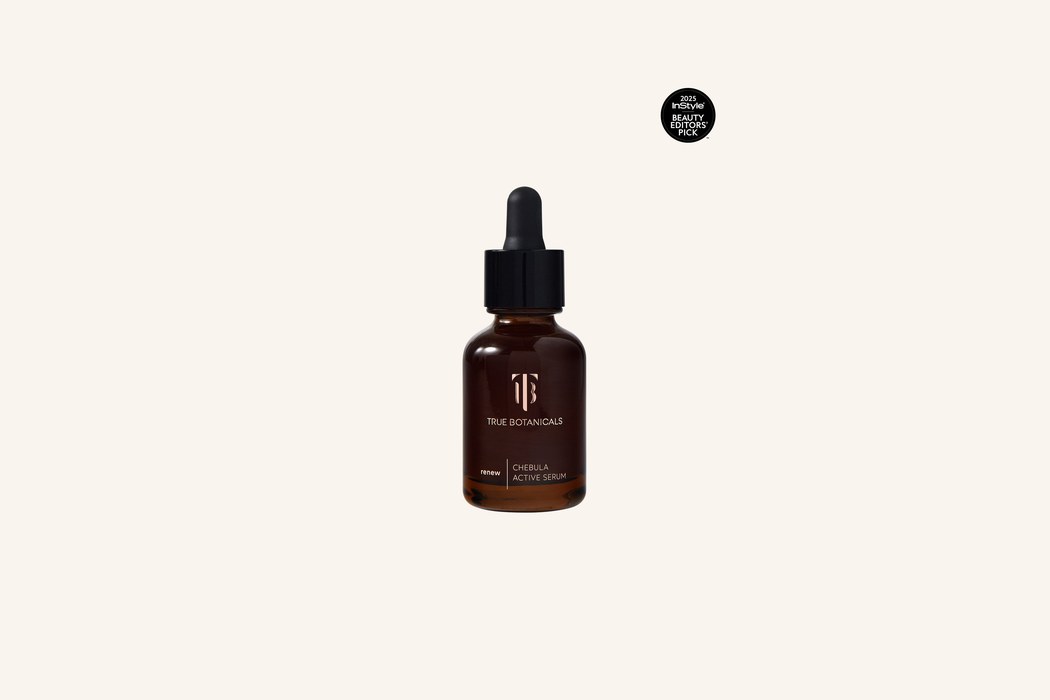
The Beauty Brand That Put Its Face Oil on Trial
After a cancer diagnosis, Hillary Peterson wanted skincare that felt luxurious without asking customers to take its safety on faith. True Botanicals made an expensive bet: put the ingredients through outside scrutiny, then put the products up against the old guard.
The Soap Bottle That Escaped the Cupboard
Method made cleaning products people wanted to leave in plain sight. Twenty-five years later, its real experiment is whether clever design can make better habits stick.

Barak Bar-Cohen Put the Factory on Wheels
The former Bai operator turned a stubborn variety-pack problem into a mobile manufacturing company. Its name carries a clue from Mars, and its machines are designed to arrive where the work already is.

Revel Brand Design and the case for a lighter box
For Ridge Vineyards, Revel helped put a collectible wine in cardboard. The Petaluma agency’s broader specialty is making food, drink and lifestyle brands easier to recognize - and harder to misunderstand.
Robert Mock Bet the Company on a Seaweed Chip. The Recall Made Him Smarter.
A former derivatives banker tried to make seaweed crunch like a tortilla chip, lost the bet, and rebuilt around a better signal: what shoppers actually put in their carts.

Petcurean Built a $44 Million Pet-Food Business by Treating Kibble Like a Portfolio
The Canadian company does not sell one universal answer to the pet-food aisle. It sells four sharply drawn promises - then makes nutritionists, distributors and recyclable bags carry the weight.
How KFC Canada Turns Weird Side Quests Into a Growth Strategy
The chicken chain’s Canadian playbook is equal parts local sourcing, pop-culture mischief and operational discipline. Now it is putting C$30 million behind a bigger question: can a bucket brand own the afternoon drink run?
The $1 Billion Bet Behind Canada’s Softest Aisle
Kruger Products turned bathroom tissue into a portfolio game, then put nearly C$1 billion behind a pair of Sherbrooke plants. The bet is simple to describe and hard to copy: own the brands, modernize the mills, and make sustainability survive contact with the balance sheet.
Pacha Soap Built a $30 Million Business on Better Bars - Then Killed a Brand to Find Its Next Customer
A dorm-room crockpot became a national natural-care business by making soap look irresistible and its supply chain matter. Now Pacha is testing a harder proposition: whether a mission-led manufacturer can retire yesterday's story, fix the products customers gripe about and earn a younger shopper without losing the people who got it here.
Soapbox Lost 75% of Its Sales. Then It Learned the Mission Wasn't the Product.
A $6.99 bar, confusing packaging, and a 75 percent sales drop nearly washed Soapbox out of Whole Foods. Its recovery offers consumer founders a cleaner rule for purpose-driven business: make the product earn the purchase before the mission earns the applause.
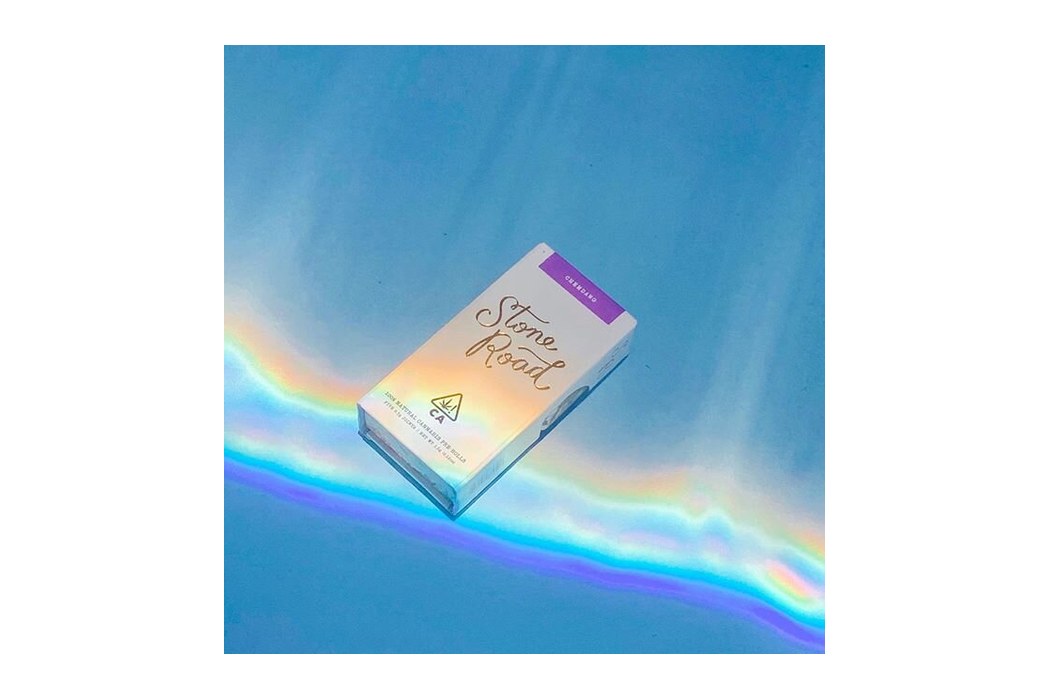
Stone Road Built a Beautiful Cannabis Brand. Then the Bills Got Ugly.
Lex Corwin paired an off-grid California farm with packaging made for the design shelf. The harder trick was learning when to outsource, when to shrink, and when a sale was not worth chasing.
Prima Raised $12.5 Million, Hit Sephora, Then Went Dark - Here’s the Comeback Playbook
Prima turned a mistrusted ingredient into a polished beauty brand, raised $12.5 million and landed national retail. Then an ambitious merger failed, operations stopped, and the founders learned the expensive difference between owning a standard and owning a supply chain.

Graza Put Olive Oil in a Squeeze Bottle - Then the Grocery Aisle Copied It
A shower-bottle sketch, two verbs and a no-strings gifting list turned an ancient commodity into a modern kitchen system. The useful lesson is not “use plastic” - it is to make a premium product easier to understand, easier to use and hard to miss.
The Company That Got Rich Selling You Peace of Mind for a $1,000 Phone
How a garage-built waterproof box became a $924 million bet that gravity always wins - and that you'll pay to lose gracefully.
Three Brands, One Screen Protector Empire Built in a Utah Suburb
Long before your phone had a case, a Utah startup was selling shields for your PDA. Two decades later, BGZ brands turned scratch anxiety into a three-label accessory house - and a quiet pivot toward packaging you can recycle.

The Dime-Sized Rebellion Against Your 20-Ingredient Face Wash
Shubhangini Prakash left banking, learned to distrust her own bathroom shelf, and built a skincare line around a tablet you can read in a single breath.
The Sparkling Water That Learned to Drink Like a Beer
Rambler built a mineral-water company around an unlikely observation: a can of water can belong at the bar, the trailhead and the backyard cooler if it has enough taste, texture and personality.
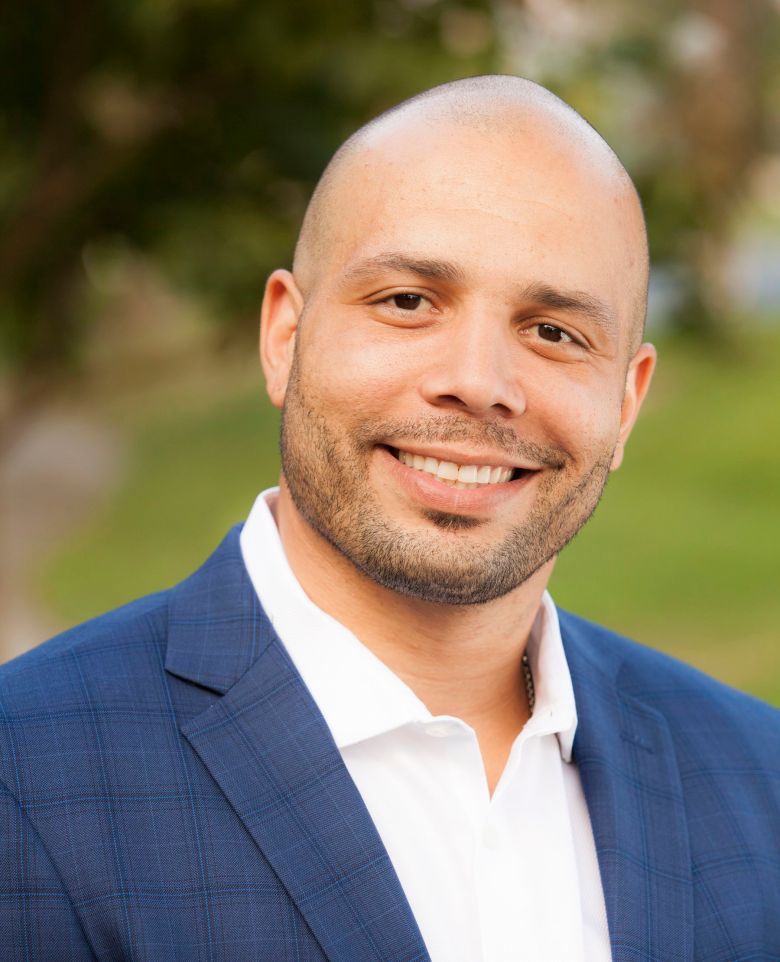
Darrell Jobe Built a Cooler Around Two Second Chances
A cardboard-box career became a study in replacement: plant fiber for foam, paid work for closed doors, and persistence for the future his past seemed to dictate.