sustainable-packaging
(12)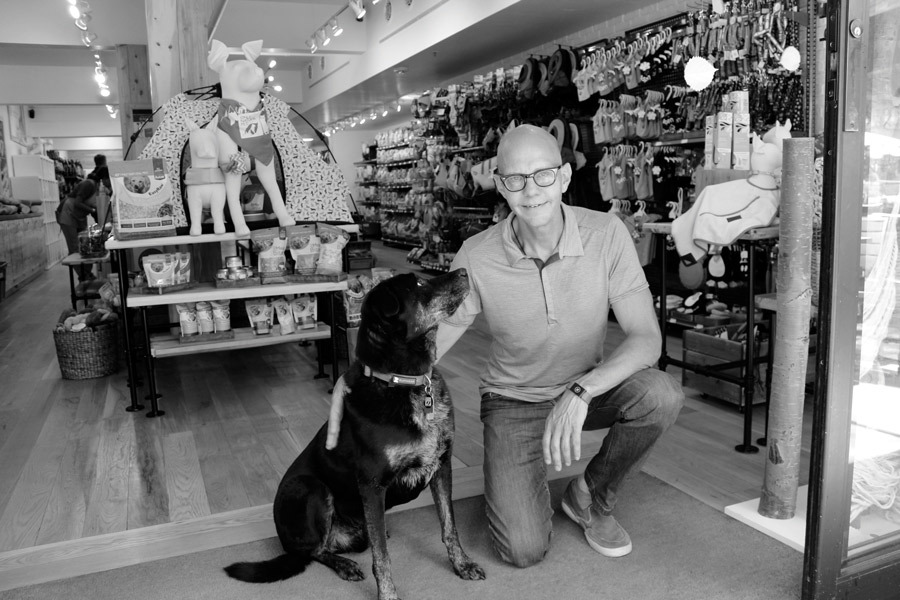
Marty Grosjean and the art of making room for the dog
A search for pet products became an online store, then a place on the grocery shelf. Marty Grosjean’s career follows the small decisions that turn a household preference into a business.
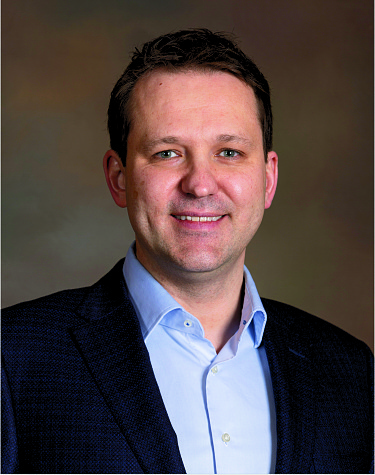
Arsen Kitch and the business he chose to let go
He rose through Clearwater Paper’s finance ranks and ran its tissue division. As CEO, Arsen Kitch sold that business for $1.06 billion and put the company’s future in paperboard packaging.
Amy Denoon and the art of sending less
She built BEACH HOUSE by getting beauty brands noticed. Then Amy Denoon asked the industry to stop making such a fuss over the box.
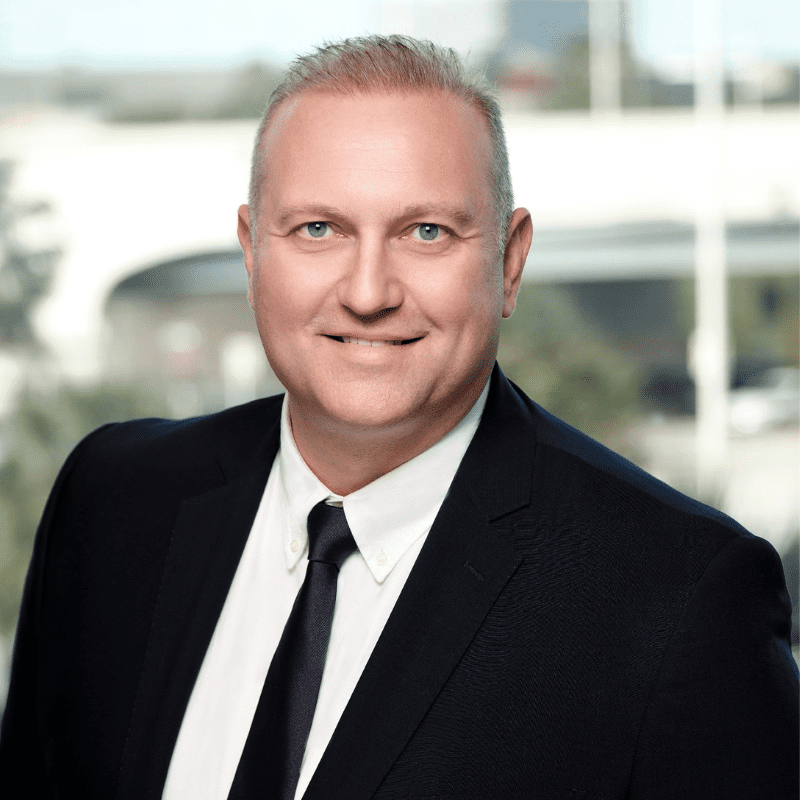
Robbert Rietbroek and the view from the other side of the box
He spent years choosing packaging for consumer brands. Now, at Graphic Packaging, Robbert Rietbroek is responsible for the business behind the box - and for making its investments pay.
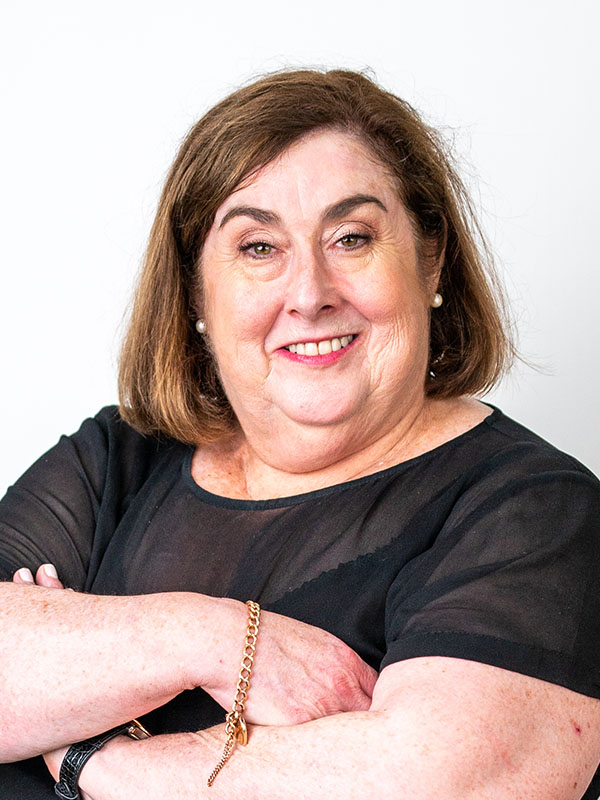
Joanne Howarth and the trouble with a very useful box
Joanne Howarth helped send thousands of polystyrene boxes into Australian homes. Looking for a better way to keep deliveries cool led her to waste wool, a Melbourne factory, and a new use for denim.

Barak Bar-Cohen Put the Factory on Wheels
The former Bai operator turned a stubborn variety-pack problem into a mobile manufacturing company. Its name carries a clue from Mars, and its machines are designed to arrive where the work already is.
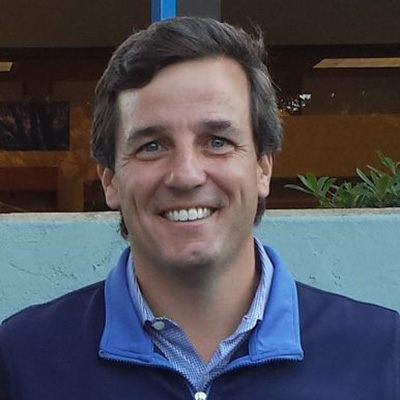
Robert Mock Bet the Company on a Seaweed Chip. The Recall Made Him Smarter.
A former derivatives banker tried to make seaweed crunch like a tortilla chip, lost the bet, and rebuilt around a better signal: what shoppers actually put in their carts.
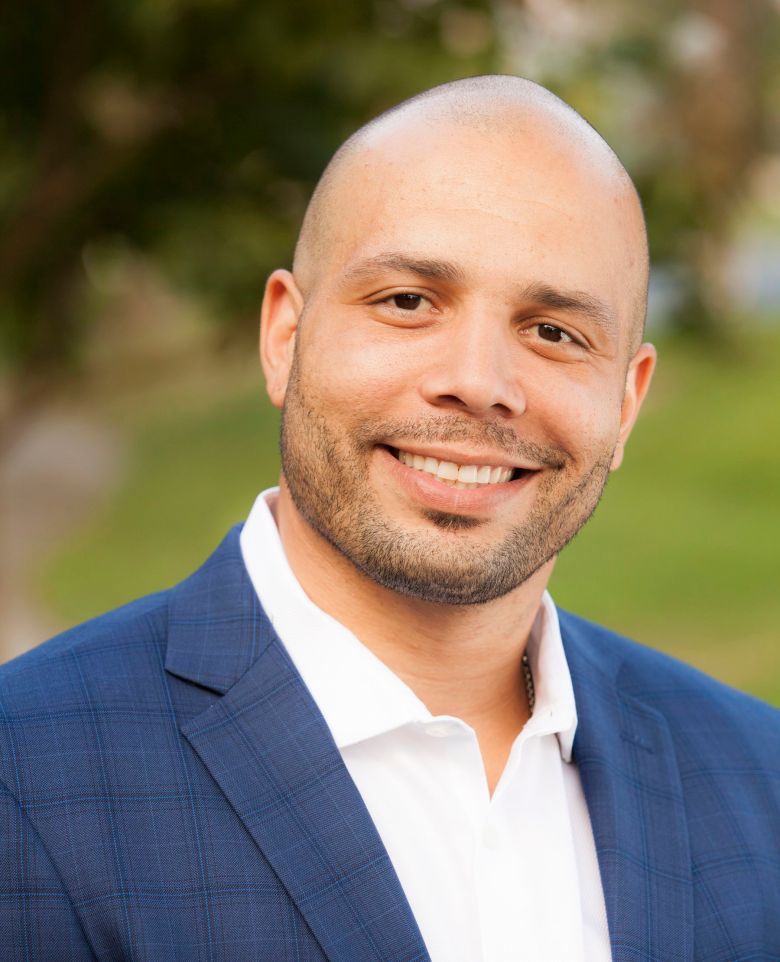
Darrell Jobe Built a Cooler Around Two Second Chances
A cardboard-box career became a study in replacement: plant fiber for foam, paid work for closed doors, and persistence for the future his past seemed to dictate.

Claire Fang Built a Consumer Brand Around the Part of the Oat Everyone Else Ignored
She did not invent oat bran. She made it legible - as porridge, a drink, a daily ritual and, eventually, a consumer company spanning continents.
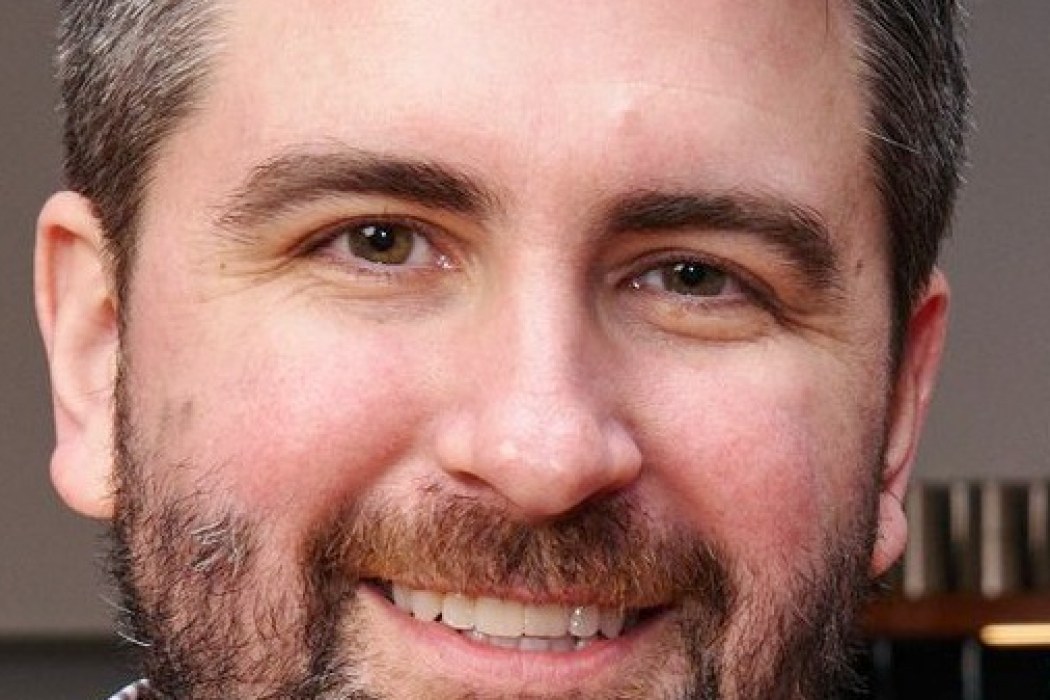
James Malley
James Malley is the co-founder and CEO of Paccurate, a New York-based software company whose API decides the cheapest, lowest-waste way to pack every shipment. He grew up around multi-carrier shipping software, trained in theater, and spent years building parcel apps before he and CTO Pat Powers turned a side project fixing carriers' dimensional-weight pricing into a venture-backed cartonization platform used by major retailers and 3PLs.
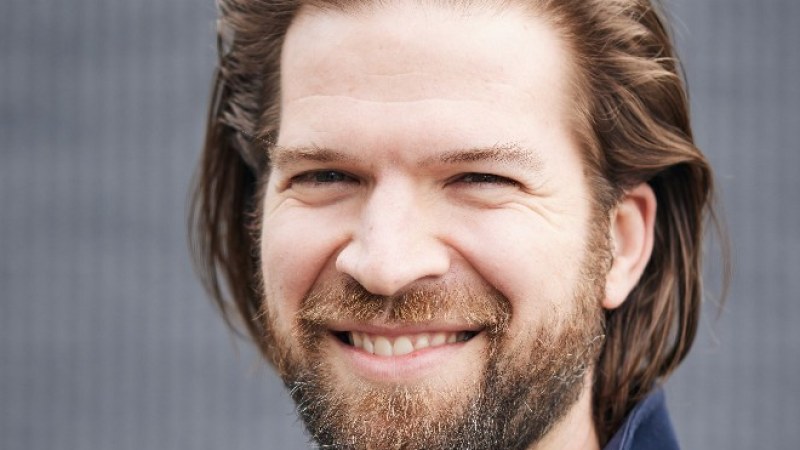
Marty Kolewe
Marty Kolewe is a chemical engineer turned food-tech founder and the CEO of Foodberry, a Boston company that reverse-engineers fruit skin to make edible, plant-based coatings that keep fresh food fresh without plastic. Trained at Johns Hopkins, UMass Amherst, and MIT's Langer Lab, he traded a career in drug delivery for one in snacks, betting that the science behind a peach's peel could reshape how the world packages and eats food. Under his leadership Foodberry has amassed 20-plus patents, closed a $15 million Series A, and lined up partners from a dairy-free ice-cream maker to the global owner of Babybel.

Julie Nguyen
Julie Nguyen is the CEO and co-founder of Methodology, a Bay Area premium meal-delivery service that ships chef-cooked, ingredient-strict meals nationwide in reusable glass jars. A Stanford economics grad who jumped from J.P. Morgan to Lumosity to founder life, she bootstrapped the company in 2015 by emptying her 401(k) and has grown it to eight-figure annual revenue.