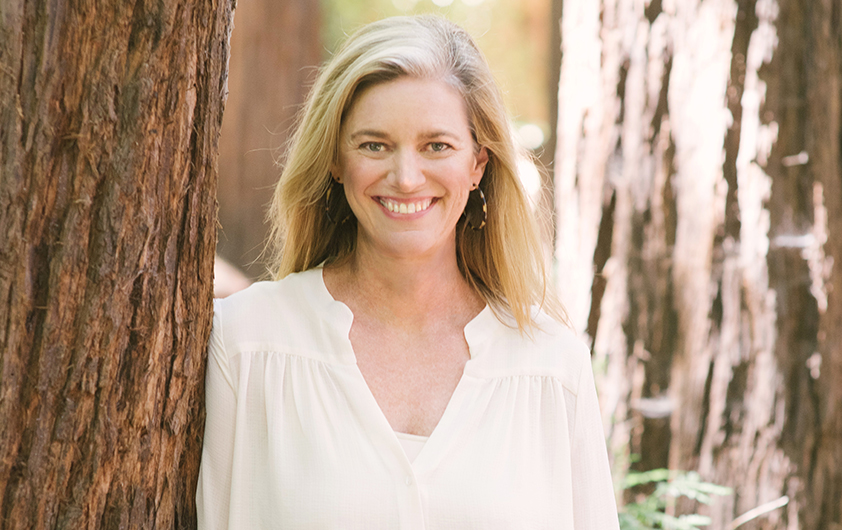
A bottle of face oil is an awkward place to conduct an argument. It has no room for footnotes. It offers a label, a scent, a price and, if the marketer is feeling ambitious, a promise of radiance. Hillary Peterson wanted considerably more from it. After a thyroid cancer diagnosis in her early thirties, she began reading the ingredients in the products she used. She wanted skincare that met her expectations for safety without giving up the pleasure or performance of the luxury counter. In 2015 she put about $100,000 of her own savings into True Botanicals and tried to build it.
The short version
- True Botanicals sells premium plant-based face and body care through its own site and selected retailers.
- Its distinguishing move is to pair outside ingredient certification with product-specific clinical studies.
- The company left wholesale, returned, and tried television when online advertising became less reliable.
- The useful lesson: make the claim measurable before buying a louder megaphone.
The shelves Peterson entered were already full of creams that promised youth and “natural” formulas that promised virtue. True Botanicals took the inconvenient route of promising both, then invited inspection. Its products carry MADE SAFE certification, a third-party ingredient standard. The company also publishes results from clinical tests of particular formulas. Neither a seal nor a study can guarantee that every person's skin will respond the same way. Together, they give a shopper more to examine than the usual parade of botanical adjectives.
A luxury argument with numbers in it
Consider Renew Pure Radiance Oil. In a company-published randomized, comparative, double-blind study conducted in late 2013, the oil was tested against Crème de La Mer. After 45 days, the reported increase in hydration was 40.6% for the oil and 36.4% for La Mer; the reported reduction in the appearance of fine lines and wrinkles was 22.6% versus 17.6%. Those numbers belong to that study, under its conditions. The canny part was the decision to name the opponent. Peterson gave a newcomer a familiar reference point and gave a skeptical customer something more specific than “works.”
What the face-oil trial reported
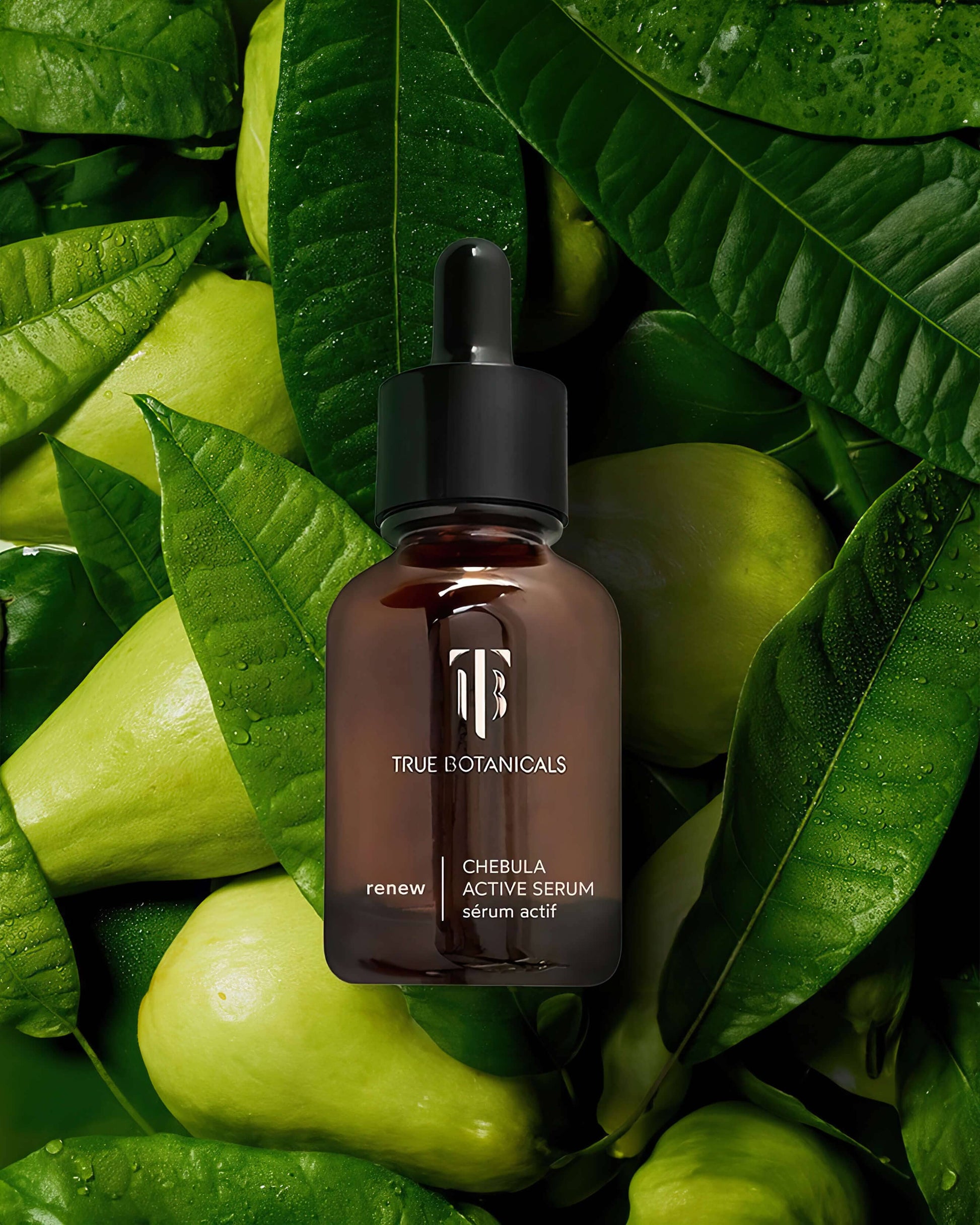
The product line has since grown beyond face oil: cleansers, serums, moisturizers, body care and targeted treatments for concerns such as dryness and visible aging. Chebula Active Serum, introduced in 2021, became the advertising star. Its current $90 price places it firmly in prestige skincare. The product page describes a six-week, single-blind study of 30 women aged 35 to 65 and reports that 97% saw a reduction in the look of fine lines after four weeks. That is useful context for a purchase; it is still a small, brand-reported trial, not a universal promise. The brand's three-step routine - cleanse, treat, moisturize - also makes an intimidating shelf easier to navigate.
The first store exit
The business did not move neatly from one successful channel to the next. In 2018, True Botanicals retreated from wholesale to concentrate on direct sales. Peterson later said 95% of sales came from its own channel at the time of its Series A. That online strength helped win investors: a $3 million seed round led by Unilever Ventures in 2017 was followed by an $8 million Series A led by Sonoma Brands in 2018. The cost of the idea, in other words, climbed quickly from one founder's six-figure savings to institutional money. The company's 2023 Series B from NextWorld Evergreen was undisclosed.
Then the web changed. As Apple's iOS privacy changes made digital advertising harder for direct-to-consumer brands, CEO Sandy Saputo tried a channel many of them treated as old-fashioned: television. She says True Botanicals began testing TV in 2021 as a performance channel. The bet was measurable, and it carried a memorable ingredient. Saputo reported that searches for “chebula” rose 922% in the following year. A spike in searches is not the same as profitable sales, but it does show how a difficult word escaped the skincare aisle and entered public curiosity.
“We didn't know if it was going to work.”Sandy Saputo, on testing television advertising
True Botanicals also returned to stores in 2021. Nordstrom, Credo Beauty and The Detox Market became part of the distribution mix. A shop counter lets customers touch, smell and ask about a $90 serum before buying it; the company's website offers replenishment subscriptions and discounts once they know what they like. By January 2025, Saputo said the brand had reached about $70 million in retail sales and a 48% customer retention rate. Those are management-reported figures, and “retail sales” is not the same accounting measure as company revenue. They nevertheless explain why investors were interested in a business with both repeat orders and room on store shelves.
Figures refer to different years and measures; they are shown as business markers, not a financial series.
What sits behind the word “clean”
True Botanicals occupies an odd but useful corner of the market. It competes with prestige formulas on texture and results, and with clean beauty brands on ingredients and environmental claims. The company says every product is MADE SAFE certified, that it is a Certified B Corporation, and that it commits 1% of annual sales through 1% for the Planet. Its packaging uses recyclable glass and FSC-certified cartons; the company also says it is working toward fully recyclable packaging, including closures. A glass bottle does not erase manufacturing or shipping impacts, but these commitments are more concrete than a leaf printed on cardboard.
There is also a practical limit to the lesson. A founder can copy the sequence - define a claim, pay to test it, show the method, then choose channels that suit the product - without copying the budget. Comparative trials, outside certification, television and field teams are costly. They suit a premium item with enough margin and repeat demand to recover that spending. A low-priced one-off product, or a formula whose results are hard to measure, would struggle to follow the same route. The point worth stealing is smaller: if a customer must trust you before buying, give them something checkable.
Peterson's original question was whether skincare could feel indulgent without asking customers to suspend judgment. True Botanicals answered with oil, serum, certification paperwork and a very unromantic set of percentages. The romance survived. In luxury beauty, that may be the unusual achievement.