Drop your phone in a parking lot. That half-second of stomach-lurch before it lands - that is the exact feeling Otter Products has spent three decades monetizing. The Fort Collins, Colorado company is the maker of OtterBox, the phone case wrapped around an enormous share of America's most expensive pocket computers. Its business is not really rubber and polycarbonate. Its business is the difference between a shrug and a repair bill.
The numbers say the strategy worked. Otter Products reports roughly $923.6 million in annual revenue, employs somewhere north of a thousand people, and in 2025 landed on Newsweek's America's Most Loved Brands list - a rare thing for a company that mostly sells accessories. It has stayed privately owned by the Richardson family the entire way, no IPO, no private-equity flip.
01 / The OriginA box that floats, built in a garage
The story does not start with phones. In 1991, Curt Richardson - who had already spent 17 years running tooling and molding shops - built a waterproof box in his Fort Collins garage. The inspiration was water sports, not smartphones. He wanted a container that could take a beating and keep the contents dry. He formally founded Otter Products in 1998, and for years the company sold rugged, water-resistant cases to people who spent time near lakes and rivers.
Then Apple happened. When the iPod arrived, Otter started making cases for it around 2004. When the smartphone market exploded, the company made a decision that looks obvious now and was a real bet then: in 2010 it stopped making iPod cases and pointed everything it knew about plastic-under-stress at the phone in everyone's hand.
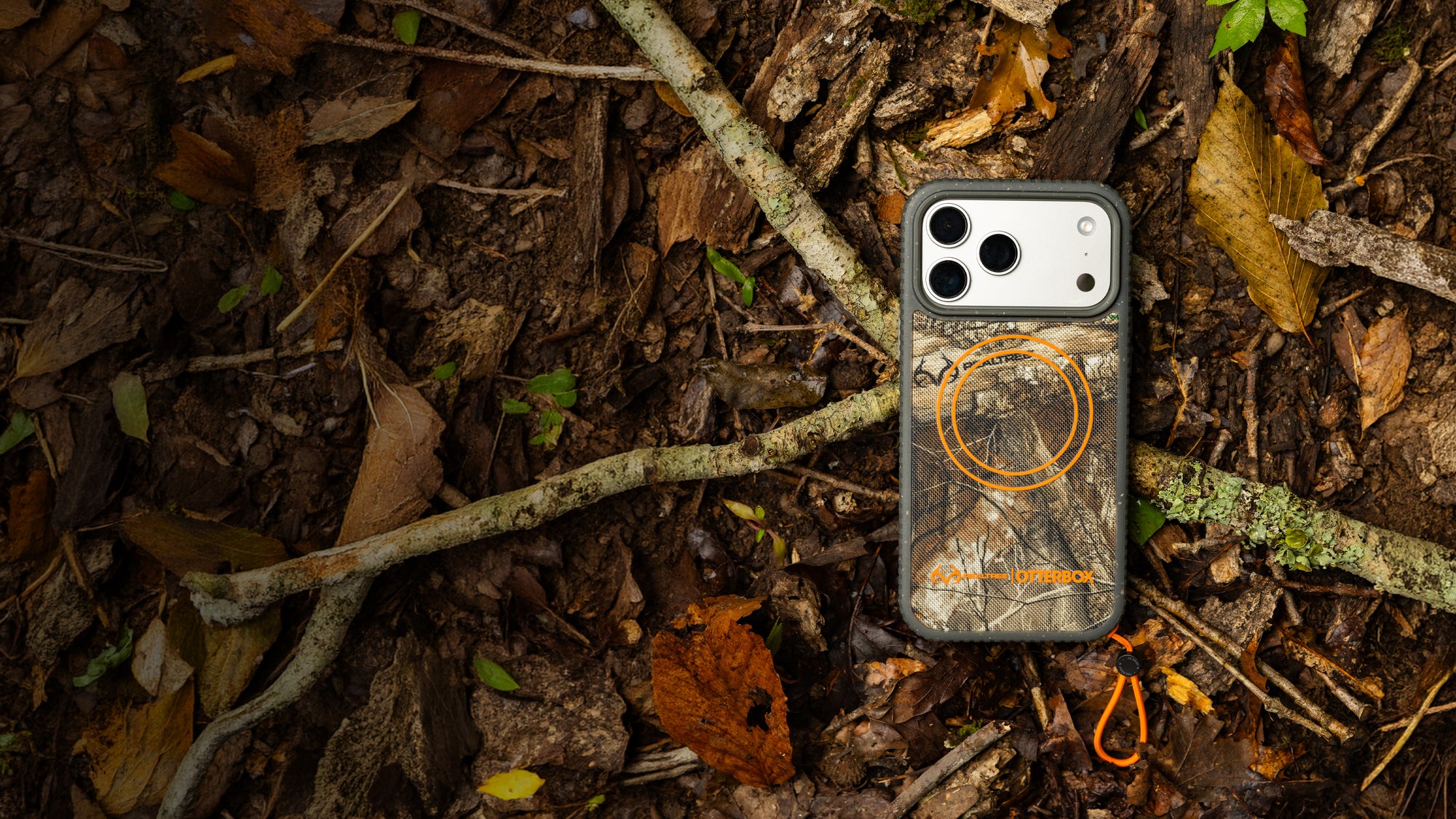
02 / The ProductSelling clumsiness insurance, quantified
OtterBox's clever trick is turning a Pentagon spec sheet into a purchase justification. Its cases are tested against the MIL-STD-810 military drop standard, and the marketing quantifies exactly how much abuse each tier can take. The slim Commuter and Symmetry lines survive about three times that standard; the armored Defender line is rated for up to seven times it. That is not a vague promise of toughness - it is a number you can hold onto while you decide to spend $60.
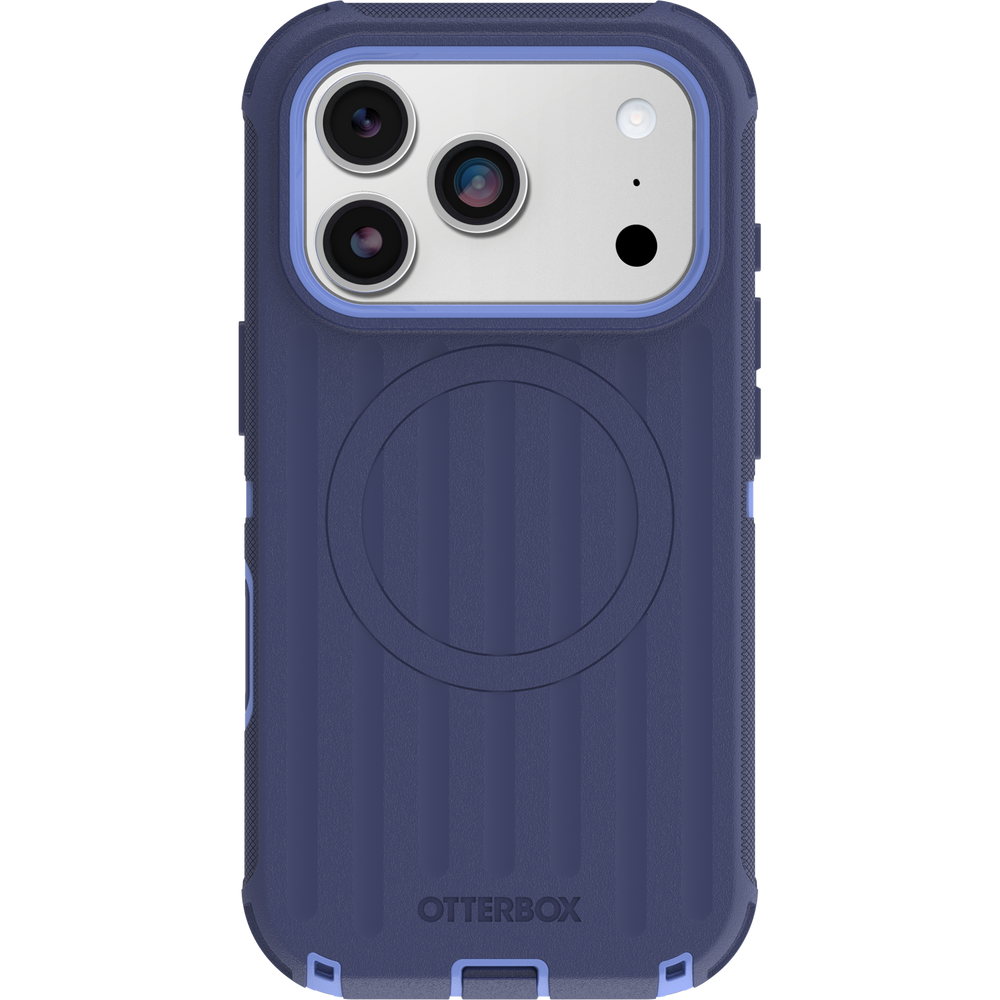
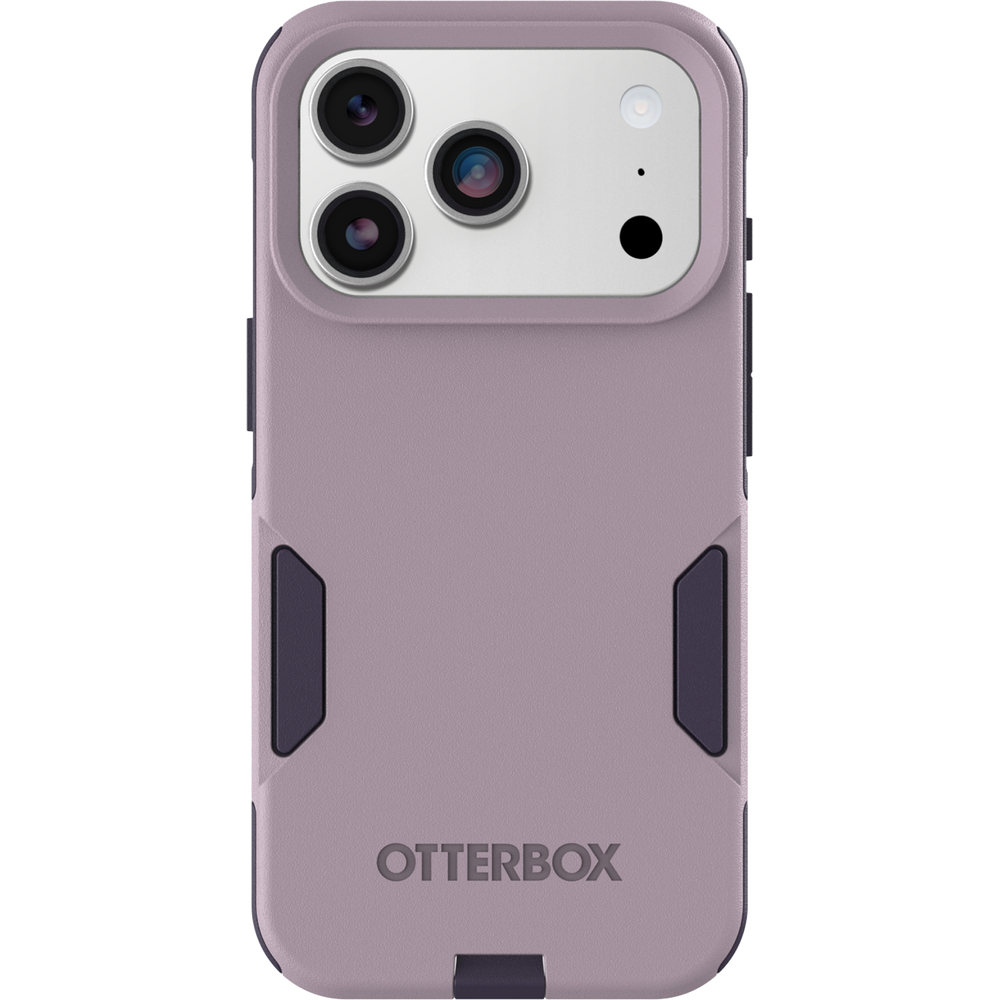
The lineup is really a spectrum of how much bulk you will trade for how much protection. The Defender is the tank - multi-layer, port covers, holster. The Commuter is the everyday middle. The Symmetry is the one for people who want the phone to still look like a phone, now with MagSafe. It is a good example of a company reading its customers honestly: not everyone wants a brick, so they sell you the exact amount of paranoia you are comfortable carrying.
03 / The PortfolioOne obsession, four brands
Otter Products is not just OtterBox. The same protect-the-fragile-thing instinct runs through the whole house of brands.
OtterBox
The flagship. Phone and tablet cases, screen protectors, power and charging accessories. The #1 most trusted smartphone case brand in the US.
LifeProof
Acquired in 2013. Waterproof and rugged cases aimed at active and outdoor users - the water-sports roots, revived.
Liviri
Reusable thermal shipping packaging for cold-chain logistics - food, wine, pharma. The protection obsession, applied to boxes again.
OtterCares
The philanthropic foundation, founded 2010. Teaches youth entrepreneurship and philanthropy; 3,000+ grants, $7.5M+ given.
Liviri is the quiet surprise. A phone-case company now ships your groceries and wine cold, using reusable containers engineered with the same thermal and durability discipline. It is a neat bit of corporate logic: if your core skill is making a container that protects what is inside, that skill does not have to stay in the phone aisle.
04 / The MoatWhy people pay $60 for rubber
In a category flooded with $8 Amazon cases, OtterBox charges a premium and gets it. The reason is trust, and trust is expensive to build and cheap to keep. When a phone costs a thousand dollars, the case stops being an accessory and becomes a hedge. People do not comparison-shop a hedge as aggressively as they shop a gadget - they buy the name they have seen survive.
Competitors like Spigen, Speck, UAG, Case-Mate and Pelican all fight for the same shelf, and Apple sells its own first-party cases. OtterBox's defense is not a feature - features get copied. It is that decades of drop tests, carrier partnerships and retail presence have made "OtterBox" a synonym for "the phone will be fine." Newsweek putting it on a Most Loved Brands list, for a phone case, is the tell.
05 / The PathGarage to global, one family
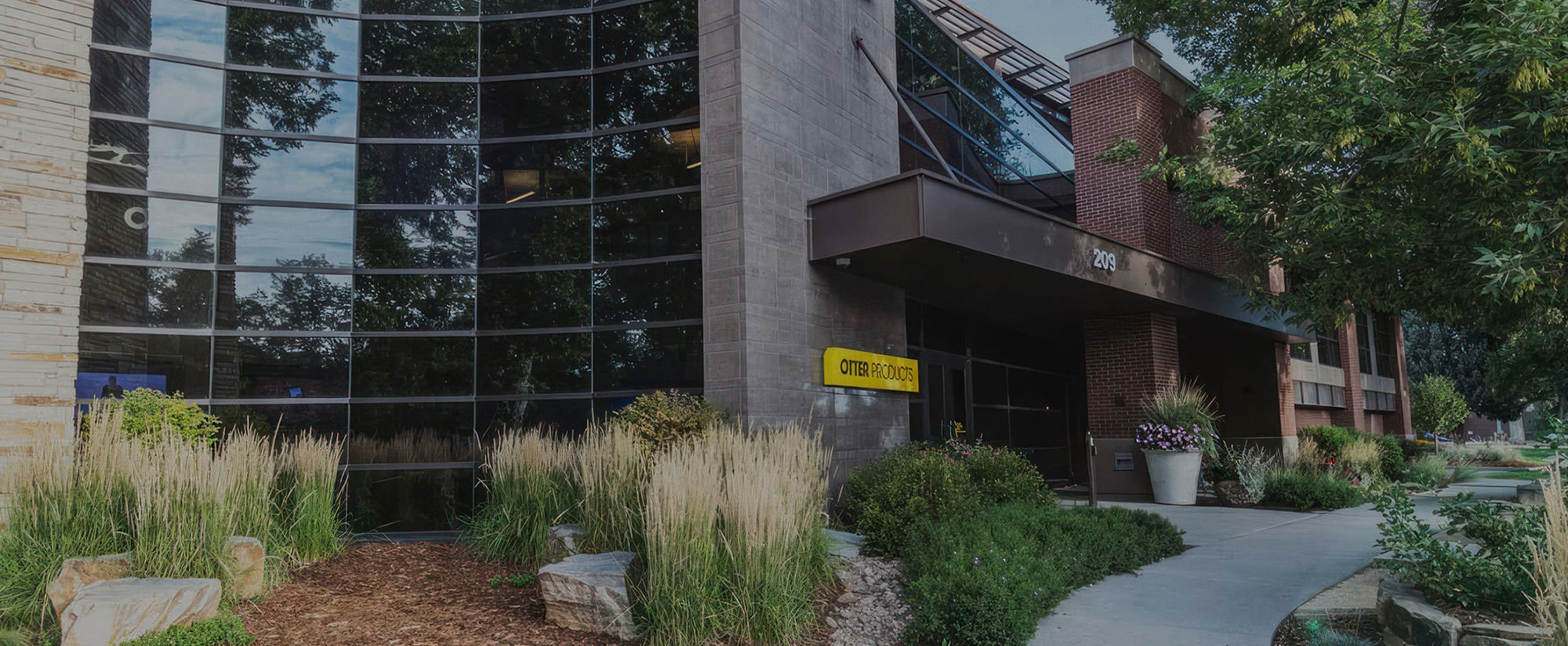
Leadership has stayed close to home. Curt Richardson moved from CEO to chairman and chief visionary officer in 2012. In 2022 his son, JC Richardson, took the CEO seat. In 2024 the family brought in an outside operator, Trey Northrup - previously CEO of LIXIL Americas and a two-decade Whirlpool veteran - while JC moved to chairman. It is a textbook founder-to-family-to-professional handoff, done without selling the company to do it.
Curt Richardson builds the first waterproof OtterBox in his garage.
Otter Products is formally founded in Fort Collins.
Drops iPod cases to focus on phones; OtterCares foundation launches.
Acquires LifeProof, adding waterproof cases.
Launches Liviri reusable cold-chain packaging.
Trey Northrup joins as CEO; JC Richardson becomes chairman.
OtterBox named to Newsweek's America's Most Loved Brands.
06 / The Reader's TakeawayWhat you can actually steal from this
The copyable idea is not "make phone cases." It is that Otter picked a boring, permanent problem - expensive fragile object meets hard floor - and refused to get bored of it. Gravity is not going out of fashion. Phones are not getting cheaper. Hands are not getting steadier. When you anchor a business to a durable human anxiety and then quantify your answer to it, you get pricing power that a feature war cannot touch.
Where it would not work: this only holds while the thing being protected stays expensive and personal. Commoditize the phone, or make it genuinely rugged out of the box, and the hedge loses value. Otter's answer to that risk is the same one it started with - take the core skill, aim it at the next fragile, valuable thing, and protect that too.