robotics
(227)
Symbotic knows where the box goes.
The clever part of Symbotic’s warehouse robots is what happens after the warehouse. Every mixed pallet is a plan for the store at the other end.

NSK and the price of standing still
A cracked bearing can stop an entire production line. NSK has spent a century learning why - and turning the answer into a business.
GXO Logistics makes the boring bits work.
Behind the brands you recognize is a company paid to make millions of small decisions go right. GXO’s warehouse floor offers a practical test of what robots, software and outsourcing are actually worth.
Regal Rexnord makes the parts that keep the world moving
A factory can lose thousands of dollars an hour when one ordinary component stops working. Regal Rexnord has built a business around making those components - and getting them to work together.
Foxconn makes AI a factory job
The company behind the iPhone is putting its manufacturing machine to work on AI servers. Its real product has always been the ability to make something complicated, again and again.

Teach the truck. Move the mountain.
Pronto took self-driving technology off the highway and into the quarry. Its bet: the trucks you already own can learn a new job.

Locus Robotics found the shortcut: less walking.
A warehouse operator lost its robot supplier and built its own answer. Locus Robotics turned the distance between shelves into a business - then started teaching the robots to pick, too.

Hadrian makes the factory the product
A missile can wait on a single metal part. Hadrian is betting that the way to shorten that wait is to redesign the factory around software, then sell the capacity.

BRINC Drones wants to get there first
A drone that can break a window is useful. A drone that gives first responders time to think may be worth much more.
Gecko Robotics goes where the data isn't.
A wall-climbing robot makes a good entrance. Gecko Robotics’ bigger bet is that measuring the physical world can change how we repair it, finance it, and build it again.
Stord makes the delivery promise real
A beautiful checkout is easy to admire. Stord has built a business around the harder part: getting the right box to the right door, while keeping independent brands in charge of the relationship.
Quantum Systems learned to fly without the signal
A German drone maker found its hardest engineering lesson in Ukraine. Now it is using that experience to connect autonomous machines across air, land and sea.

IQ Capital bets on the parts the future is missing
Quantum computers need networks. Robots need power. Factories need better systems. IQ Capital backs the companies fixing those awkward details - and helps them find a market.
ARTPARK and the robot that had to begin with a joint
At IISc, a publicly backed venture builder tackles the expensive distance between a clever experiment and a useful machine. Its wager: share the tools, fund the awkward early work, and let some inventions belong to everyone.
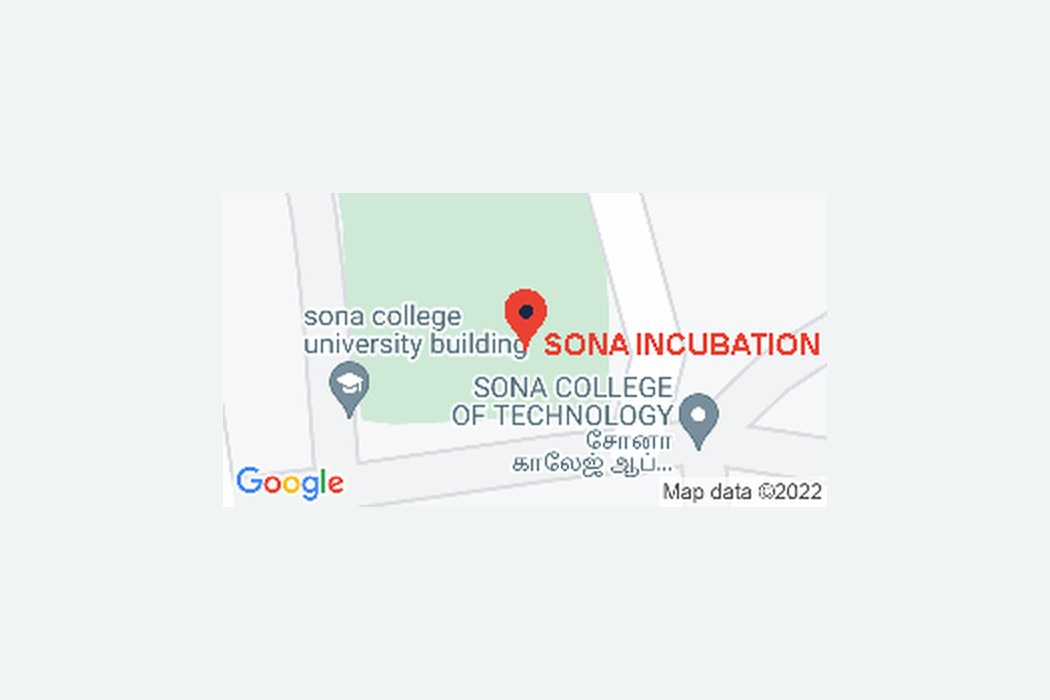
Sona Incubations puts a machine shop behind the startup pitch
In Salem, a campus incubator pairs fabrication tools with an IIT Madras connection. Its proposition is practical: give early founders somewhere to build, someone to question them, and a route to seed support.
Innovation Works bets on the part after the invention
Pittsburgh has plenty of people who can build something clever. Innovation Works helps them answer the more expensive question: who will buy it?
Machina Labs builds a factory that can change its mind
A flying C-17 repair panel, a custom Toyota tailgate, and two robots with a taste for sheet metal. Machina Labs is testing what happens when a factory can make a new shape without buying a new die.

Bowery Farming grew the salad. Could it grow the business?
Bowery put leafy greens under LEDs, taught software to tend them, and reached grocery shelves. Its 2024 closure exposed the expensive distance between a working farm and a working business.

General Intuition Wants AI to Learn What Happens Next
The Medal spinout is turning gameplay and controller actions into training material for AI. Its $6.2 billion valuation rests on a question a flying football car can only partly answer: will those lessons travel?
Ommo wants machines to know where their hands are
A rotating magnet, tiny sensors and a stubborn question: where is the tool when the camera cannot see it? Ommo is turning that problem into a business in surgical navigation and physical AI.
Redpoint Positioning gives the forklift a sixth sense
A warehouse can know where everything is and still have a collision. Redpoint Positioning closes the gap between locating a worker and making a machine react.

Dash Bio wants to stop billing you for the wait
The Moderna veterans behind Dash Bio are automating the laboratory work between a promising drug and usable evidence. Their quieter provocation: publish the price, then get paid for finishing.

LightYX puts the blueprint where the building happens
A laser line on a concrete floor sounds like a modest invention. LightYX is betting that construction’s expensive mistakes begin in the gap between seeing a plan and knowing where to build.

Easy Aerial’s bright idea: keep the drone on a leash
Easy Aerial builds autonomous drones that can draw power through a tether, launch from a box, and watch over sites or moving vehicles. Its wager is that security teams often need a longer look more than a longer flight.

The Drone Racing League: from prime time to the auction floor
DRL built the aircraft, the television spectacle, and a game that could turn players into paid pilots. Its rise - and the equipment auction that followed - reveals what it takes to manufacture a sport.

Jiga wants your engineer to meet the machinist
A custom part can survive a thousand calculations and still be undone by one unanswered question. Jiga puts engineers and manufacturers in the same conversation, with software to keep the paperwork from taking over.
GXO Logistics makes a business of the boring bits
A robot moving a plastic tote explains GXO better than a thousand delivery vans. Inside the warehouse operator turning small, repetitive jobs into a $13.2 billion business.
DroneDeploy gave the jobsite a memory. Procore paid $845 million for it.
The drone was the beginning. The business became a shared record of what got built, what went wrong and what needs attention next.

Opentrons Labworks puts the boring work on autopilot
Discovery gets the applause. Pipetting gets the afternoon. Opentrons builds lab robots that take on the repetition, and its next wager is that AI will need a reliable pair of hands.
Hy-Tek Intralogistics makes the warehouse do the walking
A returned shirt, a roaming picker, and a robot reveal what Hy-Tek Intralogistics sells: a warehouse whose parts can finally work together.