robotics
(260)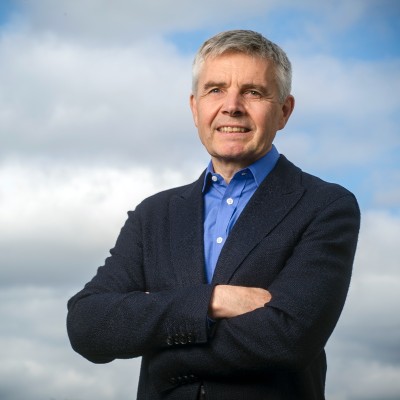
Paul Drayson and the problem of running out of runway
Paul Drayson left a ministerial job to pursue Le Mans, then drove an electric prototype past 200mph. His route through engineering, government and company building keeps bringing him back to the practical test: will the thing work?
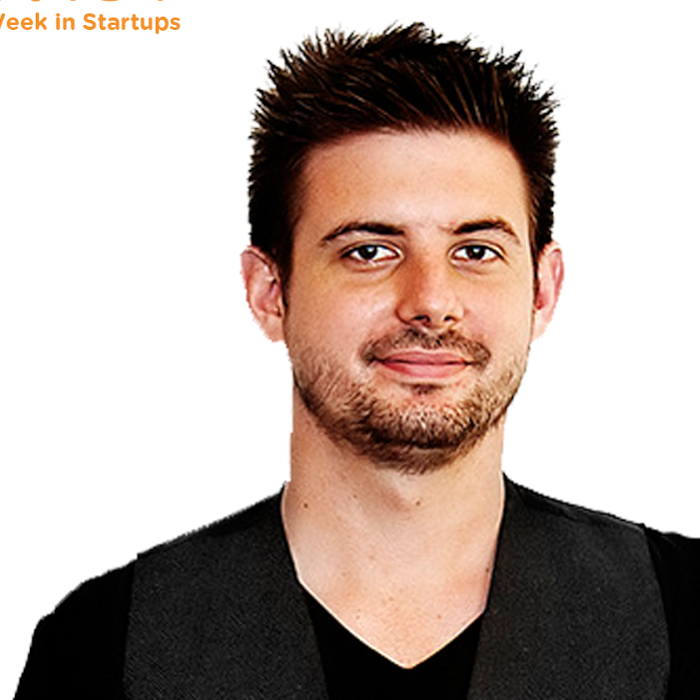
Kevin Gibbon and the box that kept coming back
Shyp made shipping feel easy, then ran out of time to make it pay. Kevin Gibbon has spent the years since getting closer to the machinery behind the promise.

Jay Dawani and the art of changing the machine
He set out to make autonomous robots possible, then designed chips, then walked away from the chips. At Lemurian Labs, Jay Dawani keeps following the same question: what is actually stopping the idea from working?
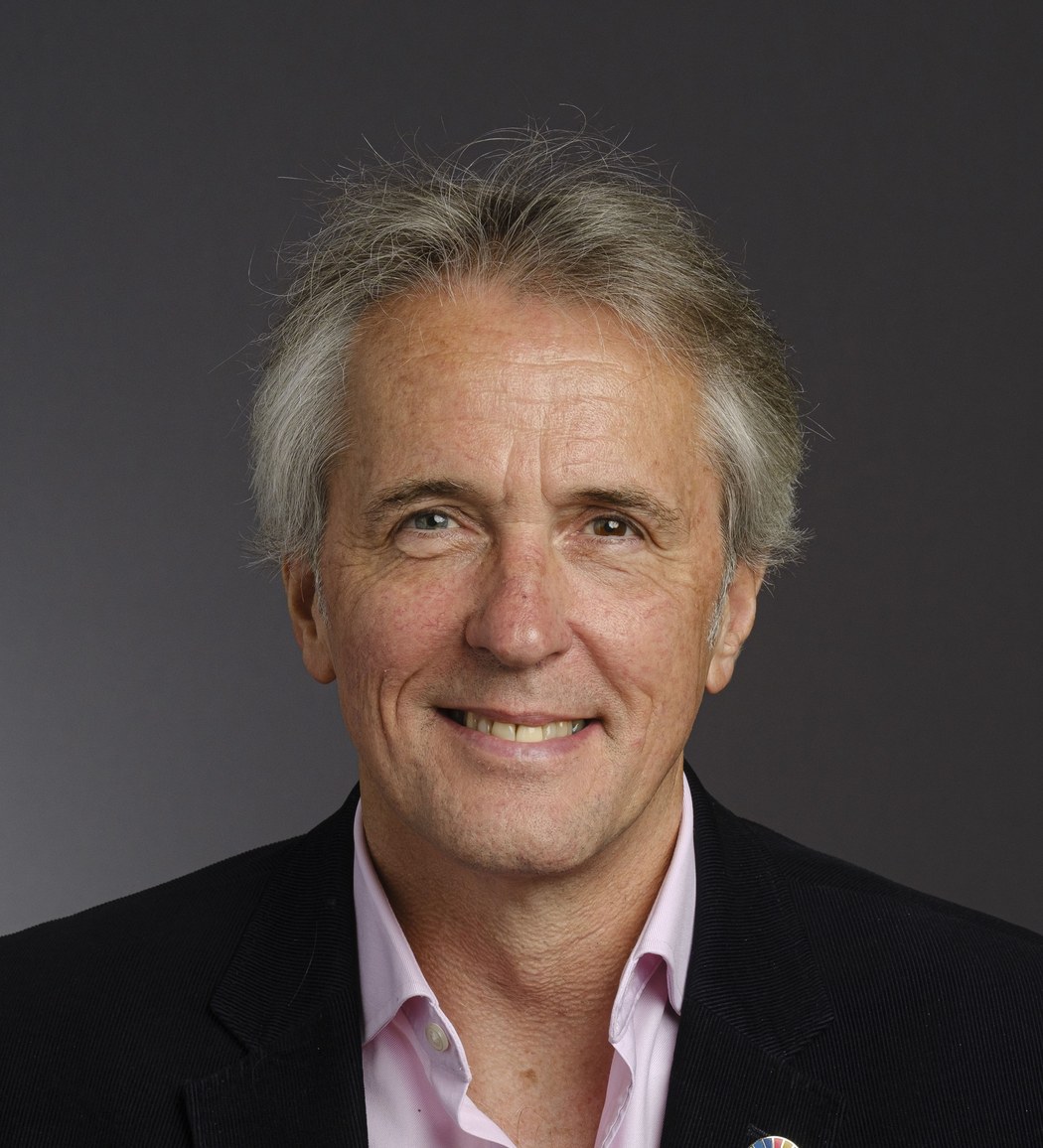
David Lane and the trouble with a perfect demonstration
Before he co-founded SeeByte, David Lane worked as a North Sea diver. His career in underwater robots, company building and public research has kept returning to one awkward question: what happens when a clever machine meets the real world?
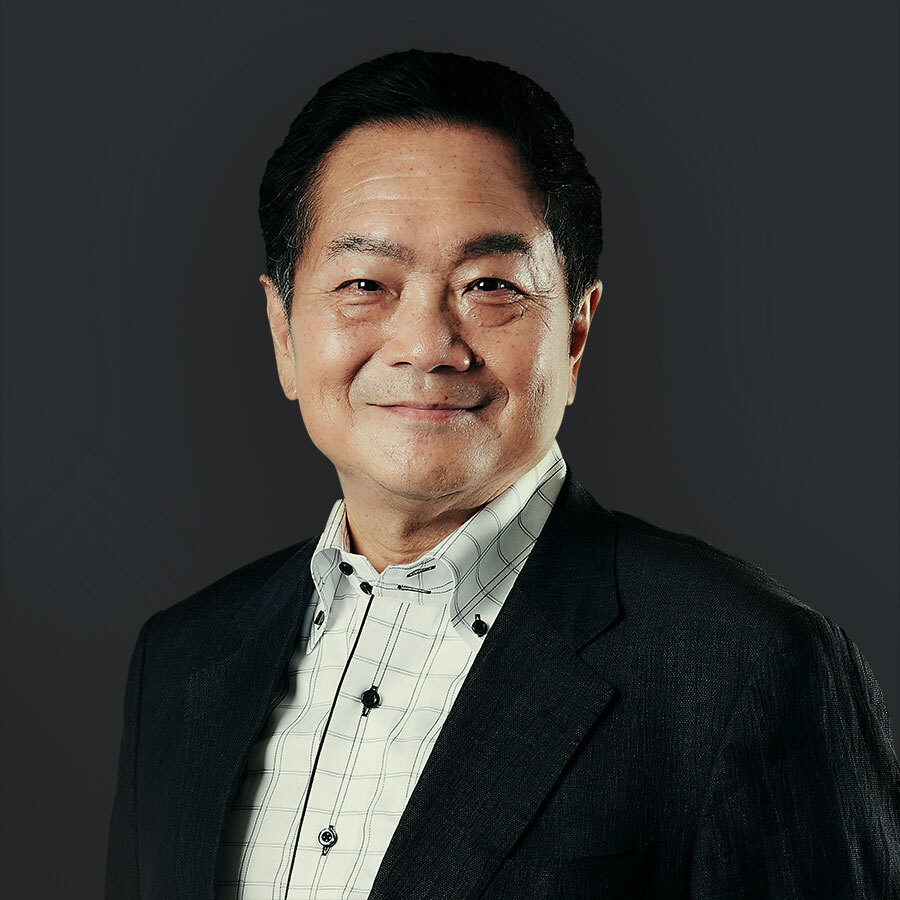
Ken Kutaragi and the trouble with a sensible idea
Before PlayStation, Ken Kutaragi wanted video games to sound better. That small complaint led him into a much larger argument about what computers were for - an argument he is still having.

Cynthia Perazzo and the work between the breakthroughs
Before co-founding Sovato, Cynthia Perazzo spent years working on the decisions that turn new technology into everyday practice. Her career offers a view of company building from the place where strategy meets the people expected to make it work.
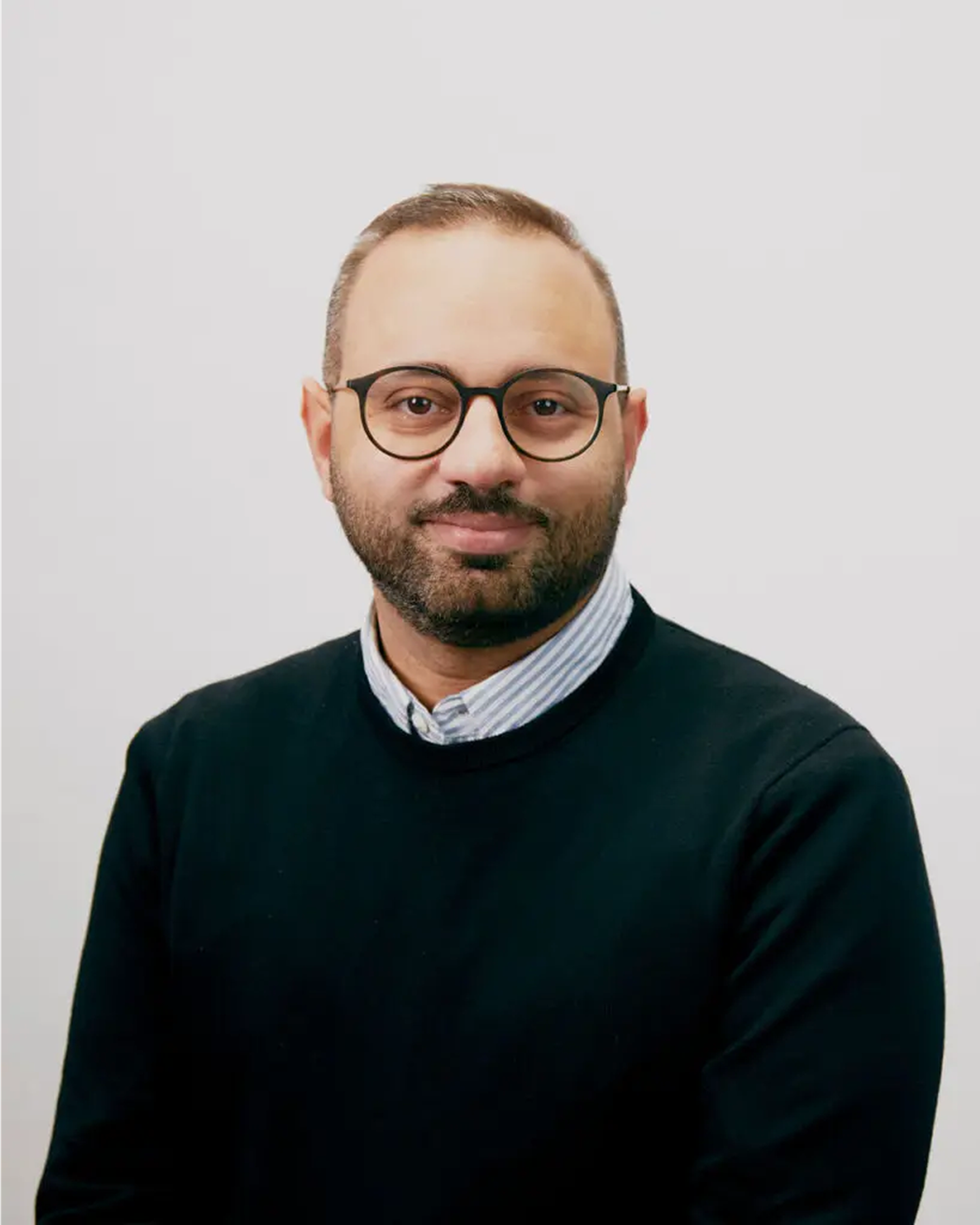
Mostafa ElSayed and the problem between the machines
He left architecture to build a robot arm. Running Automata taught Mostafa ElSayed to look beyond the machine - at the people, spaces and unfinished work around it.
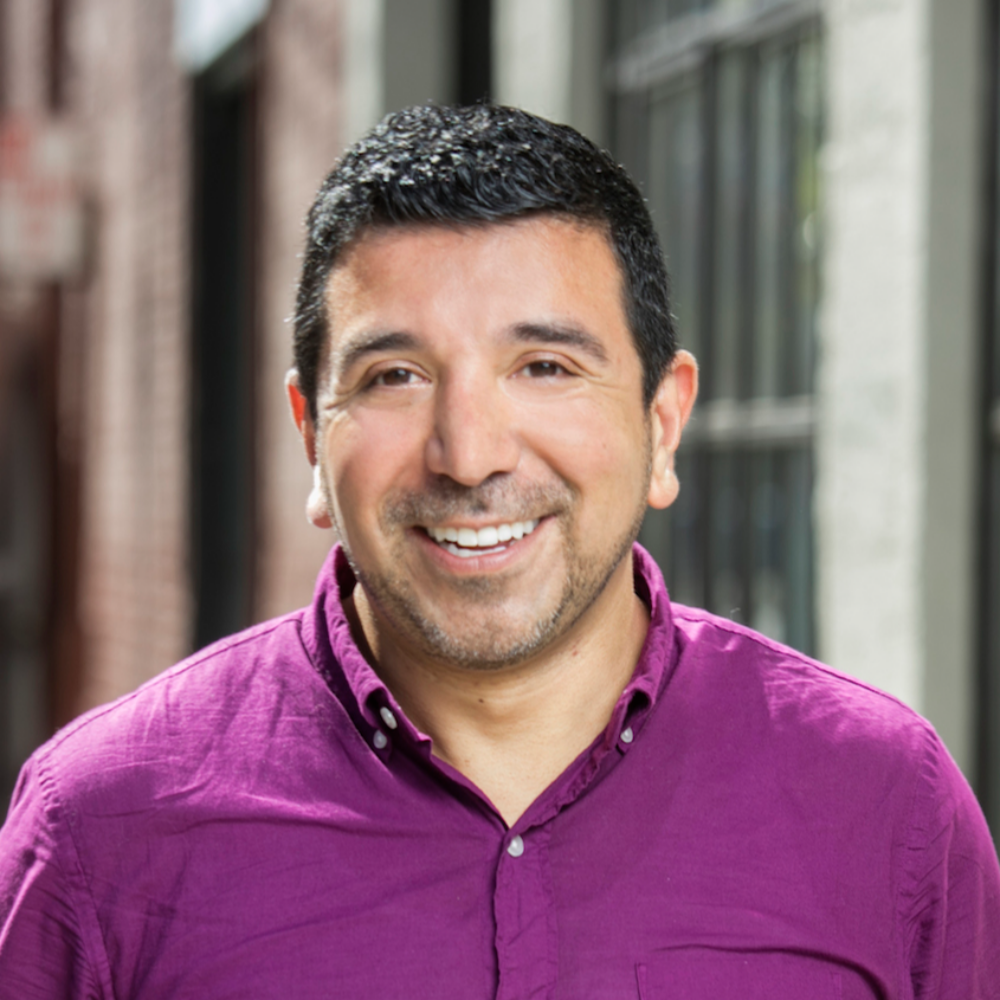
Kyle Arteaga and the future he could picture
As a boy in New Mexico, Kyle Arteaga could imagine the machines of tomorrow more easily than his own future as a father. The Bulleit Group co-founder has spent his career working on the distance between what exists and what people believe is possible.
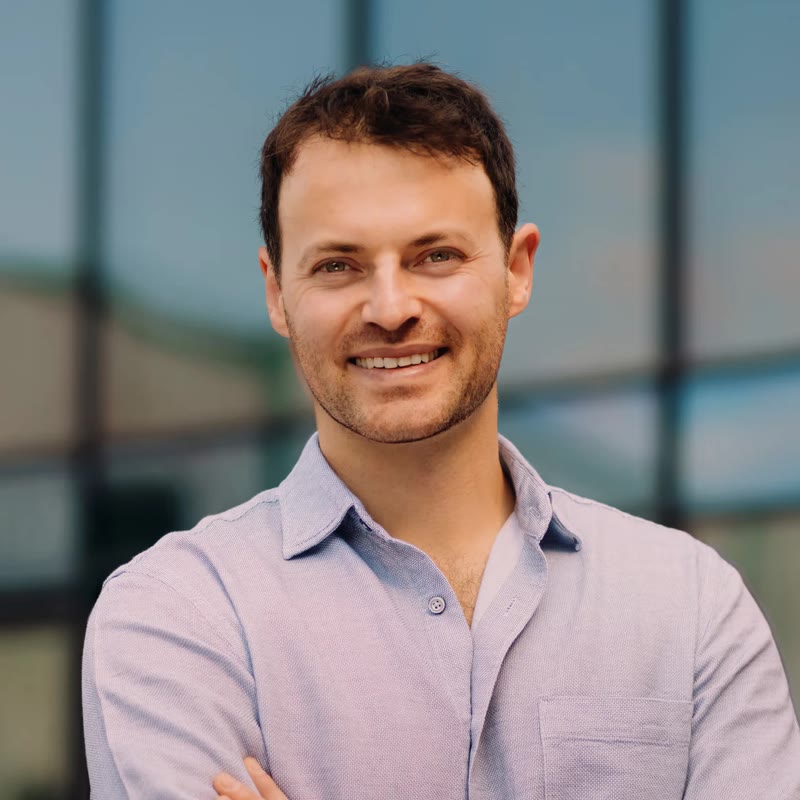
Alex Kendall’s car learned the wrong lesson.
An early Wayve experiment rewarded a car for distance travelled. It learned to zigzag. For Alex Kendall, the journey from that awkward lesson to production car agreements has been an education in what intelligence actually requires.
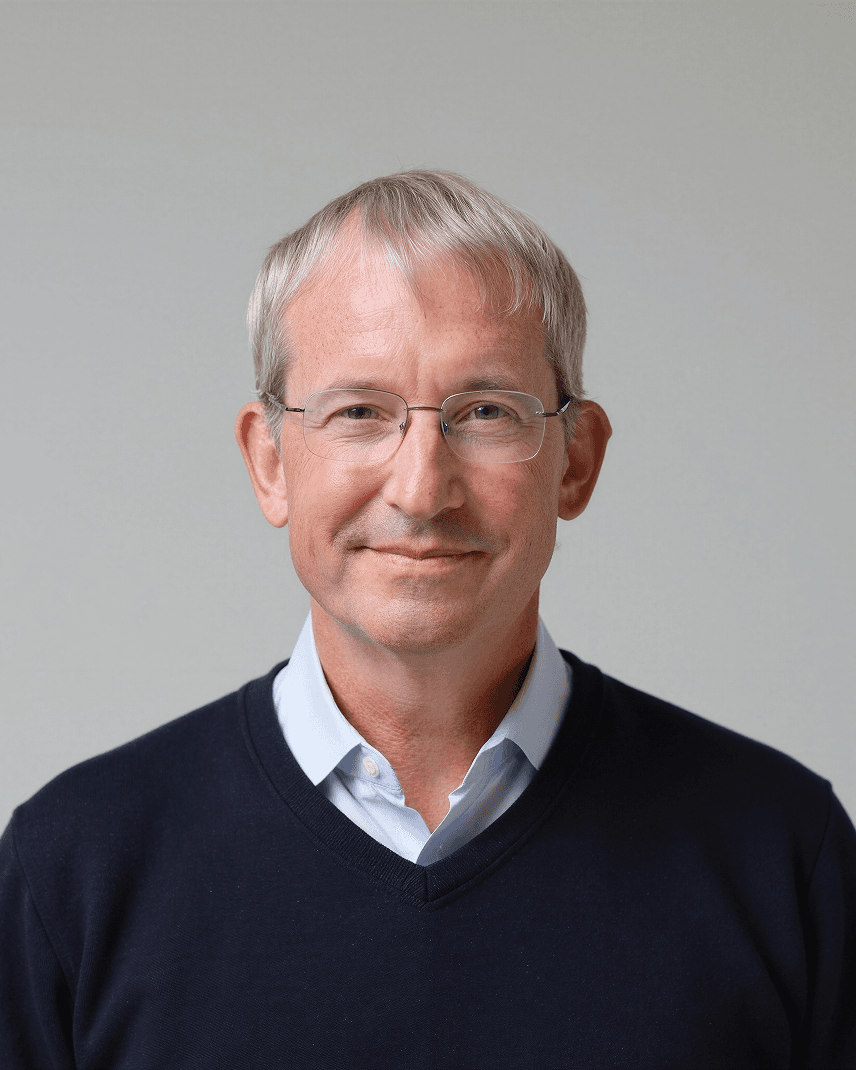
Colin Angle’s unfinished business with the living room
He helped put the Roomba in millions of homes. With Familiar Machines & Magic, Colin Angle is returning to an older ambition: a robot people want around for its company.

Victor Dewulf went looking for value in the wrong bin
A Belgian engineer left Goldman Sachs, borrowed a garage and taught a computer to recognise rubbish. His next problem is getting an entire recycling plant to see what it is throwing away.
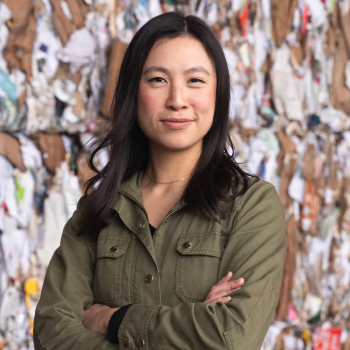
Rebecca Hu-Thrams and the second life of everything
An empty margarine tub was useful in Rebecca Hu-Thrams’s childhood home. At Glacier, she is applying the same idea to a much larger pile of things people have finished with.
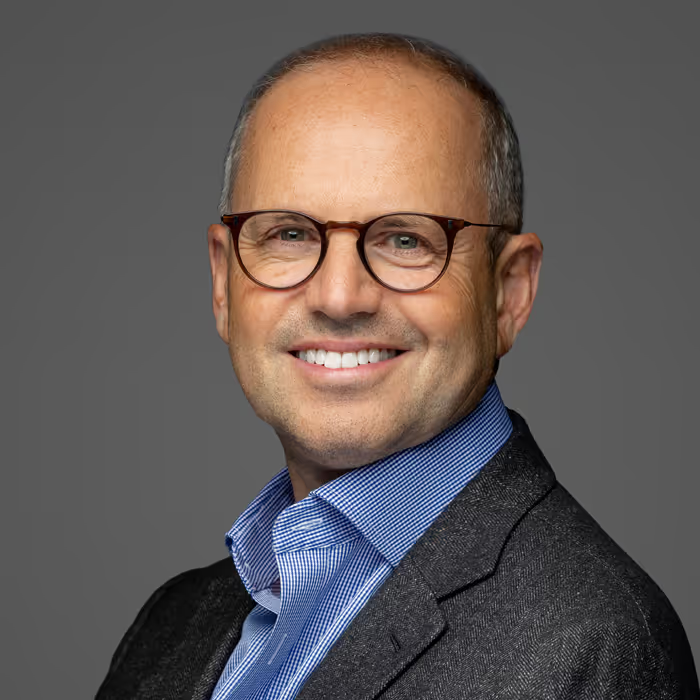
Tim Steiner and the long journey of the weekly shop
He left bond trading to deliver groceries, then sold the machinery to other supermarkets. As Ocado prepares for a leadership handover, Tim Steiner’s career turns on a question he has been answering since 2000: what, exactly, is this business?

Patrick Kelleher and the thousand-warehouse problem
After three decades in contract logistics, Patrick Kelleher took charge of GXO with a deceptively difficult assignment: make the knowledge inside a global warehouse network travel as efficiently as the goods.
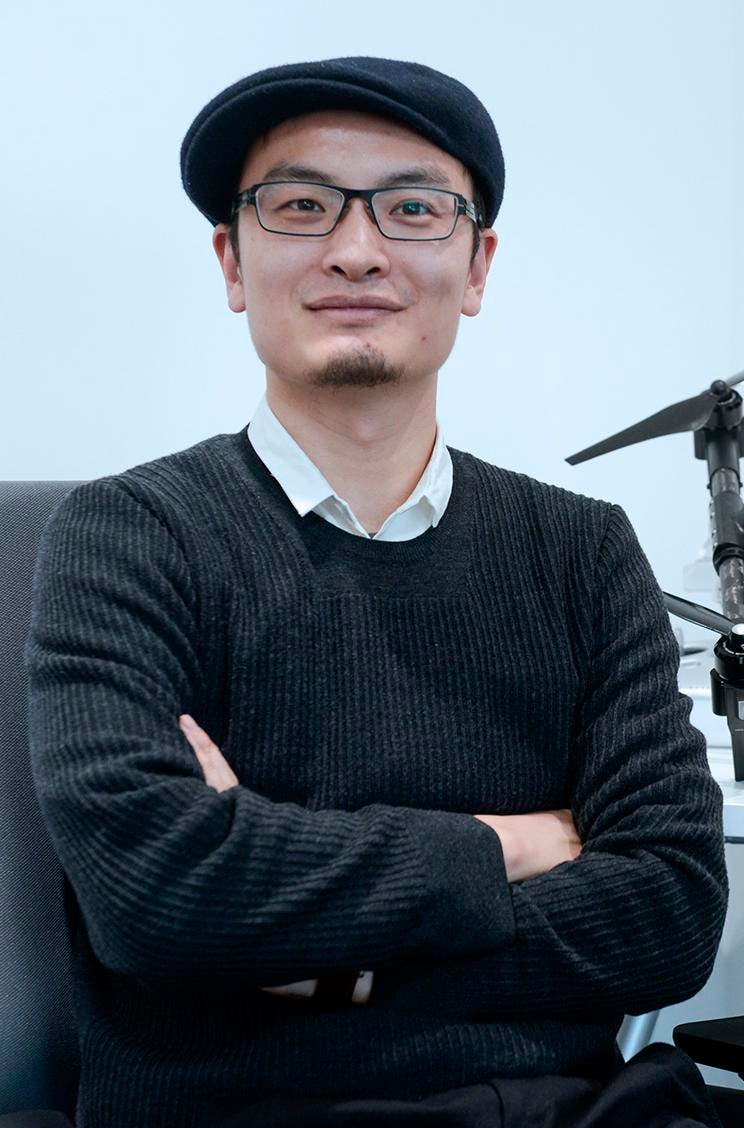
Frank Wang’s argument with gravity
A crashed model helicopter gave DJI’s founder a problem worth keeping. Twenty years after starting the company, Frank Wang is still learning what it takes to make complicated things behave - including a company.
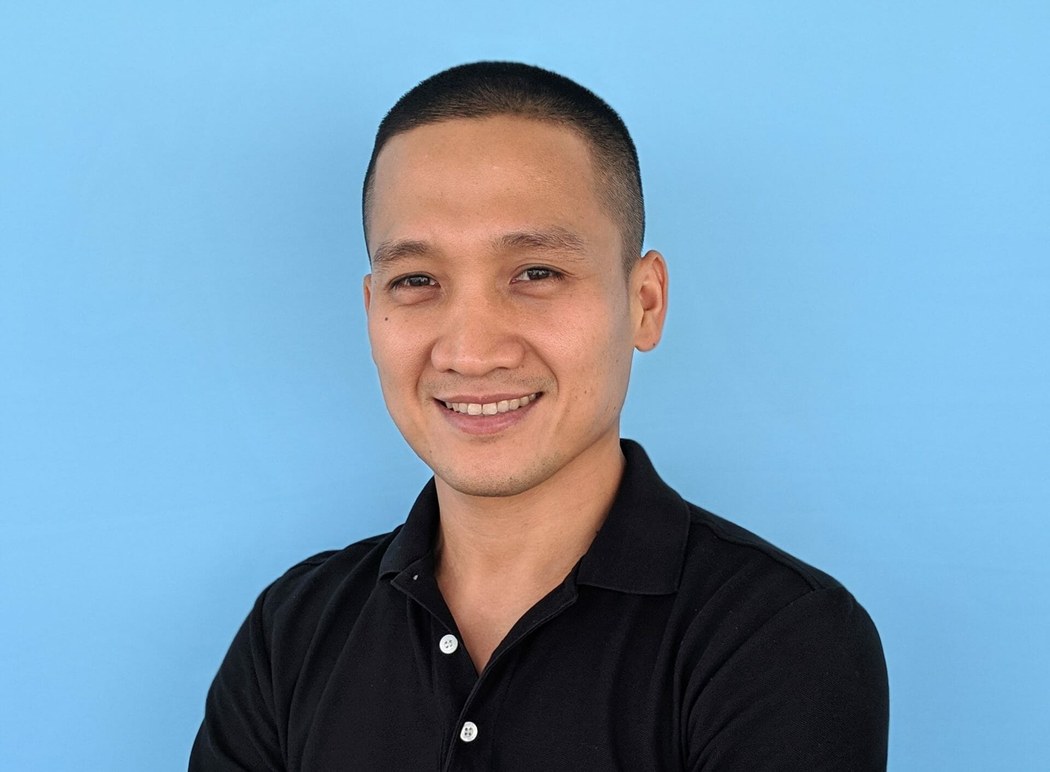
Duy Huynh and the Education of a Desk
He wanted to build a robot that could run the house. A standing desk, a shipping mistake, and some unusually vocal customers taught the Autonomous founder what people would actually buy.
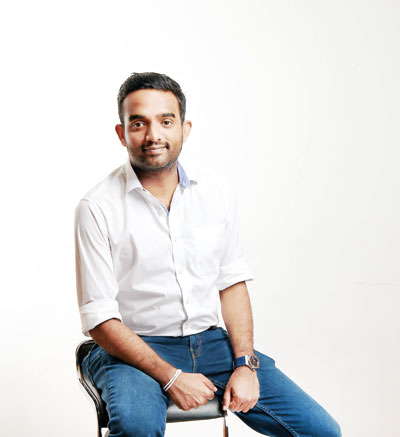
Chamira Jayasinghe and the business of staying
A cricket broadcast opened the door. Games, robots and AI followed. Behind Arimac’s varied ambitions is Chamira Prasad Jayasinghe’s persistent question: what would give Sri Lankan talent a reason to build at home?
Jack Jay and the surprisingly ordinary shape of the future
Jackson Jesionowski built Persist around people waiting for a chance to build. At Open Droids, he is taking that same argument into the physical world, one wheeled robot at a time.
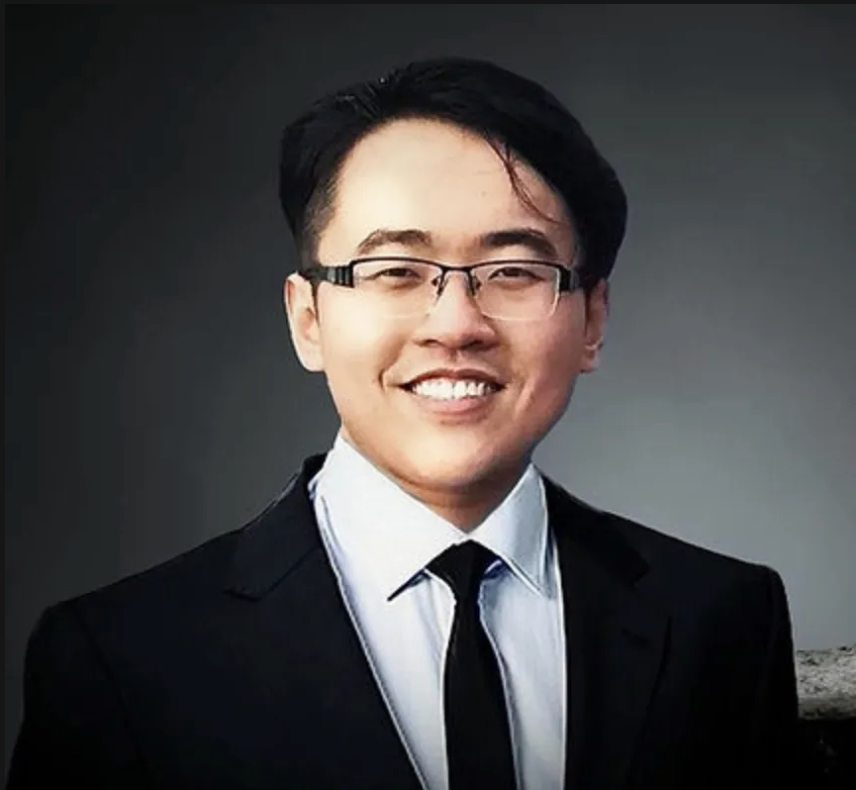
Yulai Weng and the Robot That Had to Leave the Lab
A lawn-clearing prototype at Penn led Yulai Weng toward NOVABOT, then BESTMOW. His journey follows a stubborn engineering problem: getting a robot to become an ordinary part of somebody else’s day.
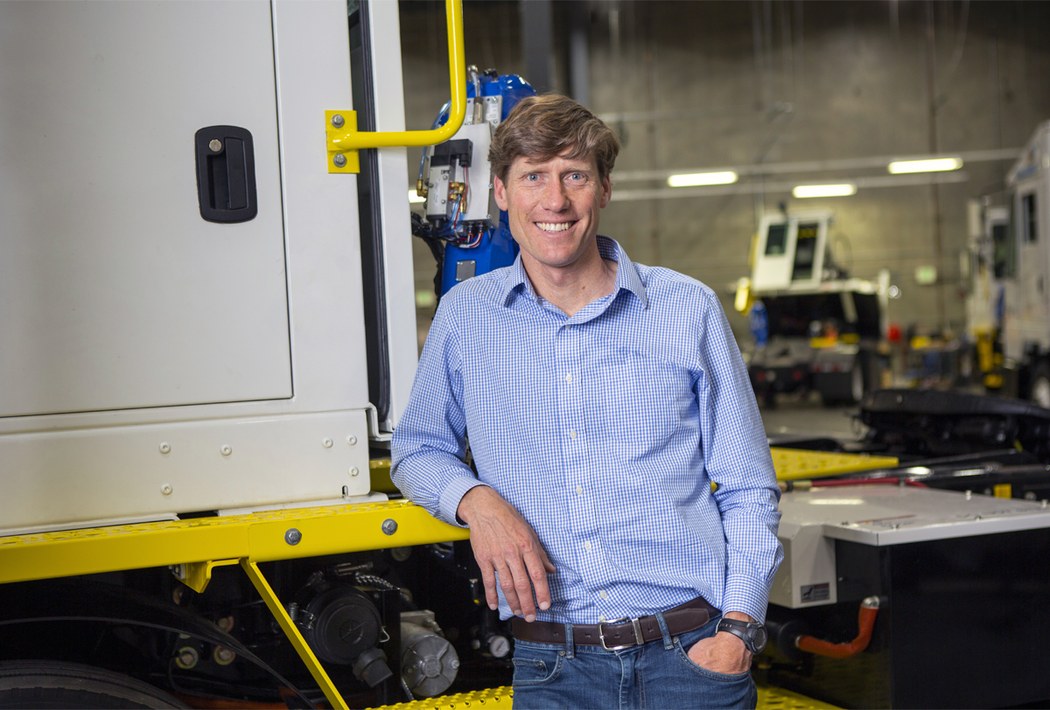
Andrew Smith and the art of going nowhere
He grew up dreaming of Ferraris. He built a business around trucks that stay in the yard. For Outrider founder Andrew Smith, the short trip between a parking space and a loading dock is a place to change how freight moves.
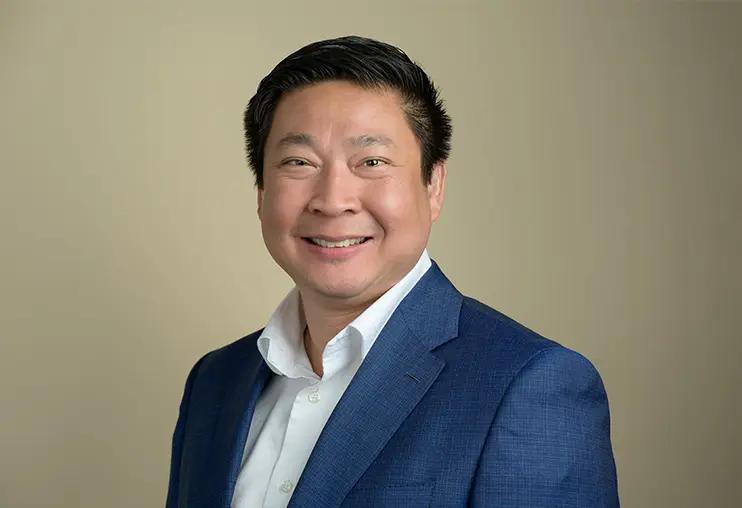
Paul Lwin and the Problem of a Thousand Boats
A refugee childhood, a Navy cockpit, and a detour through golf software brought Paul Lwin to an unusual question: how much machinery can one person usefully command? At HavocAI, he is putting the answer on the water.
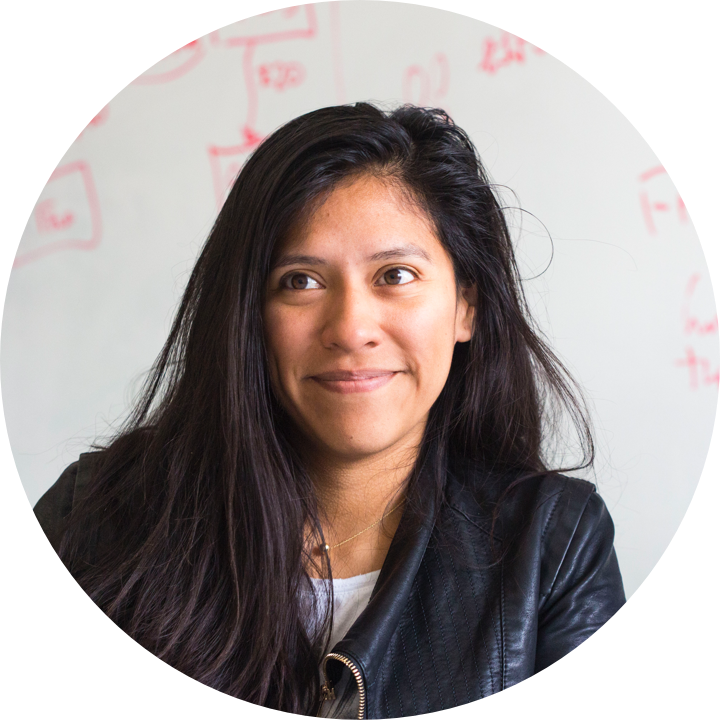
Adriana Vazquez Ortiz and the Six-Month Decision
A robotics summer brought her to Philadelphia. A return to product design led to Lilu - and a working life built through experiments, candid feedback and the decision to keep going.

Alan Goh and the case for showing up
Before he co-founded NDR Medical Technology, Alan Goh built precision instruments, worked in automotive engineering and helped other startups get started. His own company has grown through a less glamorous technology: relationships that last.
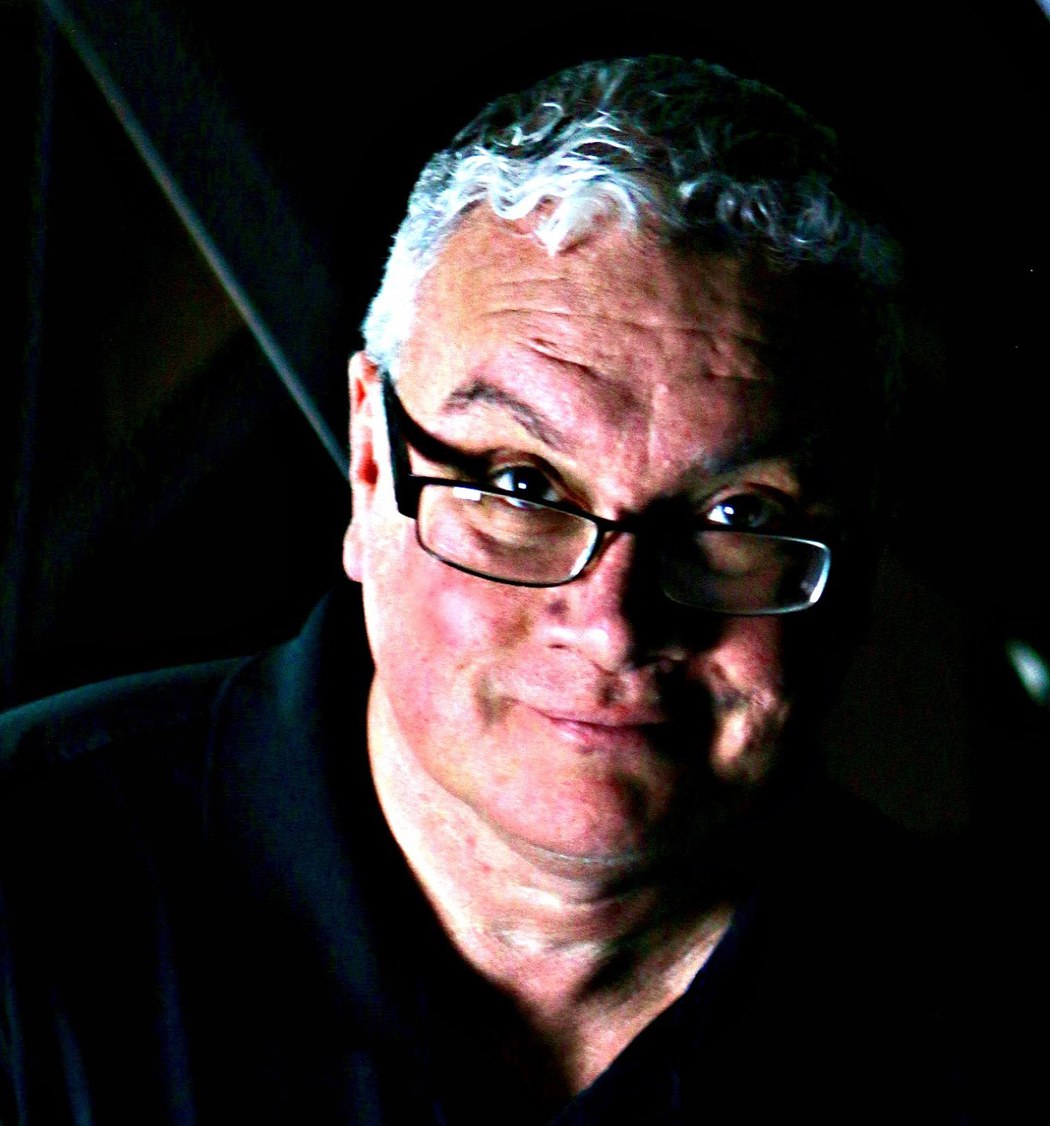
Tom Wagner and the trouble with picking things up
A robot can follow instructions and still miss the point. Tom Wagner built Berkshire Grey around the awkward gap between knowing what to do and getting a grip on the real world.
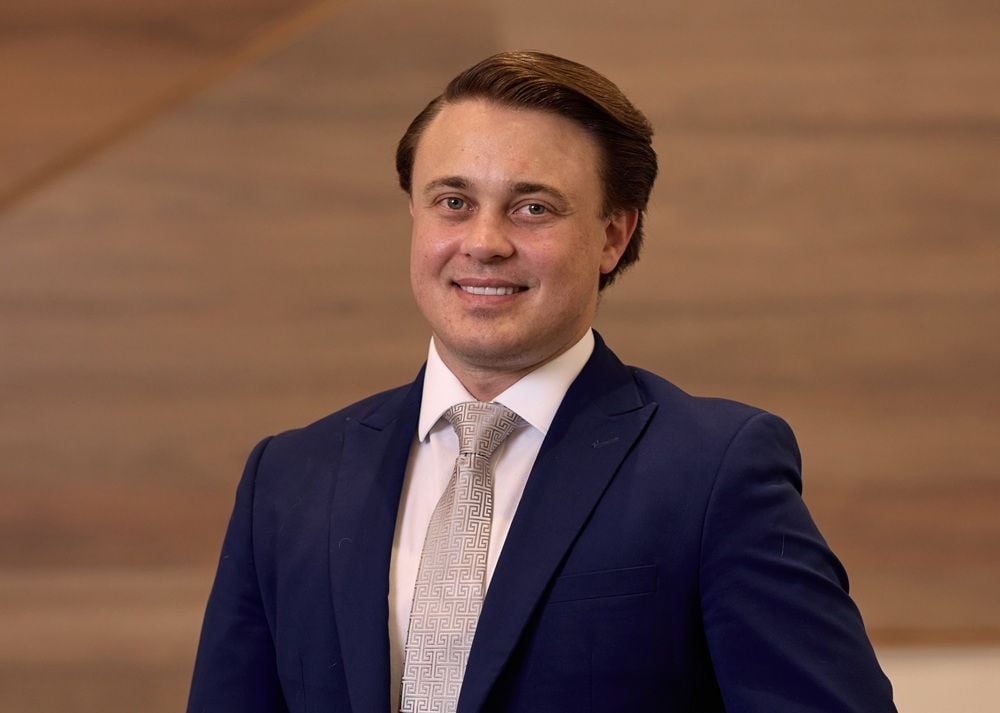
Xavier Orr and the education of a machine
Before Xavier Orr taught robots to tackle household tasks, he helped them find their way without GPS. His route from a Perth garage to Anitron runs through a deceptively difficult question: what does a machine need to understand?
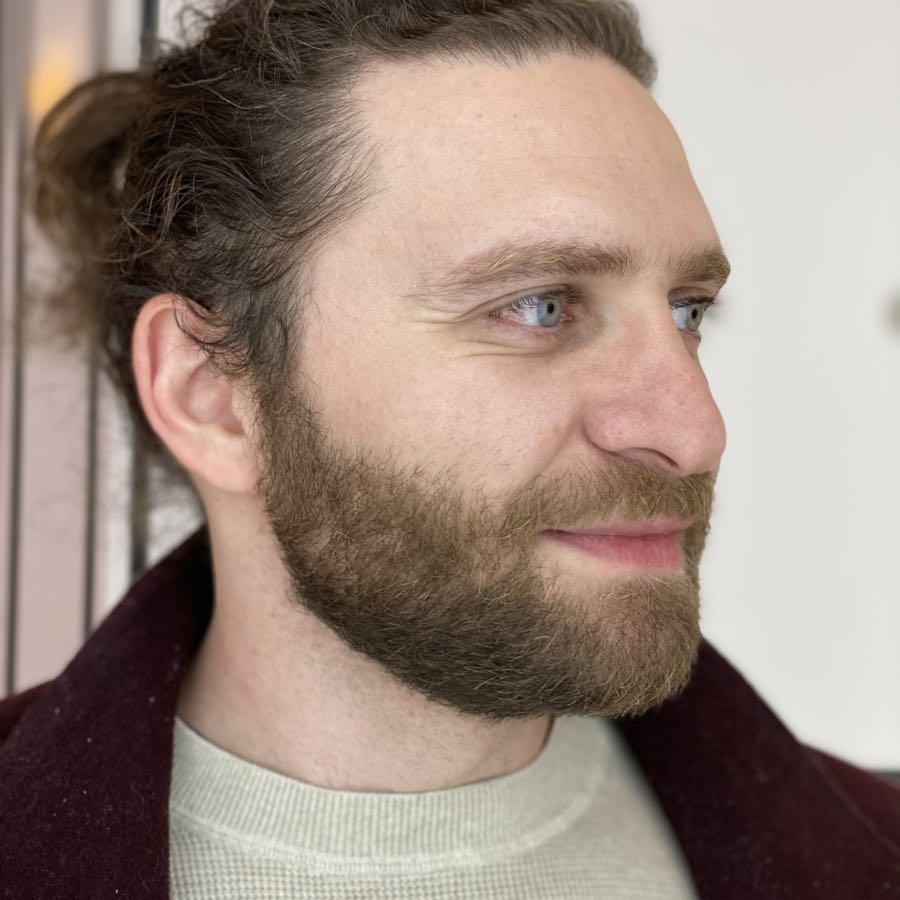
Taron Khachatryan and the distance between an idea and your hands
A cardboard viewer gave the Knoxlabs founder his opening. His longer pursuit runs through developer tools, virtual classrooms and robotics: making unfamiliar technology something people can actually use.
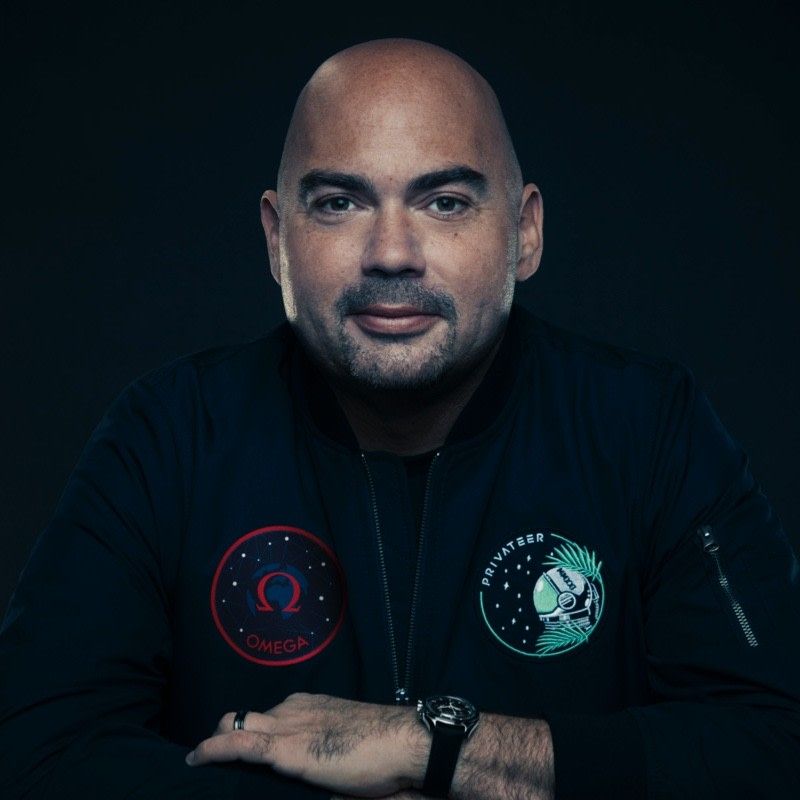
Alex Fielding and the things we cannot find
At Ripcord, Alex Fielding sent robots after paper records. At Privateer, he is working on a larger search problem: making sense of the activity above Earth, and the world beneath it.
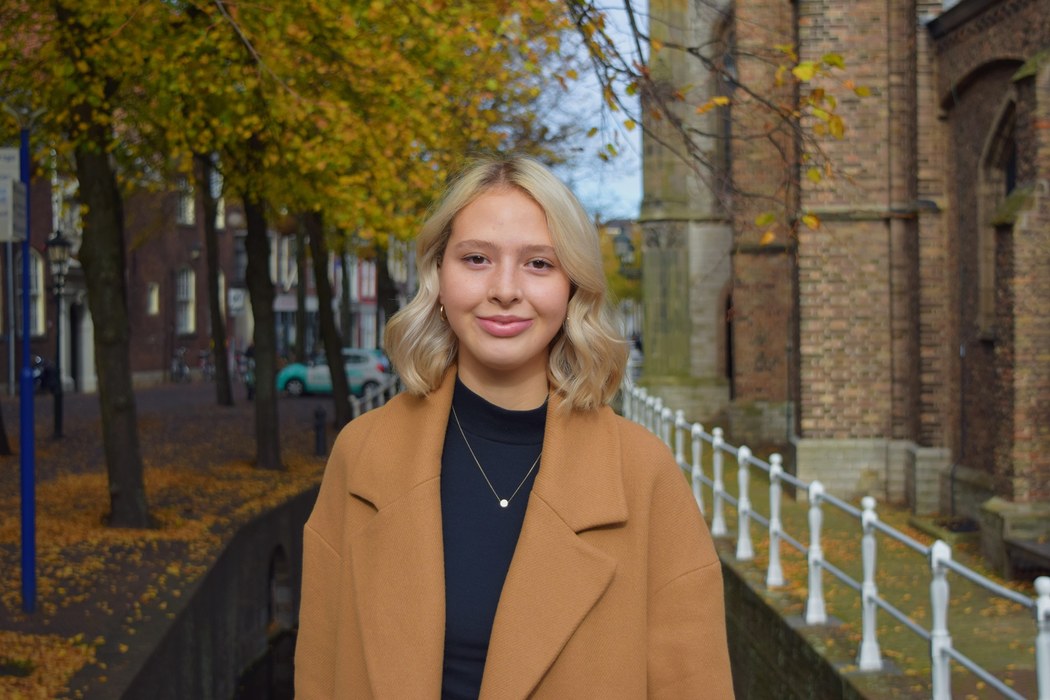
Brontë Kolar and the trouble with getting ideas off the ground
Before co-founding Zeon Systems, Brontë Kolar studied hoverboards, worked on electric aircraft and moved into computational biology. Now she is building robots to carry scientific ideas from a written protocol to the lab bench.
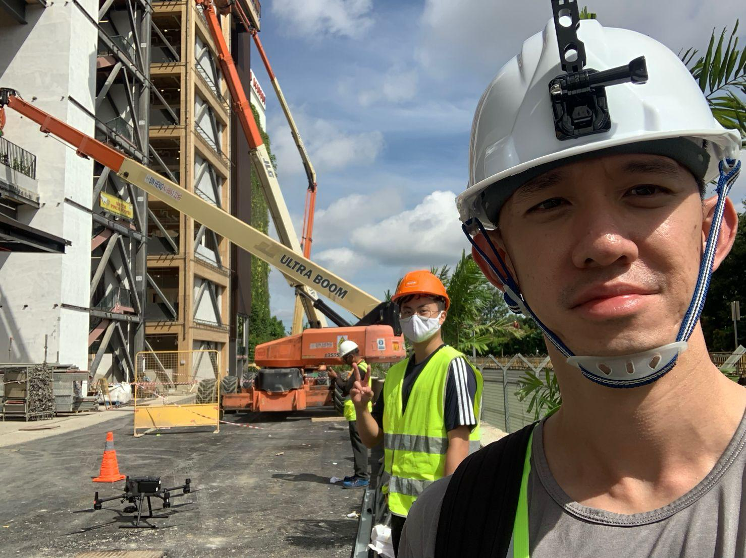
Shaun Koo and the trouble with a photograph
A camera can find a crack. Deciding what to do about it is harder. H3 Zoom co-founder Shaun Koo has spent a decade closing that gap, one building and one customer conversation at a time.
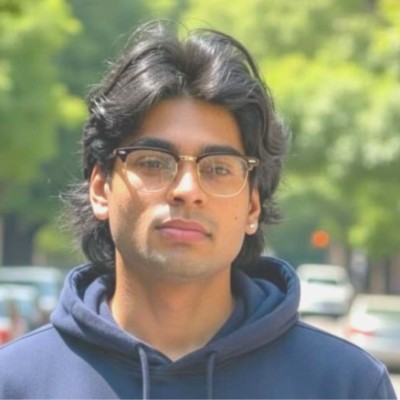
Rithvik Vanga and the problem beneath the screen
Before co-founding Zatanna, Rithvik Vanga mentored robotics teams and helped win a Michigan product competition. His next project tackles a stubborn obstacle for AI agents: getting useful work done inside software built for people.