deep-tech
(223)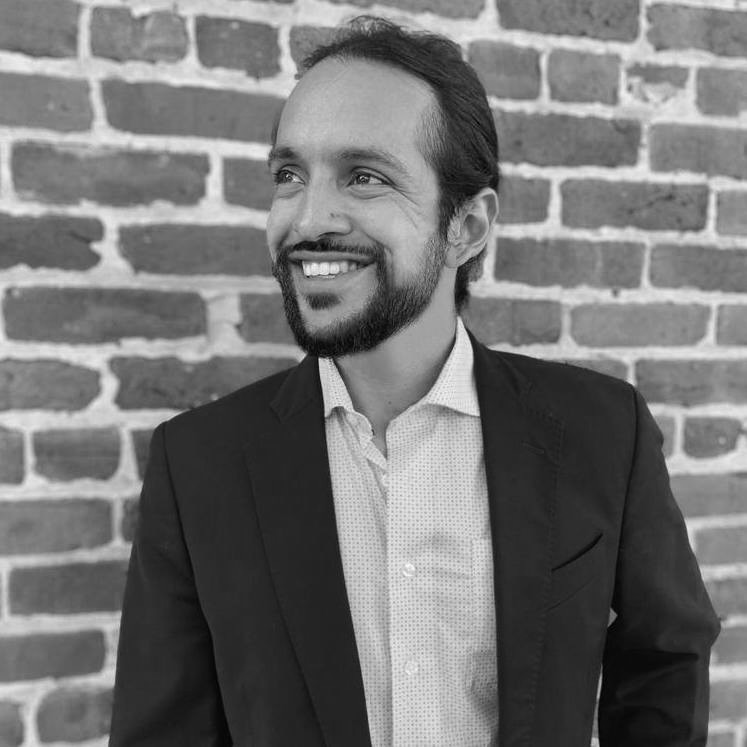
Josh Santos and the Education of a Carbon Founder
He helped scale electric vehicles, then co-founded Noya to pull carbon from the air. After the company wound down, Josh Santos took its hard-earned lessons to London, where he now helps scientists become founders.
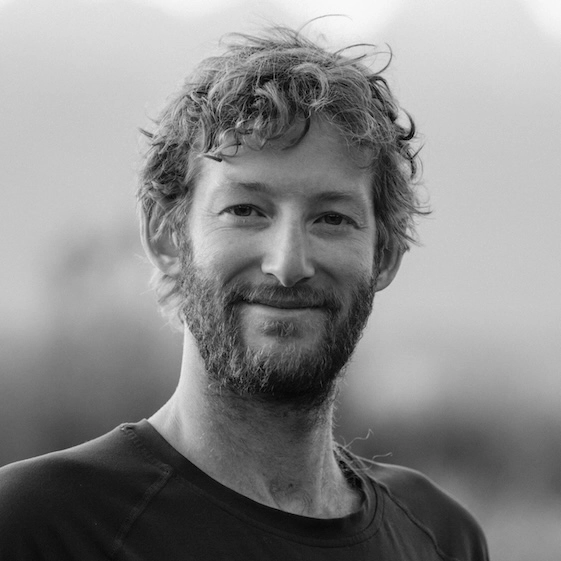
Dakin Sloss and the things a spreadsheet cannot fix
He helped start OpenGov, took physics into the oil field, and built a venture firm for scientific founders. Dakin Sloss keeps returning to the same practical question: what will it take to make an ambitious idea work?
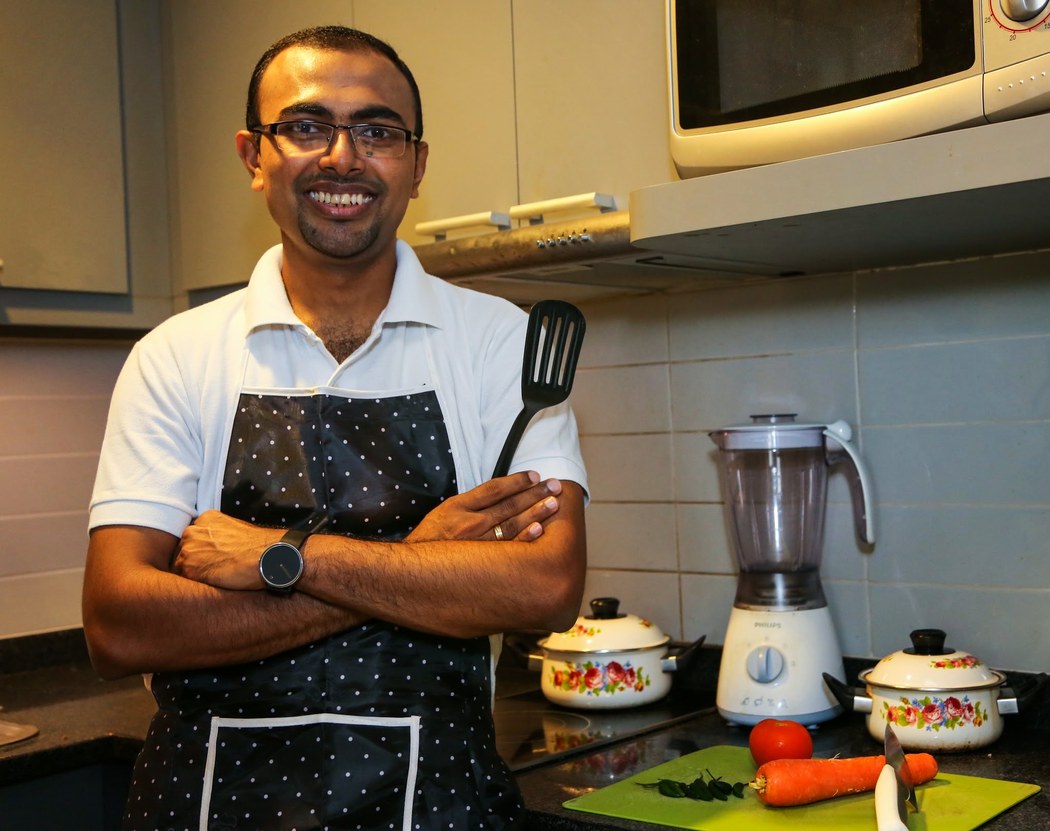
Nimantha Baranasuriya keeps going back to the factory
A conversation with his civil-engineer father helped turn wireless research into Ackcio. Now, at ThermoTune, Nimantha Baranasuriya is back on the factory floor, asking how production can use less fuel.
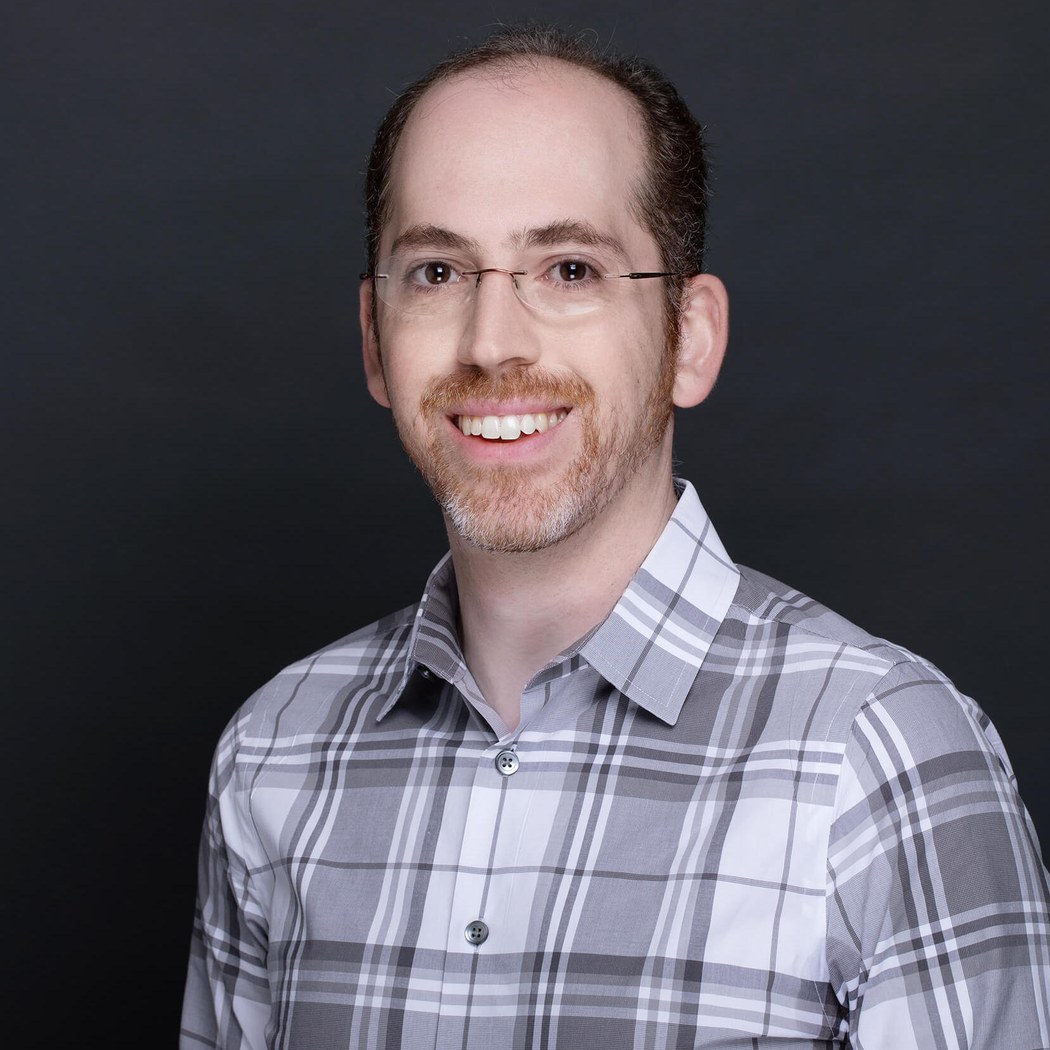
Benjamin Bloom and the trouble with keeping time
Before he founded Atom Computing, Benjamin Bloom helped build a clock precise enough to lose a second in five billion years. Now he is working on a different problem: keeping enough atoms in line to make a useful quantum computer.
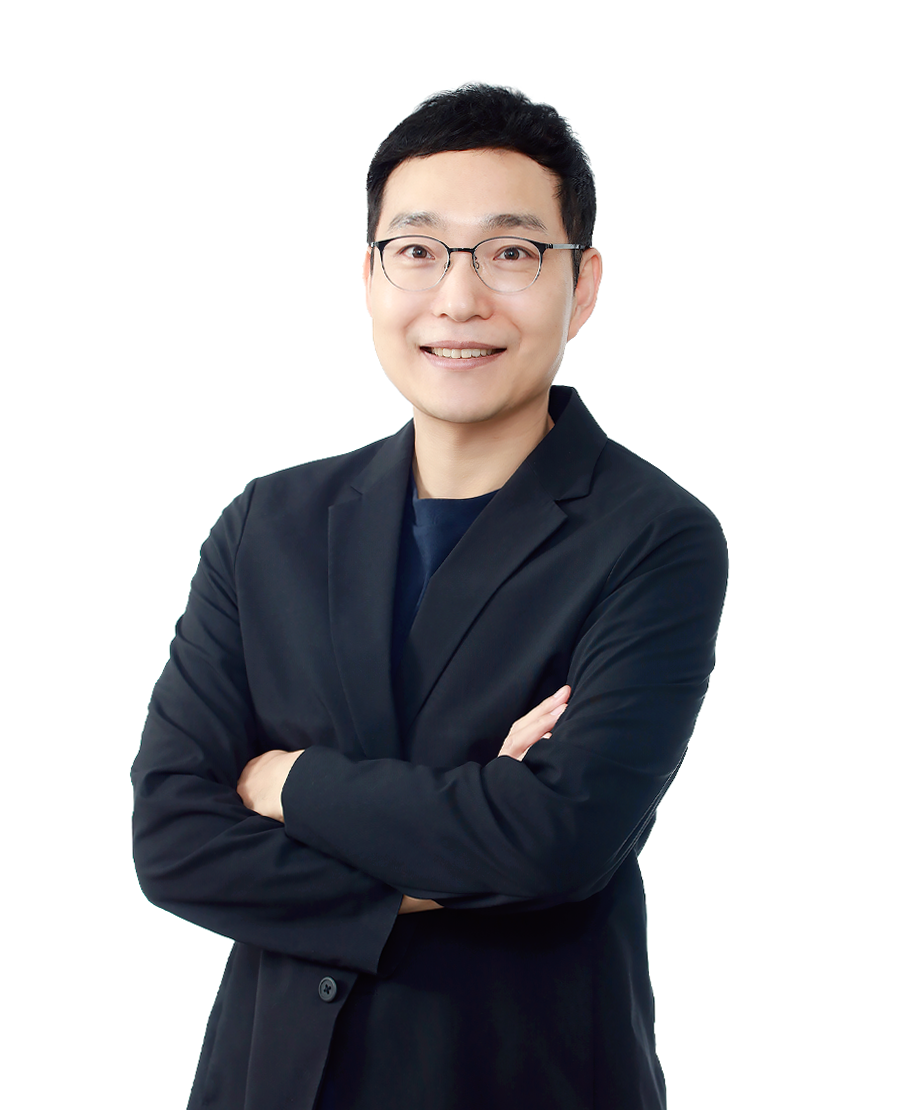
Park Jae Hyun and the work after the handshake
The founder of TAP Angel Partners has built his investing practice around staying close to young companies. His route runs through law, asset management and the unglamorous business of helping founders take the next step.
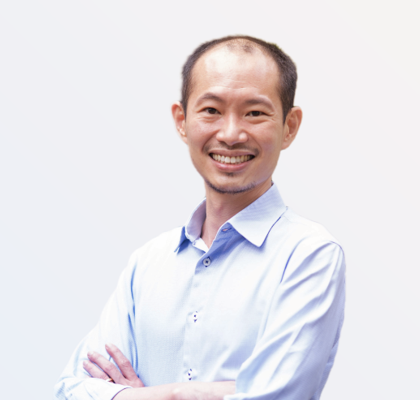
Andrew Wu and the art of making things work
Before he co-founded Mesh Bio, Andrew Wu spent years turning technical work into businesses. His career offers a close look at the less photogenic side of entrepreneurship: hiring carefully, building partnerships and staying for the implementation.
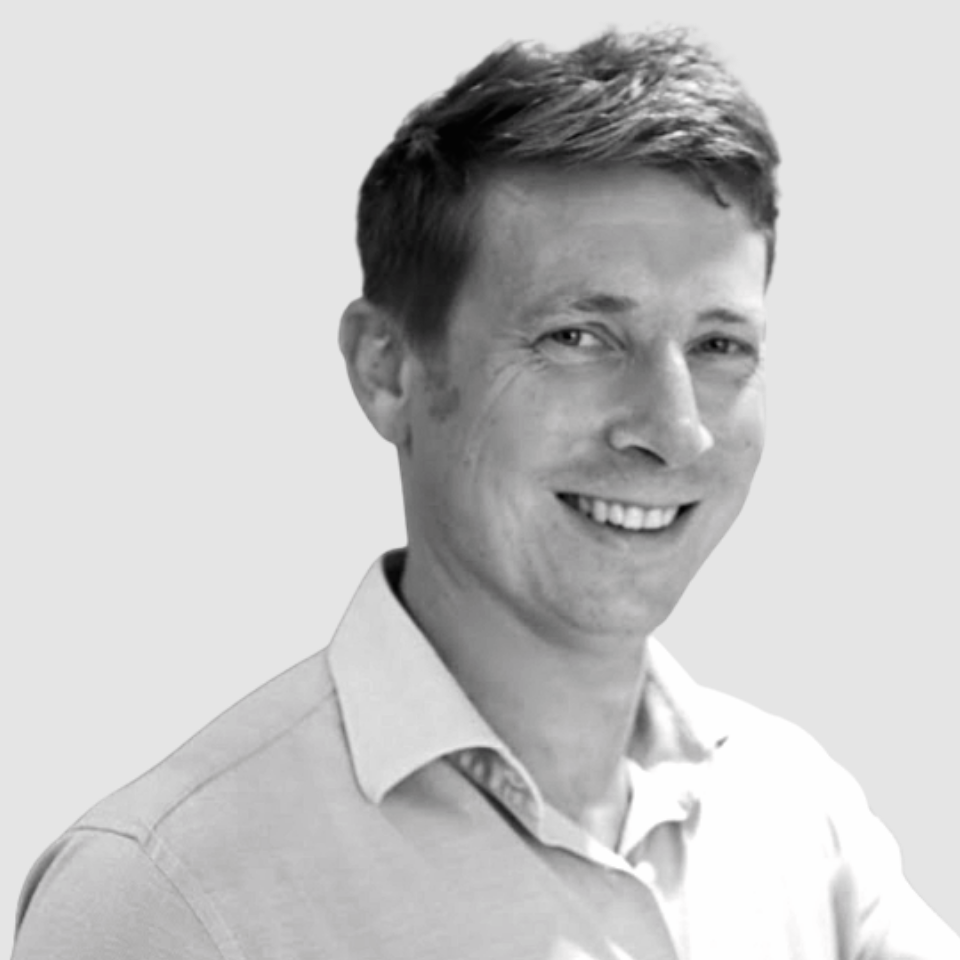
Ben Cade and the art of making distance disappear
At Trustonic, Ben Cade worked to make connected devices worthy of trust. At Myriota, he is taking on the places those connections still fail to reach.
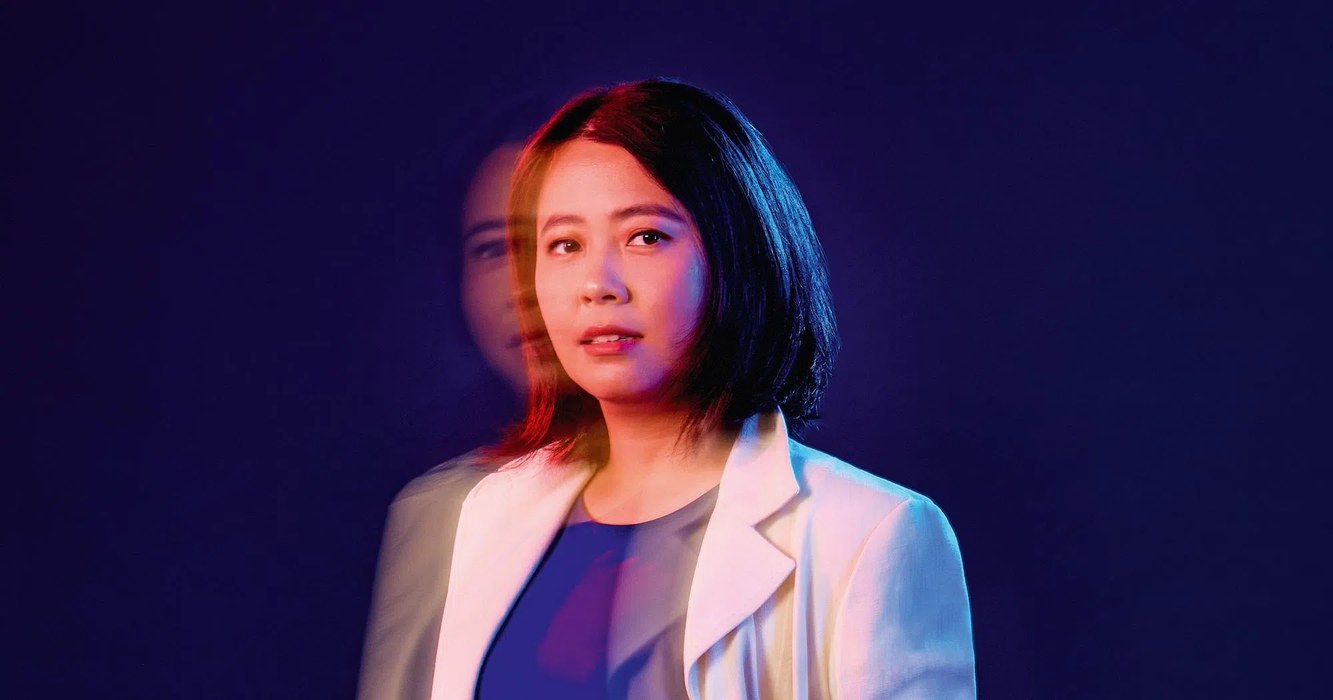
Grace Chia and the trouble with the boat
She spent years selling underwater robots, then built a company to rethink the machinery around them. For the BeeX co-founder, cutting the tether also meant learning to change her own mind.
Bjorn Manuel Hegelich Wants His Big Idea to Fit in a Room
A lecture in 1997 set Bjorn Manuel Hegelich on a decades-long pursuit of smaller particle accelerators. From university laboratories to TAU Systems and Tachyon Industrial, he is learning what it takes to turn an experiment into equipment people can use.
Anna-Luisa Schaffgotsch and the Trouble with a Locked Door
A forgotten key card started a line of questioning that became Impli. Anna-Luisa Schaffgotsch’s story runs through London and Lausanne, early-morning thinking time, and a bucket list that included the trumpet.

Jenna Bryant and the value of a wrong turn
She moved to Los Angeles to dance and took a recruiting job to pay the bills. Now Jenna Bryant backs deep-tech founders, builds companies, and helps girls get their first taste of rocket science.
Michael De Nil and the Wi-Fi that had to leave the house
He helped design the chips that connected smartphones. Then Michael De Nil left Broadcom to tackle a less glamorous problem: getting Wi-Fi to the places where the machines actually live.
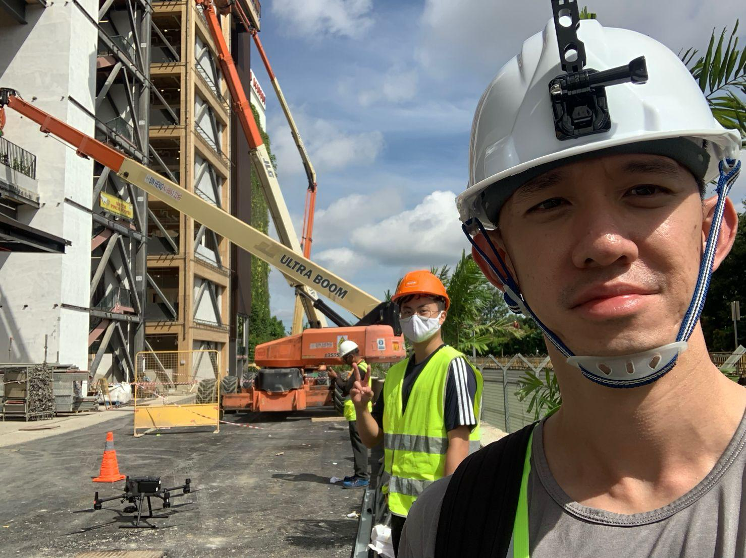
Shaun Koo and the trouble with a photograph
A camera can find a crack. Deciding what to do about it is harder. H3 Zoom co-founder Shaun Koo has spent a decade closing that gap, one building and one customer conversation at a time.
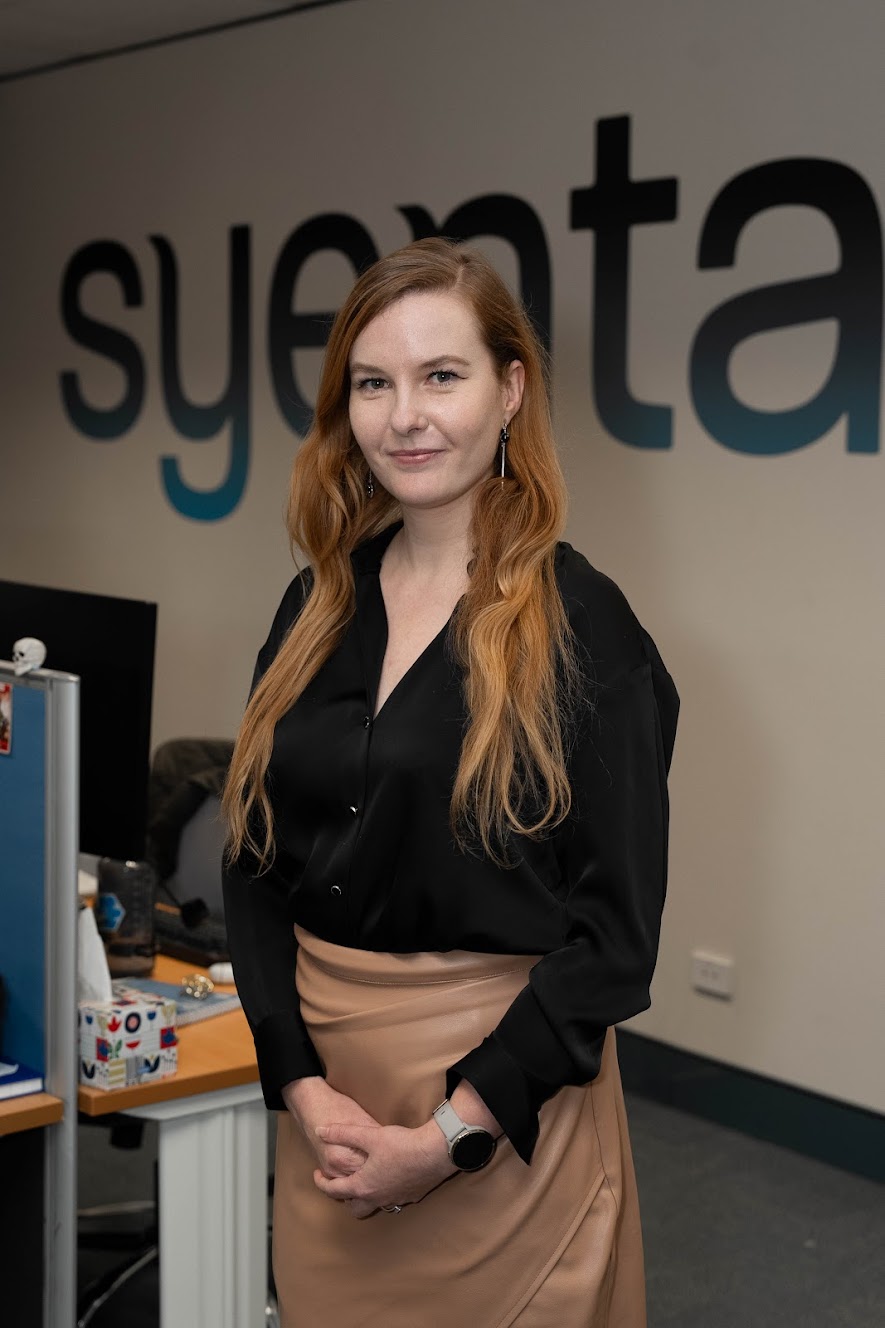
Jekaterina Viktorova and the trouble between the chips
A chemistry problem followed Jekaterina Viktorova from Germany to a Canberra lab and, for a while, her kitchen table. Now the Syenta co-founder is working on the tiny connections that help AI chips talk to each other.
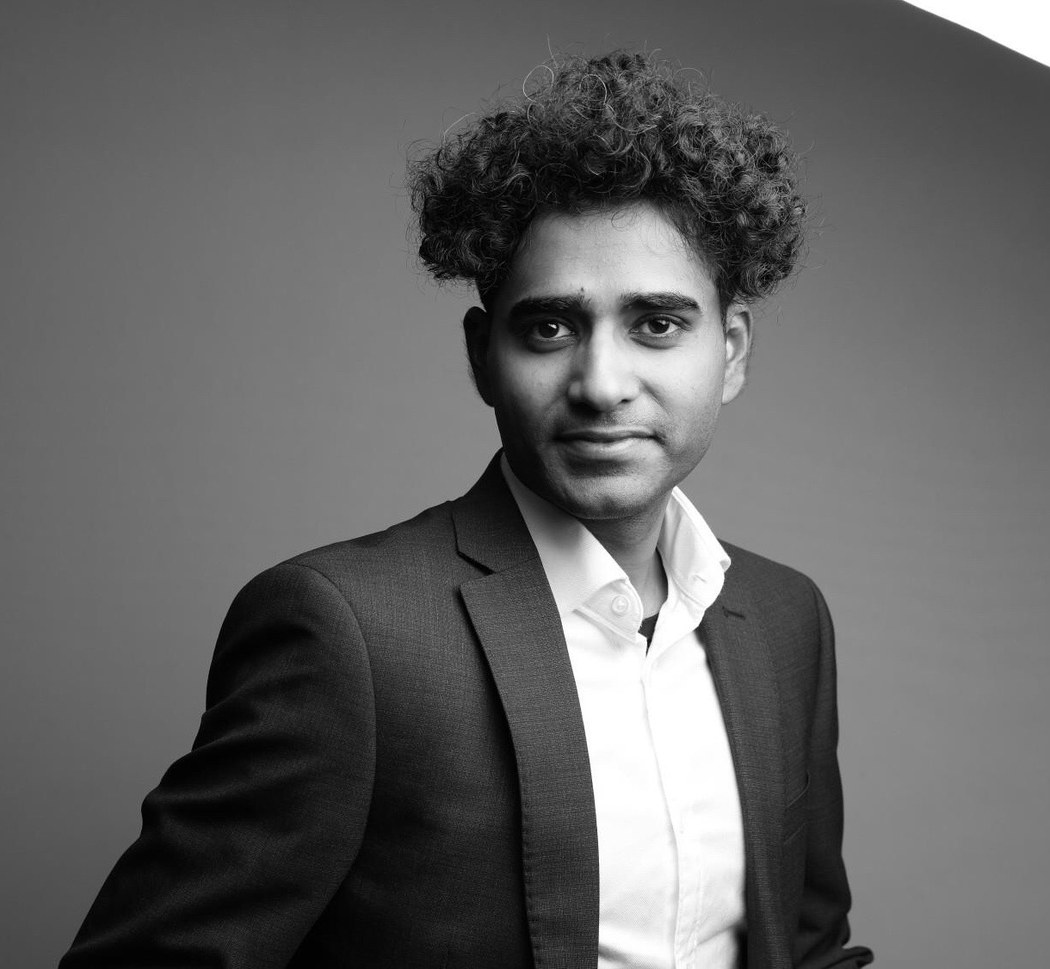
Mobashir Mohammad and the order for a product that didn’t exist yet
A customer bought into his wireless idea before there was a finished device. The Kolkata-raised researcher went on to co-found Ackcio, carrying a lesson from the family business into tunnels, mines and construction sites.
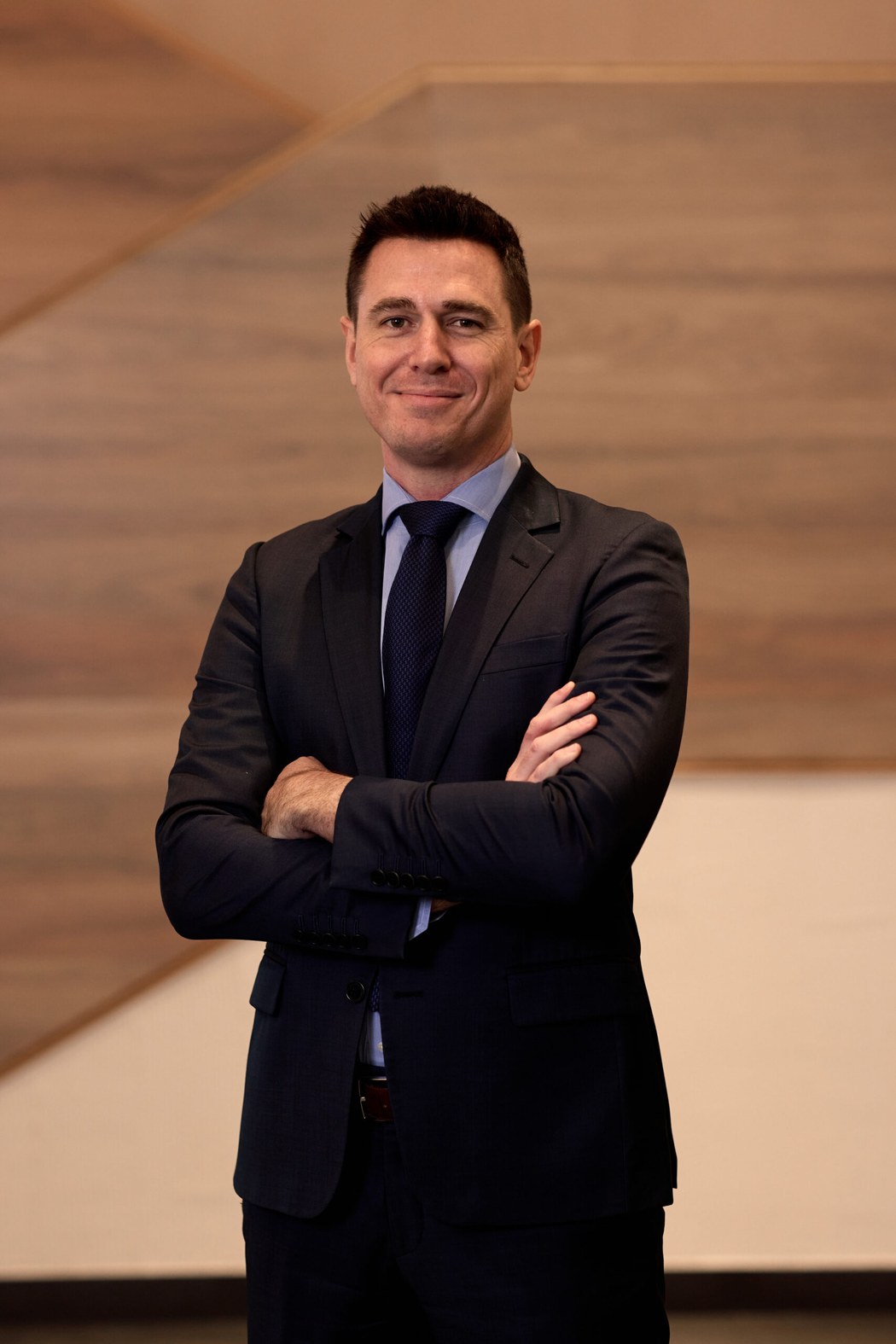
Chris Shaw and the business of knowing where you are
A sensor engineer and a software researcher started Advanced Navigation in a Perth garage. Chris Shaw is still working on the same problem: helping machines find their way when GPS cannot.
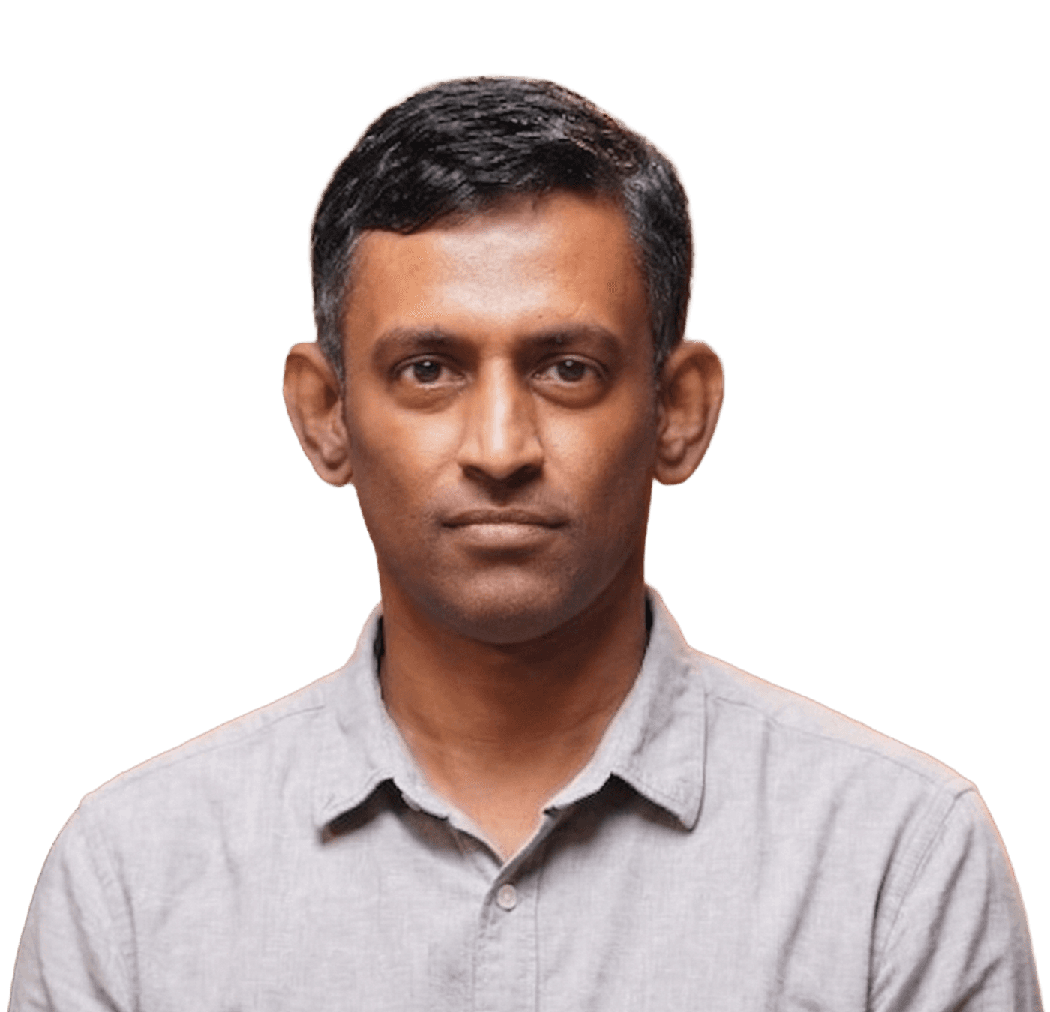
Manoj Gopalkrishnan and the computer that escaped its box
A computer scientist followed his questions into chemistry. Along the way came improv troupes, a rather lonely Wodehouse meeting, and Algorithmic Biologics.
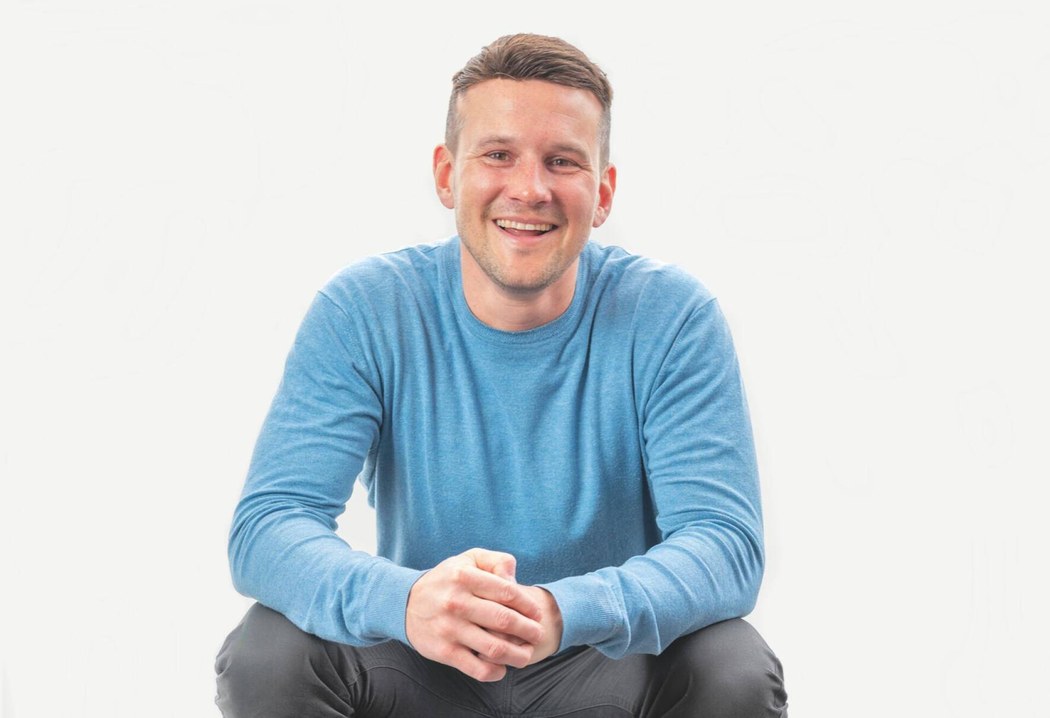
Maxime Droux and the price of a better bet
He helped build Talent.com by asking employers to pay for clicks instead of promises. Now Maxime Droux is bringing an operator’s experience to Swiss deep tech, with a few lessons from an apprenticeship still close at hand.
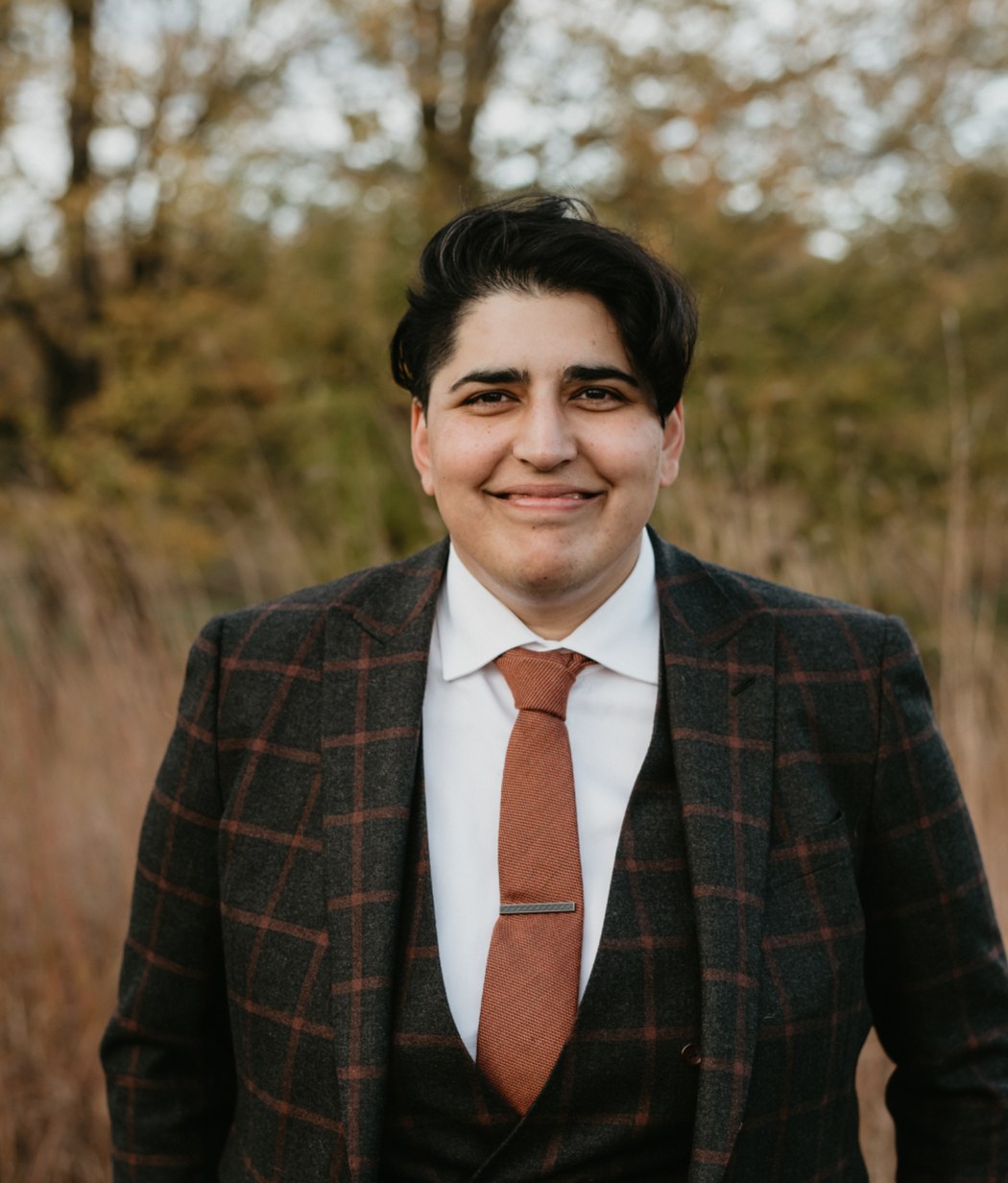
Sonia Sennik and the science of a second chance
Before leading Creative Destruction Lab, Sonia Sennik managed engineering projects and coached Ontario rugby. Across those worlds, a question follows her: how do you help people turn potential into something that works?
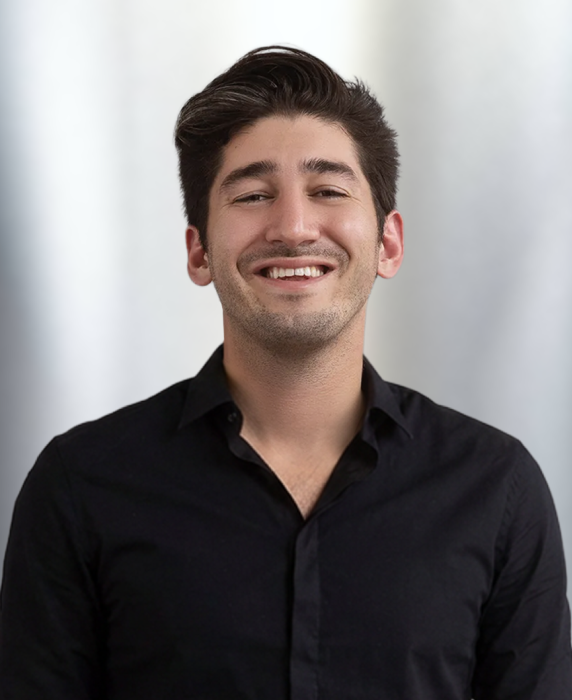
Kerem Ozmen and the Cost of Making Things Real
From Reno’s startup community to nuclear power, remote computing and electric racing, Kerem Ozmen has built an investing career around a stubborn question: what does it take to get an ambitious machine into the world?
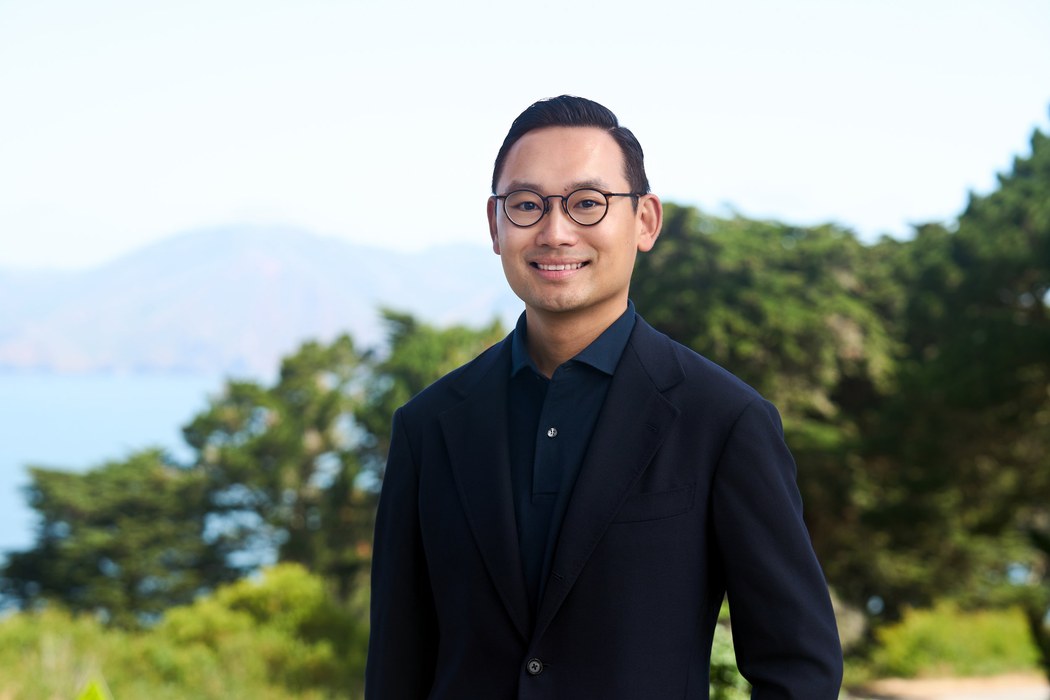
Howard Kim and the business of staying
Since joining Hanwha in 2009, Howard Kim has helped build its U.S. venture presence. Now a co-CEO in San Francisco, he works on both sides of the startup equation: backing technology and helping the investors who back it.
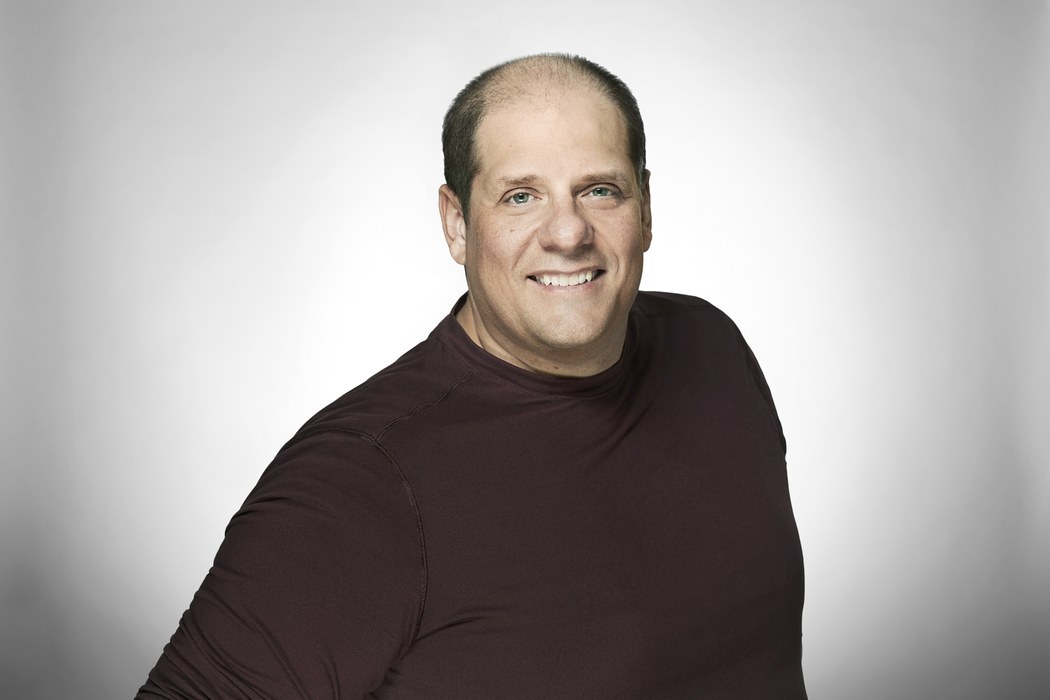
Mario Venditti and the distance between an idea and a business
From cybersecurity operations to concrete, ocean buoys and aircraft cabins, Mario Venditti keeps returning to the work that comes after invention. At Montreal’s Innovobot, he pairs early-stage investment with the engineers and operators needed to bring technology to market.
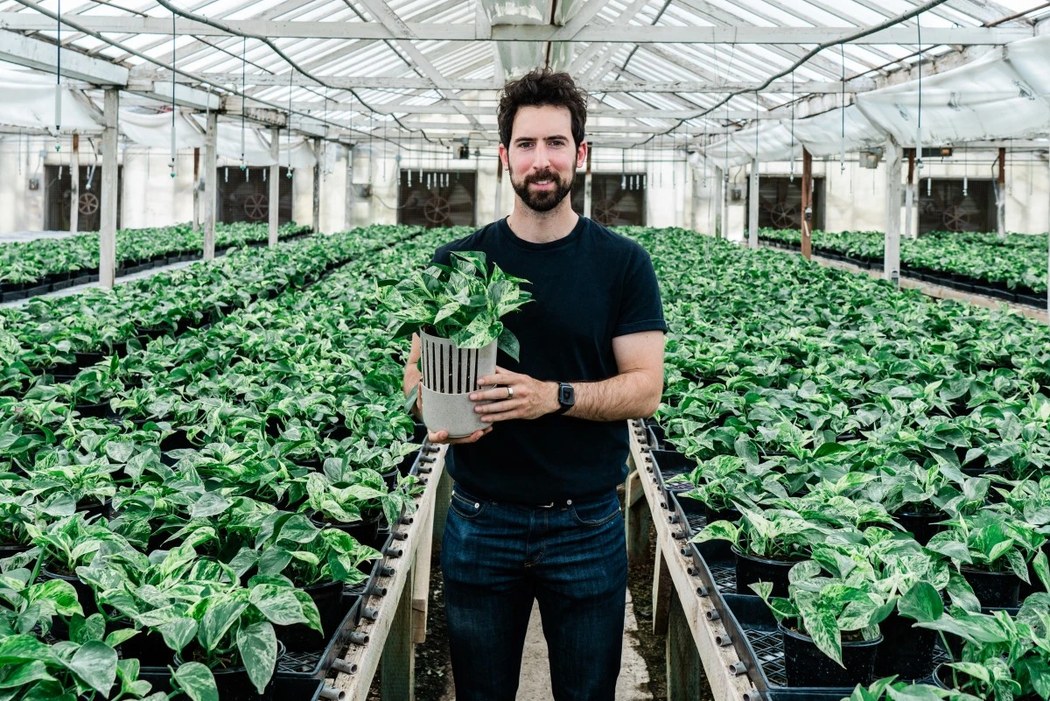
Lionel Mora and the serious business of play
He helped turn a houseplant into a biotechnology product. Now Lionel Mora is building Marble, a learning world where children can follow a question, make something and discover what happens next.
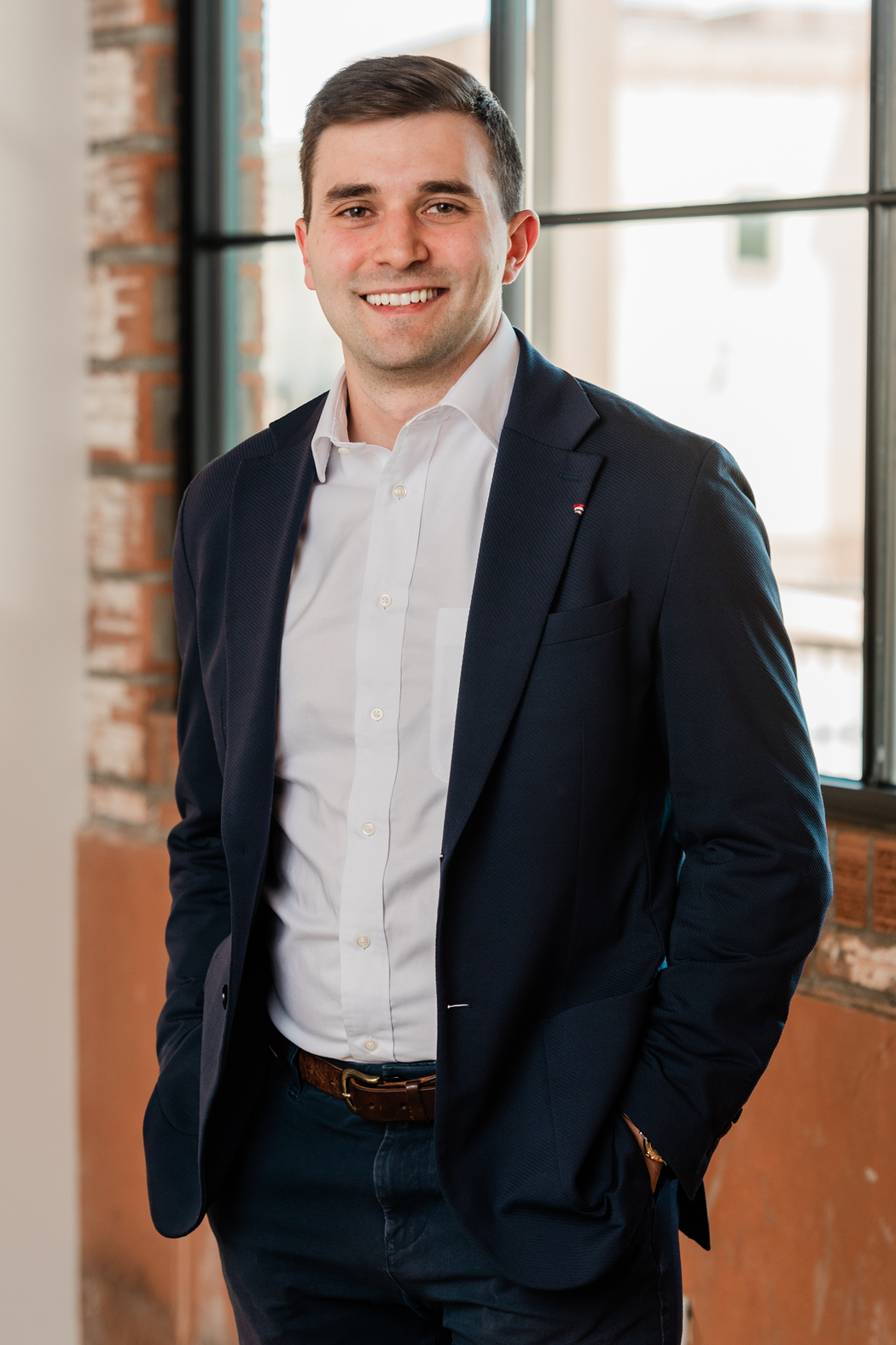
Adam Hammer and the Importance of Neighbors
From a student salon at Yale to a shared quantum lab in Albuquerque, Adam Hammer keeps bringing people into the same room. At Roadrunner, he wants those encounters to help scientists build companies.

Charlie Hipwood and the art of the first yes
After three startups of his own, Charlie Hipwood moved to the other side of the table. At MassVentures, he helps first-time founders turn Massachusetts research into companies that can stand on their own.
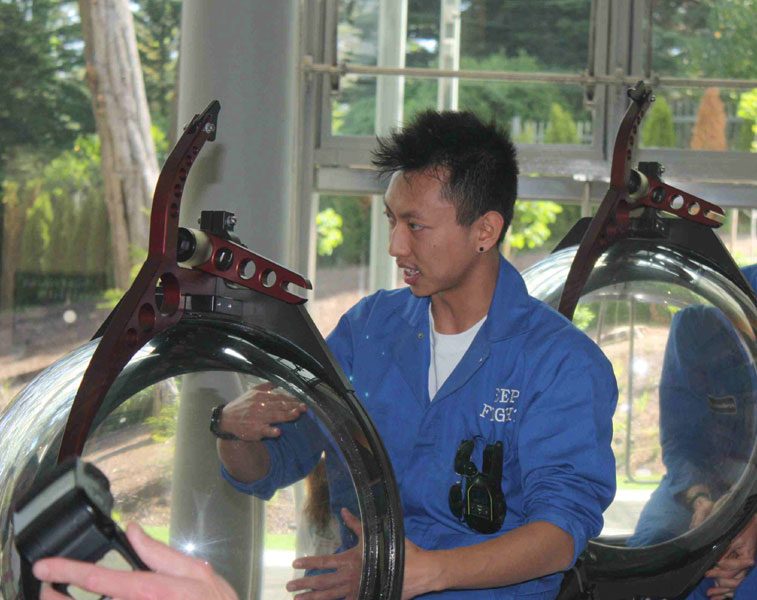
Charles Chiau and the Art of Building Where Pressure Wins
He learned engineering in places where a loose screw can cost a day and the ocean punishes wishful thinking. Now the Bedrock co-founder is turning two decades of vehicle-building into a fleet designed to make the seafloor legible.
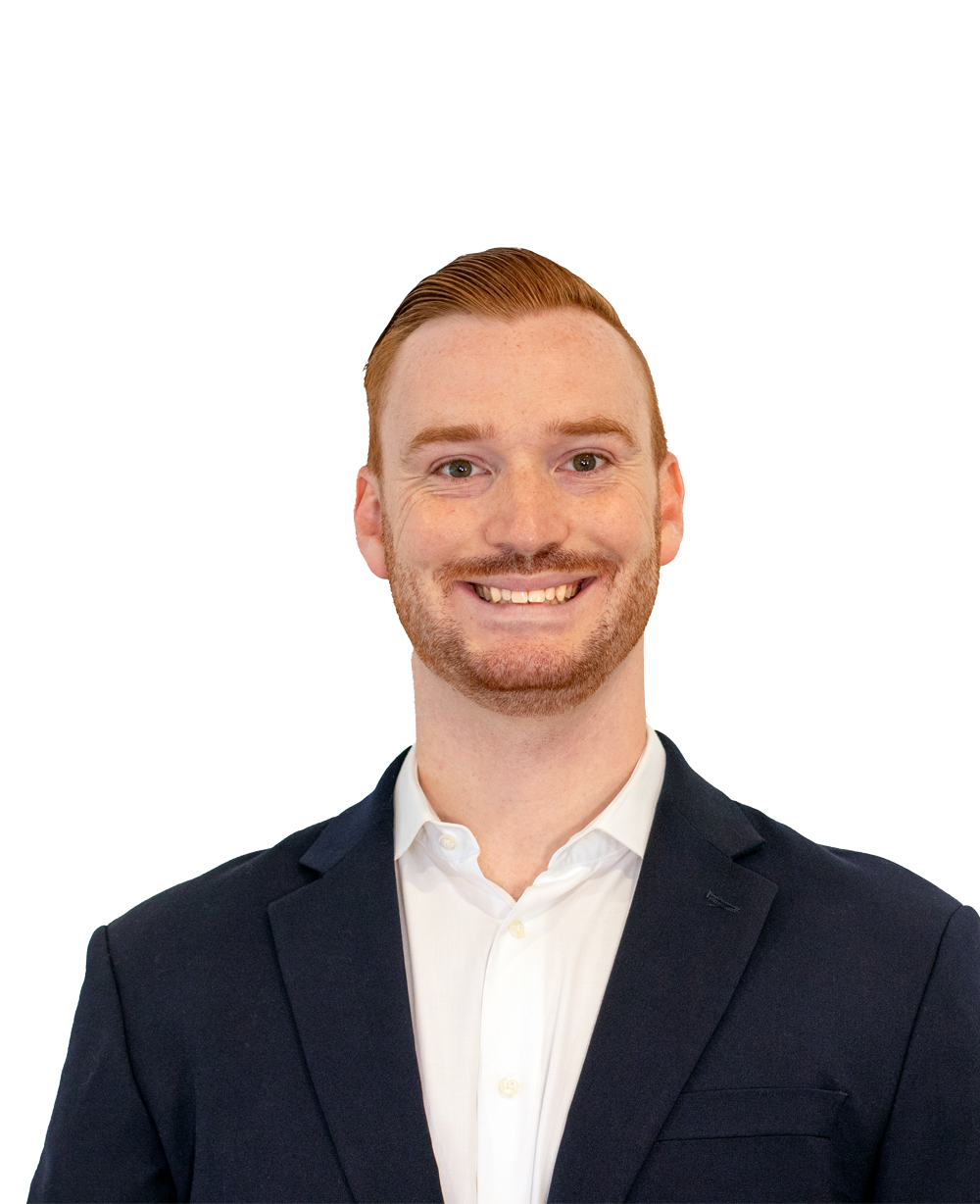
Brandon Ridley Builds Marketing Teams With an Expiration Date
He began at a soldering bench, built a power-electronics test instrument, and crossed into industrial marketing. Now his pitch to hardware founders is unusually finite: give him six months to build the function, then let him leave.
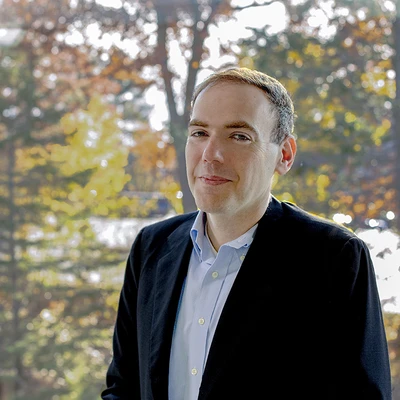
Lawrence Schwartz Learned to Build for Space. Now He Has to Sell the Quantum Future.
Before he marketed cloud software, industrial AI and quantum computers, Schwartz trained as an aerospace engineer and worked on satellites. His career is a long experiment in making difficult technology legible - without sanding off what makes it difficult.

Mike Noonen Bet His Career on the Space Between Pixels
After three decades of chips, turnarounds and startup bets, Mike Noonen arrived at a peculiar frontier: making holography behave like a semiconductor business.
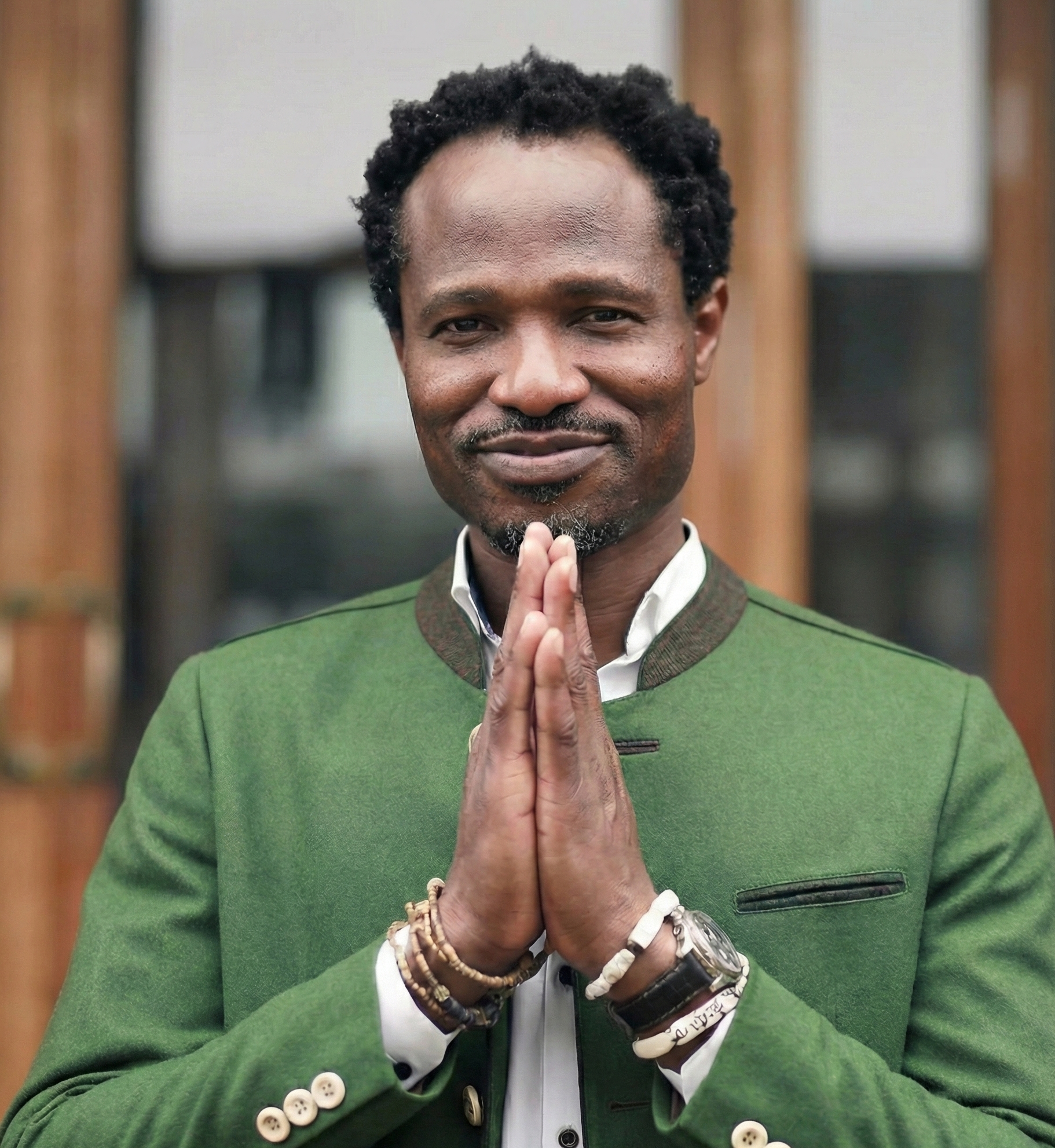
Osh Agabi Is Teaching Machines to Smell the Invisible
A professor told Osh Agabi to find a field where little had been measured. He chose neurons - then built a company around giving machines a biological sense of smell.