clean-energy
(169)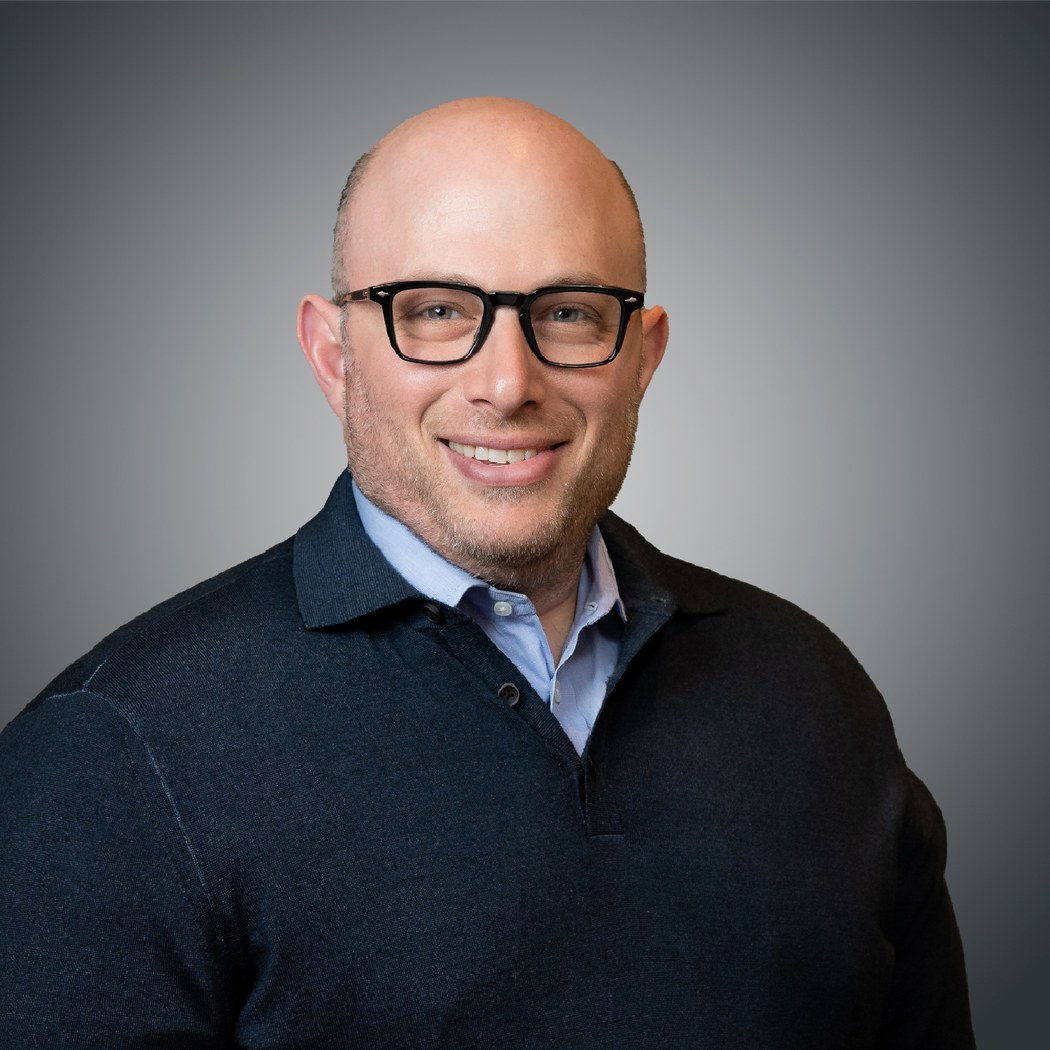
Josh Goldberg and the trouble with a perfectly good roof
He left corporate law to sell solar, then kept finding the same obstacle between a willing customer and an empty roof. At Sunstone Credit, Josh Goldberg is making a business out of getting the money to move.
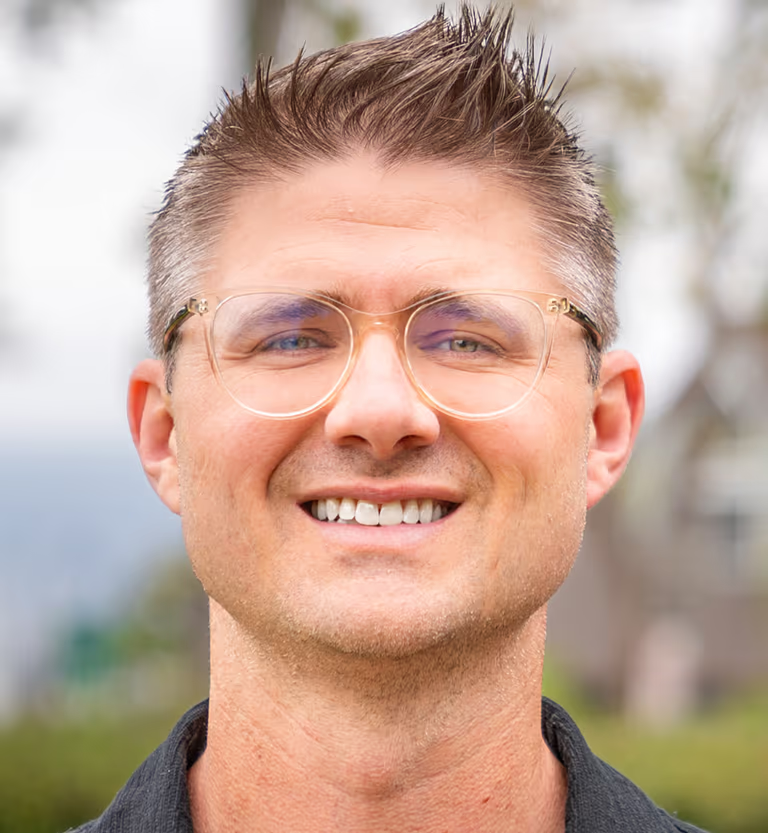
Peter Frischmann and the Problem with Being Early
The Sepion co-founder wanted his chemistry to reach the world sooner. Battery makers taught him that getting there would mean changing the product, the business, and himself.
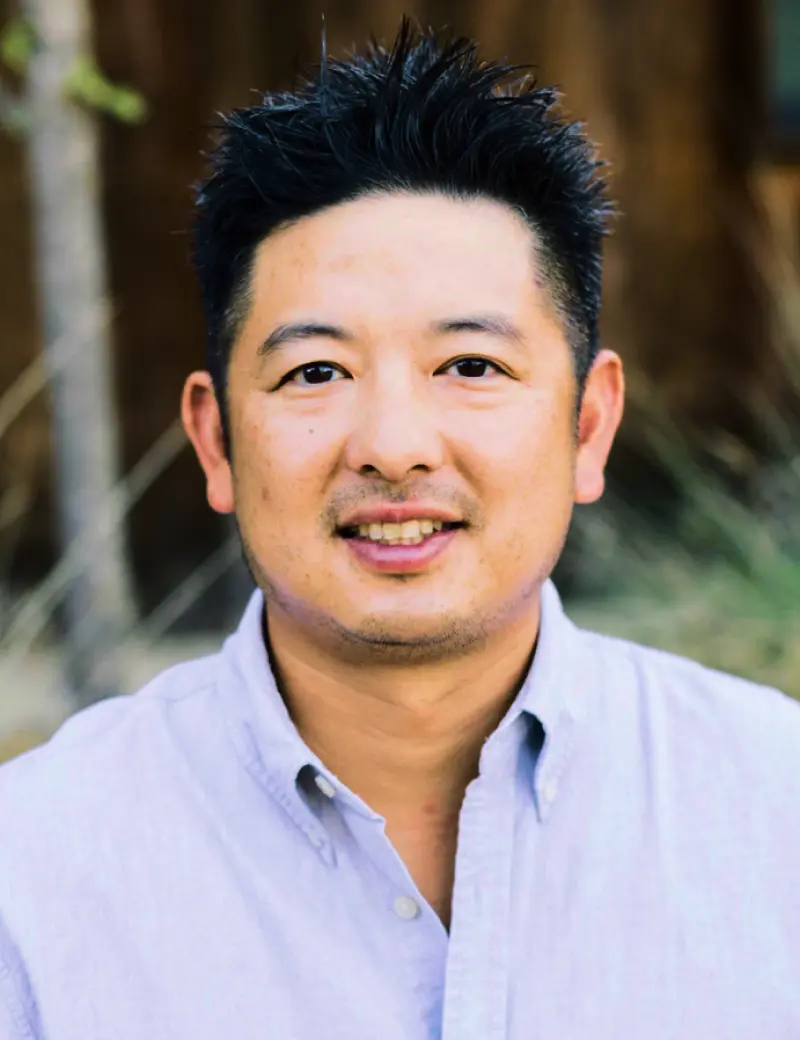
George Lee and the hours hiding in a parking space
A Caltech volunteer helped turn parked cars into a business in managed electricity. After PowerFlex’s acquisition, George Lee’s work has come back to a familiar scale: the charger down the road.
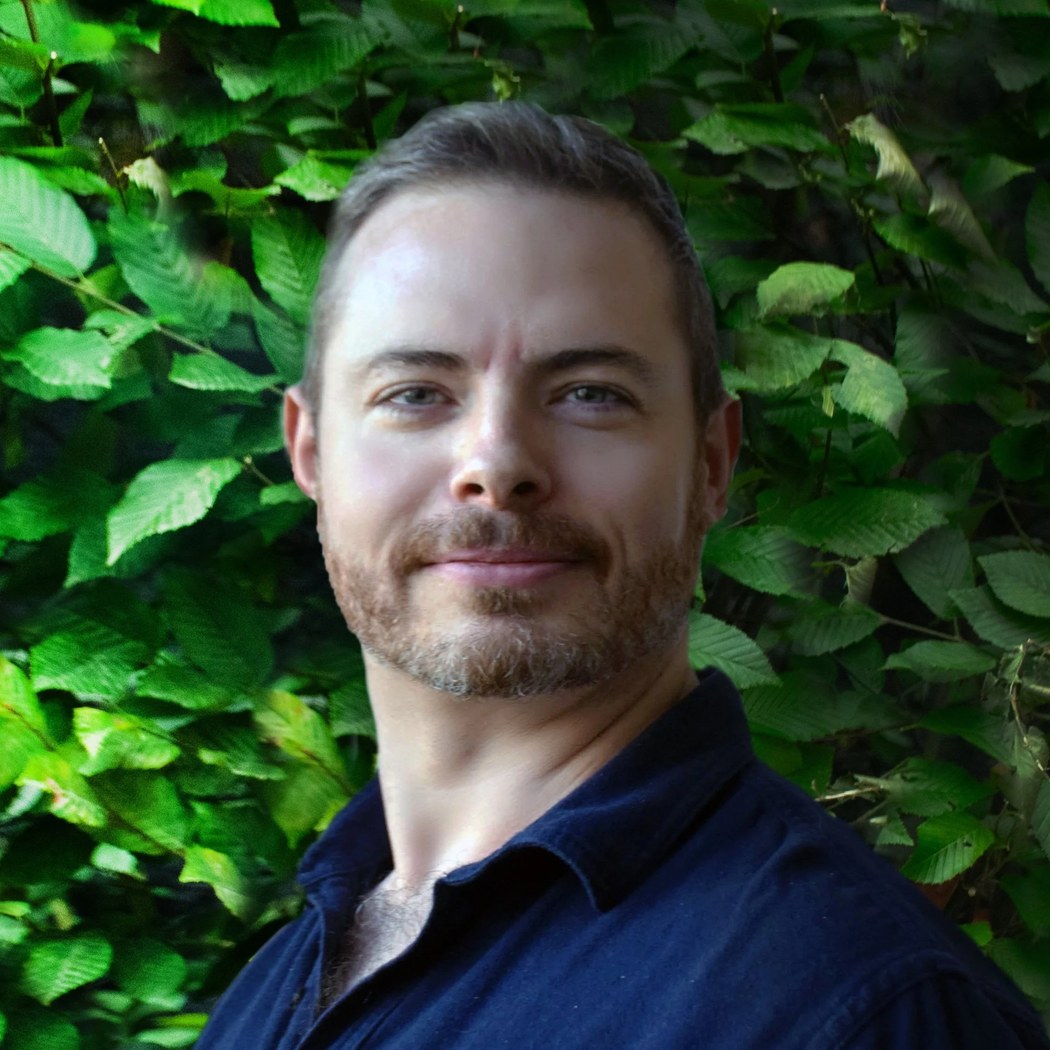
James McWalter and the trouble with a perfectly good field
An Irish farm, a philosophy degree, and a thousand LinkedIn approaches led James McWalter to an overlooked energy problem: deciding where anything can actually get built.
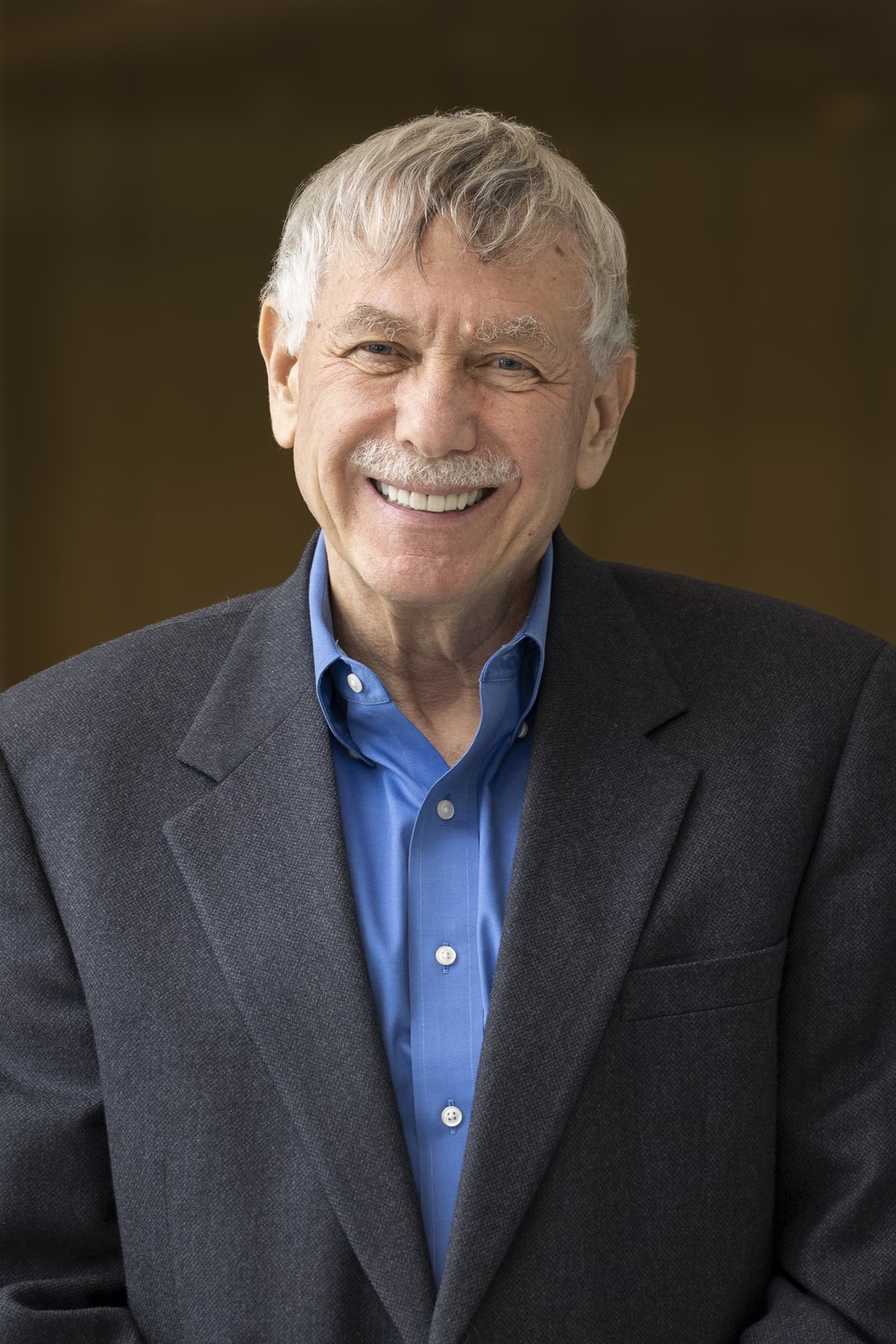
Eric Lander and the art of starting over
He helped read the human genome. Now Eric Lander is trying to build fusion power, bringing a mathematician’s habits and an institution builder’s address book to a machine that still has to prove itself.

Kunal Girotra and the case for a less interesting electricity bill
After helping lead Tesla’s energy business, Kunal Girotra founded Lunar Energy to make the electric home easier to live with. His bet begins with a battery and ends with a house that knows when to share.

Pat Reilly and the price of being heard
After two decades helping other people make their case, Pat Reilly co-founded a polling company with a cheaper way to listen. Her career connects campaign press rooms, Silicon Valley and the practical business of getting people into the same room.
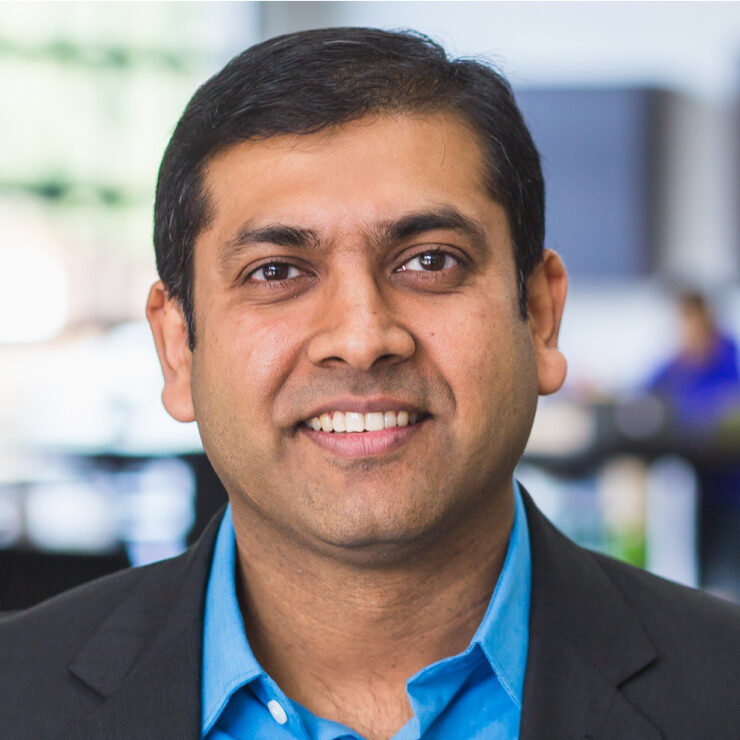
Abhay Gupta and the mystery of the electricity bill
He helped build smart meters. Then he co-founded Bidgely to make sense of what they were saying. Abhay Gupta’s long bet is that a more useful electricity bill can change what happens on both sides of the meter.

Alexandra Rasch Castillo and the power behind a phone call
A Guatemalan tennis player became a battery engineer, then co-founded Caban. Her next assignment: making the machinery behind a phone call less dependent on diesel and more dependable when the grid fails.

Maria Pope and the trouble with an ordinary light switch
A banker became a power operator, then took charge of Portland General Electric. Maria Pope’s next assignment is to make a changing electricity system feel dependable to the people paying for it.

Lee Taylor and the price of an uncertain future
He sold a share of his future income to get REsurety started. Now Lee Taylor is building a market for an equally awkward asset: electricity that arrives with the weather.
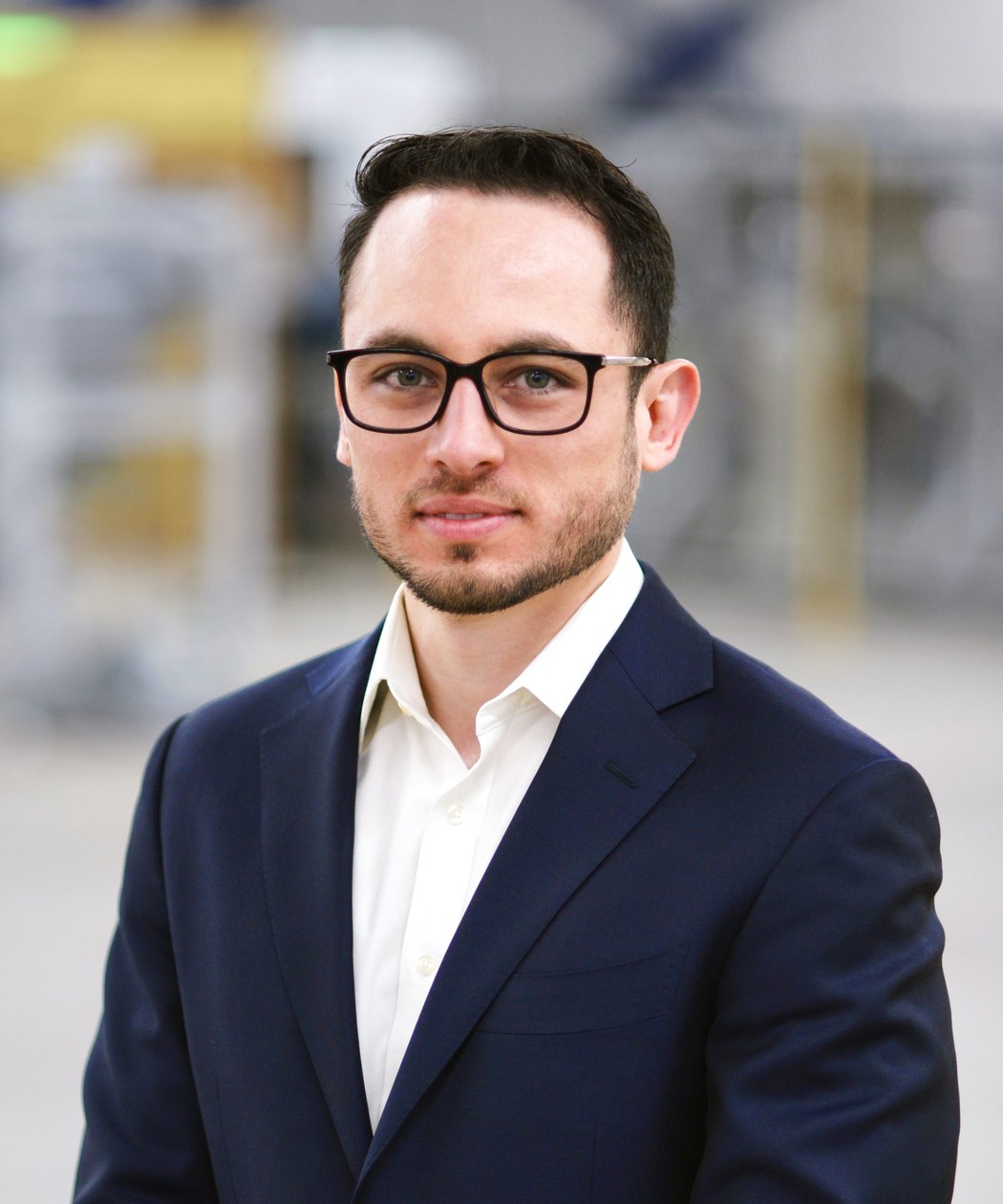
Jimmy Rojas and the art of making hydrogen ordinary
A childhood fascination with an astronaut took Jimmy Rojas from Costa Rica to MIT. At EVOLOH, the engineer is pursuing a more terrestrial ambition: hydrogen equipment that factories can afford to make, buy and run.
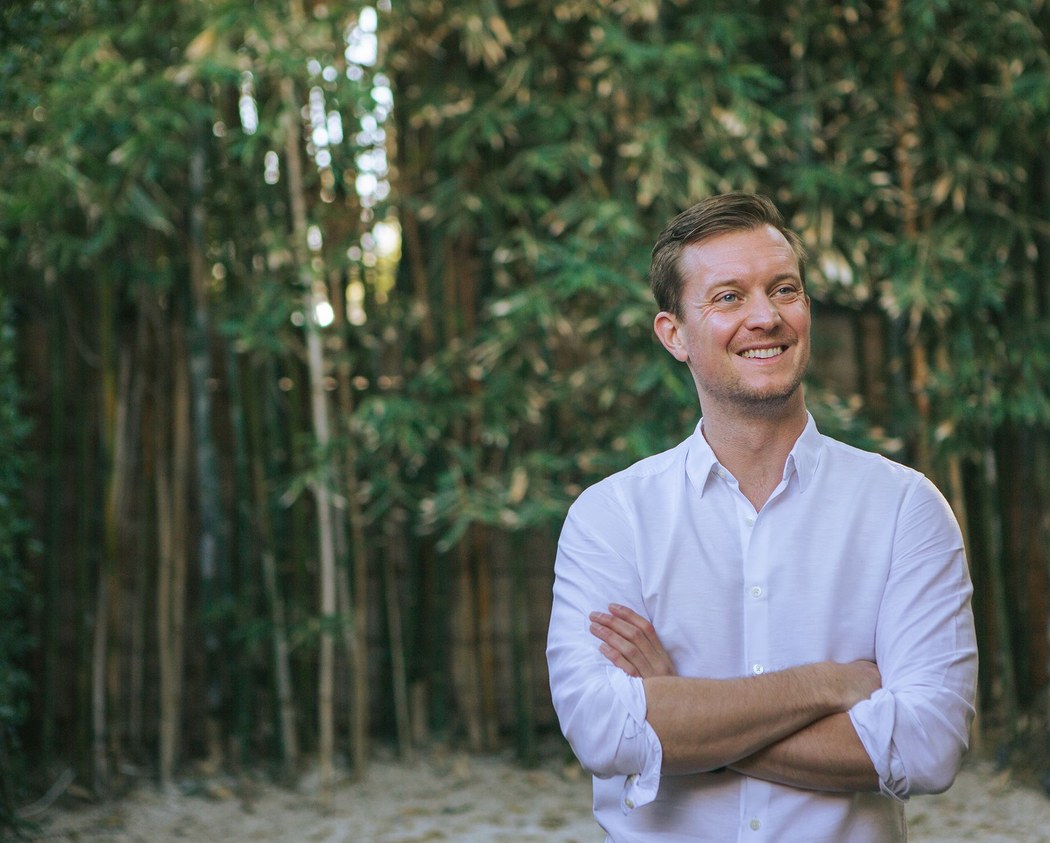
Christopher Hopper and the Seven-Month Problem
A school roof in Kenya sent Christopher Hopper down an unexpected path: building software for the work that happens before the panels go up. The Aurora Solar co-founder’s story runs from village electrification to a company used to design millions of solar projects.
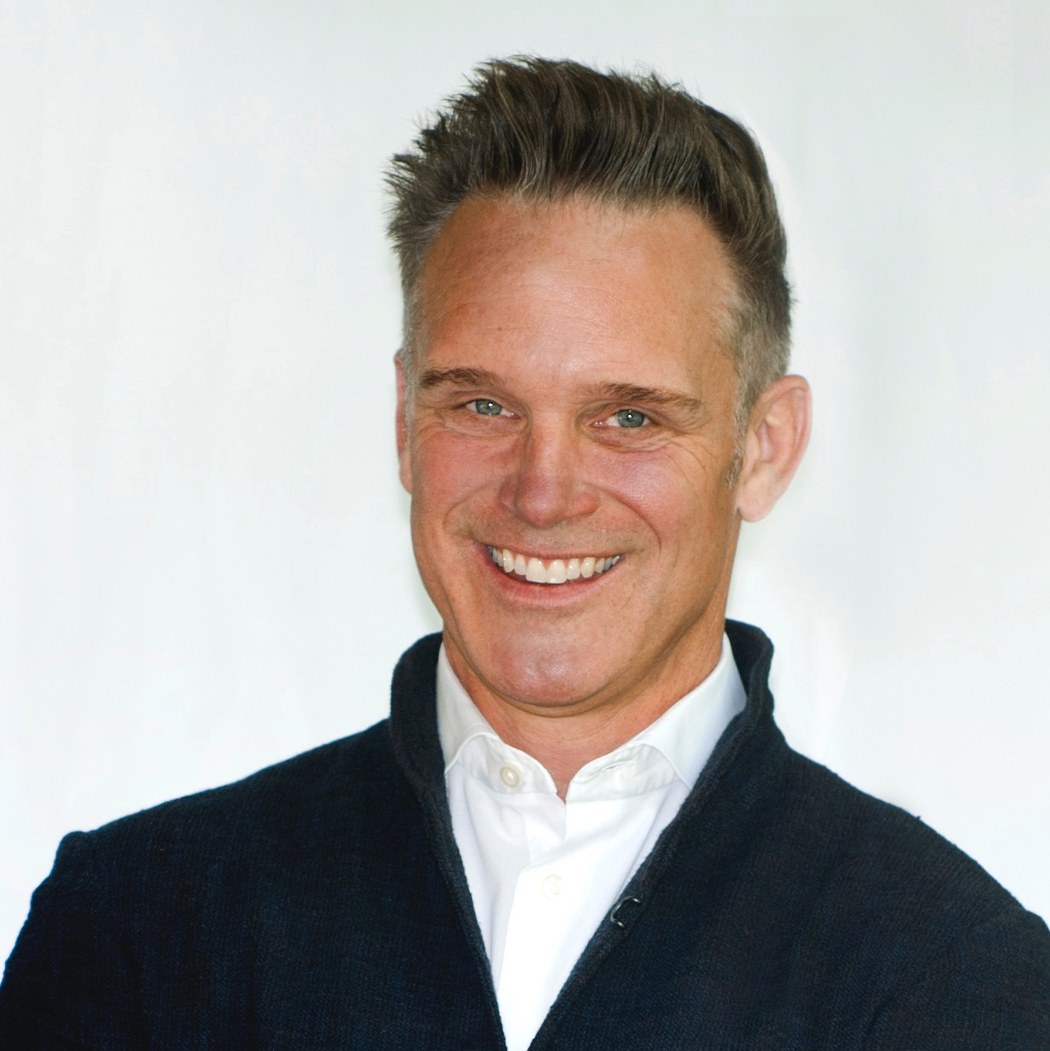
Steve McBee’s second theory of power
He built the firm that became Signal Group, then left Washington to change the energy business. Now Steve McBee is asking why an industry with commercial momentum still struggles to organize political power.

Kirk Brown and the case for showing up
From Iowa caucus season to electric-car test drives, the REACH Strategies founder has kept returning to a practical question: what happens when people get to try the future for themselves?
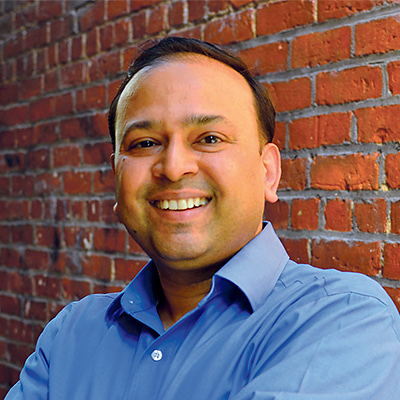
Vikram Aggarwal and the price of a little clarity
A quiet house powered by sunshine caught his imagination. The confusing business of buying solar gave the EnergySage founder his work.
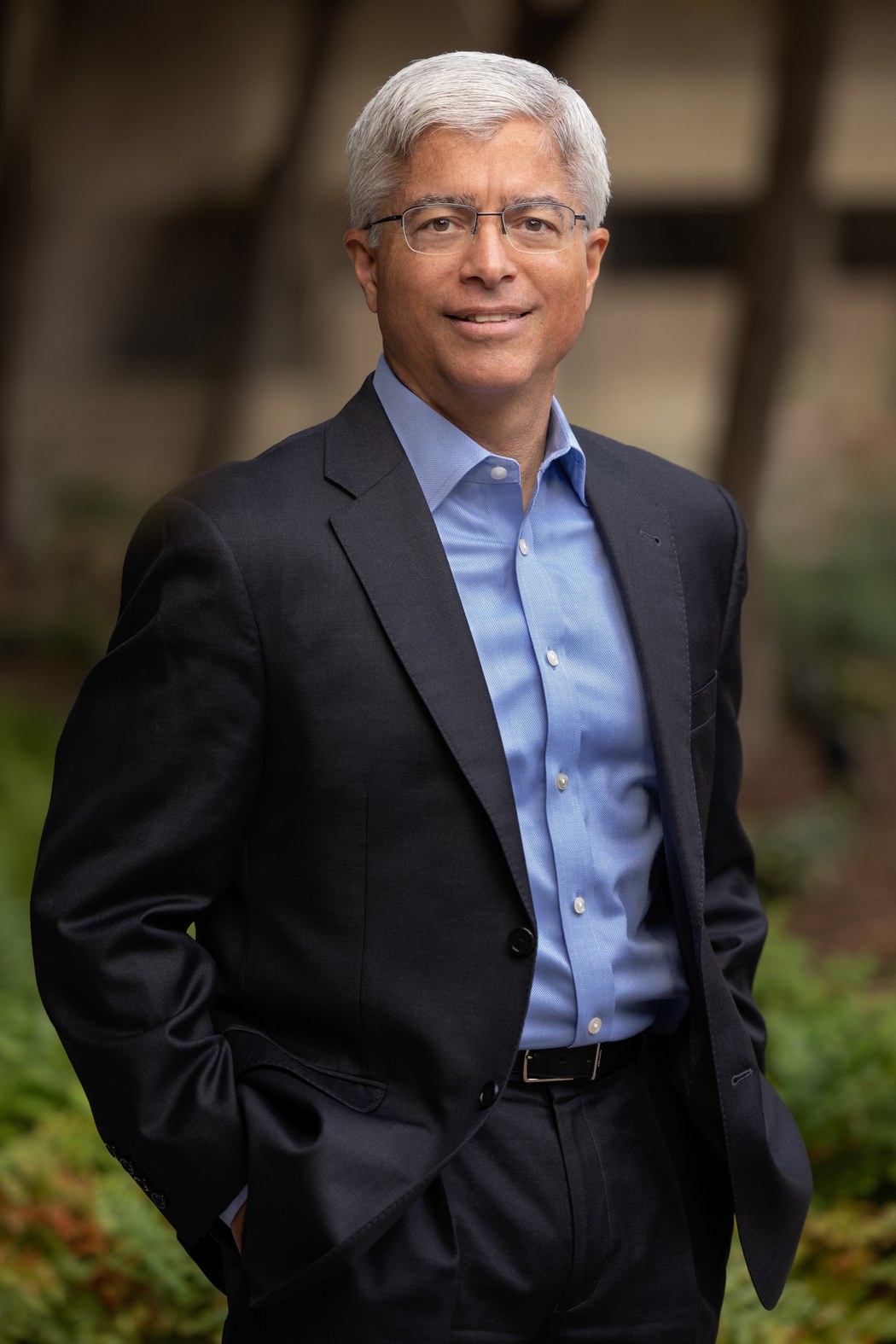
Pedro Pizarro and the trouble with a simple equation
A chemistry PhD became the head of Edison International by following problems beyond the laboratory. Now Pedro Pizarro has to reconcile California’s electric ambitions with the cost, safety and trust of the grid beneath them.
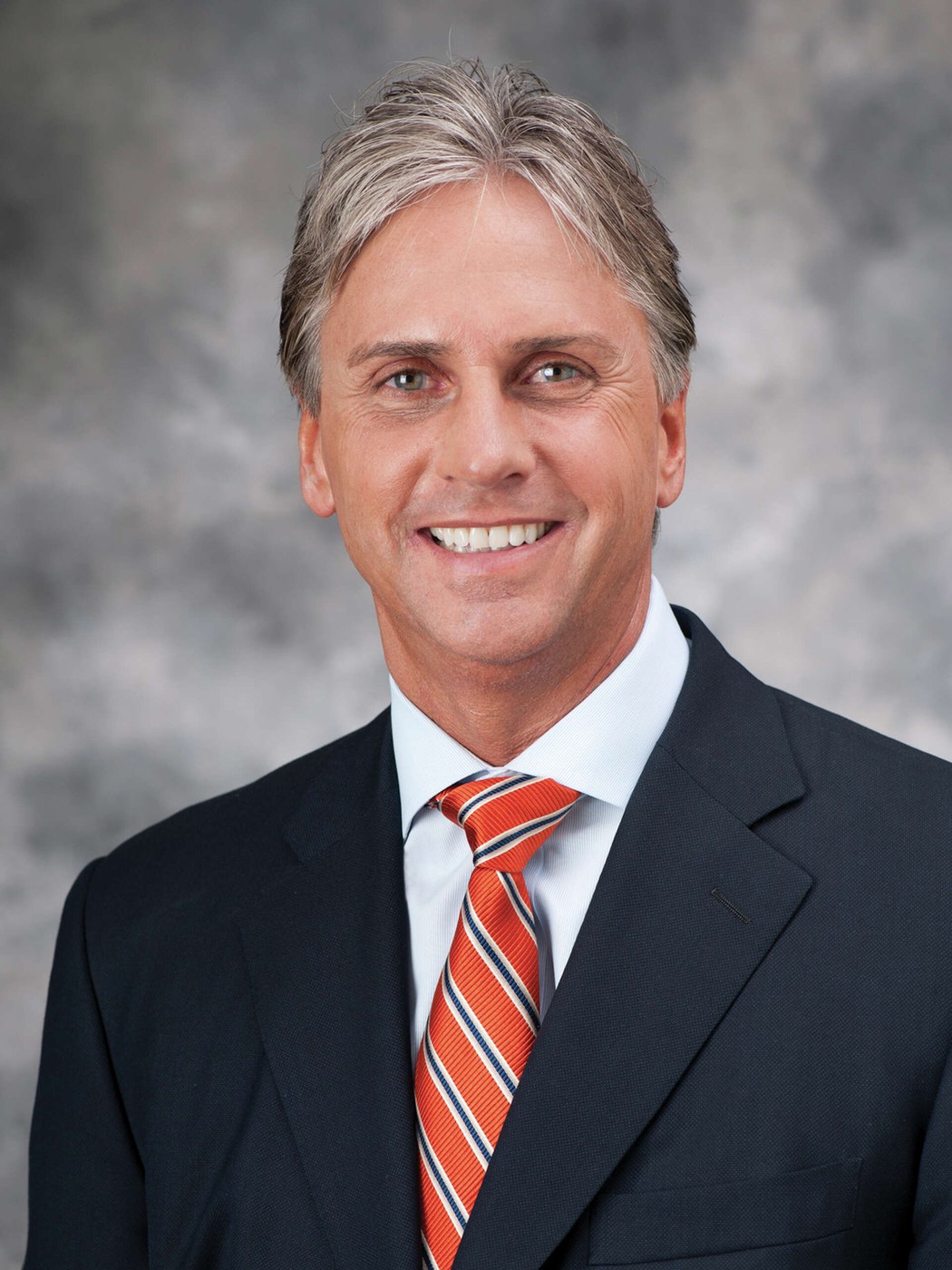
Mark Widmar and the arithmetic of staying in the game
An accountant became the CEO of First Solar, then cancelled a product before it reached the market. Mark Widmar’s career turns on a stubborn question: what is worth building for the long run?
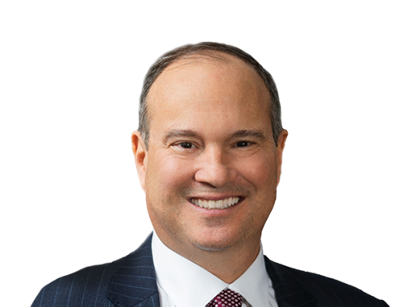
Joe Dominguez and the twenty-year promise
The former engineer and federal prosecutor now leads Constellation. His deals with technology companies reveal what happens when the speed of AI meets the long working life of a power plant.
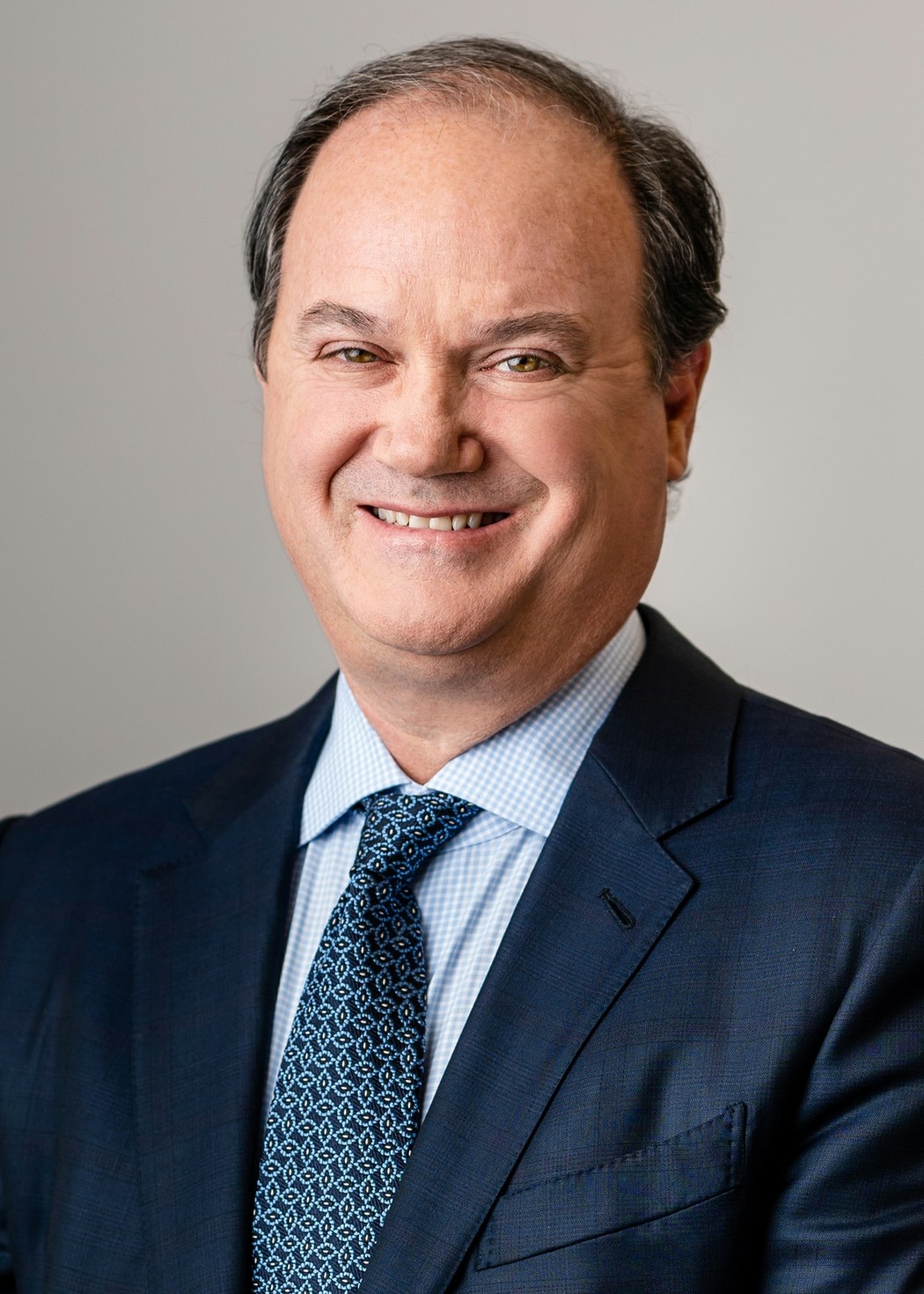
Bob Frenzel and the surprisingly physical future of AI
An aircraft carrier taught Bob Frenzel the business of making electricity. At Xcel Energy, he is confronting a new question: how to power the next wave of computing while keeping faith with the people already on the grid.
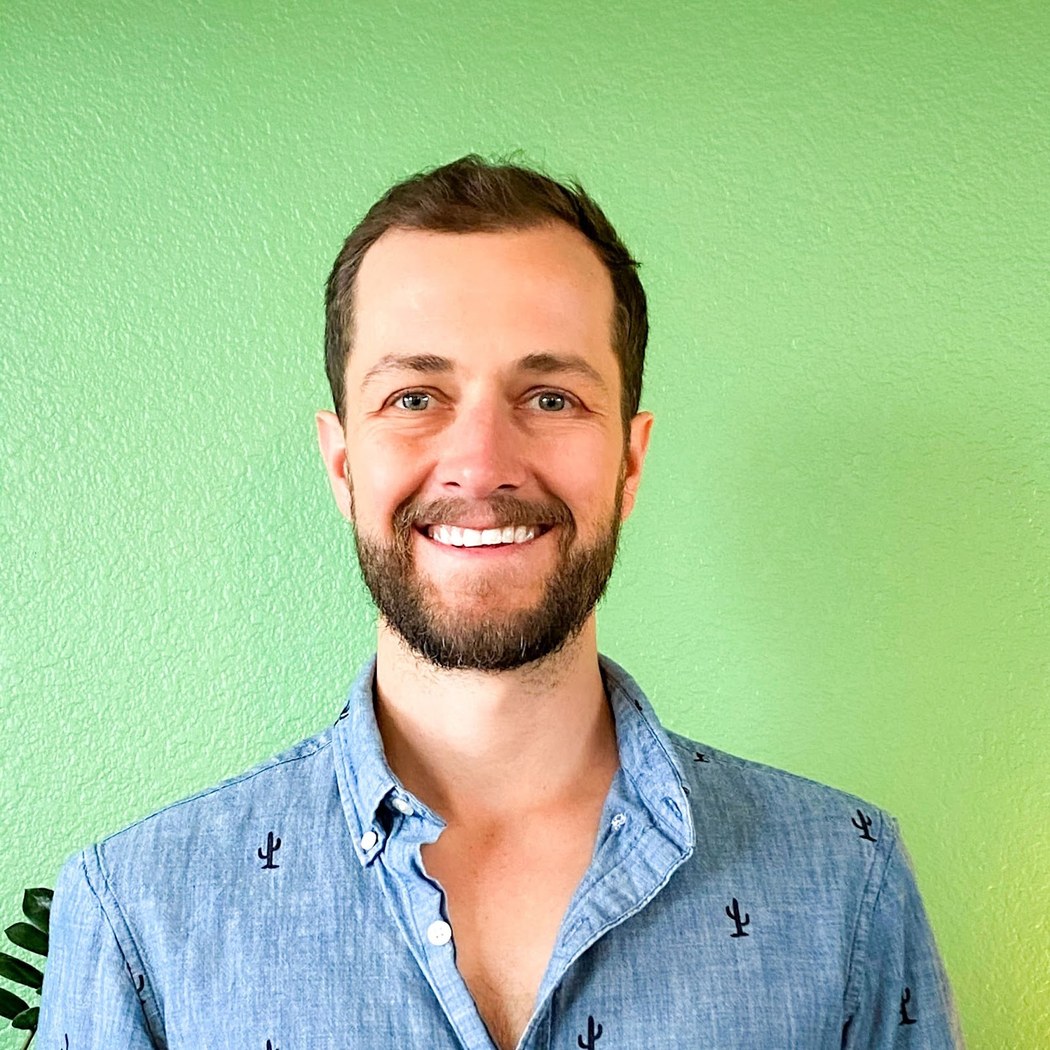
DR Richardson and the trouble with buying a heat pump
He spent a decade investing in the energy transition. Then his own Boulder townhouse showed him how much could go wrong between a good idea and a working heat pump.

Mark Collins and the Problem That Wouldn’t Leave Him Alone
A former North Sea commercial diver, Mark Collins has spent decades inventing things. With his son Chase, he is now working to make hydrogen power ordinary enough to keep at home.
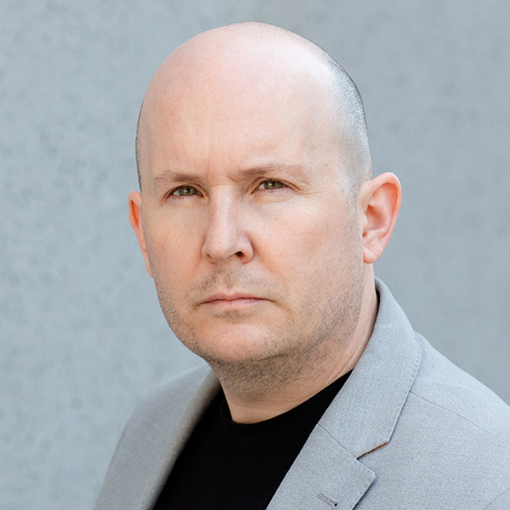
Marc-André Forget and the Power of Coming Home
He spent years advising electric utilities, then co-founded dcbel to give households more control over their energy. After a long California apprenticeship, his idea has come home to Quebec.
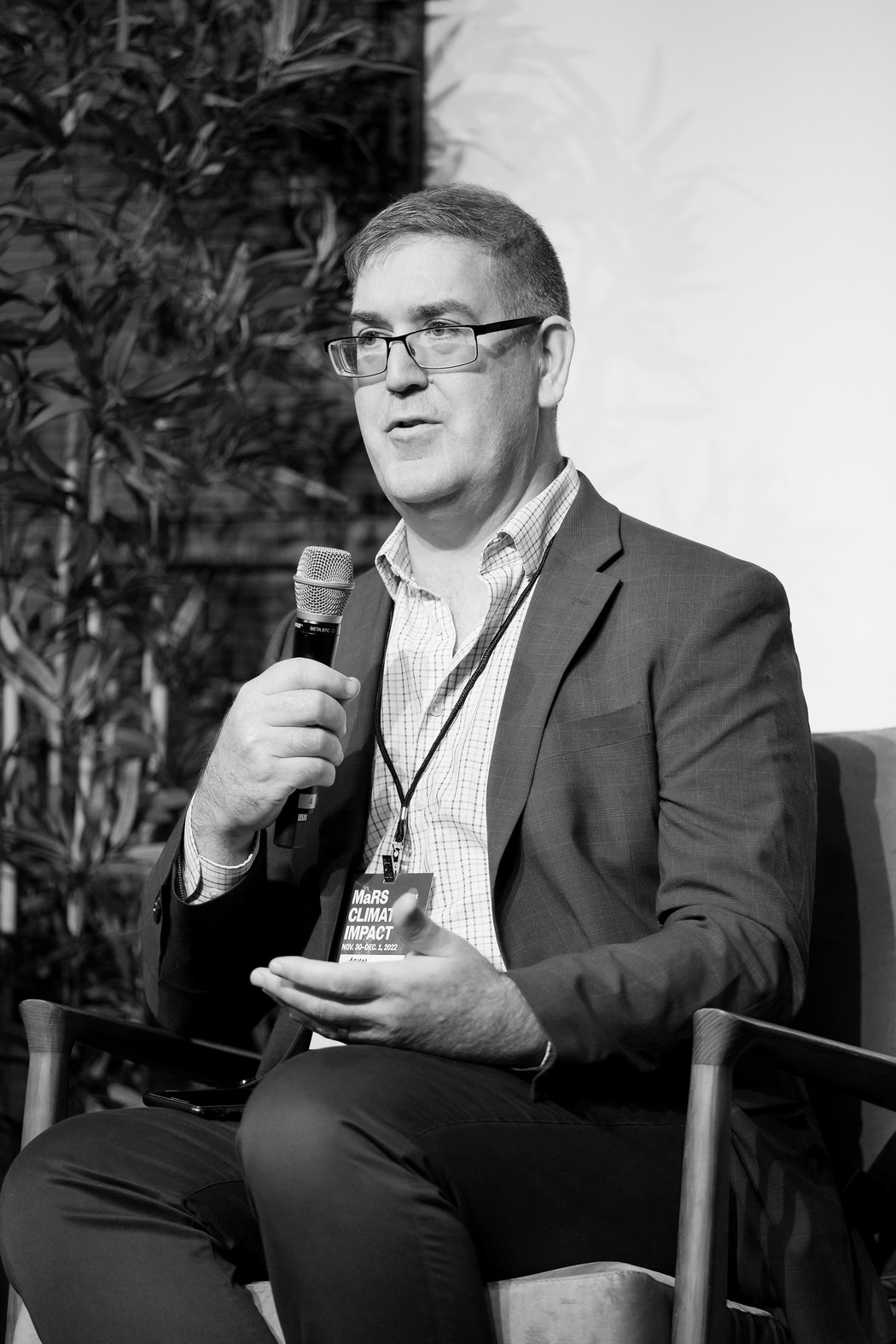
John Bucknell and the Factory Above the Clouds
John Bucknell learned to make complicated machines affordable in Detroit. At Virtus Solis, he is applying that education to a power station that would have to be assembled in orbit.

Jane Melia and the problem of saving noon for later
An old gas furnace sent Jane Melia looking for a better way to heat her home. The answer became Harvest Thermal, and the work of persuading people that a tank of hot water deserves their attention.
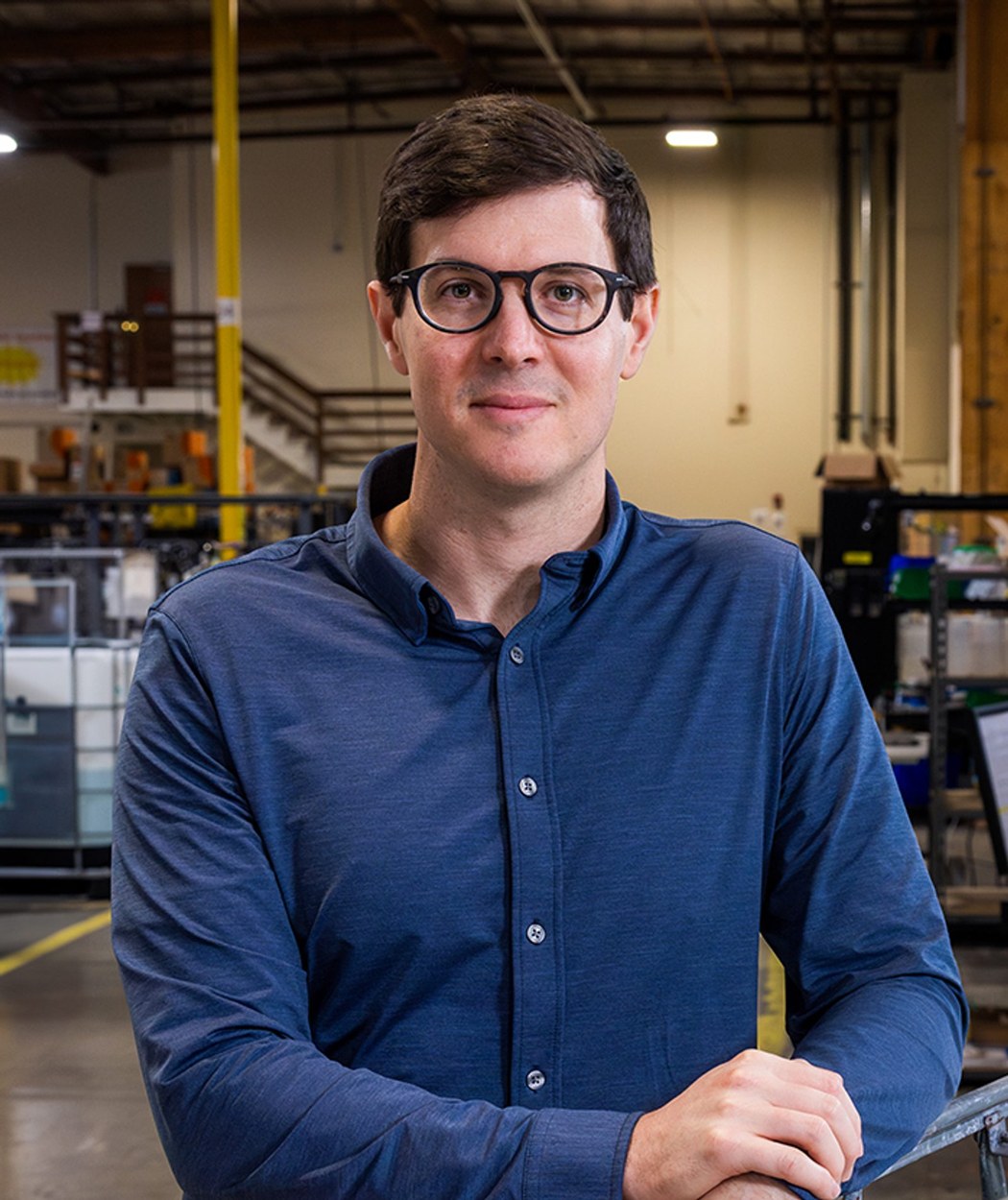
David Snydacker and the question that escaped the battery lab
He was studying better batteries when friends asked where all the lithium would come from. The answer took David Snydacker from Northwestern to Lilac Solutions, and from a laptop simulation to the awkward business of building plants.
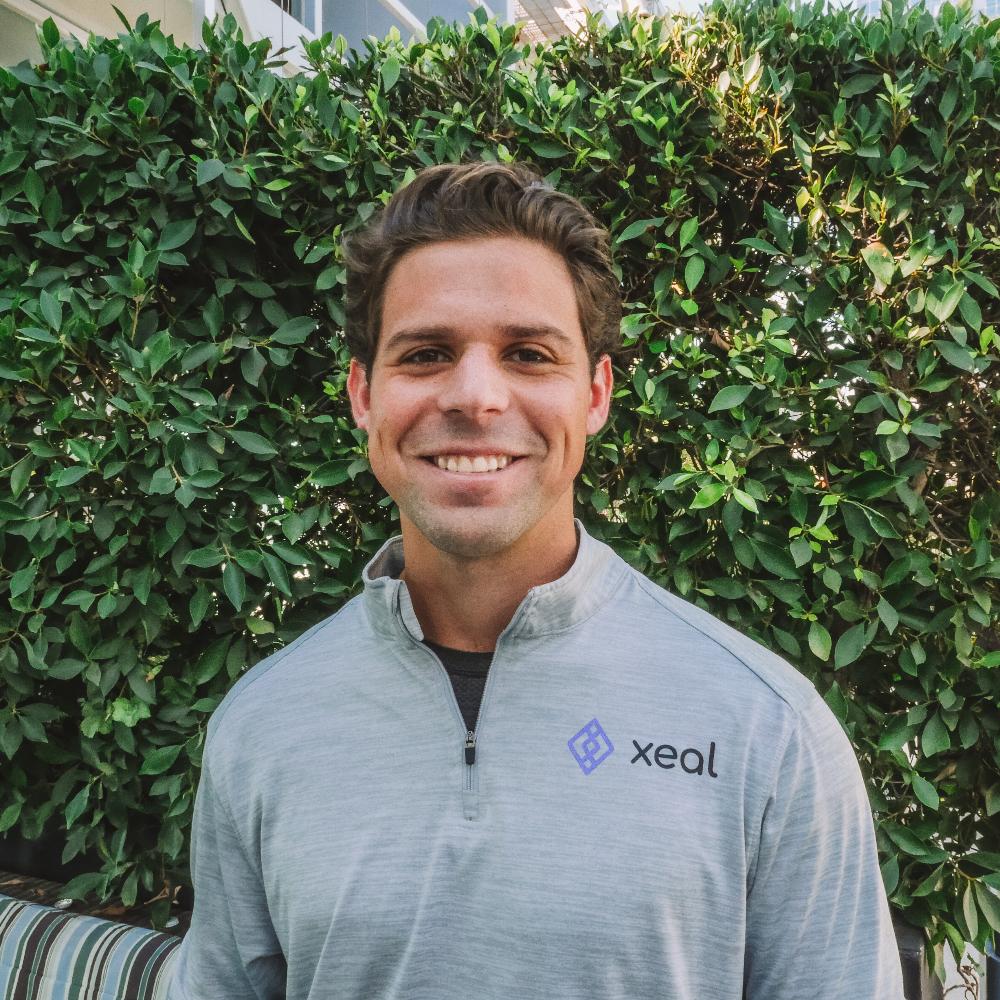
Zander Isaacson and the Art of Finding Your People
Before he sold EV chargers, Alexander “Zander” Isaacson recruited students into a venture club. The same instinct led him out of banking, into Xeal, and through the less tidy business of building a company with other people.
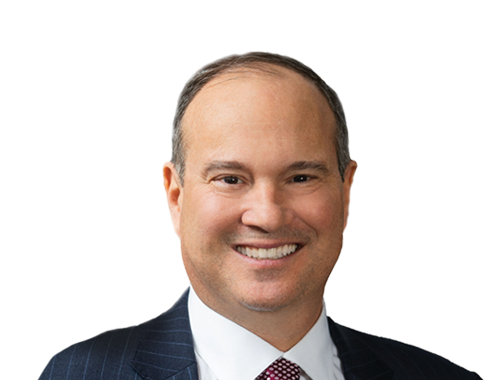
Joseph Dominguez and the long road to always-on power
An engineer became a prosecutor, then an energy executive. Now Joseph Dominguez is connecting the ambitions of Microsoft and Meta to power plants built to work for decades.
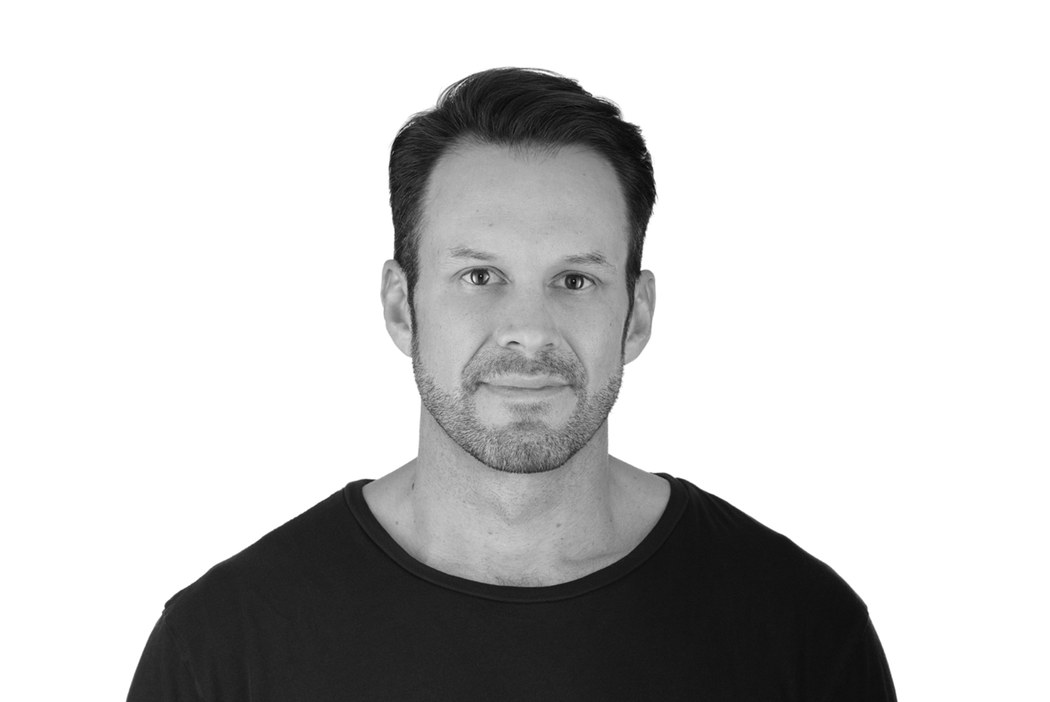
Patrick Maloney and the art of making energy ordinary
Before he co-founded The Nuclear Company, Patrick Maloney built a business around the household electricity bill. His career follows a stubborn question: how do you turn a good energy idea into something people can actually use?
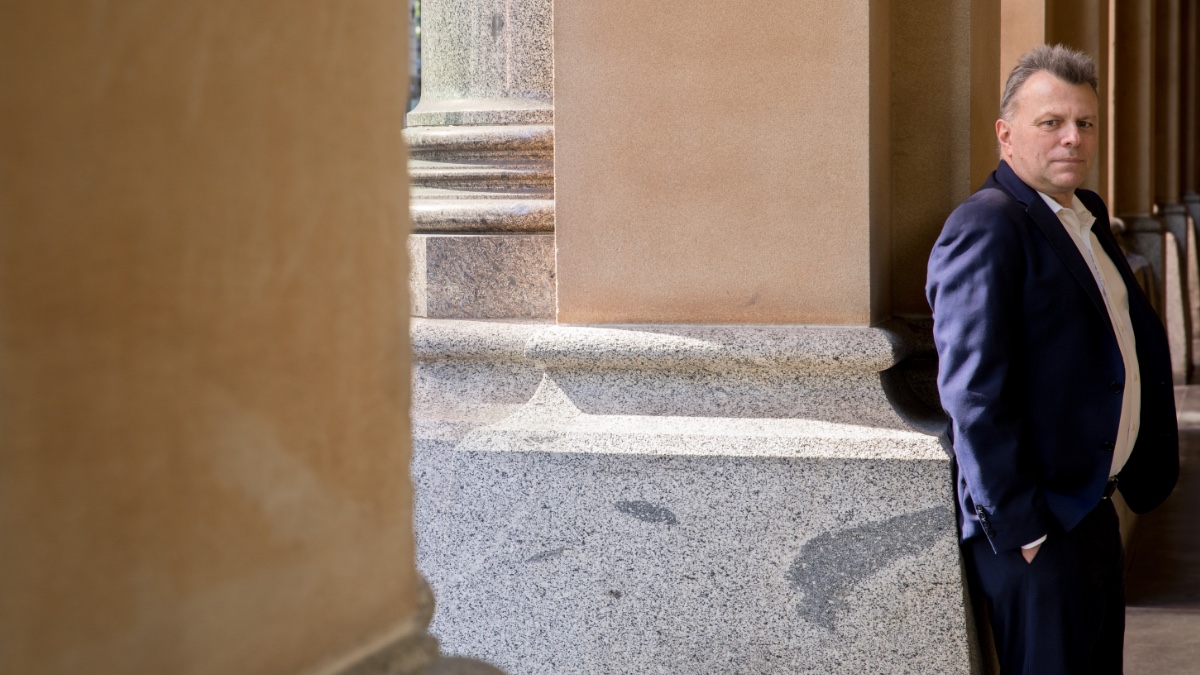
Mark Avery and the unexpected promise of a car wash
The Bell Resources founder brought a career in combining businesses to electric transport. His roadside proposal puts charging, car washing and clean energy on the same patch of ground.