clean-energy
(203)
Sungage Financial found solar’s missing piece.
The panels worked. The financing didn’t. Sungage Financial grew from one homeowner’s frustration into a business that puts solar ownership within reach - one installer, one loan, one roof at a time.
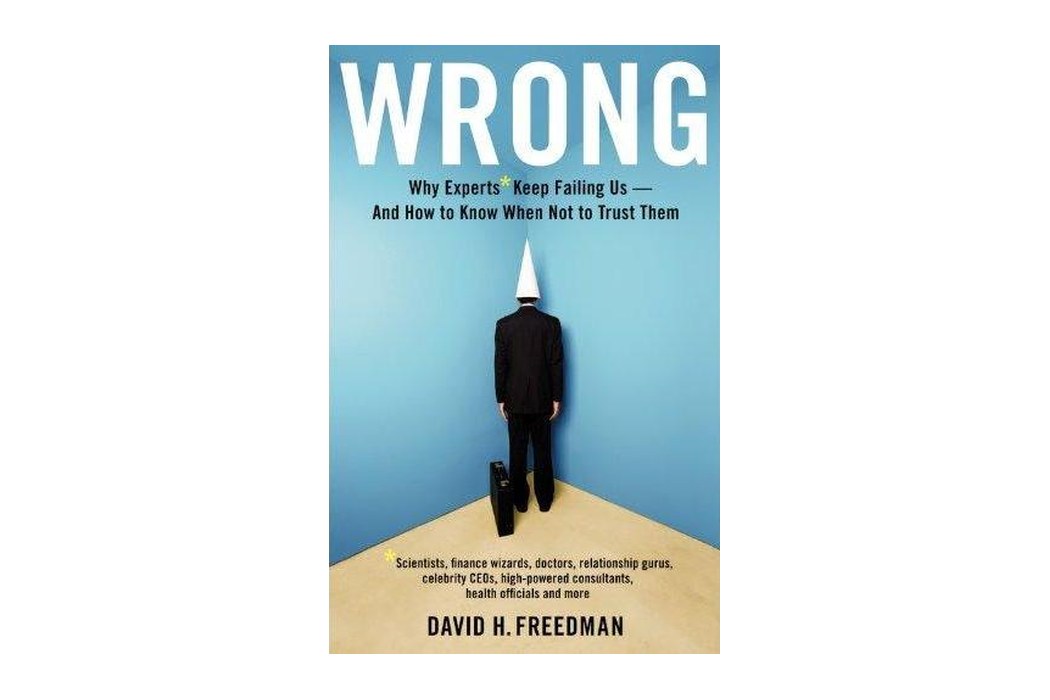
The business of asking: how do you know?
Various publications & books points to David H. Freedman’s working life: five books and a reporting career spent examining science, technology, and the people who promise to explain them.

SIIC makes room for the hard part
A ventilator built in 90 days reveals what IIT Kanpur’s incubator really supplies: the people, tools and patient support between an invention and a customer.

Voltus: The power of using less
A factory can earn money by pausing. A building can earn it by cooling differently. Voltus bundles those small acts of flexibility into something the electricity grid will pay for.

Intersect puts the power next door
Google bought Intersect to bring electricity and computing closer together. Its bet: the next constraint on AI can be solved with land, batteries, and a much shorter journey for power.

Sunrun’s next power plant is your house
Sunrun made rooftop solar a monthly payment. Now it is connecting home batteries into power plants, turning a household backup plan into something the whole grid can use.

Fluence is buying the grid some time
A battery can move electricity from noon to night. Fluence is building the hardware, software, and service business around that simple trick - while learning how expensive a late delivery can be.
CF Industries bets on the molecule it knows
CF Industries built its business feeding crops. Its next bet asks whether the same molecule can help cut industrial emissions - and whether the numbers will add up.
Xcel Energy and the art of keeping the lights on
At a Minnesota coal plant, solar panels and sheep reveal the practical side of Xcel Energy’s clean-energy transition. The hard part is rebuilding the system while everyone is still using it.

Edison International and the weight of a wire
California wants more of life to run on electricity. Edison International has to make the wires ready - and reckon with the consequences when the system falls short.

First Solar took a different element.
Most solar manufacturers chose silicon. First Solar chose cadmium telluride - and built a business around controlling what happens between a sheet of glass and a working power plant.
ZOLA iNTELLIGENCE puts the grid in the details
A solar panel can make electricity. ZOLA iNTELLIGENCE is betting that the harder job is running the business that keeps it flowing.
Propel Fuels Made the Future a Pit Stop
A cleaner fuel is only useful if somebody can buy it. Propel built a business around that small inconvenience - and discovered how much knowledge can hide inside a gas station.

Li Industries Gives Batteries a Second First Life
Li Industries wants to keep the work already built into a battery. Its bet on direct recycling could make the least glamorous battery chemistry a more interesting business.
Greentown Labs and the value of a useful neighbor
Four startups shared a warehouse to make the rent manageable. They discovered that the person next door could be worth as much as the equipment - and built a climate incubator around that discovery.

New Energy Nexus helps clean energy escape the lab
A battery needs proof. A solar lantern needs a route to market. New Energy Nexus builds the missing connections between a good idea and somebody who can use it.

AIC-SKU wants the next founder to stay in town
In Anantapur, a university incubator is building a route from classroom ideas to rural businesses. Its wager: talent should be able to find opportunity without first buying a ticket out.

Zap Energy wants a star. First, it needs the plumbing.
The Washington company made its name squeezing plasma without giant magnetic coils. Now it is adding fission to the plan, betting that the machinery around the reaction can bring nuclear power closer to customers.

Mainspring Energy built a generator that can change its mind
A cold-storage warehouse cannot wait for the sun to return. Mainspring’s fuel-flexible linear generator turns that ordinary problem into a rather unusual power business.
Pellucere Technologies turns old solar panels into better light collectors
A thin silica coating gives existing solar panels another chance at sunlight. Pellucere’s more interesting invention may be the machinery, testing and economics that get that coating out of the laboratory.

Paces and the art of rejecting the wrong land
A promising parcel can conceal an impossible power project. Paces brings grid, permitting and environmental risks forward, while there is still time to walk away.
Sunstone Credit puts the loan where the sale is
A solar proposal can survive every engineering test and still die in the finance office. Sunstone Credit brings the loan into the sale, helping businesses own the equipment they want to install.

enSights puts a price on solar's quiet failures
A solar farm can look busy while its business quietly loses money. enSights connects equipment data, repair work, and financial performance so operators can see what a fault actually costs.
Greentech Media made clean energy legible. Then the newsroom went dark.
The Boston publisher turned solar panels, batteries and utility politics into a business people could follow. Its 2021 closure reveals the awkward bargain between an influential newsroom and the intelligence business around it.

Pacific Fusion’s billion-dollar bet on the parts you throw away
To make fusion electricity affordable, Pacific Fusion is attacking the cost of each shot. Its wager combines disposable targets, factory-built pulsers and a $1 billion financing round tied to technical milestones.
FranklinWH gives your house a power plan
The home battery is only part of the story. FranklinWH coordinates the roof, the grid and the backup supply - and increasingly lets the neighborhood borrow a little power.

EnergyHub is building a power plant in your thermostat
The Brooklyn software company turns thermostats, batteries and electric cars into capacity utilities can call on. Its revealing lesson: a useful gadget becomes valuable infrastructure when enough people agree to use it together.

Bidgely knows what your electricity bill won’t tell you
The meter sees a house. Bidgely looks for the appliances inside it - then helps utilities turn those clues into lower bills, better-targeted programs and a more manageable grid.

GSE Solutions lets nuclear plants rehearse the trouble
Before a reactor design meets the real world, GSE Solutions gives it a dress rehearsal. Its business connects plant physics, operator judgment, and the unglamorous engineering that keeps electricity flowing.
Stem and the Art of Selling Less
The clean energy company made its name helping batteries choose their moment. Its own turning point came when it decided that selling more batteries was the wrong ambition.