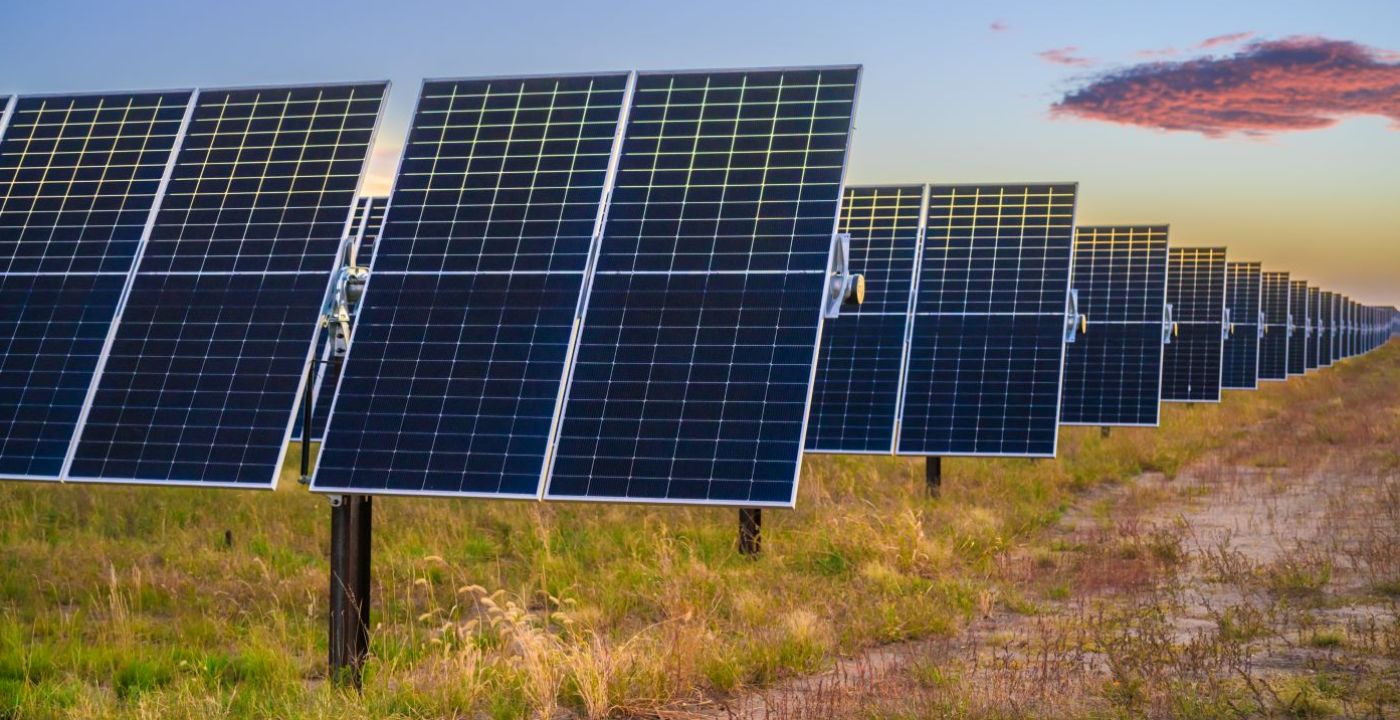
At Xcel Energy’s Sherco Solar facility in Minnesota, part of the maintenance crew eats the landscaping. Nearly 2,000 sheep were grazing there by May 2025. There were shepherds, sheep dogs and a guard donkey, too. The panels supplied electricity; the animals kept vegetation manageable. A power company was borrowing a technique considerably older than the power company.
- Xcel sells electricity and natural gas through regulated utilities.
- Sherco’s first three solar phases now total 710 megawatts.
- Existing grid connections help the coal site find another use.
- The 2050 ambition remains; a nearer emissions target has slipped.
The sheep make an appealing photograph. They also point toward something less photogenic: operating costs. Vegetation must be controlled so equipment remains accessible. Xcel’s partner, Minnesota Native Landscapes, manages grazing for that practical purpose. The company says it costs less than conventional mowing. The animals get shade. The utility gets a field it can maintain.

A coal plant’s useful inheritance
Sherco, short for Sherburne County, helps explain the business behind the photograph. Xcel is retiring coal generation near Becker while building solar nearby. Its first coal unit retired at the end of 2023. In July 2026, Xcel announced completion of the third solar phase: 710 megawatts across 1.7 million panels. A fourth phase remained proposed.
Much of the appeal lies in what the site already has. A power plant is connected to a network built to move electricity. Keeping useful connections while changing the equipment feeding them can spare a developer the task of starting everywhere from scratch. Xcel also plans batteries near Sherco that would use the existing grid connections.
That is a copyable idea for anyone managing expensive assets: inventory what remains useful before writing the replacement plan. It depends on suitable land, permissions and a connection that serves the new project. An obsolete machine does not make every part of its surroundings obsolete.
The bill behind the build
Xcel generates and purchases electricity, moves it through transmission and distribution networks, and delivers natural gas. Its customers include households, shops, factories and public institutions. At year-end 2025, it served approximately 3.9 million electric accounts and 2.2 million gas accounts across parts of eight states. Those figures overlap; they are not six million separate households.
The company took its present name in 2000, when Northern States Power merged with New Century Energies. Its early years included a costly stumble. Independent power subsidiary NRG entered bankruptcy in 2003 after lower power prices and deteriorating credit ratings. Xcel relinquished ownership under a settlement providing for $752 million in payments. Today’s regulated utility business operates under a different set of economics.
Utilities ask regulators to approve rates that recover prudent costs and allow a return on eligible investment. Financing comes through operating cash, debt and equity. Customers pay for service over time. This makes regulatory approval central to the business model and gives every construction proposal a second audience beyond engineers: the people paying the bills.
For the first three phases, as reported in November 2024. A project figure, not a final audited 2026 total.
Solar removes a fuel bill, but someone still buys panels, builds connections and maintains equipment. The trade works when those costs compare favorably with alternatives over the project’s life. Xcel’s distinction among utility peers is its early carbon-free commitment and the scale of its replacement program. For most customers, however, the available utility follows their service territory. Choosing between Xcel and a distant peer is rarely a shopping decision.
The customer changed the product
In December 2018, Xcel announced a goal of carbon-free electricity by 2050. Then-CEO Ben Fowke pointed to advances in technology and customers demanding cleaner power. His explanation included a useful phrase:
“motivated by customers who are asking for it”Ben Fowke / December 2018
The customer influence shows up in smaller decisions, too. A Colorado regulatory filing described two problems with Windsource: subscribers wanted solar alongside wind, and competing green-program names confused them. Xcel proposed bringing the offering under Renewable*Connect and adding solar. The paperwork contains a recognizable product-development story: listen to the questions people keep asking.
Eligible customers can subscribe to Renewable*Connect Flex without installing rooftop equipment, selecting blocks of renewable energy or coverage for all their usage. There is an additional charge. Terms and availability vary by state. For someone seeking a lower bill, efficiency rebates and home assessments may be the more relevant starting point; program budgets and equipment requirements matter.
The hours the sun cannot cover
Xcel reports that its companywide electricity mix was 53% carbon-free in 2025. That includes nuclear power, which explains why “carbon-free” and “renewable” are different descriptions. Its expertise is in combining resources with networks and system operations. Solar capacity alone cannot answer a winter evening’s demand.
Index: 2005 = 100. Company-reported 2025 reduction: 58%, preliminary pending verification. An emissions index, not the share of carbon-free power.
That constraint has already changed the timetable. In its 2025 sustainability report, published in June 2026, Xcel said reaching an 80% companywide emissions reduction would take longer than its original 2030 goal. It cited rising electricity demand, tighter supply chains, policy changes and the cost of moving faster. The 2050 destination remained. This is the difficult distinction in the company’s story: construction can advance while a deadline retreats. Customers and regulators must judge the pace against both cleaner-power commitments and the cost of dependable service.
Its announced February 2026 agreement to serve Google’s Pine Island data center includes plans for wind, solar and a 300-megawatt Form Energy iron-air battery system designed for 100 hours of discharge. Xcel said Google would cover the costs of its new service and associated grid infrastructure. The announcement required regulatory review. An announced battery is still a project to execute.
The same care applies to affordability claims. In October 2026, Xcel proposed holding Minnesota electric base rates flat for two years. That proposal required approval, and base rates are only part of a bill. Fuel adjustments and consumption can still move. The promise customers ultimately judge is stubbornly ordinary: power available when needed, at a bill they can manage.