solar-energy
(31)
Jhon Cohen Learned to Read the Sun - Then Built Across Borders
A Colombian economist crossed industries, continents and corporate identities to turn sunlight into infrastructure. His career is a study in translation - between engineering and finance, ambition and proof, one country and the next.
The Solar Lobby That Learned to Sell Sunlight as Infrastructure
SEIA does not make panels or sell electricity. It makes a scattered industry act like one - with lobbying, data, standards, and a very Washington belief that the right spreadsheet can become a constituency.
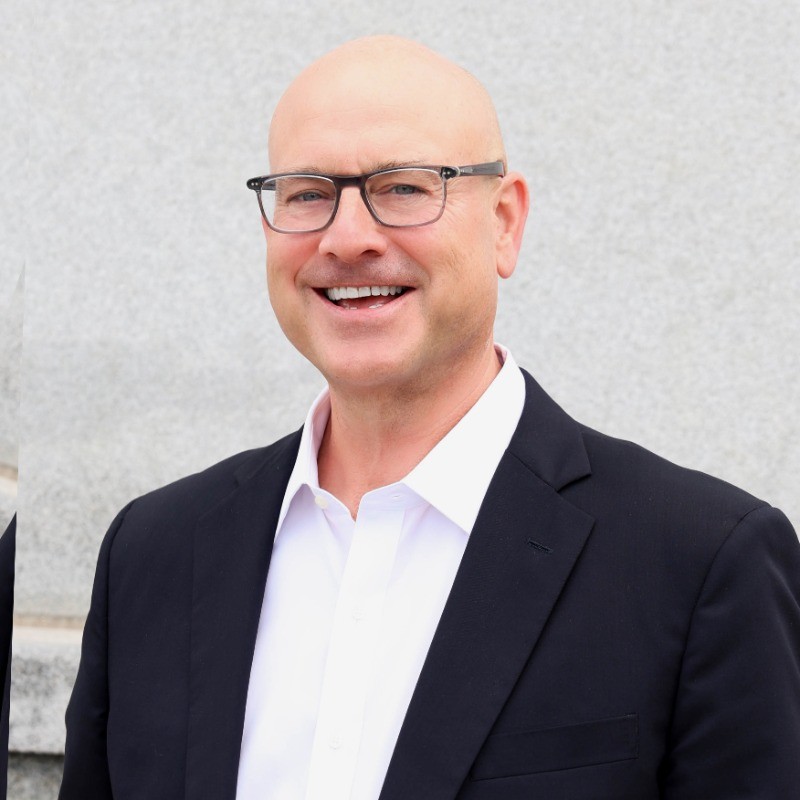
Darren Van’t Hof Learned Solar Through the Ledger - Now He Has to Win the Argument
After two decades financing the energy transition and 15 years inside SEIA’s boardroom, Darren Van’t Hof has crossed from underwriting solar’s growth to defending its place in America’s power supply.
EnergySage puts solar sales pitches side by side
Buying solar means comparing equipment, financing and promises about the next 25 years. EnergySage built a business by putting those promises on the same page - and now wants to do the same for the rest of the electric home.

The Tiny Box That Lets Solar Installers Refuse the Walled Garden
Tigo Energy spent nearly two decades making a small, unglamorous box beneath the solar panel unusually consequential. Its wager: installers will pay for safety and intelligence without surrendering the freedom to mix brands.

JD Dillon Put a Price Tag on Marketing - Then Gave Solar a Quality Check
The West Point engineer became a marketer by treating competition like terrain, pricing like strategy and customer support like part of the product. At Tigo Energy, his argument is disarmingly practical: solar earns trust one installation at a time.
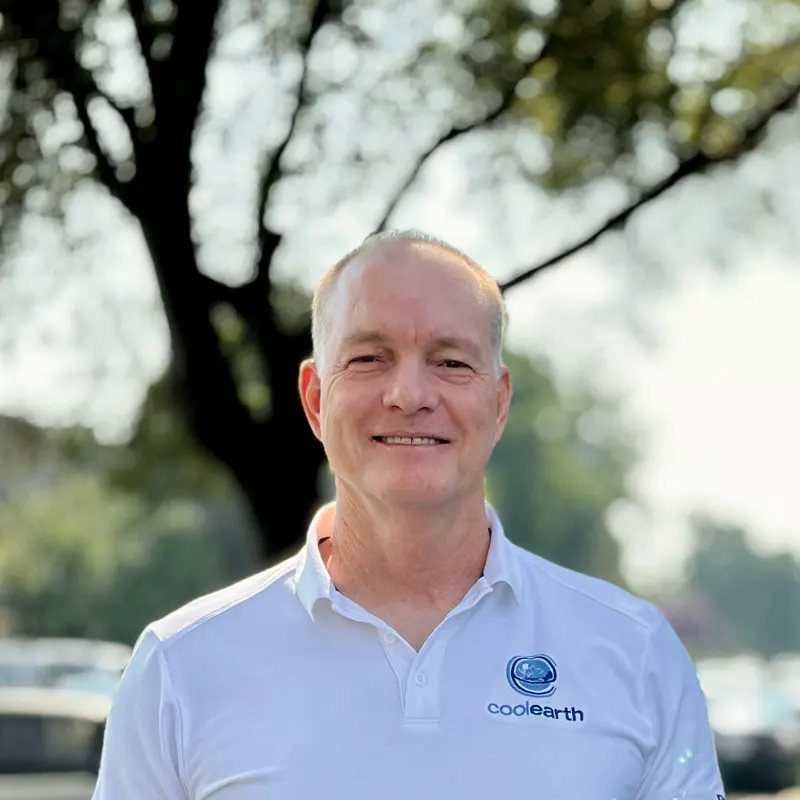
Rob Lamkin Put Solar in a Balloon. Then Came the Harder Work.
He spent decades learning how power plants get financed, built and operated. Then Rob Lamkin bet on inflatable solar collectors - and learned that durable persistence means knowing what to keep, what to stop and what to build next.

Kevin Berkemeyer Is Turning Every Building Into an Energy Decision
The Station A co-founder spent years watching viable clean-energy projects stall in spreadsheets and sales cycles. His answer is a marketplace built around a deceptively simple input: an address.
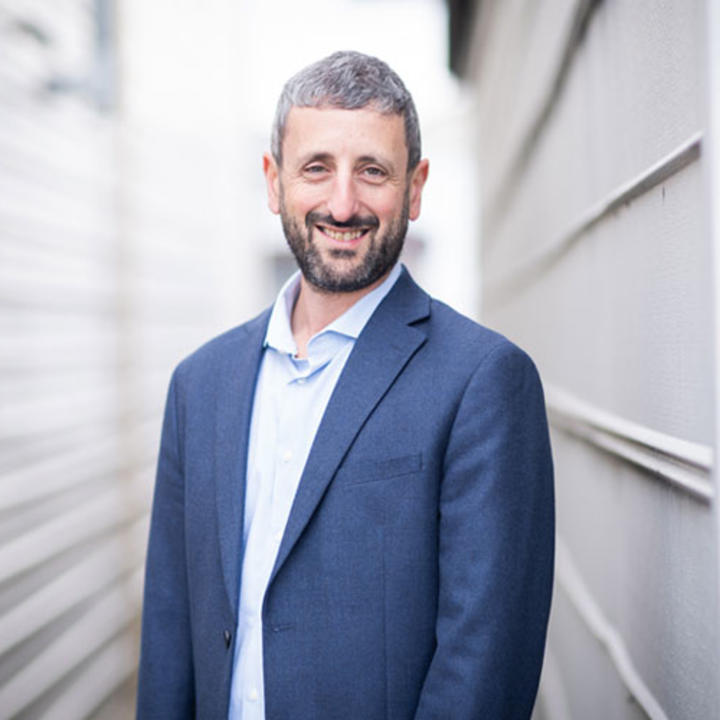
Jesse Gronner Took a Temp Job. Then He Spent 25 Years Rewriting the Grid.
A college graduate headed west by way of national parks, landed in an energy office as a temp, and stayed for the industry’s long conversion. Now Jesse Gronner is betting that clean power runs on turbines, patient capital, and something harder to engineer: trust.

Isaac Baker Is Making Solar Work for the Buildings the Market Forgot
The Boston founder built Resonant Energy around a stubborn idea: clean power should lower costs for nonprofits and affordable housing, not wait for the easiest roof and richest owner.

dcbel’s $9,999 Bet: Your EV Should Run the House
The Montreal company spent a decade turning an electric car into a home battery. Now the hardware is certified, Volvo and Polestar are plugged in, and the hard part has shifted from invention to installation.

The company selling solar the way Netflix sells movies: no download, just a monthly bill
Rooftop solar has always been sold like a mortgage: big money down, decades of commitment. Terra Energy sells it like a phone plan instead - $0 upfront, a three-year term, and up to half off the power bill from day one.
The TV Company That Started Selling You the Sun
Skyworth spent three decades becoming a top global TV brand. Now it is quietly betting the next three on putting solar panels on Chinese roofs - and the math is starting to favor the panels.
The Solar Company That Bet on the Buildings Everyone Else Skipped
Isaac Baker and Ben Underwood built a solar company around the customers the industry finds too poor or too complicated. Nearly a decade in, the affordable-housing rooftops are paying them back.

The Grid’s New Bottleneck Is a Box Full of Copper
Meta Power Solutions sells the overlooked hardware between ambitious electrical plans and a live switch. Its bet is that customization, testing and field support can turn a stubborn grid bottleneck into a buildable project.
Tesla Wants to Sell You a Car - Then Replace the Grid Around It
The company that made the electric car feel inevitable is now trying to turn vehicles, batteries, chargers and software into one enormous machine. The cars still pay most of the bills, but Tesla's next argument is about infrastructure.

The Tiny Box Behind Every Solar Panel Is Enphase's Big Bet
Enphase turned the least glamorous part of rooftop solar into a platform. Now its panel-level microinverters anchor a connected system for making, storing, using, and selling household power.

Vistra Corp.
Vistra sells power at both ends of the wire: a sprawling fleet makes the electricity, while familiar retail brands sell it to nearly 5 million customers. The result is a revealing bet on what the American grid needs next - nuclear endurance, gas flexibility, batteries, and a great deal more demand.

Eco-Energy LLC
Eco-Energy built its reach by solving the unglamorous parts of renewable fuel - price risk, railcars, tanks and missed deliveries. Now that physical network is becoming a platform for solar projects, emissions certificates and a wider low-carbon trade.

Extra Space Storage
America's largest self-storage operator has turned spare rooms into a national operating system - pairing green doors with dynamic pricing, property management, lending and one of real estate's broadest rooftop-solar programs.

Steve Huang
Steve Huang is the founder and CEO of KiWi New Energy, a Taiwan-born, San Mateo-based startup building what he calls an operating system for global renewable energy. A serial green entrepreneur with more than 15 years across the semiconductor and solar value chain, Huang went from NVIDIA and public silicon-wafer ventures to a near-total collapse when Chinese rivals undercut his micro-inverter business, then rebuilt around an AI-driven energy datacenter that matches clean supply with retail and small-business demand in real time.

KiWi New Energy
KiWi New Energy is a Taiwan- and Silicon Valley-based clean energy company building what it calls the operating system for global renewable energy. Rather than manufacturing more solar panels, KiWi focuses on the AI dispatch layer between generation and consumption: its AI-Driven Energy Datacenter (AI-EDC) matches clean supply to multi-site retail and SME demand in real time, aggregating fragmented buyers into virtual demand pools and using blockchain-certified renewable energy certificates to make green power traceable. Its deployments include a rare control-layer integration with Tesla Energy storage for FamilyMart convenience stores in Taiwan, plus customers like Decathlon and Wang Steak. Founded by serial energy entrepreneur Dr. Steve Huang, the company reached breakeven in 2025 and is expanding into Japan and the United States.

Sunairio
Sunairio is a Baltimore-based climate-and-energy analytics company that builds next-generation grid forecasting software where weather, climate, and energy meet. Its flagship platform, Sunairio ONE, generates 1,000 ensemble forecast paths - versus the 50 typical of legacy methods - to capture the extreme, hyperlocal weather events that break grids and portfolios. Spanning timescales from the next 15 days to the next 15 years, Sunairio helps utilities, renewable developers, traders, and investors plan for volatility instead of being surprised by it.

Starcloud
Starcloud is a US deep-tech company building data centers in orbit. By placing GPU clusters in space, it taps near-continuous solar power and passive radiative cooling to run AI training and inference without the land, water, grid-permitting, and energy constraints that bottleneck data centers on Earth. In November 2025 its Starcloud-1 satellite became the first spacecraft to train a large language model in orbit using an Nvidia H100 GPU; its $170M Series A in March 2026 made it the fastest unicorn in Y Combinator history.
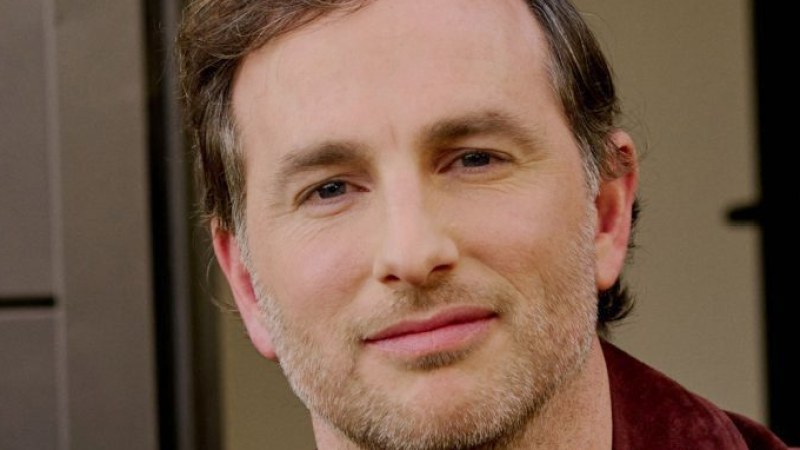
Joe Garcia
Joe Gebbia co-founded Airbnb in 2008 out of a San Francisco living room - air mattresses, breakfast included - and turned a half-crazy idea into an $85B company. His current venture, Samara, builds factory-assembled, solar-ready backyard homes (ADUs) that go from permit to move-in in under seven months. In early 2025 he became America's first Chief Design Officer, tasked with redesigning the federal government's 27,000 websites. A Rhode Island School of Design graduate with dual majors in graphic and industrial design, Gebbia approaches every problem - housing affordability, government UX, refugee shelter - through the lens of democratic, empathetic design.

Matt Campbell
Matt Campbell is the CEO and Co-Founder of Terabase Energy, a Berkeley-based company building the digital and automation platform for utility-scale solar. After 15 years at SunPower working across 200+ projects in 20 countries, he launched Terabase from his basement during the pandemic in 2019 - and within three months had secured an 800 MW project in Qatar. Today, backed by SoftBank Vision Fund 2 and Breakthrough Energy Ventures with $207M raised, Terabase's Terafab robotic assembly line is deploying solar at 2-minute cycle times, targeting 24/7 autonomous construction and a future where solar hits one cent per kilowatt-hour.

Dirk Morbitzer
Dirk Morbitzer is a senior executive and consultant with 25+ years of experience in renewable energy, solar, and cleantech. He is CEO of DIMOCO Inc., a boutique consulting firm specializing in solar and energy storage, and is a top 1% expert in the Energy Group at GLG (Gerson Lehrman Group). Previously CEO North America and Group CEO of AEROCOMPACT Group Holding AG, and before that Director of Strategic Sourcing at Sunrun for eight years, Morbitzer brings deep expertise in strategic sourcing, international supply chain management, M&A, and PE investment navigation across Europe, Asia, and North America.
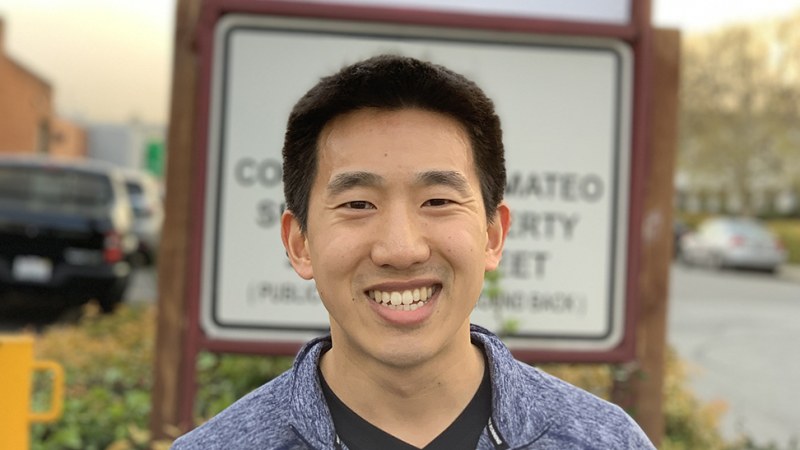
Joel Jean
Joel Jean is Co-Founder and CEO of Swift Solar, the San Carlos, California-based company turning a decade of perovskite research into commercial solar panels that generate up to 30% more power than conventional silicon. A Taiwanese-American from Beavercreek, Ohio who went through Stanford (BS EE, with distinction) and MIT (SM and PhD EE, NSF Graduate Research Fellow), Jean co-authored the landmark MIT Future of Solar Energy study in 2015, then realized the only logical next step was to build the company the study described. Swift Solar, founded in 2017 with five other perovskite PhDs drawn from MIT, Stanford, Oxford, Cambridge, and NREL, has raised over $60M, deployed its panels in a live US Department of Defense exercise, earned TIME Top GreenTech recognition three consecutive years, and in March 2026 acquired Meyer Burger's HJT manufacturing assets to plant a full US solar supply chain.

Lesley Marincola
Lesley Silverthorn Marincola is the founder and CEO of Angaza, a San Francisco-based B2B software company that powers pay-as-you-go financing for solar home systems and other off-grid products across emerging markets. A Stanford-trained product designer and mechanical engineer, she launched Angaza in 2010 after a course called 'Designing for Extreme Poverty' lit a fire she hasn't put out since. Today, Angaza's platform reaches over 5 million people across 50 countries, enabling low-income households to pay for life-changing energy products through weekly micropayments via mobile money — replacing kerosene lamps one $1 payment at a time. Her work earned Angaza the 2018 Skoll Award for Social Entrepreneurship and a TED stage appearance. She is a Forbes '30 Under 30' alum, Echoing Green Fellow, and World Economic Forum Young Global Shaper.

Margo Naray
Margo de Naray is the Chief Executive Officer of Solestial, Inc., a Tempe, Arizona-based space solar power startup pioneering radiation-hardened, ultrathin silicon solar cells that self-cure radiation damage at low operating temperatures. Appointed CEO in May 2025 following the company's $17M Series A funding round, she brings 20 years of cross-industry leadership spanning aerospace (Astra Space), agribusiness (Cargill), and semiconductor manufacturing (Intel). Solestial's technology promises to slash the cost of spacecraft solar arrays by roughly 90% compared to incumbent III-V multijunction technology, using automated manufacturing and widely available silicon to make reliable space-grade solar power accessible at scale.