The Solar Company That Bet on the Buildings Everyone Else Skipped
Isaac Baker and Ben Underwood built a solar company around the customers the industry finds too poor or too complicated. Nearly a decade in, the affordable-housing rooftops are paying them back.
In the solar business, the ideal customer has always looked the same: a homeowner with a strong credit score and a tax bill big enough to soak up the incentives. The whole financial machinery of American solar - tax credits, third-party ownership, leases - was built for that person. Which raises a question almost nobody in the industry wanted to answer out loud: what about everyone else? The apartment building. The food pantry. The church with a leaky roof and a tight budget. Isaac Baker and Ben Underwood answered it in 2016 by starting a company aimed squarely at those customers.
That company is Resonant Energy, based at 109 Kingston Street in downtown Boston. It designs, finances, and installs solar for affordable housing, nonprofits, houses of worship, and senior living across New England - the projects that national installers tend to quote once and quietly walk away from. Baker and Underwood came to it with a specific background: before Resonant, the two ran the community shared solar division of Co-op Power, where they learned both the promise of the technology and the exact places the money stopped flowing.
Their read on the industry was blunt. The finance mechanisms that put panels on roofs across the country were designed for the wealthy and creditworthy. Communities that were too poor or considered too high-risk for those models simply got left out. Resonant exists to close that gap - not with charity, but with development work and financial structuring that make solar pencil out for organizations that can't monetize a tax credit on their own.
It's worth naming what that choice cost them commercially. The easy money in solar is a suburban roof with a homeowner who signs in an afternoon. Resonant chose the opposite: deals with more decision-makers, more compliance rules, and longer sales cycles. Baker frames the payoff in terms of who benefits - the goal, he says, includes "ensuring that the jobs and workforce that drives this transition are made accessible to under-resourced communities." The company grew slowly and deliberately into a team of about 45, betting that the hard segment would eventually become a durable one.
Solar is the vehicle, not the product
Baker has a way of describing the work that reframes the entire pitch. Resonant, he says, sees its role as "channeling public resources - state, federal, utility - into housing through solar PV as a vehicle, leading to long term reduced operating costs." Read that again: the product isn't the panels. The product is a lower electric bill and a healthier operating budget. Solar just happens to be how you get there.
That distinction matters because it changes who the buyer is and what they care about. An affordable-housing owner isn't shopping for a green halo; they're trying to protect a rent roll and free up cash for maintenance. A nonprofit's board wants to know the savings are real and the process won't eat six months of staff time. So Resonant runs the whole chain itself: a rooftop capacity assessment, a custom savings projection, financing that fits a tax-exempt balance sheet, and oversight of permitting and installation. The customer gets a result, not a science project.
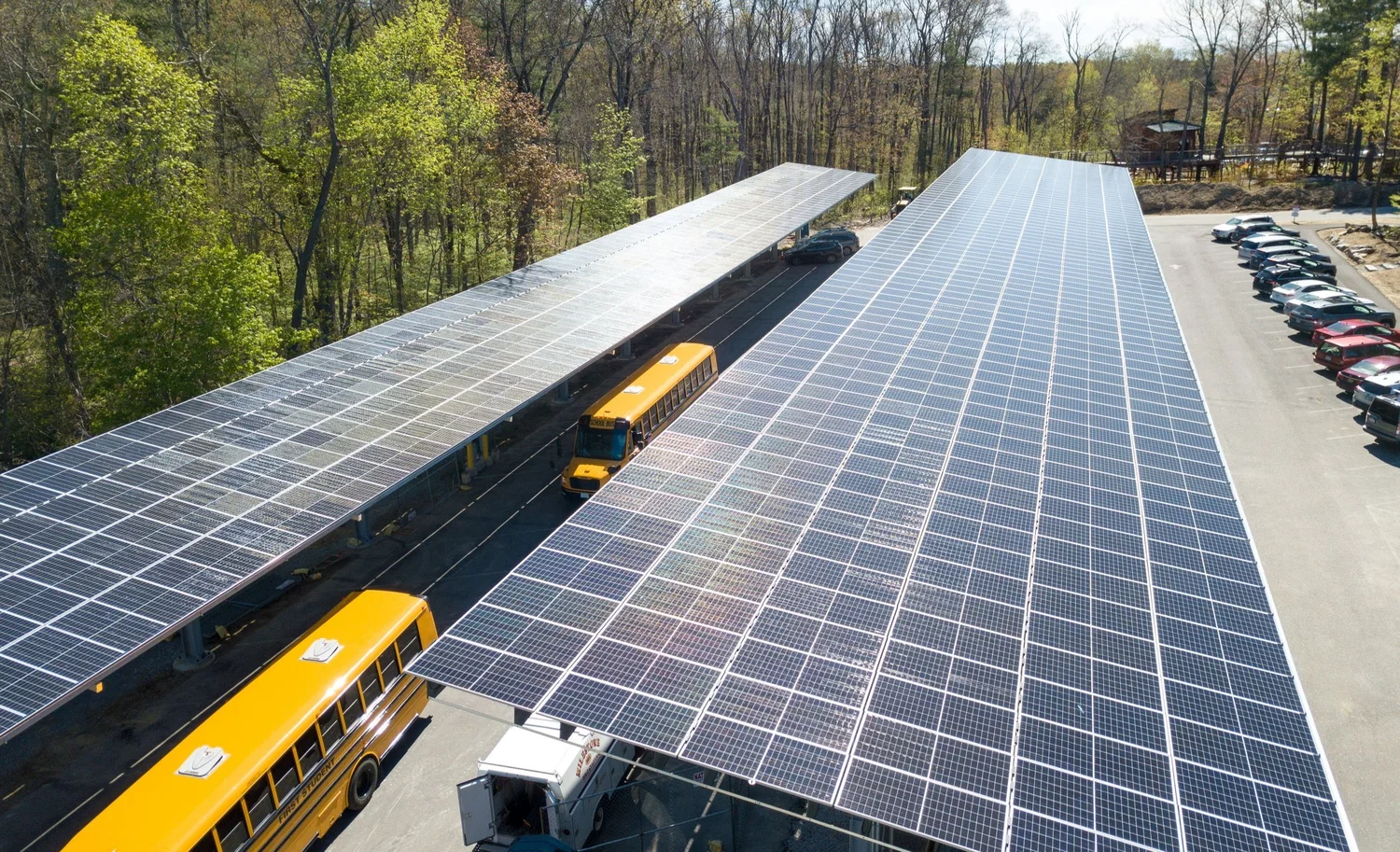
The plumbing problem nobody wanted to fix
Here's the thing that made this hard for years. A tax credit is only worth something if you owe taxes. Nonprofits and affordable-housing entities often don't - so the single biggest incentive in solar was, for them, worthless on paper. The industry's workaround was complicated ownership structures and outside investors, the kind of financial plumbing that scares off a small organization long before a panel is ordered.
Resonant built its business around solving that plumbing. It structures financing so the incentives actually reach the building - through third-party ownership, power purchase agreements, or, increasingly, direct ownership. When the Inflation Reduction Act introduced Direct Pay, which lets tax-exempt organizations receive the value of clean-energy credits as a cash payment, it validated the exact model Resonant had spent years assembling. The workaround Resonant had been engineering by hand became federal policy.
Who Resonant builds for
Where the megawatts actually go
Plenty of solar companies can quote you a megawatt figure. Fewer can tell you who's living under it. Of Resonant's 14.8 MW installed, roughly 7 MW sit on affordable housing - and by the company's own accounting, 59% of its projects deliver direct benefits to residents of environmental justice communities. That's not a byproduct of the business. It's the thesis, measured.
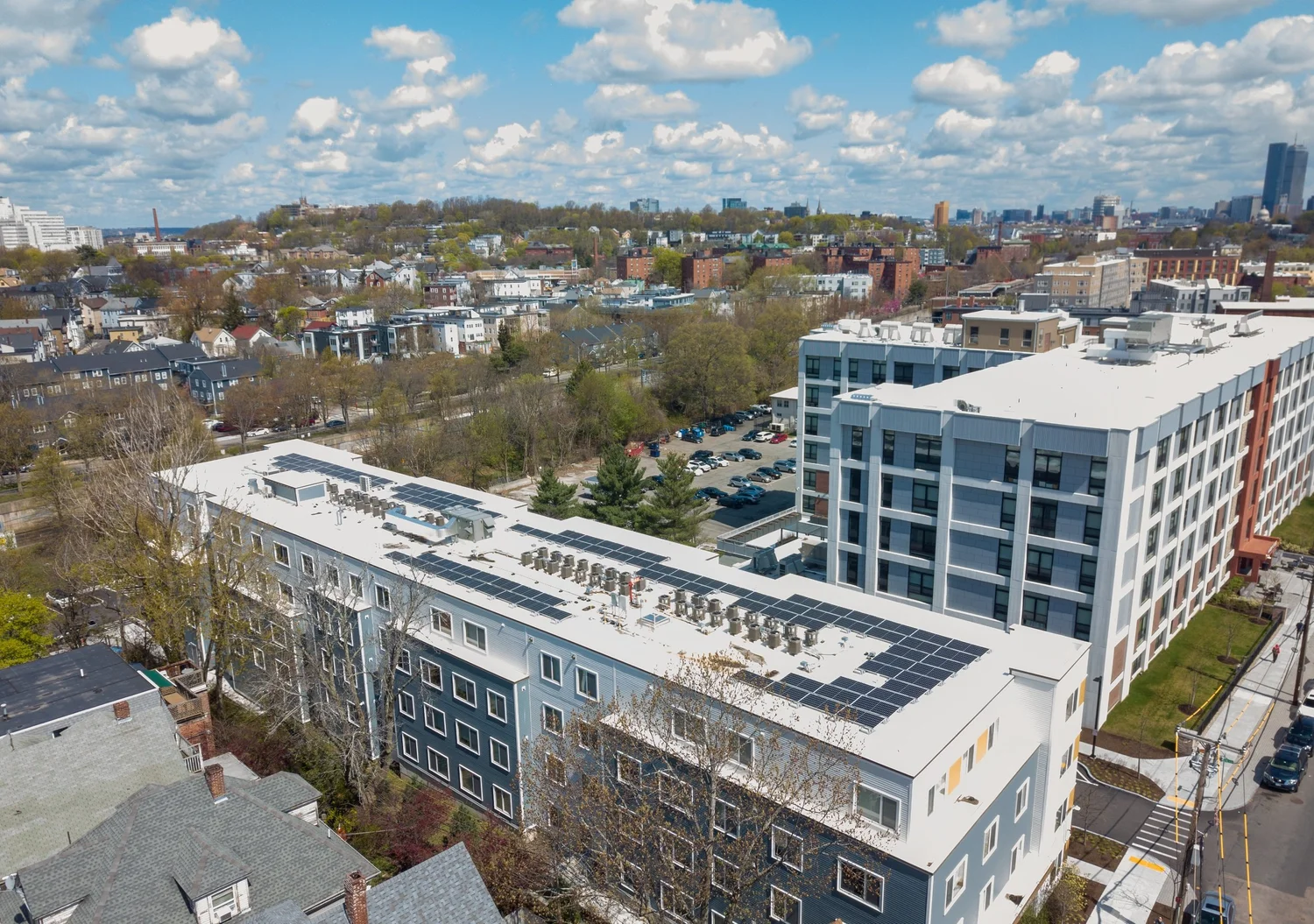
STAR, and the unglamorous art of technical assistance
Some of Resonant's biggest impact isn't a single rooftop - it's a program that makes hundreds of rooftops thinkable. Since 2020 the company has co-piloted STAR (Solar Technical Assistance Retrofit) alongside LISC Massachusetts and the Massachusetts Association of Community Development Corporations. STAR does the boring, essential thing: it gives affordable-housing owners free, credible analysis of whether solar makes sense on their buildings, removing the first and hardest barrier - not knowing.
The scale is what surprises people. STAR has analyzed more than 3,200 sites for feasibility, teeing up roughly 15 MW of solar that benefits over 28,000 residents and is projected to generate on the order of $57 million in lifetime savings across participating organizations. In 2025 alone, 21 organizations - nonprofits, public housing authorities, and private developers - joined the initiative. That's a lot of decisions unlocked by simply doing the homework for people who couldn't afford to do it themselves.
A company that put the mission in the cap table
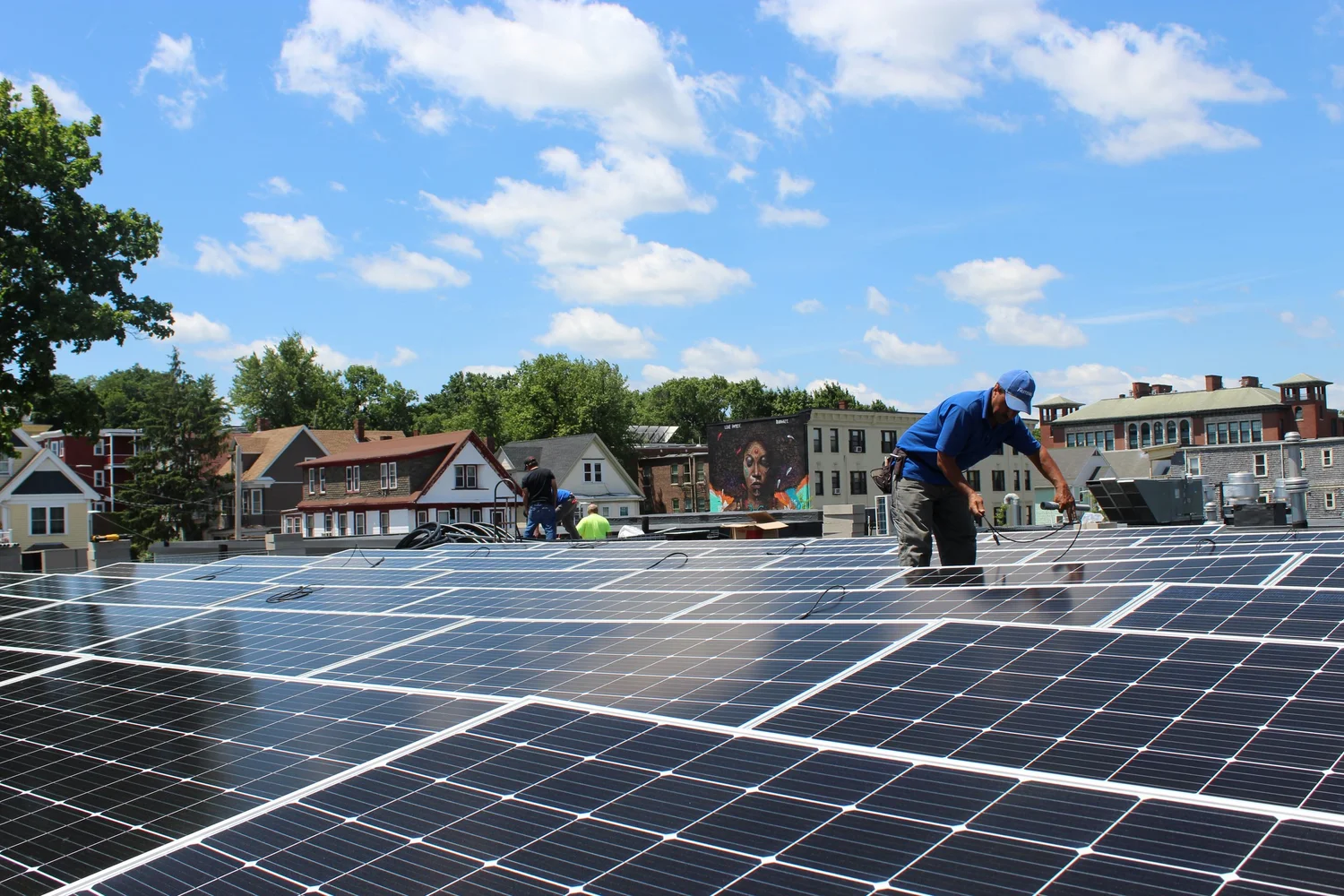
Resonant is a Certified B Corporation, a status it earned in 2020, and it's employee-owned. Staff become eligible for ownership and profit-sharing on their third anniversary - which means the people navigating a housing authority's financing or standing on a roof in Dorchester have a literal stake in whether the work holds up. It's an unusual structure for a solar developer, and it's a tell: the equity commitments aren't a marketing layer bolted on top, they're written into how the business is owned.
Where it fits in the market
The mainstream solar market - national residential installers and commercial EPCs - competes hardest for the creditworthy homeowner and the tax-hungry business. Resonant deliberately fishes in the water those firms avoid, and in doing so has become the region's default answer for the difficult deal. It shares the mission-driven lane with clean-energy financiers like Sunwealth, a frequent partner, but Resonant's edge is the full-stack development and the patience to shepherd a tax-exempt organization through a process most installers won't quote twice.
The evidence that the niche is real keeps arriving. In July 2025, pv magazine reported on a Boston low-income housing project set to save more than $800,000 on electricity bills - one rooftop in a portfolio that now adds up to $75 million in lifetime savings. Funding-wise, Resonant has kept things lean, with modest debt financing rather than a venture-scale raise; the growth story here is projects and savings, not a term sheet.
There are conditions where the model strains. A building with a shaded or structurally weak roof, a portfolio in a state with thin incentives, or an organization unwilling to sit through a longer process - these are the edges where even patient development runs out of room. Resonant's answer has been to widen the toolkit rather than the customer: solar-plus-storage for resilience and demand charges, community and shared-solar structures for buildings that can't host their own array, and program work like the City of Cambridge Solar Assistance Program and Boston's no-cost solar hosting that meet customers where the economics already line up.
What Resonant offers, in the end, isn't complicated to describe and is hard to execute: get the sun's economics to the buildings that need the savings most, and handle the parts that scare everyone else - the incentives, the financing, the paperwork, the permitting. Nearly a decade of rooftops suggests there was a whole market waiting for someone willing to do exactly that.