net-zero
(41)
Updapt Wants to Put ESG’s Paperwork to Work
Everstone uses Updapt to monitor more than 185 sustainability KPIs. The software company’s bigger bet is that the same data can help businesses decide what to change next.

EVORA Put a Climate Accountant Inside the Building
Its first software supplier folded before the contract ink dried. EVORA answered by spending millions on SIERA, buying the pipes that feed it, and turning sustainability paperwork into an investment tool.
The Solar Company That Bet on the Buildings Everyone Else Skipped
Isaac Baker and Ben Underwood built a solar company around the customers the industry finds too poor or too complicated. Nearly a decade in, the affordable-housing rooftops are paying them back.
The Startup That Turns Factory Exhaust Into a Power Plant - and Bills Nobody For It
Up to 58% of the energy fed into heavy industry escapes as waste heat. Kanin Energy built a business model that catches it, converts it to power, and hands the factory a check instead of an invoice.

Carrie Ruddy Sells the Climate Story One True Sentence at a Time
How a former bank communicator turned a maker of air conditioners into one of the more convincing climate stories in industrial America - and why she insists credibility is the only currency that matters.
The 750-Acre Bet: How a Chinese Owner Talked Americans Into Building Washers in Kentucky Again
General Electric sold its appliance business to a Chinese buyer and expected quiet decline. Instead, Haier handed the keys to the people running the machines - and GE Appliances started pouring billions back into Kentucky.
The Utility Betting $11 Billion That the Wind Off Virginia Beach Can Power a Data-Center Boom
It started as a Richmond streetcar company in 1909. Today Dominion Energy runs power plants, gas lines and a 176-turbine wind farm 27 miles out to sea - and the fastest-growing customers on its grid are warehouses full of servers.

Avarni
Nobody put 'mandatory climate disclosure' in your finance team's job description. Avarni makes carbon accounting the least painful thing on your FY26 plate. It's expert-guided, software-powered, and done in weeks. Audit-ready, or we keep working.
錫力科技 YC Synergy
錫力科技 (YC Synergy) is a Taiwan-based clean-energy company building hydrogen fuel cell power systems and end-to-end hydrogen infrastructure - electrolysis-based green hydrogen production, storage, and refueling. Founded in 2012 and headquartered in Xindian, New Taipei City, the firm designs and integrates fuel cell systems for stationary power, maritime vessels, and road transport, working with partners such as Germany's EKPO Fuel Cell Technologies and Stan Shih's zero-carbon ship venture Porrima. It was named Asia-Pacific Fuel Cell System Company of the Year by Energy Tech Review in 2024.
SensorFlow
SensorFlow is a Singapore-based proptech company that uses wireless IoT sensors and AI to help hotels monitor, analyze and automate their energy use - primarily air-conditioning. Its retrofit-ready hardware installs in minutes with no upfront cost and typically cuts HVAC energy consumption by around 30%, letting properties lower operating costs and carbon emissions while keeping guest rooms comfortable. Founded in 2016 and backed by investors including Openspace Ventures and Gaw Capital, the company serves hospitality brands across Asia-Pacific and beyond.

Greenly
Greenly is a French climate-tech company building carbon-accounting software that helps businesses of all sizes measure, report and reduce their greenhouse-gas emissions. Founded in Paris in 2019, its all-in-one sustainability suite automatically pulls data from financial transactions, utility bills, cloud usage and supply chains to calculate emissions across Scopes 1, 2 and 3, then pairs the data with human climate experts. Greenly serves roughly 3,500 clients across 25 countries and has raised about $78.6 million, including a $52 million Series B led by Fidelity International Strategic Ventures in 2024.
Scaler
Scaler is an ESG data platform built for the real estate industry that turns fragmented sustainability data into audit-ready reports and decarbonization roadmaps. Founded in 2021 and headquartered in New York and Amsterdam, its software helps asset managers, fund managers and compliance teams collect building-level energy, water and carbon data, run CRREM and net-zero analysis, and report against frameworks like GRESB, CSRD, SFDR and the EU Taxonomy - all from a single, traceable source of truth.
Sustainability Roundtable, Inc.
Sustainability Roundtable, Inc. (SR Inc) is a Boston-based, certified B Corporation that provides membership-based strategic advisory and support services in enterprise decarbonization. For more than fifteen years it has helped executives at nearly 100 Fortune 500 and high-growth companies set sustainability goals, drive progress, and report results through shared-cost research, one-on-one consulting, and a peer community. Its two flagship offerings are the Sustainable Business & Enterprise Roundtable (SBER) advisory service and the Net Zero Consortium for Buyers (NZCB), a confidential corporate renewable-energy buyers' community and transaction platform.
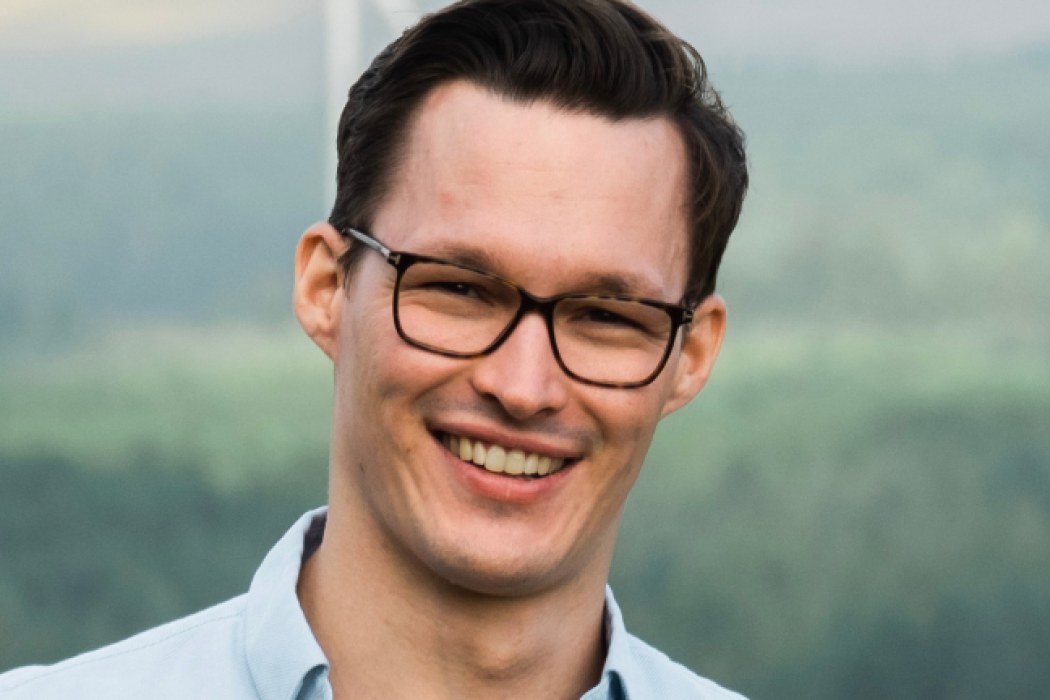
Grzegorz Marecki
Grzegorz Marecki is the co-founder and CEO of Continuum Industries, an Edinburgh-based company whose AI platform Optioneer helps engineers design linear infrastructure - power lines, pipelines, cables and rail - in a fraction of the usual time. A civil engineer by training who grew frustrated with slow traditional practice, he channelled that impatience into a student hyperloop project and then into a software business that iterates through millions of routing options to find better, cheaper, more sustainable designs. The company has assessed tens of thousands of kilometres of infrastructure and raised roughly $15.5 million, including a $10 million Series A led by Singular in 2023.
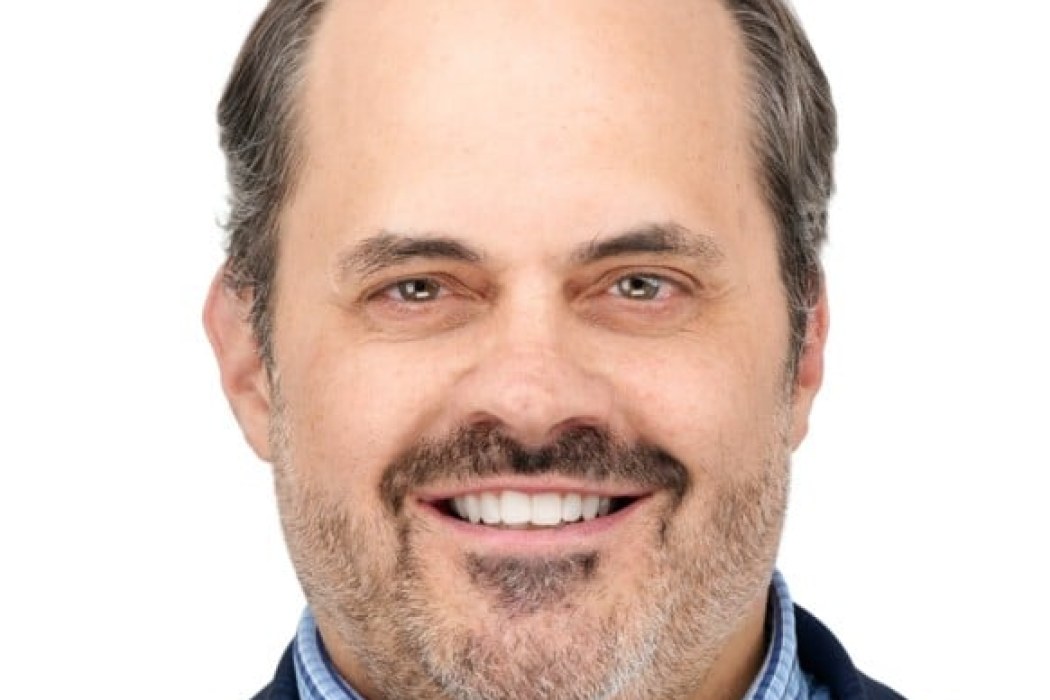
James Boyle
James (Jim) Boyle is the founder and CEO of Sustainability Roundtable, Inc. (SR Inc), a Boston-based public benefit corporation and certified B Corp that advises global companies such as Akamai, Biogen, Cisco, Thermo Fisher Scientific, and Wayfair on corporate sustainability governance, renewable energy procurement, and organizational resilience. A former attorney and aide to U.S. Senator John Kerry who moved through commercial real estate before founding SR Inc in 2009, Boyle built a shared-cost research and advisory model that has helped nearly 100 Fortune 500 and growth companies pursue more sustainable high performance. In 2026 he published Dignity First Leadership, a framework arguing that companies should place human dignity at the center of value creation in an age of climate breakdown and technological upheaval.

Credibl
Credibl is a San Francisco-based, AI-powered ESG and sustainability data management platform that helps companies, banks and investors measure, manage, validate and report environmental, social and governance data. Founded by Qwiklabs founder and ex-Googler Jitesh Shetty, it applies large language models and machine learning to consolidate fragmented sustainability data, detect anomalies and produce audit-ready, one-click disclosures across frameworks like CSRD, BRSR, TCFD, SASB, ISSB and CDP.

Zlatan Menkovic
Zlatan Menkovic is the CEO and co-founder of Scaler, an ESG data platform helping real estate managers measure, report, and cut the carbon footprint of their buildings. A Dutch product designer turned repeat founder, he built Scaler after years shaping products at Uber and Uber Freight and an earlier startup, PeerReach. Scaler now serves roughly 30 clients overseeing more than $350 billion in assets and raised a $10M Series A in 2024 led by Plural. Menkovic's pitch is blunt: if you want global impact, start with the buildings we already live and work in.

Pani
Pani (Pani Energy Inc.) is a Canadian climate-tech software company that puts a digital brain on top of the world's water treatment plants. Its flagship cloud platform, Pani Zed, consolidates messy sensor data from desalination, industrial and municipal facilities, builds a digital twin of each plant, and uses machine learning to tell operators exactly how to cut energy use, extend membrane life, and lower emissions - without new capital equipment or retrofits. Founded in 2017 by Devesh Bharadwaj and based in Victoria/Vancouver, British Columbia, Pani deploys across facilities in multiple countries and has landed on the Global Cleantech 100 list.
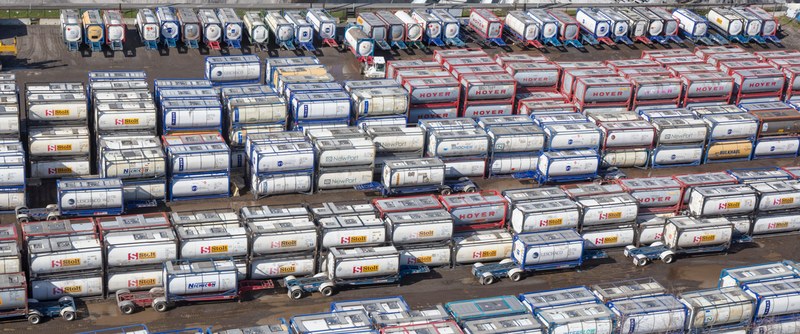
Solidec
Solidec is a Houston-based climate-tech company spun out of Rice University that builds modular electrolyzers to make essential chemicals - starting with ultra-pure hydrogen peroxide - on-site from just air, water, and electricity. Its porous solid-electrolyte reactor skips the centralized plants, hazardous trucking, and fossil-fuel feedstocks of conventional chemical production, cutting emissions by as much as 90%. Founded in 2023 by Ryan DuChanois, Yang Xia, and Rice professor Haotian Wang, the company raised an oversubscribed $2M pre-seed round and has been backed by Chevron Technology Ventures' Catalyst Program, the Activate Fellowship, and a NASA SBIR award.

Zero Waste Co.
Zero Waste Co. is a climate-tech and circular-economy company that turns agro-industrial byproducts and food waste into high-value resources - chiefly livestock feed - through technology-driven, tailor-made processes. Founded in 2020 and headquartered in Miami with operations across Latin America, it pairs its EcoHub processing facilities with a Carbon Solutions arm that measures, monetizes, and manages verified carbon credits, letting food and beverage producers turn waste liabilities into profit and measurable emissions reductions.
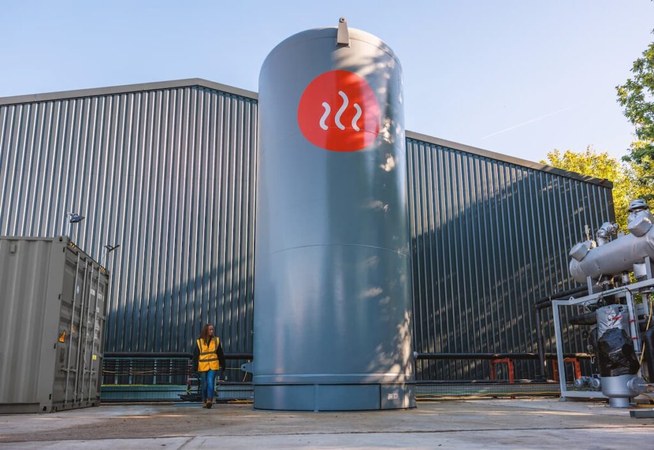
Caldera
Caldera is a UK clean-energy company decarbonizing industrial heat with Warmstone, a thermal battery built from recycled aluminium and volcanic rock inside vacuum-insulated heat cells. Its electric Storage Boiler converts cheap off-peak renewable electricity into industrial steam and hot water up to roughly 200C, offering factories a zero-emissions alternative to gas boilers. Founded in 2017 in Fareham, England, Caldera closed a 10M pound Series A led by Germany's GEA Group in 2025 and landed its first commercial order from the NHS.
Cortex Building Intelligence
Cortex Building Intelligence (now branded Cortex Sustainability Intelligence) is a New York and Nashville based proptech company that uses machine learning to help commercial real estate owners cut energy waste and carbon emissions. Founded in 2014 by Bryan Bennett, its energy insights platform turns raw building data into specific operational moves, helping office portfolios like Empire State Realty Trust, Silverstein Properties, Savanna, and RXR lower costs and meet decarbonization mandates such as NYC's Local Law 97.
Planet FWD
Planet FWD is a San Francisco climate management platform that helps consumer brands measure, reduce and neutralize their carbon footprint. Founded in 2019 by Zume co-founder Julia Collins, the company pairs an AI-powered life-cycle assessment engine and a database built on 16+ years of research with Scope 1, 2 and 3 corporate inventories aligned to the GHG Protocol and the Science Based Targets initiative. The result: brands like Patagonia Provisions, Kashi, Just Salad and Numi Organic Tea can put an auditable carbon number on the products people actually buy - and get a roadmap to shrink it, on average by about 35% per product.
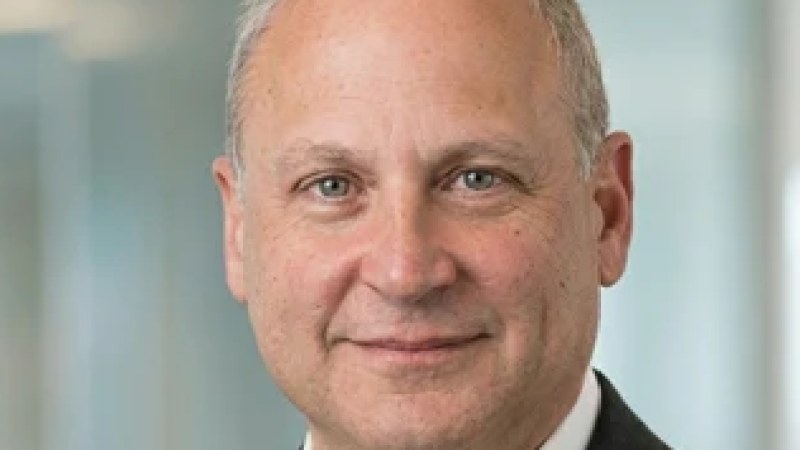
Ian Rogoff
Ian Rogoff is the CEO and a board member of NevadaNano (Nevada Nanotech Systems), a Sparks, Nevada company building semiconductor-based gas sensors and IoT emissions-monitoring systems used by some of the world's largest industrial operators. A former Microsoft Consulting Services VP turned climate-tech operator and investor, he co-founded Sierra Nevada Partners and chairs New Energy Nexus (the California Clean Energy Fund). Under his leadership NevadaNano raised a $30M Series C in 2023 led by Honeywell Ventures and Emerson Ventures, and its MethaneTrack platform won Best Industrial and IIoT Solution at Sensors Converge 2026.
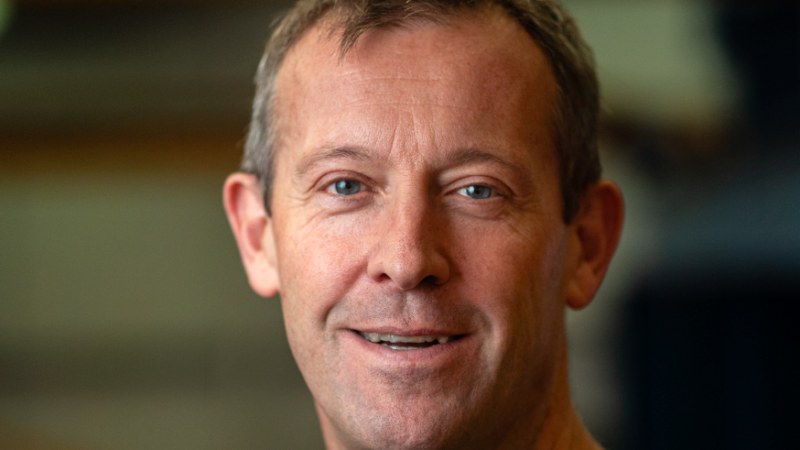
James Macnaghten
James Macnaghten is the co-founder and CEO of Caldera, a Hampshire-based climate-tech company turning cheap renewable electricity into stored industrial heat using blocks of volcanic rock and recycled aluminium. A Cambridge-trained mechanical engineer with 25+ years in business and 20+ patent families to his name, he spent a decade running grid-storage pioneer Isentropic before founding Caldera in 2017. He also owns Scudamore's Punting Co, Cambridge's largest tourist business. In 2025 Caldera closed a Series A backed by Germany's GEA Group and landed its first major order, a 10 MWh storage boiler for an NHS hospital.
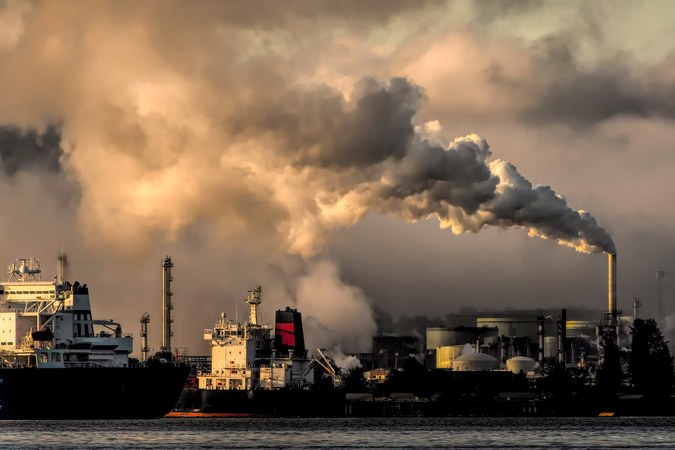
Mantel
Mantel is a Cambridge, Massachusetts cleantech company building a molten-salt approach to industrial carbon capture. Spun out of MIT in 2022, its molten borate materials operate inside the high-temperature guts of boilers, kilns and furnaces, absorbing more than 95% of CO2 while recovering high-grade heat that offsets the energy cost of capture. The pitch is blunt: cut the cost of capturing a ton of carbon by more than half and make it work in the dirtiest, hottest corners of heavy industry - cement, steel, pulp and paper, power and refining.

Hathaway Dinwiddie
Hathaway Dinwiddie is a 100% employee-owned general contractor headquartered in San Francisco that has spent more than a century building the landmarks California works, lives, and heals in - from the Salesforce Tower to the Lucas Museum of Narrative Art and more than 10 million square feet of life-science space on the Peninsula. Built on planning, adaptation, and proactive partnership, the firm pairs century-old craft with advanced BIM workflows, LEED-driven sustainability, and an industry-leading safety record.

Heirloom Carbon
Heirloom Carbon Technologies is a San Francisco-based direct air capture company that uses limestone's natural CO2-absorbing properties to pull carbon dioxide permanently out of the atmosphere. Their process accelerates a geological phenomenon that normally takes thousands of years into a 3-day cycle: calcium oxide powder absorbs CO2 from ambient air, becomes limestone, gets heated in a renewable-energy-powered electric kiln to release the captured CO2, and repeats. The captured CO2 is then stored permanently underground or embedded in concrete. Founded in 2020, Heirloom opened America's first commercial DAC facility in Tracy, California in November 2023 and has raised over $354 million to expand capacity toward their goal of removing 1 billion tons of CO2 by 2035.
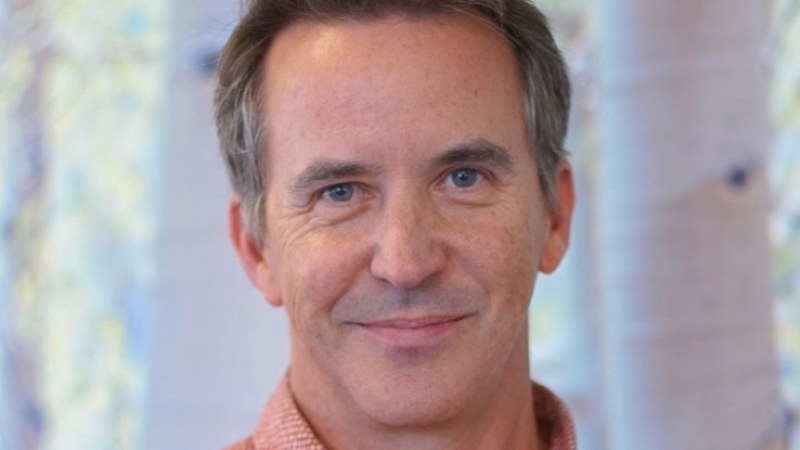
Eric Faurot
Eric Faurot is the long-serving CEO of Trellis Group (formerly GreenBiz Group), a B2B media company headquartered in Oakland, California that runs flagship sustainability conferences including VERGE, BLOOM, GreenFin, and Circularity. Over 14 years at the helm, he built GreenBiz into a leading platform for sustainability professionals - combining editorial media, peer networks, and live events - before transitioning to a Growth Leader role in July 2024 when Hana Kajimura succeeded him as CEO. His career traces an arc from tech media event production (COMDEX, INTEROP, Black Hat) to climate and sustainability, making him a rare figure who bridged Silicon Valley-era conference culture with the emerging sustainability economy.
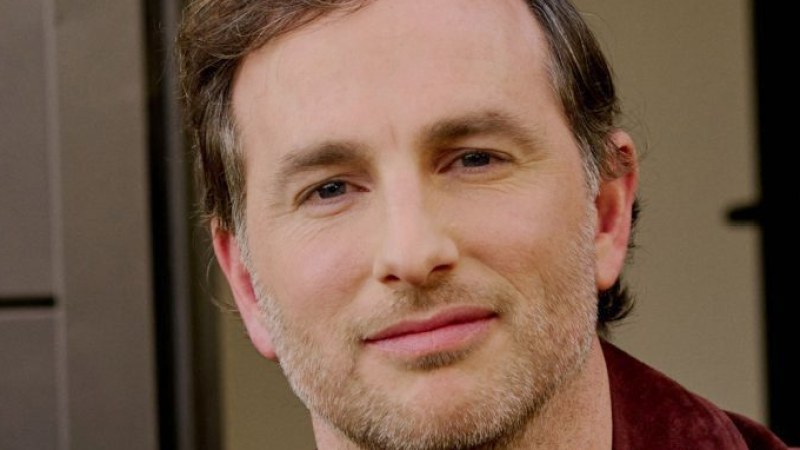
Joe Garcia
Joe Gebbia co-founded Airbnb in 2008 out of a San Francisco living room - air mattresses, breakfast included - and turned a half-crazy idea into an $85B company. His current venture, Samara, builds factory-assembled, solar-ready backyard homes (ADUs) that go from permit to move-in in under seven months. In early 2025 he became America's first Chief Design Officer, tasked with redesigning the federal government's 27,000 websites. A Rhode Island School of Design graduate with dual majors in graphic and industrial design, Gebbia approaches every problem - housing affordability, government UX, refugee shelter - through the lens of democratic, empathetic design.