In 2011, four startups needed a place to build things. That is an awkward requirement in an economy fond of businesses that fit inside a laptop. Promethean Power Systems, Altaeros, Coincident, and OsComp Systems shared a Cambridge warehouse. The immediate attraction was the rent. The more interesting benefit arrived when one entrepreneur began helping another with work that had nothing to do with his own company.
- Shared labs and business support for climate and energy startups.
- Monthly membership fees; no equity taken for membership.
- Somerville and Houston campuses, with more than 250 current startups.
The favor that changed the lease
Jason Hanna, of Coincident, spent hours helping Promethean edit a grant proposal. Sam White remembered that generosity as the moment he understood something unusual was happening. These companies had initially pooled a liability. They were discovering an asset: people who understood the same difficulties and would actually help.
White called the early group “a hodgepodge of nomads.” The description has more charm than most mission statements, and rather more explanatory power. Hardware founders leaving university laboratories needed equipment, room to experiment, and advice. The warehouse put those needs within walking distance of someone else’s experience.
“The early founders’ ethos remains”
Sorin Grama, co-founder, looking back on the community
Greentown Labs emerged from that arrangement. The community moved through Boston’s Fort Point neighborhood to Somerville, where growth eventually required professional staff and expanded facilities. Houston followed on Earth Day 2021, in a former grocery store. A building once arranged for shopping carts became a home for prototypes. Industrial reinvention can begin with a change of tenant.

Put a price on the workbench
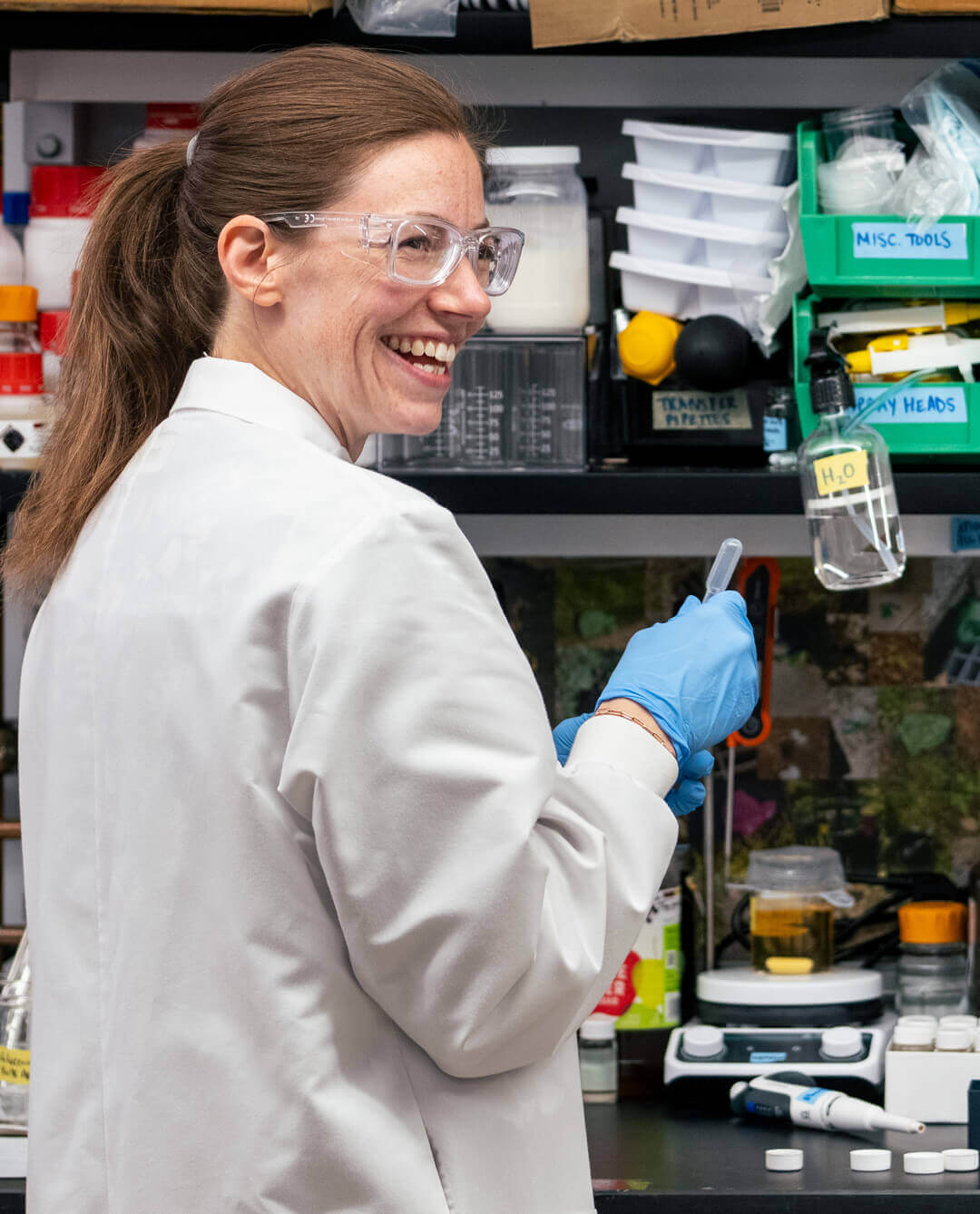
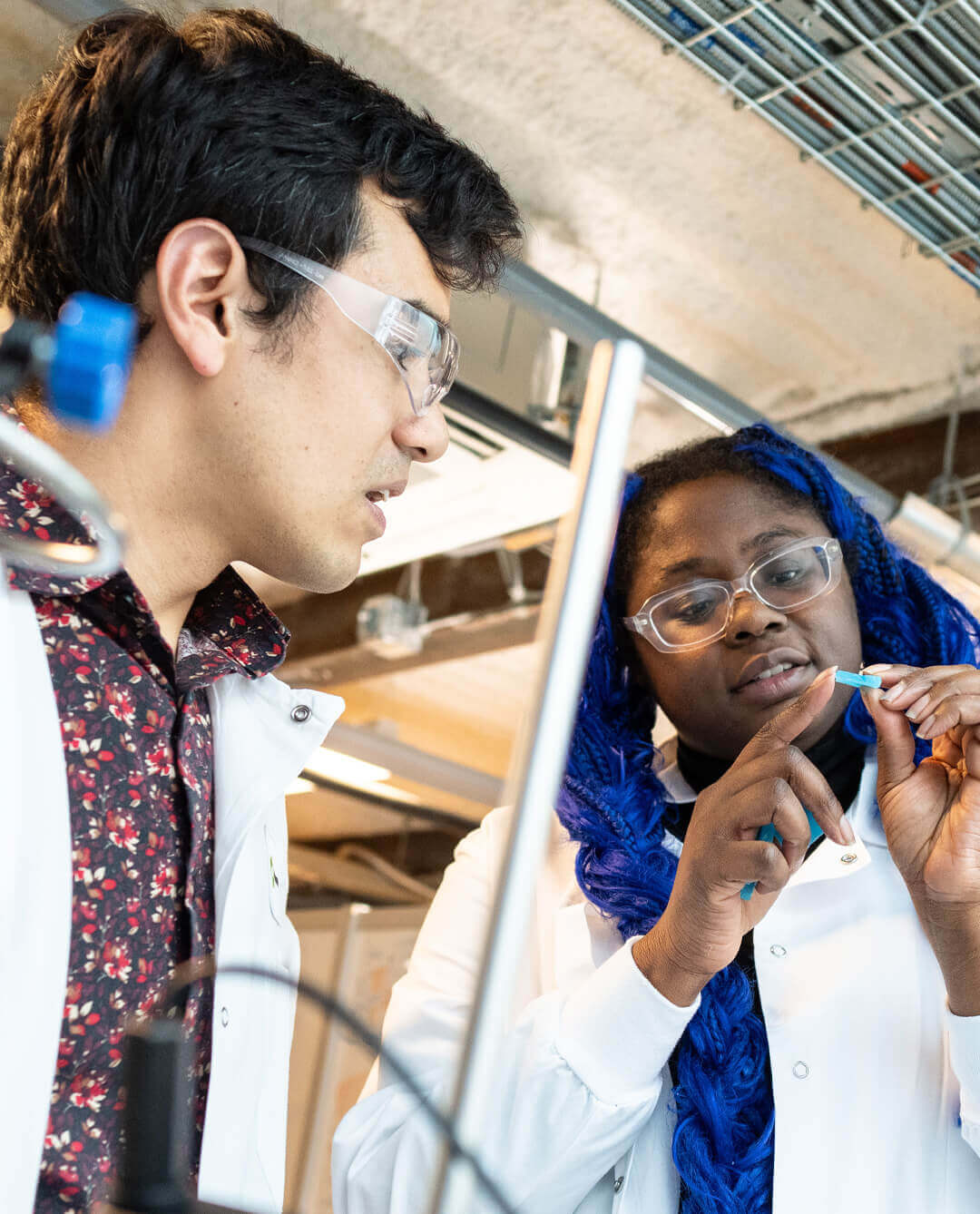
Today, Greentown serves climate and energy startups moving from research toward commercialization. It supplies the setting and support: prototyping space, machine shops, electronics facilities, software resources, legal connections, mentoring, and introductions. Its Boston-area campus also has a 26-bench wet lab. A founder can build a physical product without first assembling an entire institution around it.
Membership requires no equity. Members pay monthly for the space they use, while corporate partnerships, grants, and philanthropic support help finance the organization. Greentown operates as a 501(c)(3) nonprofit. The arrangement preserves a founder’s ownership while placing a very ordinary obligation on the company: pay the bill.
per square foot
Bars compare campuses within each row. Space categories are billed separately.
At those rates, two desks and 100 square feet of prototyping space come to $1,900 a month in Boston or $1,300 in Houston. Those are illustrative sums, before any other charges. They explain the decision better than the word “community” alone. Founders must compare the bill with the equipment, facilities, and access they would otherwise need to obtain.
Where a prototype meets a purchasing department
A working prototype leaves another problem unresolved: someone must agree to use it. Greentown’s corporate relationships address that distance between technical promise and commercial reality. Partners bring industry knowledge, potential testing sites, and access to organizations whose procurement decisions can determine whether a young technology travels beyond the lab.
Greentown Go organizes this work around particular sectors. Its Go Make 2026 program selected five startups with Shell Catalysts & Technologies and Technip Energies. The focus is catalytic processes for low-carbon fuels and gases, carbon removal, and alternative chemical manufacturing. This is specific matchmaking: the startup and the industrial partner have a technical reason to speak.
- 01 / BuildLab space + shared tools
- 02 / TestTechnical expertise + partners
- 03 / SellCustomer discovery + introductions
Saint-Gobain offers another example. A partner since 2014, it renewed its relationship through 2026, maintaining on-site test facilities and evaluating building materials and technologies with startups. The attraction is practical: a materials company understands questions that a general-purpose startup mentor might never encounter.
Other programs tackle different obstacles. ACCEL, run with Browning the Green Space, supports underrepresented founders. Its 2025 cohort comprised eight startups, each offered $25,000 in non-dilutive funding. The First Valley Fellowship provides six months of no-cost coworking membership and mentorship for early innovators. The services vary because the barriers do.
The landlord had a balance sheet, too
Greentown’s own economics have required attention. In April 2024, it cut 30 percent of staff after growth outpaced revenue. Later that year, it announced more than $4 million in funding from partners including Rice University, MassDevelopment, Somerville, Bobby Tudor, and David Baldwin. Georgina Campbell Flatter was named incoming CEO in February 2025.
The episode matters because shared infrastructure has continuing costs. An incubator can help promising companies and still need financial repairs itself. Enthusiasm does not maintain a machine shop. The lesson for anyone copying the model is to budget for the organization that keeps the shared resources usable.
Greentown’s current reported cumulative figure. Member fundraising is distinct from the incubator’s own financing.
Greentown reports more than $12 billion raised by its startups and more than 16,000 jobs created. Those totals indicate the reach of its community; they cannot isolate what membership caused. The continuing intake is easier to interpret. In September 2026, Greentown announced 22 new startups, spanning geothermal drilling, industrial heat storage, and quantum imaging.
Borrow the arrangement, then do the arithmetic
For a founder, the next step is concrete: list the equipment you need, price the footprint, and ask which introductions could help you reach a customer. Compare Greentown with The Engine, Newlab, university facilities, and independent space. Each offers a different combination of infrastructure and commercial support.
The arrangement is most useful when you need its resources and will participate. A team requiring a specialized facility unavailable on campus, or one unable to carry monthly fees, faces a different calculation. Investor introductions are opportunities; a membership agreement cannot promise capital or a purchase order.
The part worth copying is modest enough to begin tomorrow. Share something expensive. Choose neighbors with adjacent problems. Make it easy to ask for help. Greentown’s founders began by dividing a rent bill. They kept discovering work they could do together.