artificial-intelligence
(756)
Philip Moyer and the last mile to the classroom
Before Microsoft, Google and Vimeo, Philip Moyer wrote school software at night and sold it by day. Now leading McGraw Hill, he is returning to an old ambition: a learning path for every student.

Matt Baer’s future of shopping has a familiar face
He grew up in a furniture family, took a detour through law, and helped build the digital businesses at Walmart and Macy’s. At Stitch Fix, Matt Baer is betting that the future of shopping will feel a little more like being remembered.
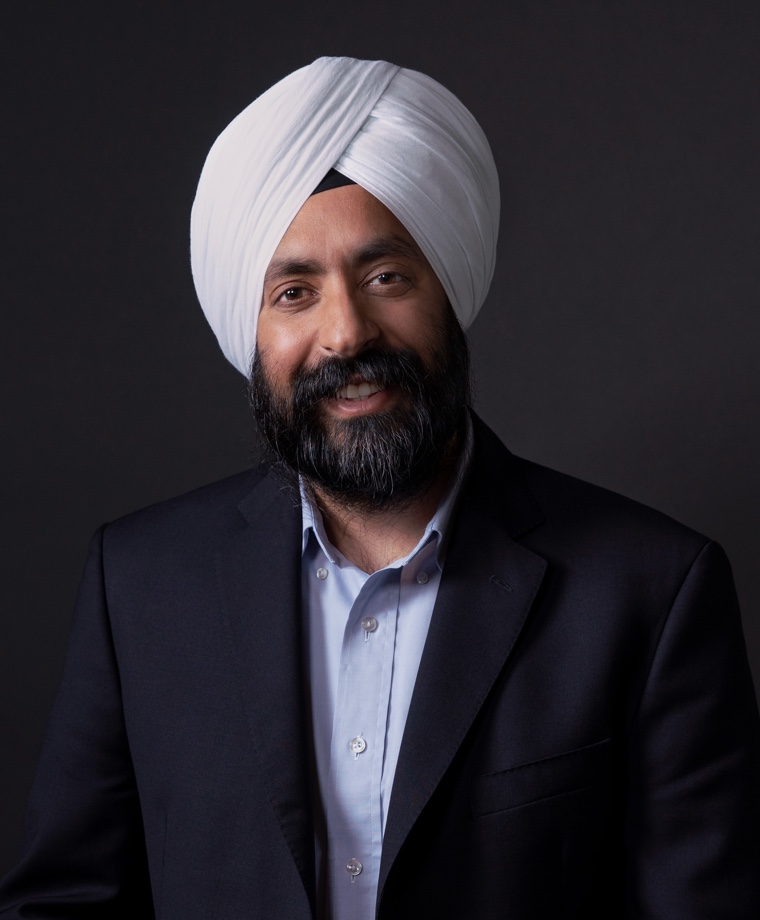
Aman Bhutani and the art of getting better
He once taught Expedia’s engineers to dance. Now GoDaddy’s CEO is applying a craftsman’s habit of daily improvement to the business of helping people begin.

Avital Pardo and the long road to a second look
Before AI became a boardroom obsession, Avital Pardo was building algorithms to reconsider credit. His Pagaya story turns on a stubborn problem: persuading institutions to see what their existing systems miss.

Alan Trefler and the art of the next move
At 19, he tied for first at the World Open. Five decades later, the Pegasystems founder is still working on a harder problem: getting people, and their software, to change their minds.
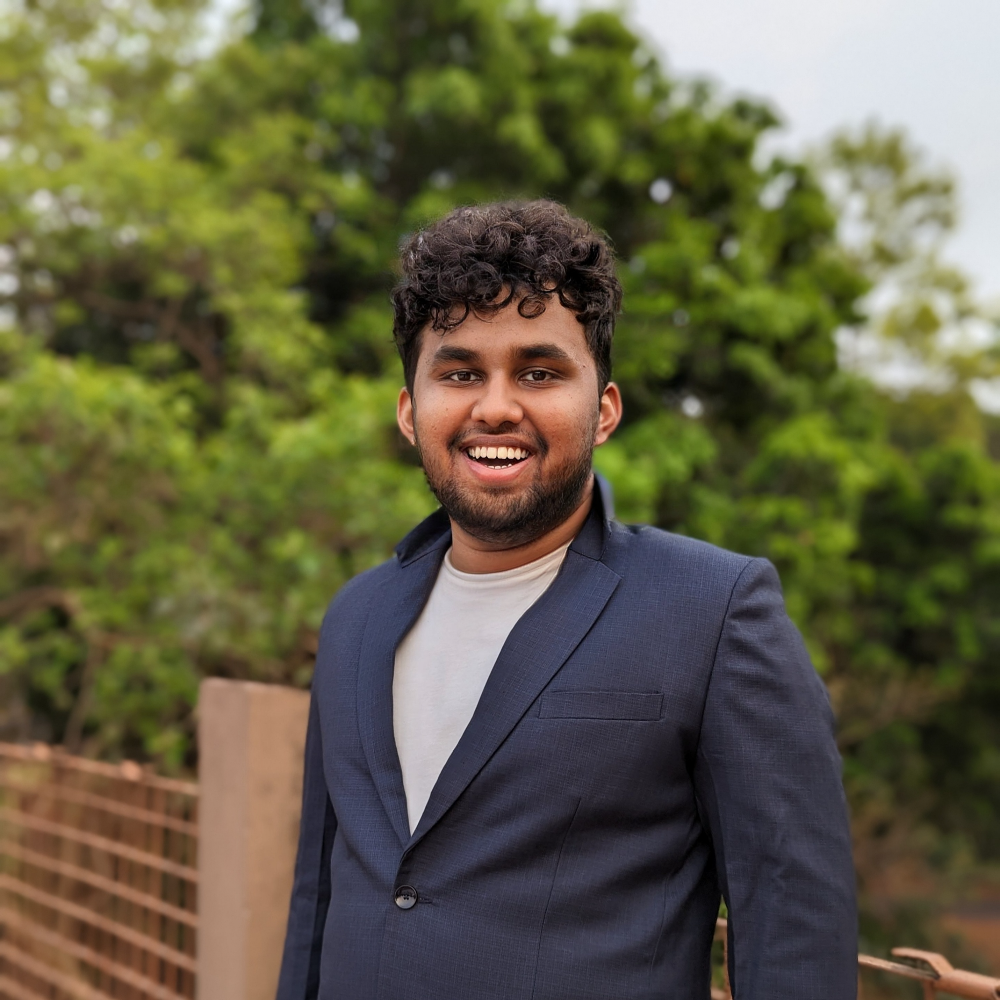
Varun Vummadi and the year the idea kept changing
He turned down a Stanford PhD offer to build with his college friend. Finding something worth building took longer: a tutor, a model business, and a year of uncomfortable revisions before Giga found its way into customer support.

Tugce Bulut and the trouble with a tidy answer
A consultant wanted to know how people actually lived. Tugce Bulut built Streetbees to ask them, then started again with Eloquent AI and a different kind of everyday friction.
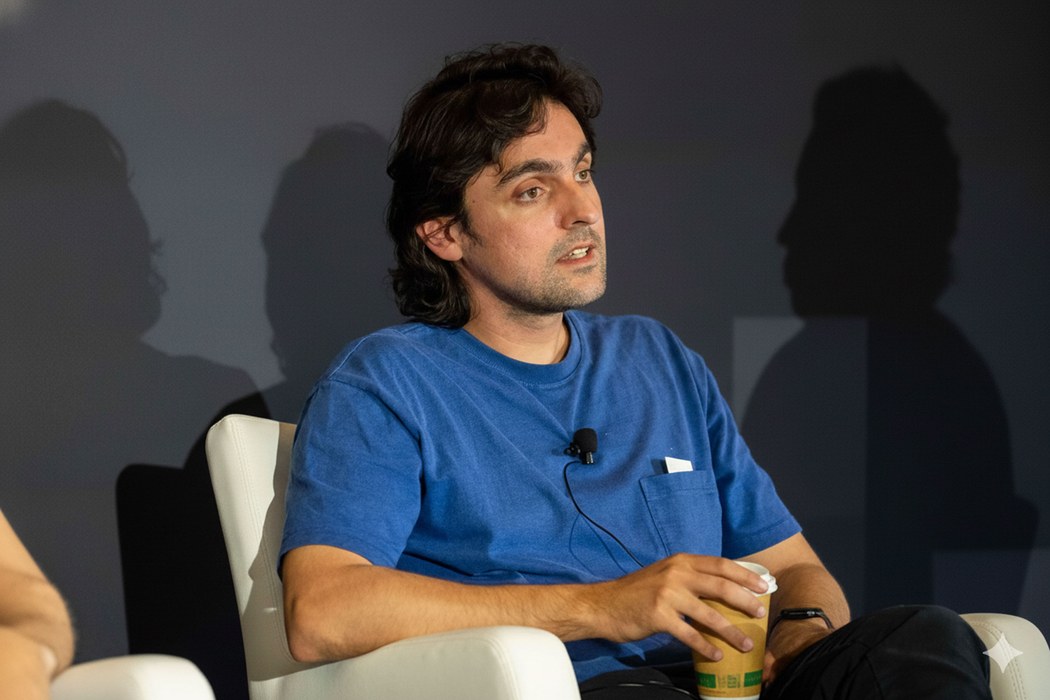
Ari Malik’s Theory of Being There
At Tesla, Ari Malik saw how much work begins after a loan is made. Building Salient with a school friend, he learned that the shortest route to better software ran through a lender’s office.

David Schmaier saw a business in the missing aisle
At Dreamforce in 2013, David Schmaier went looking for a company to buy. The gap he found led to Vlocity, a Salesforce acquisition, and a career spent making software speak the customer’s language.

Brian Vallelunga and the problem that survived the startup
A failed crypto marketplace left Brian Vallelunga with a useful nuisance: nobody knew where the software’s secrets were. He built Doppler around it, bought the first prospects burritos, and eventually handed over the CEO’s chair.
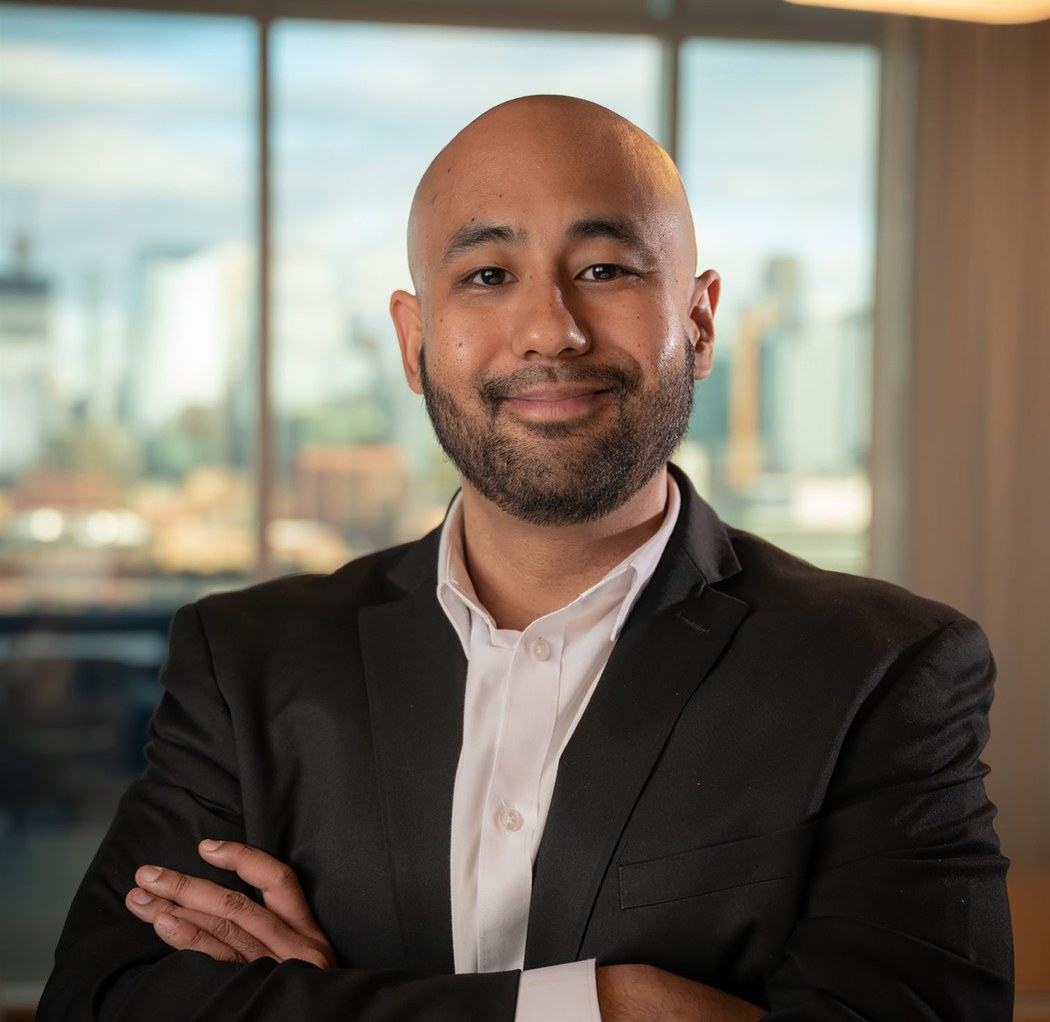
Bobby Reddy Jr. and the Value of Changing Your Mind
He wanted to start a company before he knew what it should do. Building Prenosis taught the electrical engineer how much ambition depends on finding a problem worth staying with.
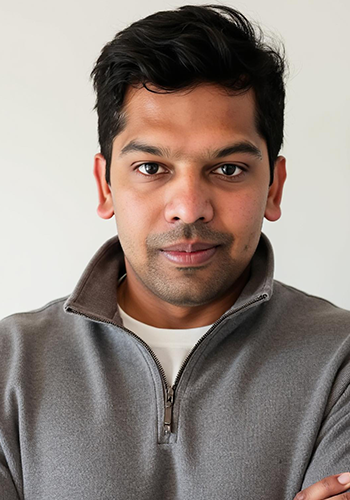
Anand Tumuluru and the Arithmetic of Dinner
He built business systems at Flipkart, worked at Uber and opened a restaurant with friends. At Loop AI, Anand Tumuluru is bringing those experiences to a question every delivery order leaves behind: what did the restaurant actually earn?
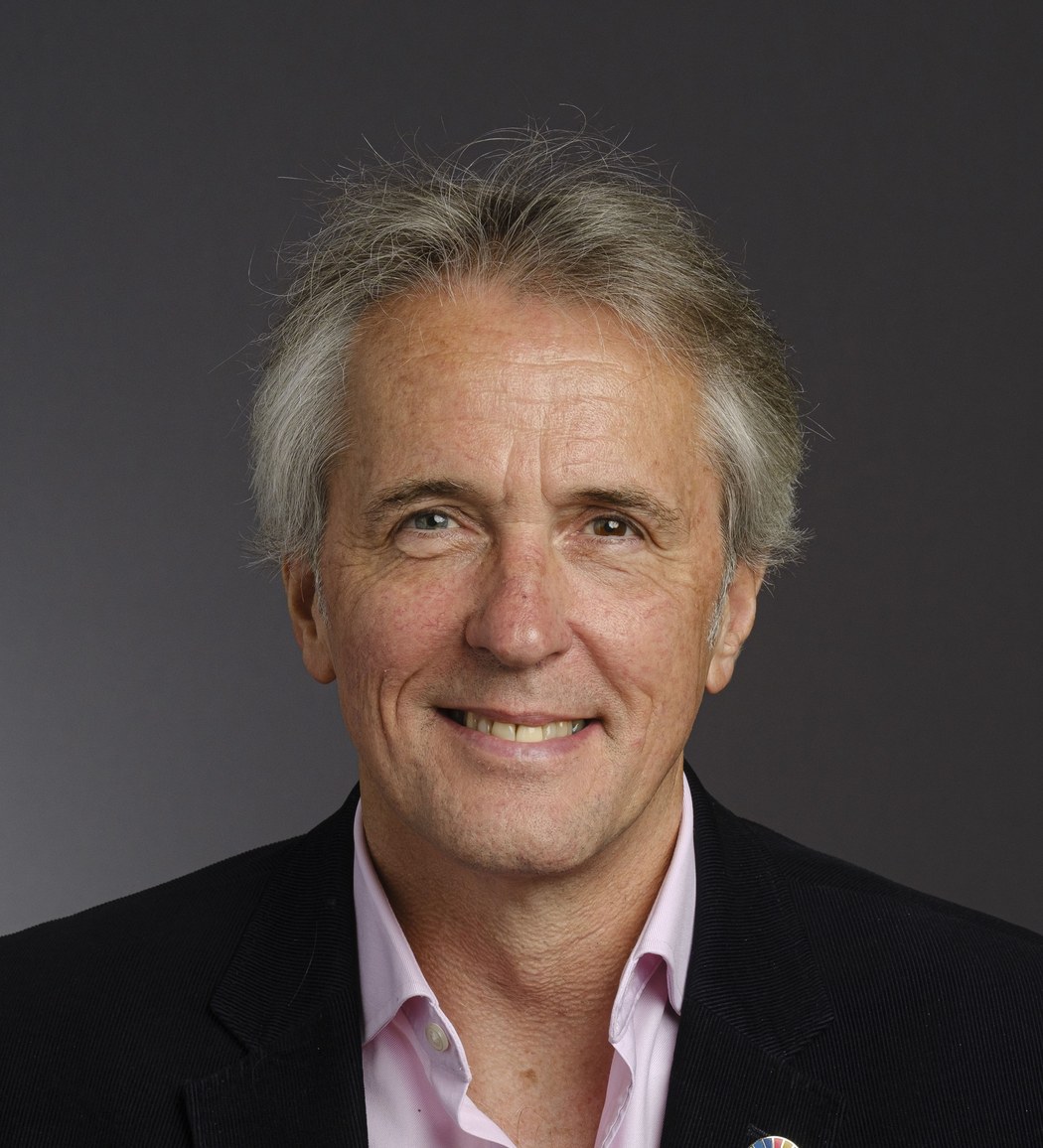
David Lane and the trouble with a perfect demonstration
Before he co-founded SeeByte, David Lane worked as a North Sea diver. His career in underwater robots, company building and public research has kept returning to one awkward question: what happens when a clever machine meets the real world?

Liang Wenfeng and the expensive business of curiosity
Before DeepSeek became a global argument about the price of intelligence, Liang Wenfeng built a trading firm that could pay for his questions. Then he gave other people the means to explore the answers.
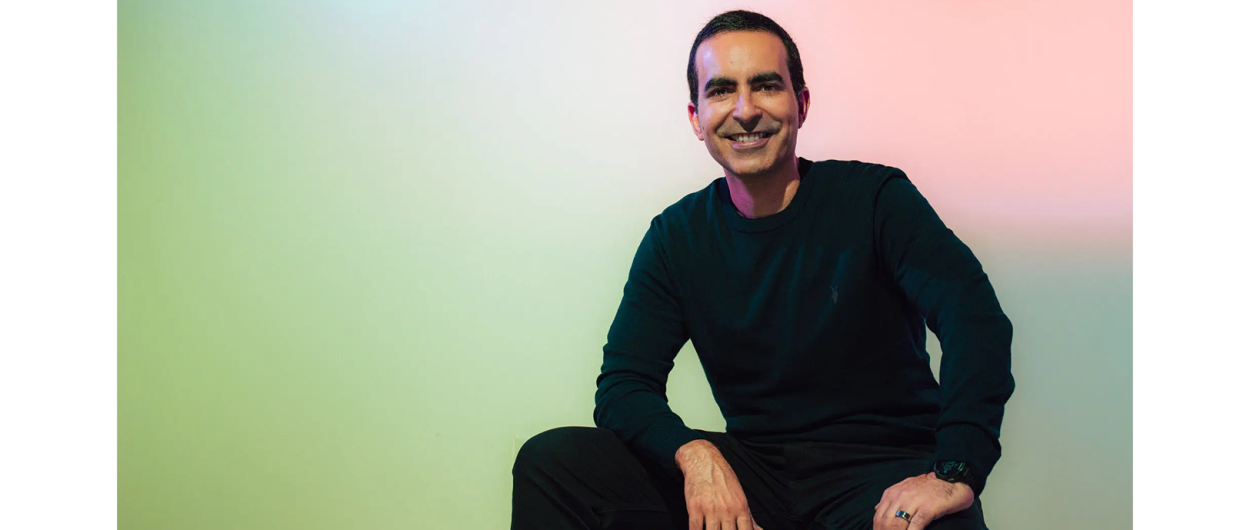
Karim Beguir and the case for starting at home
He left a finance career in London to build an AI company in Tunisia with Zohra Slim. Years later, Karim Beguir is still working on the same question: who gets to build the future?

Alessandro Sordi and the architecture of a second act
After Dada, Alessandro Sordi began again with two longtime friends. At Nana Bianca, the architect turned entrepreneur is helping founders build companies - and giving Florence more reasons to look forward.
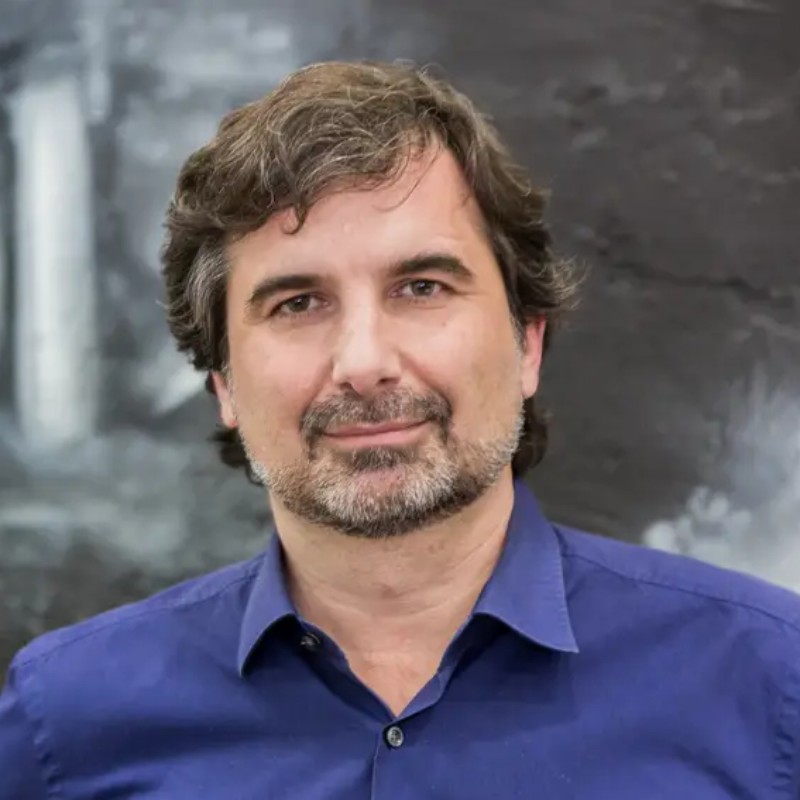
Nacho de Pinedo and the job he could not fill
A missing hire at Canal+ helped send Nacho de Pinedo into education. From ISDI to DIGITALENT GROUP, he has spent the years since asking how people can keep pace with the businesses they work in.

Vishal Sankhla and the work between the work
Before Outmarket AI, Vishal Sankhla sold handicrafts, built social analytics software, and led teams at Uber and Meta. His latest company takes aim at the paperwork standing between insurance brokers and their clients.
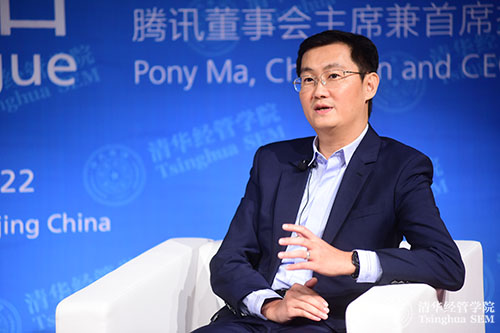
Pony Ma and the art of starting over
He helped turn a desktop messenger into Tencent. Then he backed the teams that built its mobile future. For Ma Huateng, staying useful has meant giving the next idea room to grow.

Jock Putney and the work before the spotlight
At Nuvolum, Jock Putney builds the machinery behind other people’s stories. His own runs through a 2 a.m. naming session, a library filmmaking class, and a podcast devoted to how people actually get somewhere.
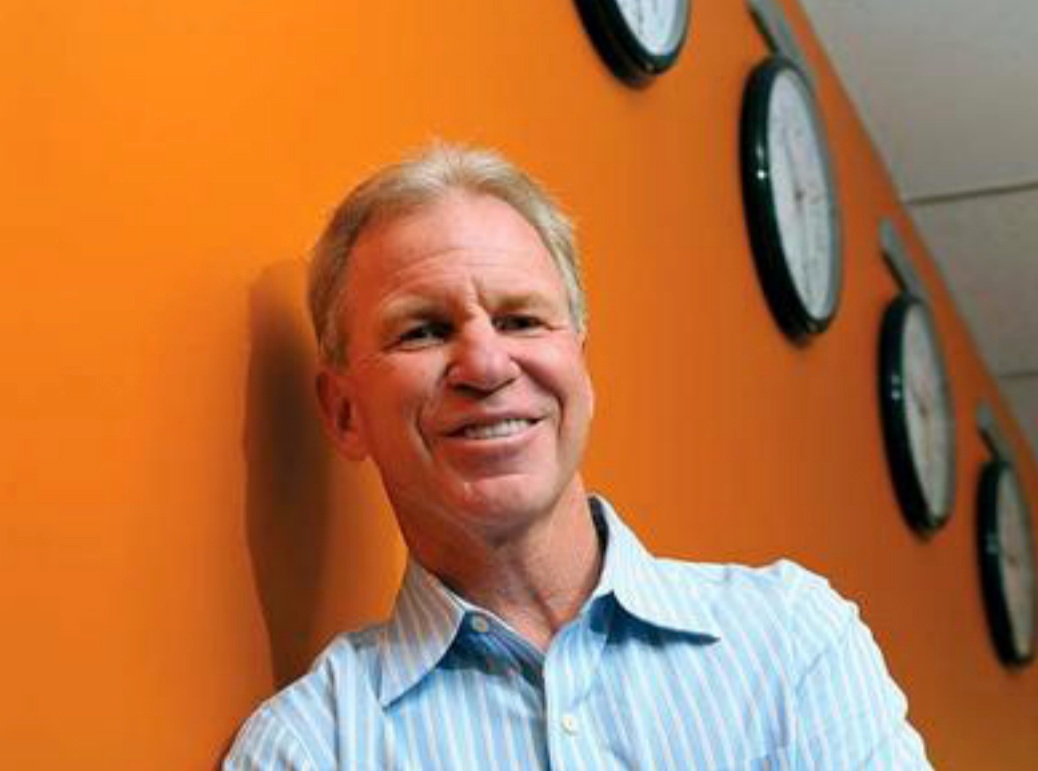
Michael McCloskey’s next move began twenty years earlier
At Bright Pattern, Michael McCloskey reunited with colleagues he had known since Genesys. His career offers a story about second acts, the usefulness of old working relationships, and the daily business of making software deliver on its promises.

Mariana Dias had a good job. Then she asked for a napkin.
A recruiting problem at Ambev sent Mariana Dias into business with three cofounders. Building Gupy would teach her when to move quickly, when to change her mind, and why some useful deals begin over Sunday breakfast.
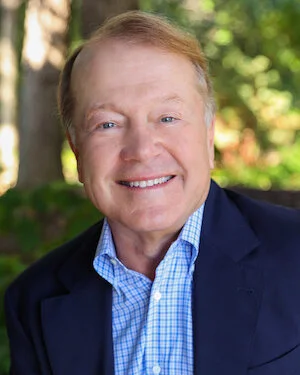
John Chambers and the art of starting over
He helped Cisco grow into the machinery of the internet. Now, as a Nile co-founder and a coach to startup CEOs, John Chambers is testing how much of that experience can travel.

Abdulrahman Tarabzouni and the trouble with reaching the top
The STV founder helped bring venture capital to a new scale in Saudi Arabia. His more personal question is what to build when another milestone stops being enough.
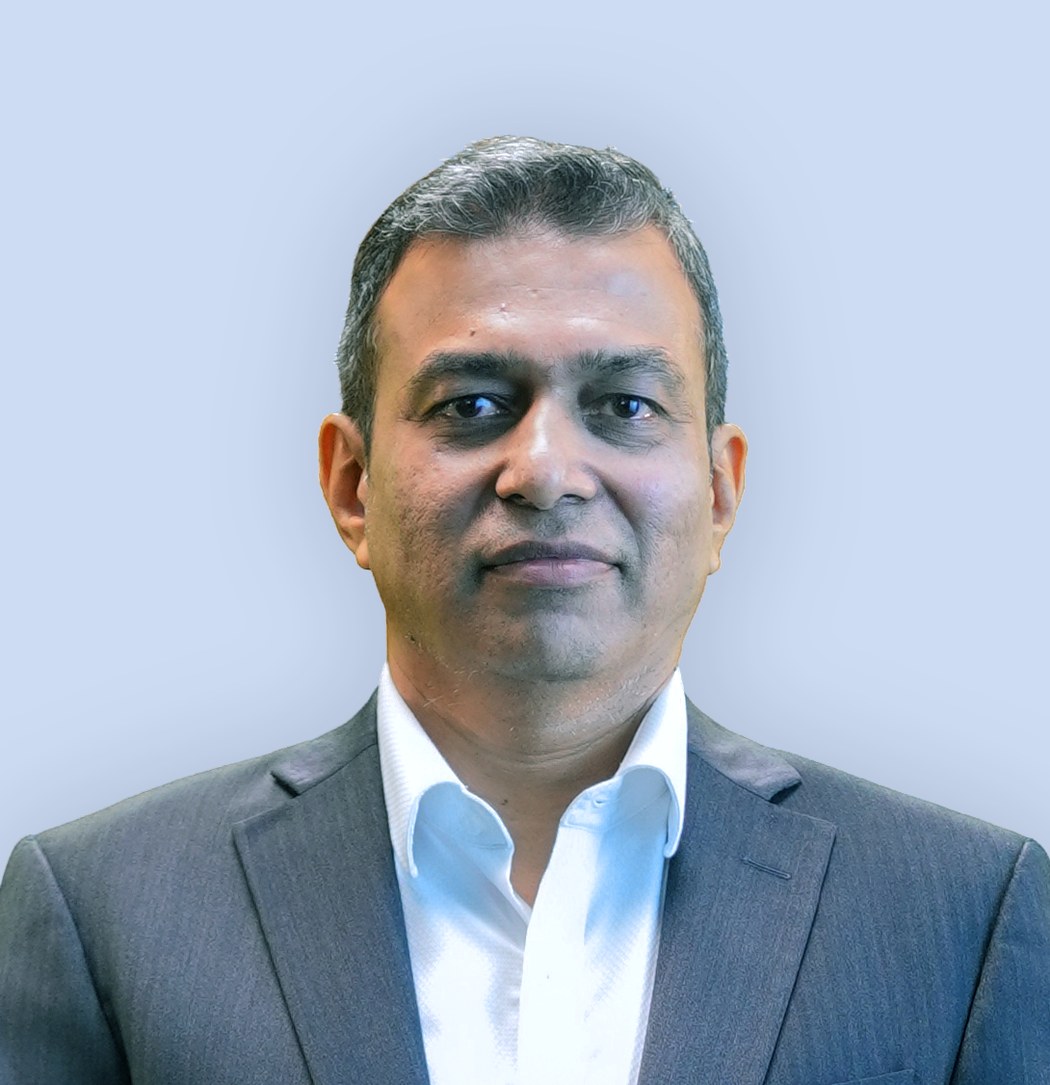
Aatish Dedhia and the art of paying attention
A catalogue problem led the Zycus founder into procurement. Decades later, his interests run from autonomous software to classical music, bird conservation and the engineering students building what comes next.
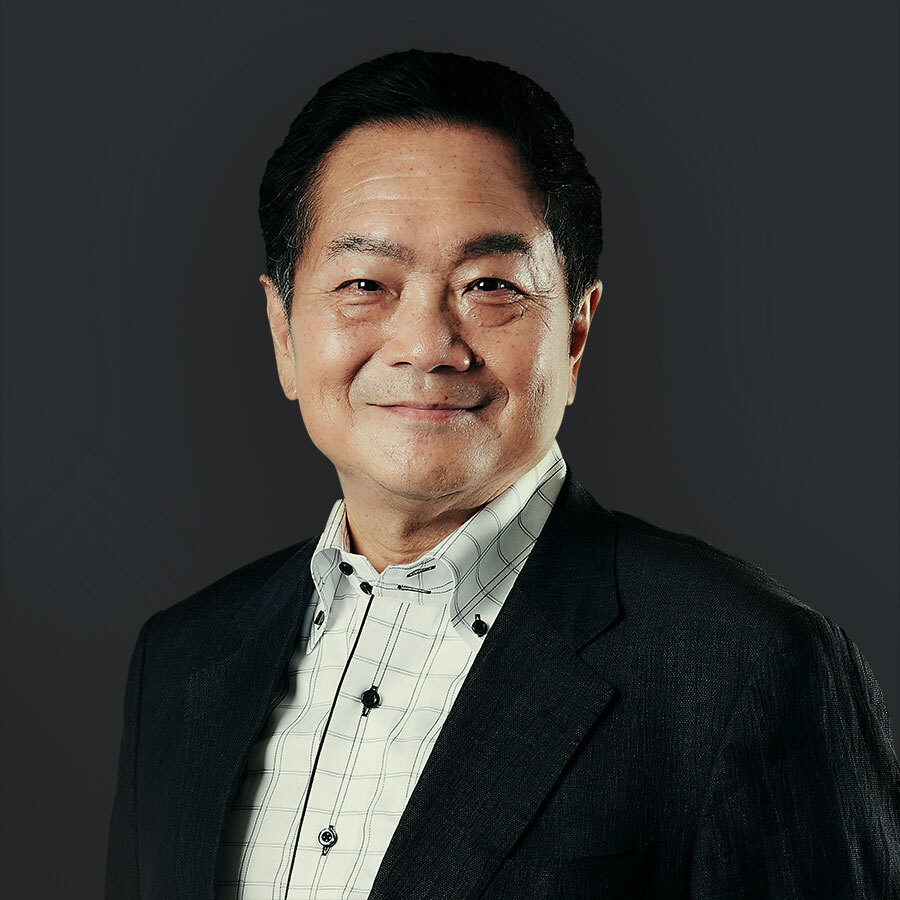
Ken Kutaragi and the trouble with a sensible idea
Before PlayStation, Ken Kutaragi wanted video games to sound better. That small complaint led him into a much larger argument about what computers were for - an argument he is still having.
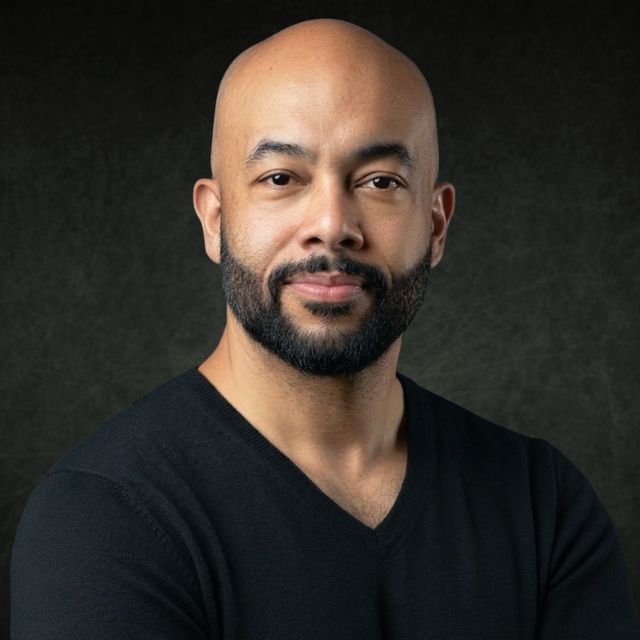
Wasim Khaled and the hidden machinery of belief
Before Blackbird.AI, Wasim Khaled sold the things people wanted to carry. Now he studies the stories they choose to believe - and the networks helping those stories along.
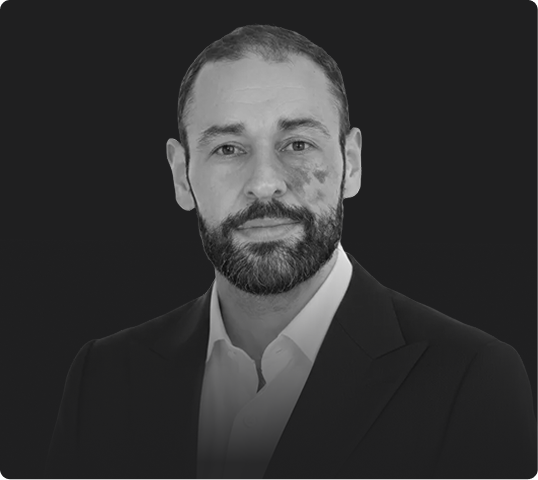
Abed Benaichouche and the problem after the breakthrough
Before he built AI platforms for governments and enterprises, Abed Benaichouche worked on extracting disaster reports from Twitter. His career keeps returning to the same question: how do you turn a promising signal into something people can use?
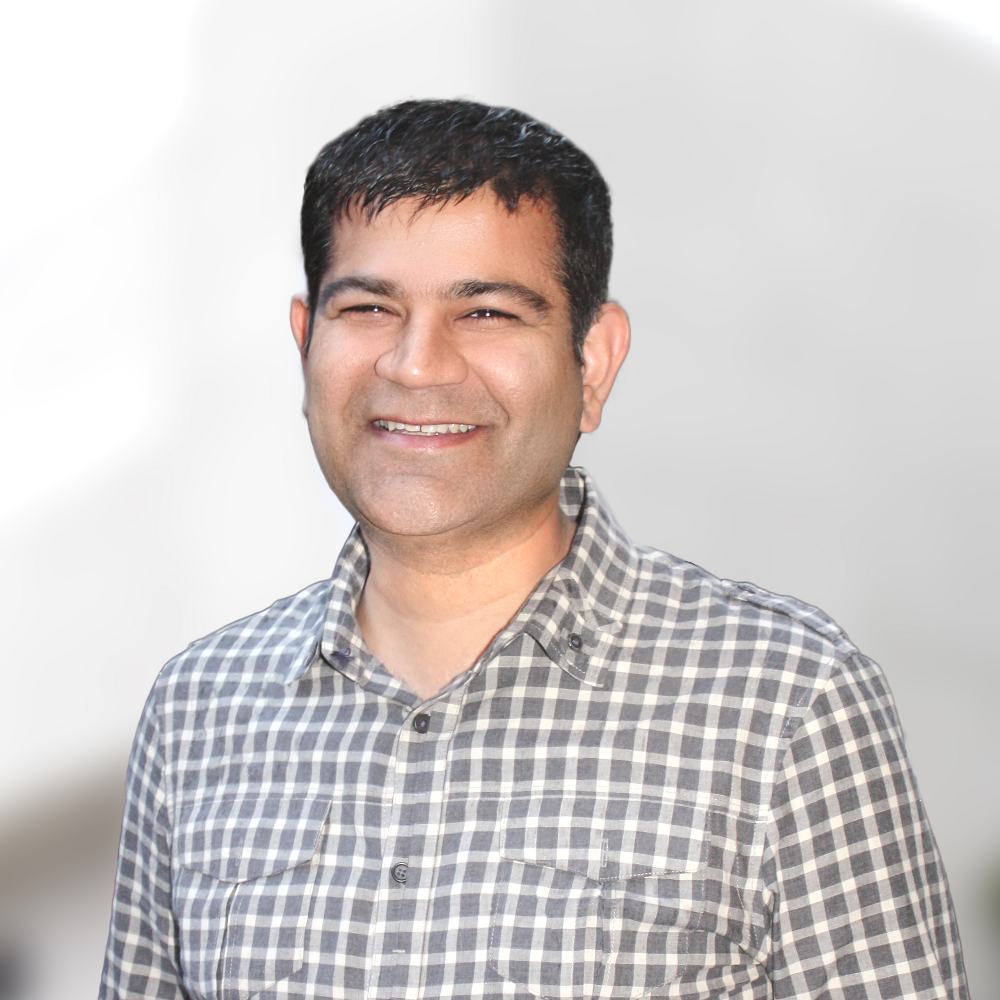
Puneet Mehta and the case for a quieter machine
Before Netomi, Puneet Mehta built trading systems and an app for navigating New York. His next wager is that useful AI should leave customers with fewer reasons to ask for help.

Paul Koullick and the art of making things less taxing
Paul Koullick spent seven years building Keeper, then handed the CEO job to his co-founder. From tax software to Google Meet, his recurring concern is how much work a product asks of the person using it.