artificial-intelligence
(299)
Tenity puts fintech in the room where banks buy.
A startup needs capital. A bank needs a reason to trust it. Tenity has built a business around getting both sides to work on the same problem.

Booz Allen Hamilton takes AI off the grid
A century-old consultancy is putting AI in orbit and buying its way deeper into defense technology. Its real business is making new tools work where the usual assumptions fall apart.
CGI built a business on staying
The technology industry loves a launch. CGI makes its living in the years that follow, when banks, utilities and governments need the machinery to keep working.

Aretum knows where the paperwork goes
A federal contractor built through acquisitions has a revealing idea about AI: start with the people who know why the paperwork gets stuck.

Futurism Technologies makes the pieces talk.
A manufacturer’s ringing phones reveal the business behind Futurism: connecting the systems, software, and people that growth pulls apart.

KGS Technology Group: Make the handoffs work
A forecast, a factory, a shipment. KGS Technology Group is building software for the awkward spaces between them - while keeping its consulting business close at hand.
Innover Digital makes AI earn its keep
A wasted truck journey. A missing spare part. An invoice nobody wants to type. Innover Digital builds AI around the expensive little problems that keep big companies waiting.

Techlogix makes the complicated work
A loan that nobody finishes. A label nobody can edit. A hospital visit scattered across apps. Techlogix builds software around the places where real work gets stuck.
FatBrain wants your business to learn from its neighbors
FatBrain built its AI pitch around a simple idea: a small business should learn from businesses like it. Its insurance tools show the appeal. Its acquisition history shows the cost of getting bigger.

Dash Technologies and the last mile of medicine
A medical device can do its job and still leave a hospital waiting. Dash Technologies builds the software that gets the result where it needs to go.
REI Systems makes the paperwork move
A grant is a promise. Getting it to the right people takes software, patience, and a surprising amount of plumbing. REI Systems has built a business around that gap.

iLearningEngines: The price of belief
iLearningEngines promised to turn company knowledge into useful action. Its journey from a Nasdaq listing to liquidation reveals how much an AI business depends on something older: trust.

NeuraFlash makes AI answer the phone.
The hard part of customer service AI is everything behind the conversation. NeuraFlash built a business connecting those pieces - and Accenture bought it.
Orfium makes the music count.
A song can travel around the world before its royalties find their way home. Orfium builds the technology, and does the detective work, that helps close the gap.

Publicis Collective wants to see the receipt.
A media agency can tell you who saw an ad. Publicis Collective wants to connect that encounter to what happened next - and build the team around the answer.
Lovelytics makes AI earn its keep.
A working demo is the easy part. Lovelytics builds the data foundations, permissions, and everyday tools that help enterprise AI survive contact with actual people.
WarrCloud Turns Paperwork Into Paydays.
A repaired car does not automatically produce a paid warranty claim. WarrCloud built a business in that gap, combining software and specialists to help dealerships collect what the work is worth.

QuantGroup wants AI to leave the screen
The company behind shopping app Yangxiaomie is reaching into smart hardware. Its next act depends on a very old problem: turning attention into purchases that pay.

ViON Corporation: The cloud had a street address
ViON helped government agencies buy computing like a utility, inside their own data centers. Its story runs from a 48-hour server deployment to a cloud-business sale and a sharper focus on AI.
Alibaba Cloud: Built for the rush
A shopping festival taught Alibaba how to handle a crowd. The same machinery now carries Olympic broadcasts and a costly bet on artificial intelligence.

Lex Fridman makes room for the long answer
An AI interview show became a media business by widening the guest list and keeping the conversation long. Its useful trick: make hours of attention easy to enter, leave, and revisit.
AI is loud. TWIML listens.
Sam Charrington built a business around asking AI researchers how things actually work. The interesting part is what happened when his listeners started learning together.
Hard Fork found its story by changing the subject
A crypto-era pitch became a weekly guide to the AI age. Now The New York Times podcast faces a fresh experiment: keeping the conversation alive after its original hosts have left.
AI works. People make it work.
Me, Myself, and AI goes looking for the people behind useful artificial intelligence. The interesting part is what they had to change before it delivered.

Dwarkesh Podcast: A week of homework. Two hours of questions.
Dwarkesh Patel turned a college side project into a media business by taking the preparation seriously. The microphone is only the part you get to see.
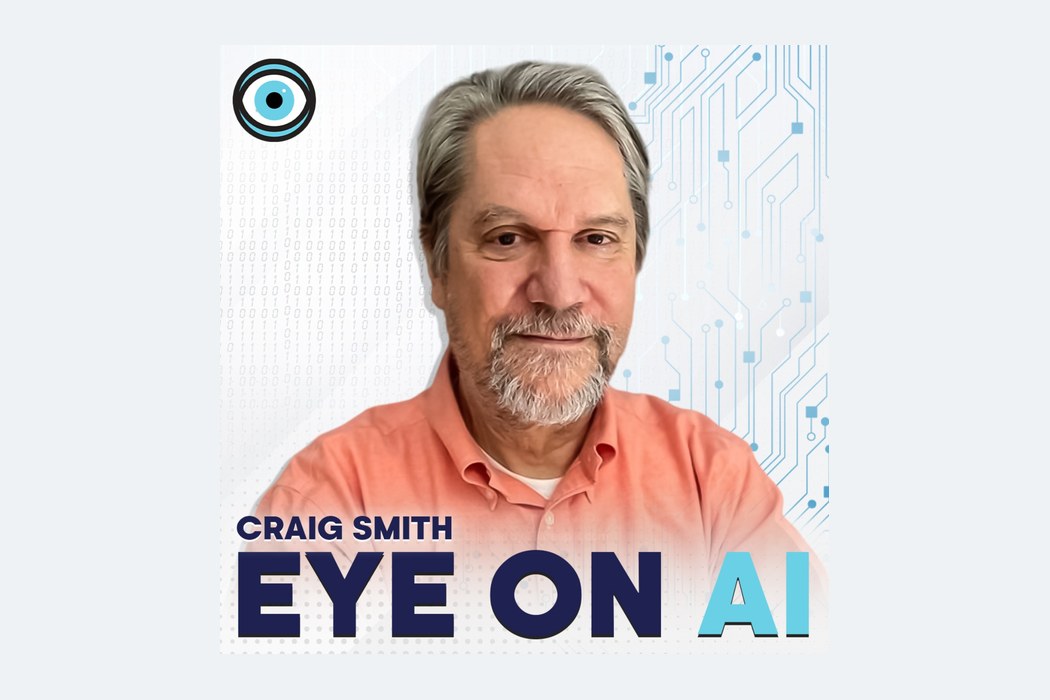
Eye on AI asks the next question
Before AI became an everyday conversation, Craig S. Smith was interviewing the people building it. Eye on AI turns those conversations into a public record of what the technology promises - and what still needs explaining.
Practical AI makes the demo face reality
Two working AI practitioners built a show around a stubborn question: what happens when the technology leaves the demo? Eight years of conversations have made Practical AI a useful place to ask it.

No Priors opens the room where AI gets built
Sarah Guo and Elad Gil turn their access to AI founders into a weekly public conversation. The useful part is hearing which assumptions the builders are willing to defend.
The AI Daily Brief makes room to think
Nathaniel Whittemore built an AI news business around a daily listening habit. Its revealing move was deciding which news product to stop making.
WeLab and the art of less waiting
Borrowers wanted to know what happened next. WeLab’s answer grew from online credit into two digital banks - and a test of whether convenience can pay its own way.