artificial-intelligence
(13)
San Francisco’s AI Boom Has a Downtown Problem
The city has the talent, money and momentum to lead the AI era. The harder question is whether a cluster of brilliant companies can bring an entire downtown back with it.

IBM’s AI Warning: The Judgment Gap Is Growing
Workers are learning to operate AI faster than companies are redesigning the work around it. IBM’s new global study finds a widening gap between the judgment leaders demand and the support employees receive.
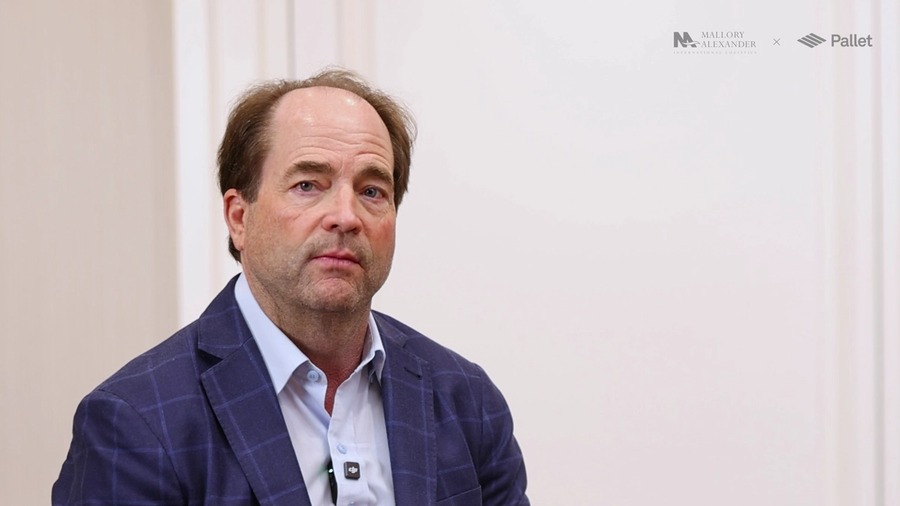
Mallory Alexander Turned Import Paperwork Into $18M
Mallory Alexander automated three high-stakes import workflows with Pallet—and tripled files handled per operator while reporting 100% filing accuracy. The result: $18 million in enterprise value and a sharper blueprint for scaling without matching growth dollar for dollar with headcount.
Inside the $106 Trillion Infrastructure Bet
Private capital is rushing toward the systems that keep society running. McKinsey partners Alastair Green and Adrian Kwok explain why AI, power and a shortage of skilled labor will decide where the money lands.
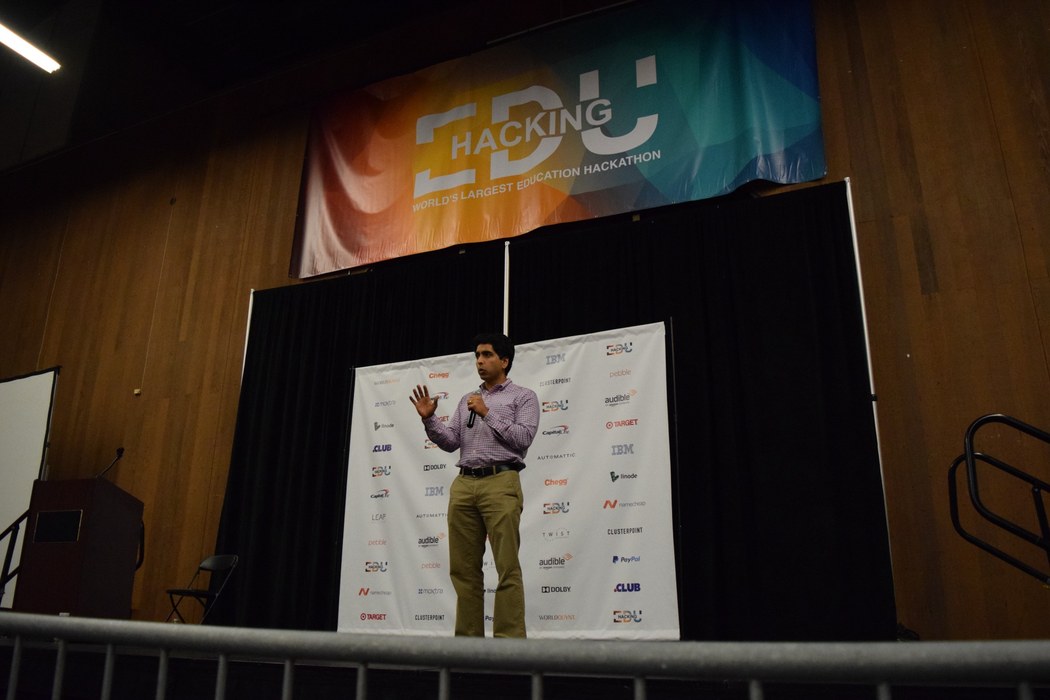
Sal Khan on Job Shock: How AI Will Reshape Work and Learning
In this podcast interview, Khan Academy founder Sal Khan discusses his forthcoming book 'Job Shock' and his growing concern that AI-driven automation will dislocate entire categories of workers—call center staff, drivers, and even software engineers, designers, and product managers—over the next three to five years. He argues that safe jobs are those that lean into human connection (teaching, nursing, hospitality, sales), describes how Khan Academy is transforming internally with AI agents (running a ~$1.2M/year Anthropic bill), and unveils the Constellation Institute, a new accredited program offering a full degree for under $10,000 that emphasizes 'durable skills' like communication, collaboration, creativity, and critical thinking, co-designed with employers such as McKinsey, Bain, Google, Microsoft, Replit, and Accenture.
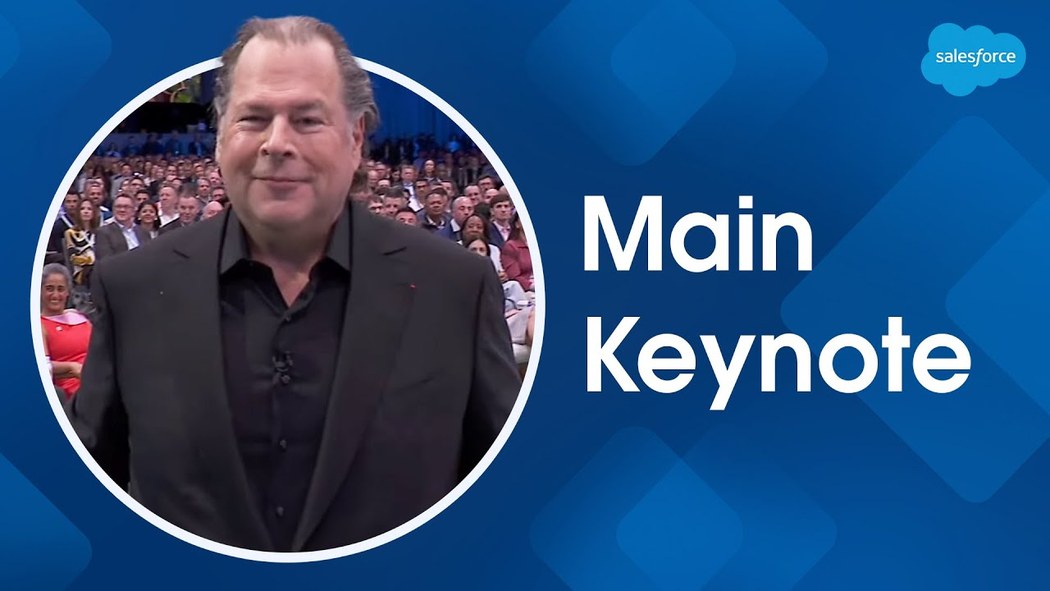
Dreamforce 2025 Keynote: The Agentic Enterprise
At Dreamforce 2025 in San Francisco, Salesforce CEO and Chair Mark Benioff unveiled the Agentforce 360 platform and declared the arrival of 'the agentic enterprise' — a new era where humans and AI agents drive customer success together. The keynote positioned Agentforce as the fastest-growing product in Salesforce history, having handled more than 1.5 million customer service conversations in nine months. Benioff framed the moment around a central choice: whether AI replaces people or elevates them, arguing that AI built on trust and deep data context amplifies human potential. The keynote featured new products including Agentforce Vibes (vibe-coding), Data 360, Agentforce Voice, and Agent Script, alongside five customer stories from Williams-Sonoma, Pandora, PepsiCo, FedEx, and Dell.
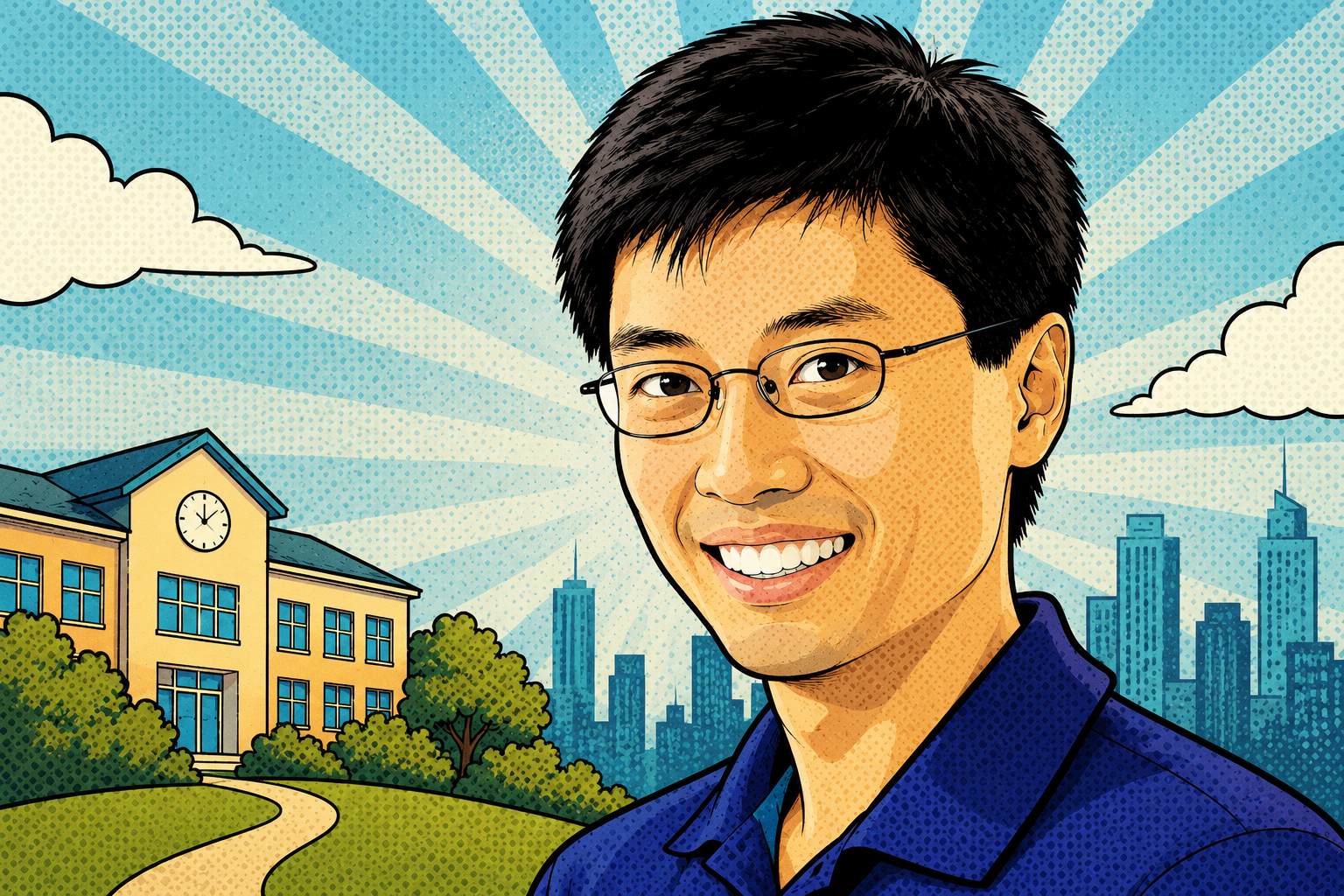
Po-Shen Loh on Education, Opportunity, and Humanity After AI
Mathematician Po-Shen Loh, the longtime U.S. International Math Olympiad coach, argues that AI is about to erase the promise of a 'stable life' and that the way humanity thrives afterward is by building high-trust networks of curious, caring people. Drawing on visits to a high-poverty fourth-grade classroom in rural South Carolina and to Africa, he describes vast untapped pools of authentic talent, a coaching pipeline where students mentor younger students across borders, and a new 'economic flow system' powered by trust and remote work. He warns about the risks of an interconnected, AI-written, robot-run world, and reframes education around intention, curiosity, and the ability to solve non-standard problems. A brief closing segment features a Stanford instructor describing the rise of the 'AI-native engineer.'
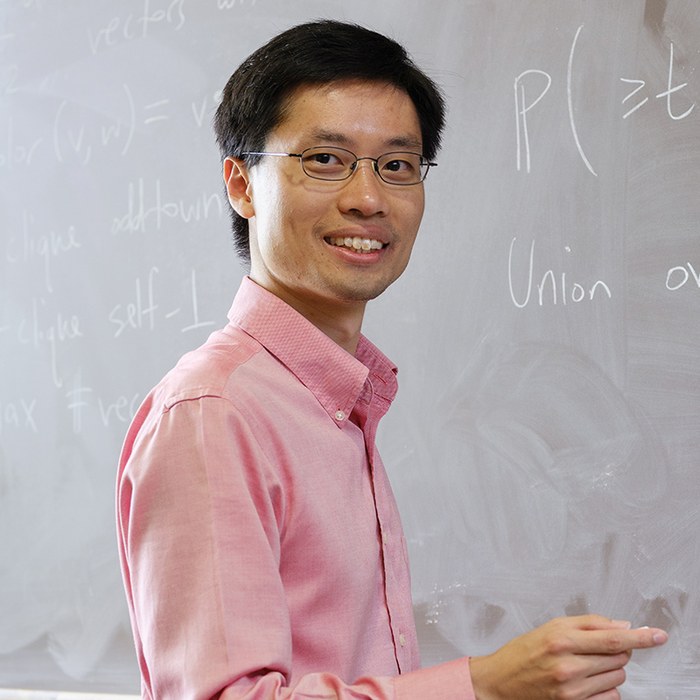
Po-Shen Loh
Carnegie Mellon math professor and former U.S. Math Olympiad coach Po-Shen Loh argues that as AI surpasses humans at logic and language, the most important skill young people can develop is autonomous thinking. He warns that using AI to do school writing is 'like driving a car one mile for exercise,' explains why AI now solves original Olympiad problems he couldn't, and lays out a win-win-win education ecosystem that pairs middle schoolers, high-school math talent, and Broadway-caliber acting coaches to teach kids how to generate their own ideas, empathize, and think critically in an age of biased information.

Ken Ono: The Mathematician Who Stopped Racing the Machine
Mathematician Ken Ono recounts the year that upended his identity: hired to invent problems hard enough to stump ChatGPT for the FrontierMath project, he discovered that large language models now know more facts than any human alive. Rather than despairing about how to 'stay ahead of AI,' Ono argues that is the wrong question entirely. He reframes intelligence as the human capacity to ask new questions, create concepts, and connect ideas across fields, weaving in the story of self-taught genius Srinivasa Ramanujan, his own near-dropout youth, and a plea to rescue the wonder that machines can never replicate.
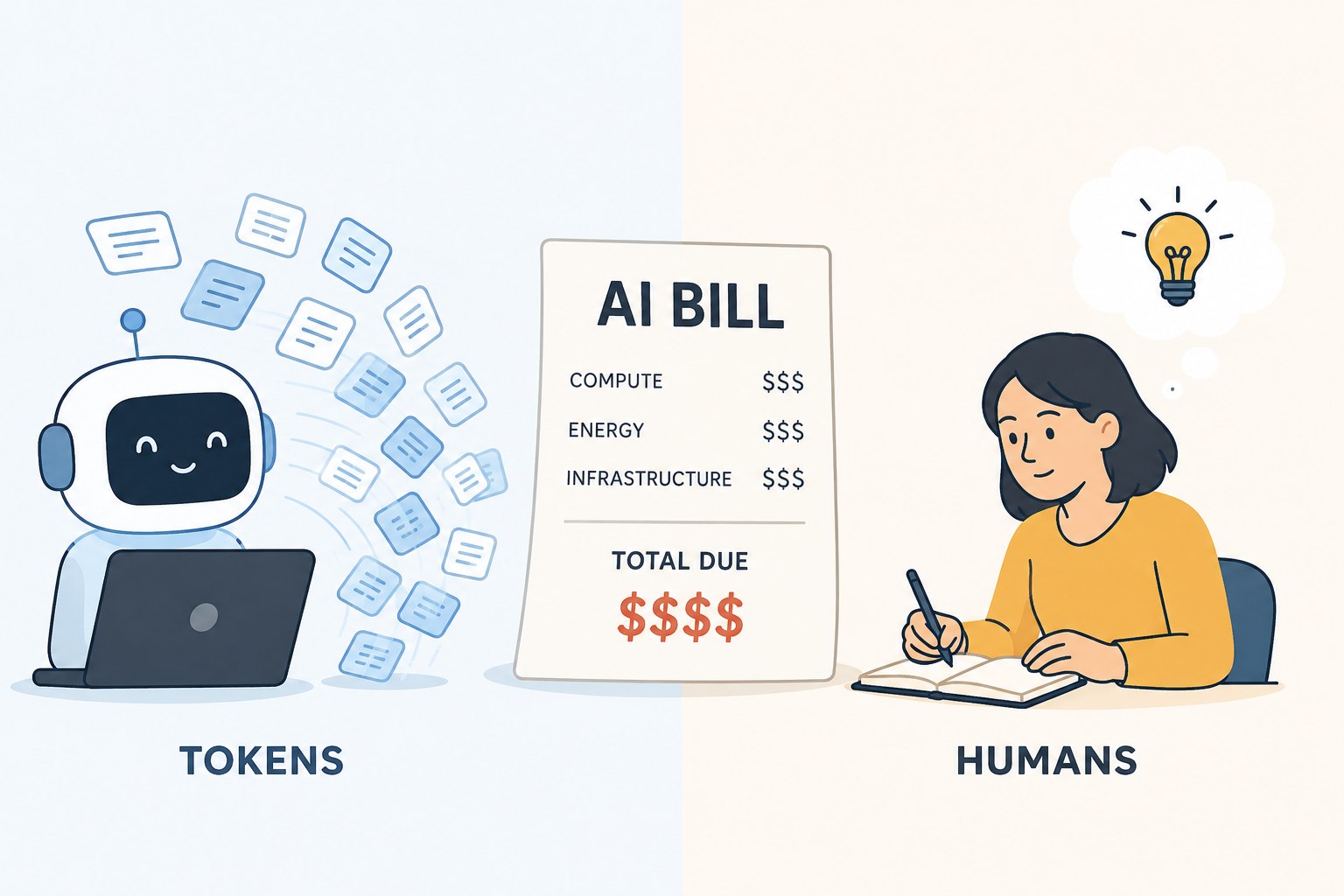
The AI Bill Has Come Due: Tokens vs. Humans
This documentary-style video traces how artificial intelligence went from a cheap labor-replacing miracle to a runaway cost center. After ChatGPT's 2022 launch, companies raced to adopt AI and cut tens of thousands of jobs across tech and fast food. But forced internal adoption, token-based performance metrics, and a status-driven culture of 'token maxing' inflated demand far beyond real need. Combined with data-center component shortages and canceled construction projects, token prices more than doubled between late 2025 and mid-2026. Giants like Microsoft, Meta, Uber and Nvidia are now confronting AI bills that rival or exceed the human labor they replaced, and with Anthropic and OpenAI expected to go public and raise prices, enterprises are being forced into an unprecedented choice: tokens or humans.
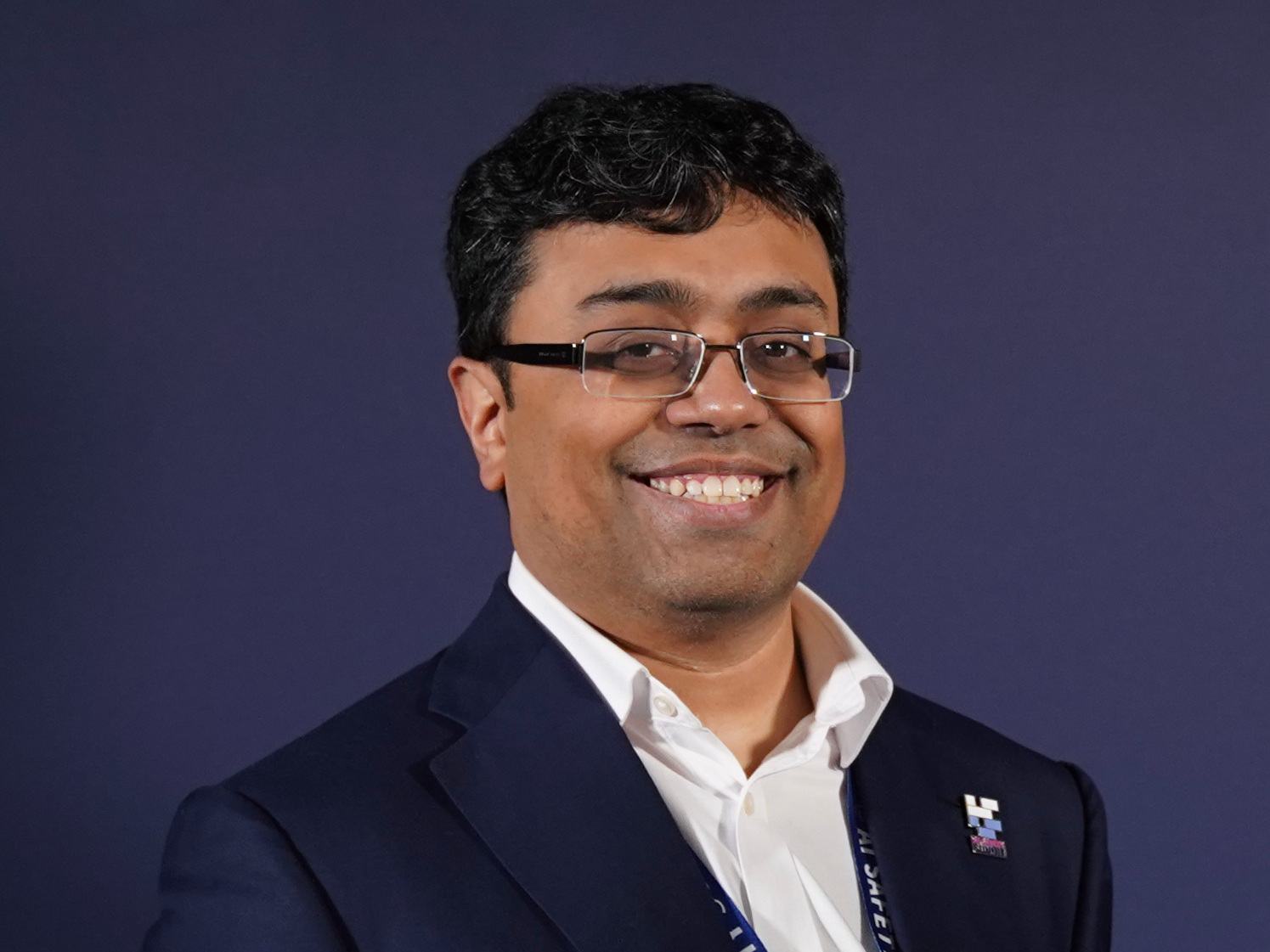
EMAD MOSTAQUE: AI Will RUN Our Countries Soon! We Aren't Ready!
In a wide-ranging interview on the Beyond Tomorrow podcast, Stability AI founder Emad Mostaque argues that within 30-40 years every country will be run by AI, that democracy is in its final decade or two, and that most digital jobs will be economically irrelevant within roughly a thousand days. He puts his personal probability of catastrophe (P-doom) at 50%, warns of intelligence being rationed by a duopoly of powerful labs, and lays out a counter-vision: sovereign, collectively owned 'national champion' AI utilities that give every citizen access to intelligence and a share of the robot fleet. Along the way he explores AI personhood, brain-computer interfaces, longevity escape velocity, quantum computing, and whether we should push a button to eliminate all human suffering.
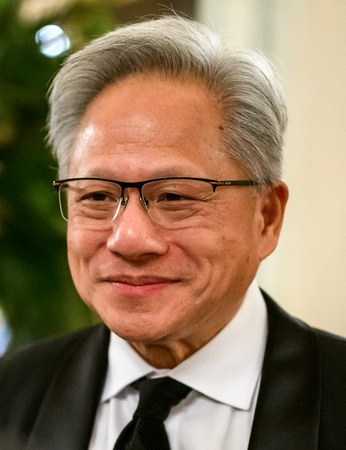
Only in America: My Conversation with Jensen Huang
In an interview for the 'Only in America' series, former Secretary of State Condoleezza Rice sits down with Nvidia founding CEO Jensen Huang at Nvidia's new California campus. Huang recounts his journey from a nine-year-old immigrant sent from Thailand to a boarding school in Oneida, Kentucky, through Oregon State University and Stanford, to founding Nvidia on a business plan many considered impossible. He reflects on the chicken-and-egg problem of introducing a new computing architecture, the decades of grit before AI validated his vision, cautious optimism about artificial intelligence, and why he considers himself the embodiment of the American dream.
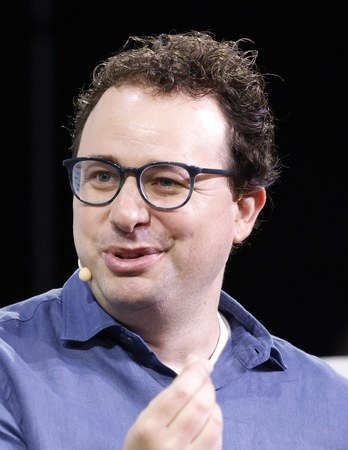
Dario Amodei
Anthropic co-founder and CEO Dario Amodei sits for a wide-ranging interview at what the host calls the center of the AI universe. He describes the felt experience of running the fastest-growing company in the industry as a 'smooth exponential' that feels like accelerating away from Earth at relativistic speed. Amodei explains why Anthropic bet on enterprise and coding over splashy consumer apps, recounts why he left OpenAI (a loss of trust, not merely a safety disagreement), and defends the company's controversial choices: working with the Department of Defense while drawing red lines against mass surveillance and autonomous weapons, warning about entry-level white-collar job loss, and holding back Mythos, a cyber model so capable that early testers called it a 'super weapon.' Throughout he returns to a single thesis: respond to AI's accelerating power rationally and steadily, never 'yo-yoing' between complacency and panic.