renewable-energy
(112)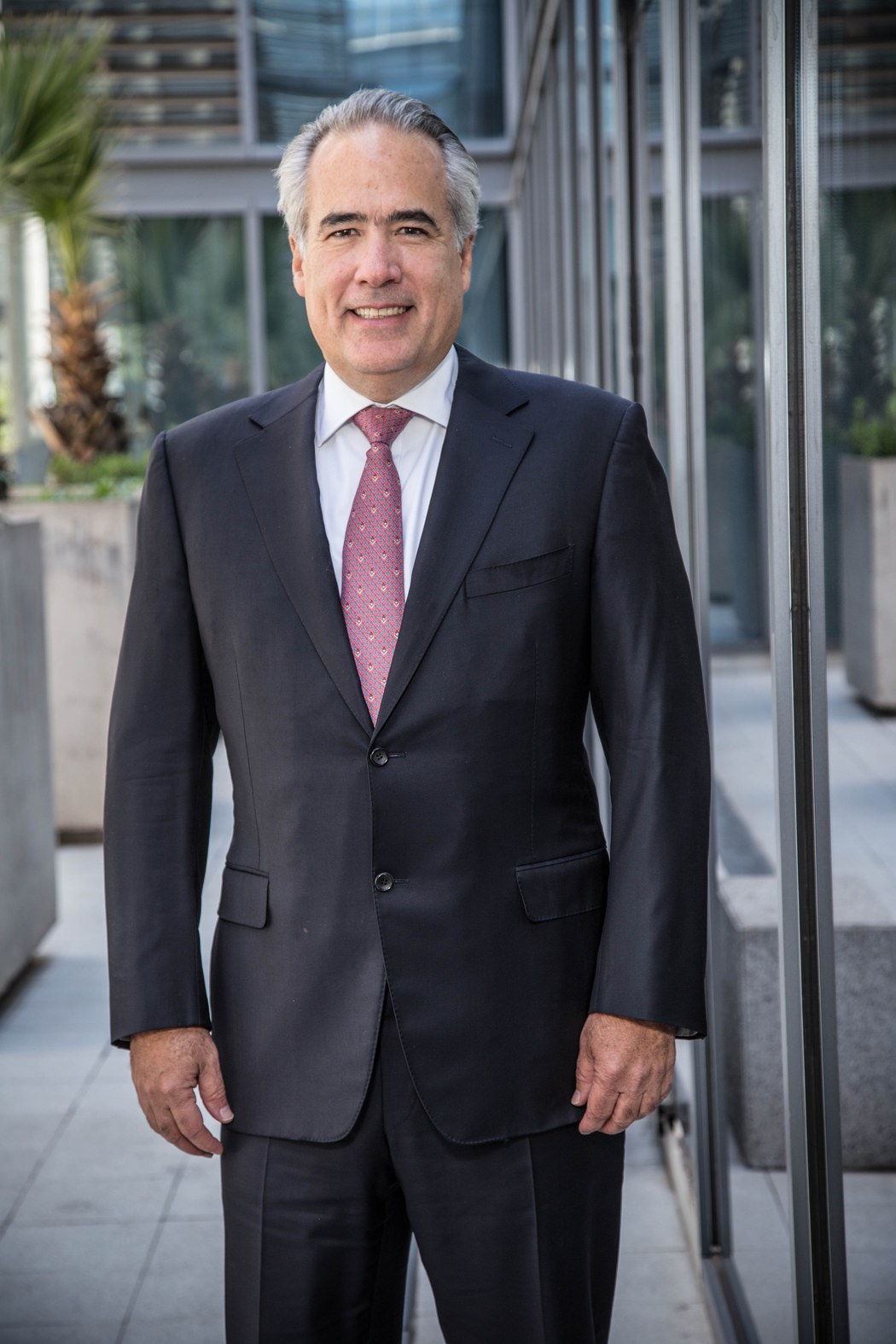
Julian Nebreda and the trouble with being on time
He trained as a lawyer, ran power businesses across continents, and came to Fluence with a case for a more flexible grid. Now Julian Nebreda faces a test that every electricity customer understands: delivering when promised.
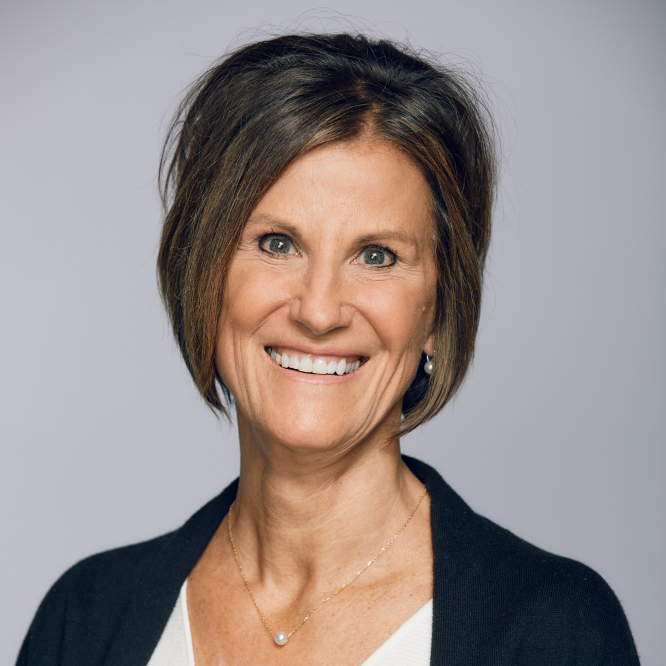
Mary Powell and the power of giving up the corner office
An arts-school graduate who never planned a corporate career, Mary Powell helped turn a Vermont utility into a testing ground for home batteries. At Sunrun, she is asking how much of the power system can begin at home.
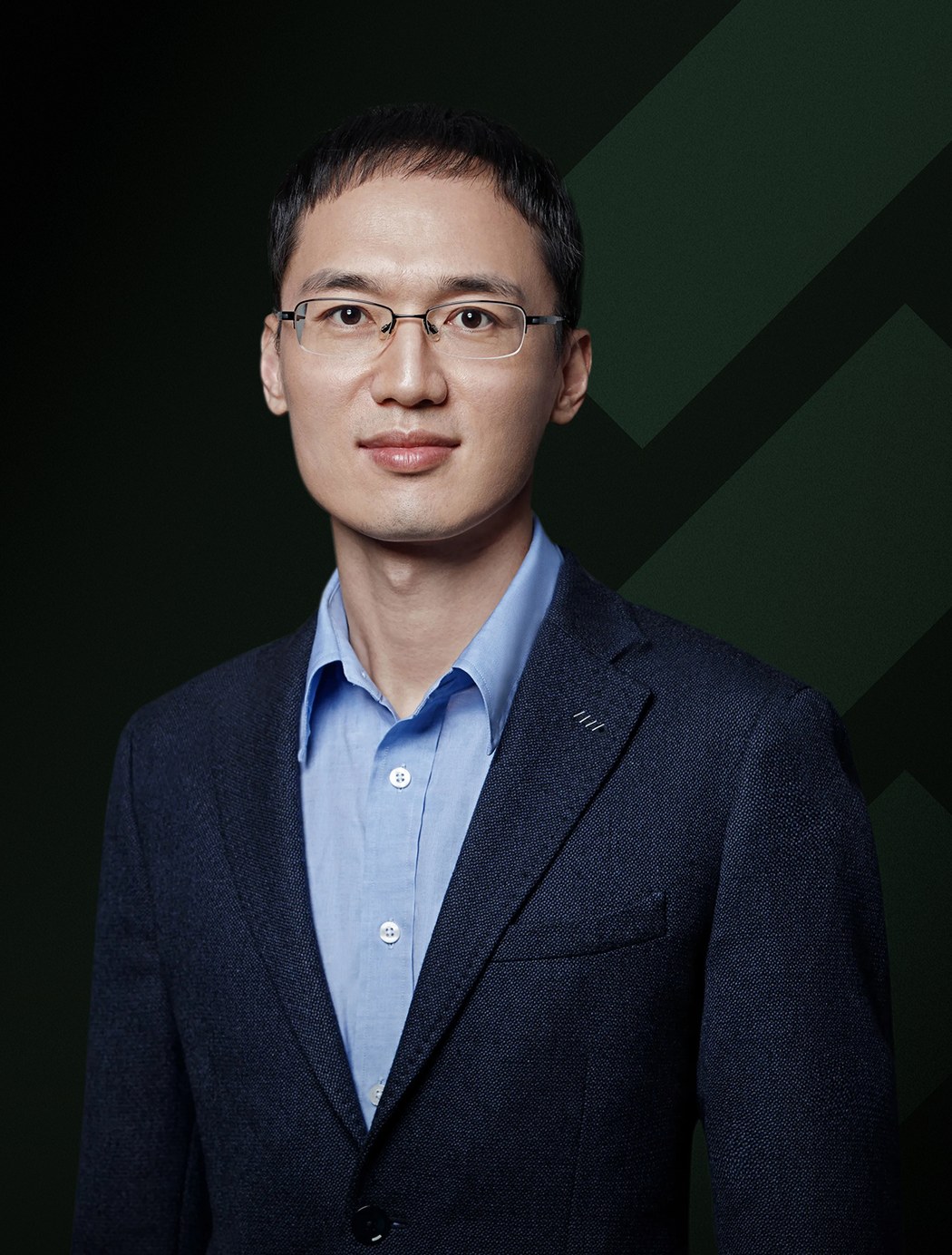
Bruce Wang Lei and the problem with waiting for power
Before EcoFlow put batteries in homes around the world, its founder worked in an office where the air conditioning stopped at eight. Bruce Wang Lei has been finding practical ways to give people more control over electricity ever since.
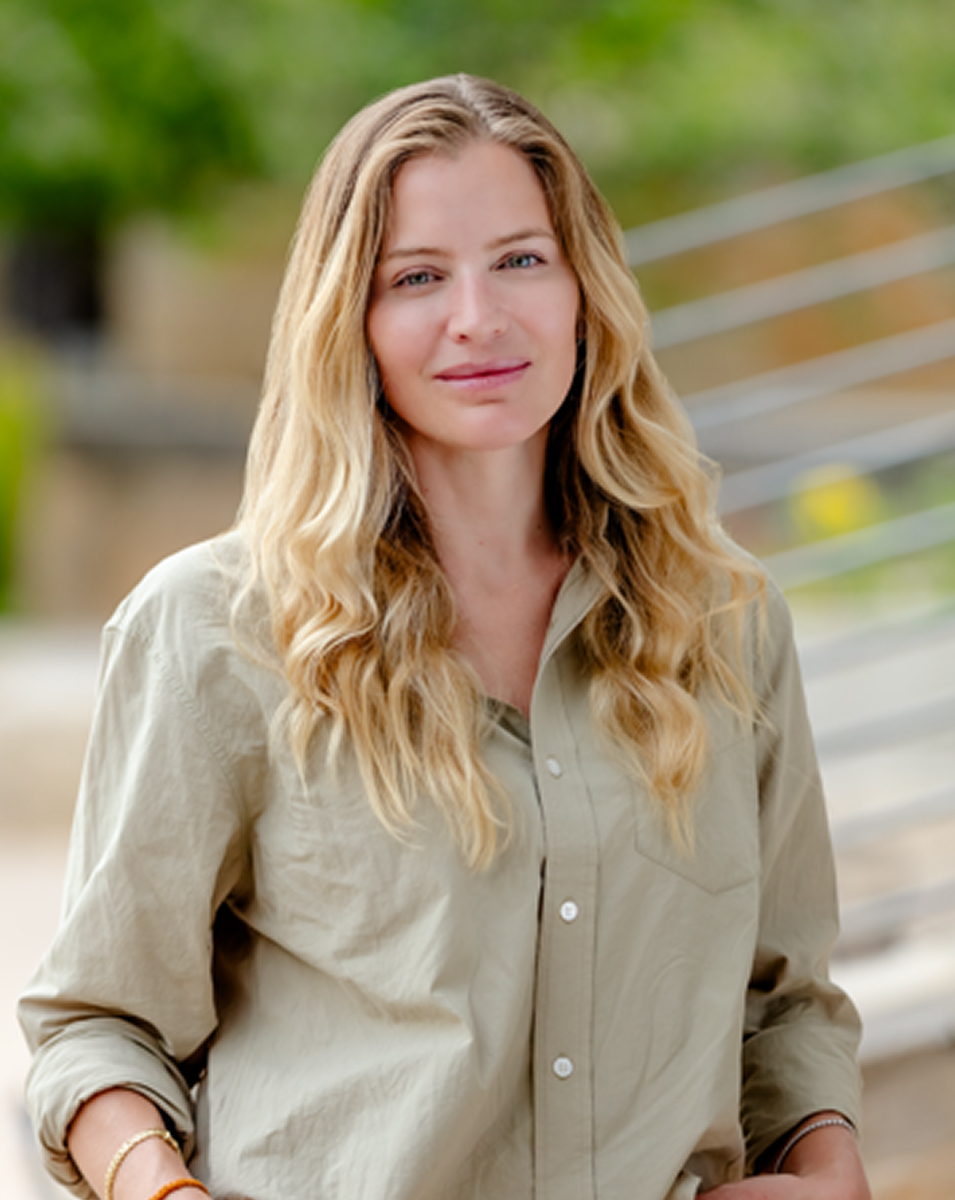
Natasha Kalergis Healey and the Art of Getting a Town to Listen
She began with social media and consumer brands. At Bantam Communications, Natasha Kalergis Healey now works on a more consequential kind of persuasion: helping energy developers earn a place in local communities.
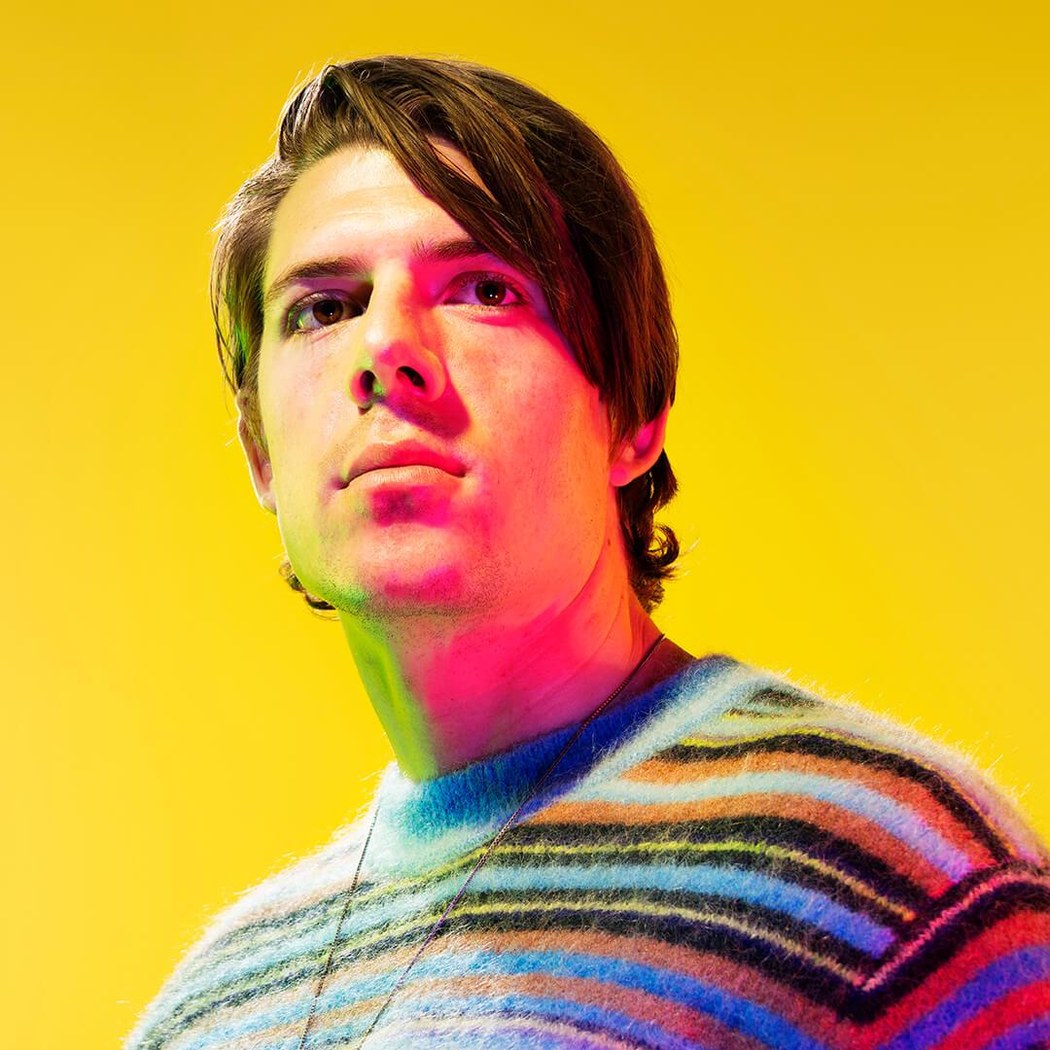
Alex Liegl and the price of plugging in
Before he co-founded Tenet, Alex Liegl mined bitcoin in a Stanford dorm and built a mining business in West Texas. His recurring question: what happens when you change the economics of electricity?
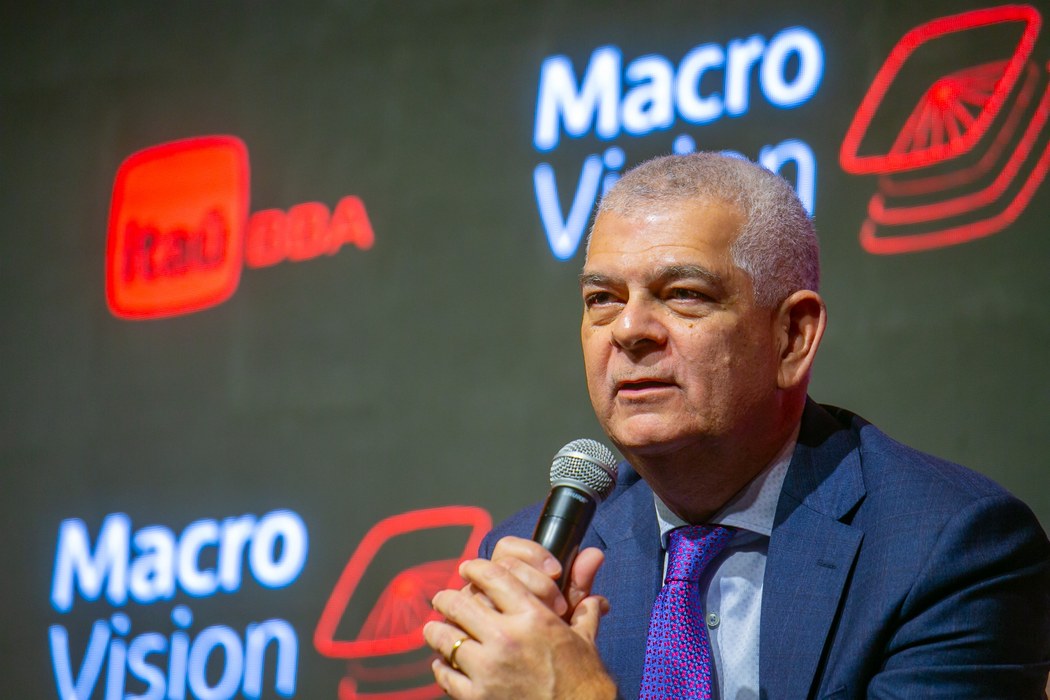
Ivan Monteiro and the long business of changing the sign
He began as a Banco do Brasil clerk and went on to lead Petrobras and AXIA Energia. His career offers a lesson in how long institutional change takes, even after the new name is on the door.

George Sakellaris and the power plant that didn’t need building
He left a Greek farming village wanting to design power plants. A career in saving energy, a company founded over a restaurant napkin, and a taste for ocean racing took George Sakellaris somewhere more interesting.
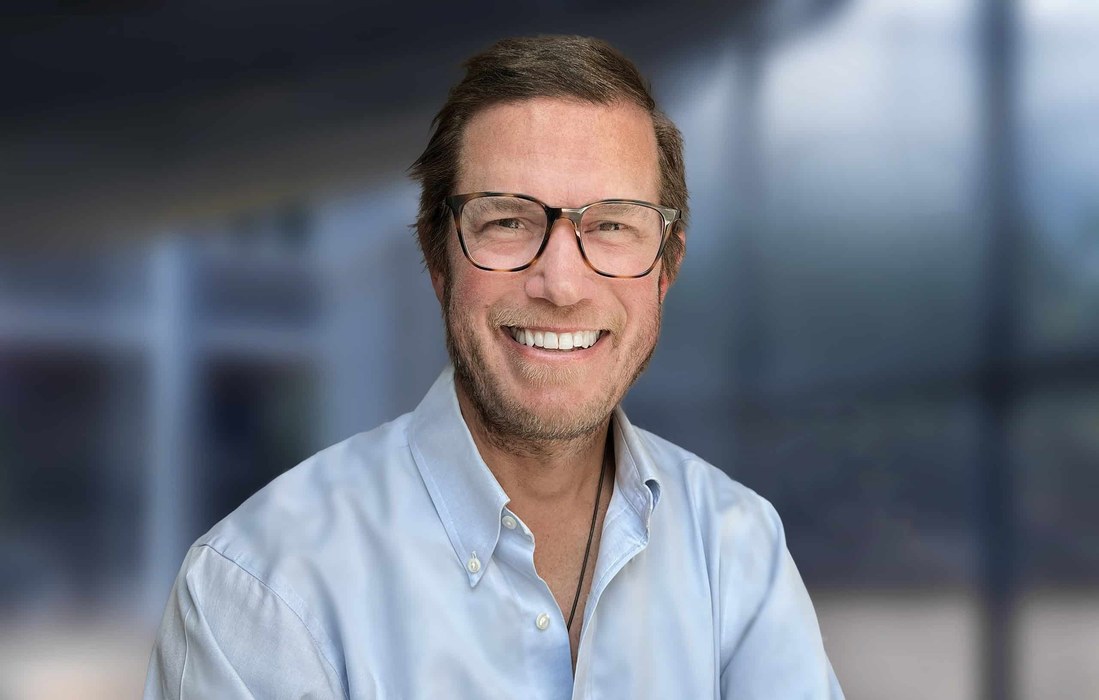
Chris Gosline and the unfinished business of clean power
With two laptops and no customers, Chris Gosline and Nicholas Speyer started SYSO. His career connected clean energy's practical problems with a quieter ambition: building a team he could trust.
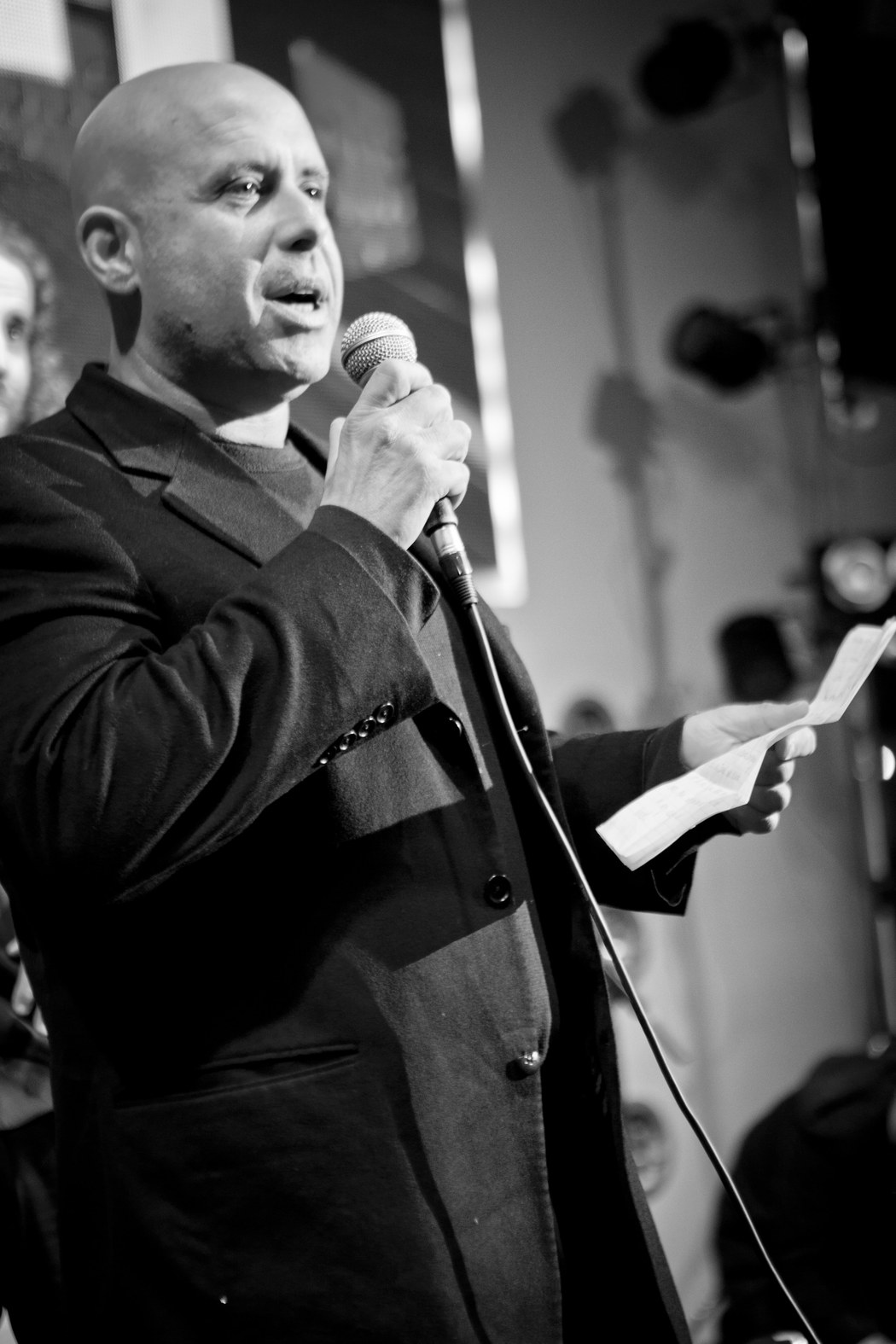
Guy Sella and the Case for Building the Whole Thing
SolarEdge began with five colleagues and a search for something worth building. Guy Sella’s insistence on making a complete system helped turn that search into a global solar business.
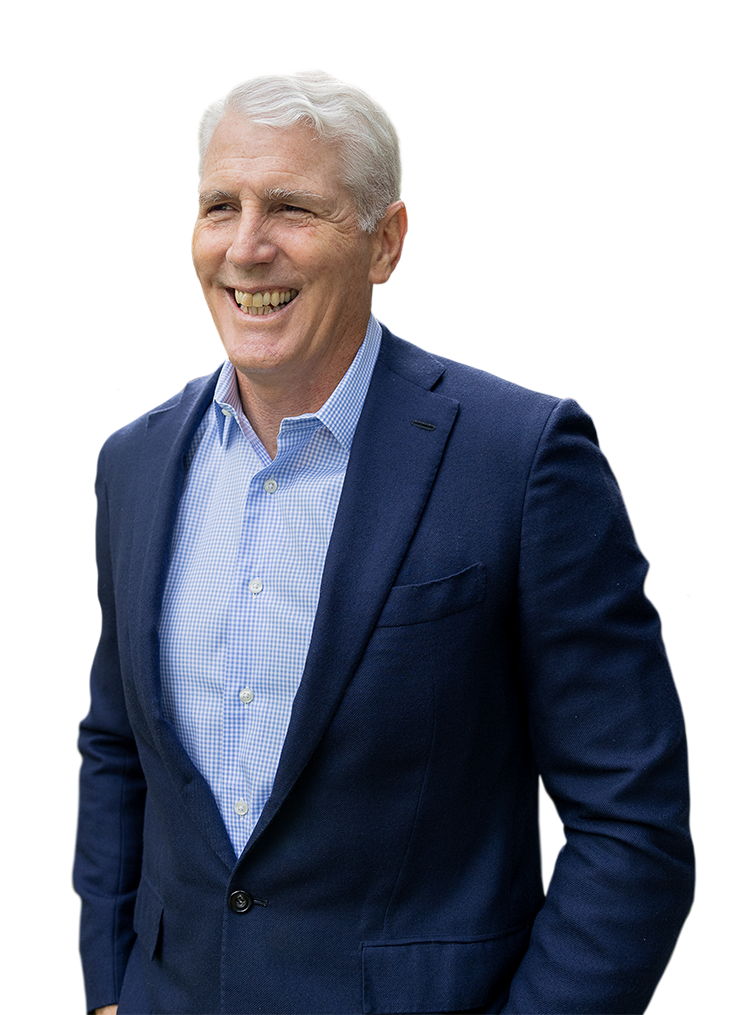
John Pimentel and the business of making the unlikely ordinary
Before co-founding 280 Earth, John Pimentel helped build wind projects and rebuild California freeways. His career keeps returning to the same awkward question: how do you turn a promising idea into something people can actually use?
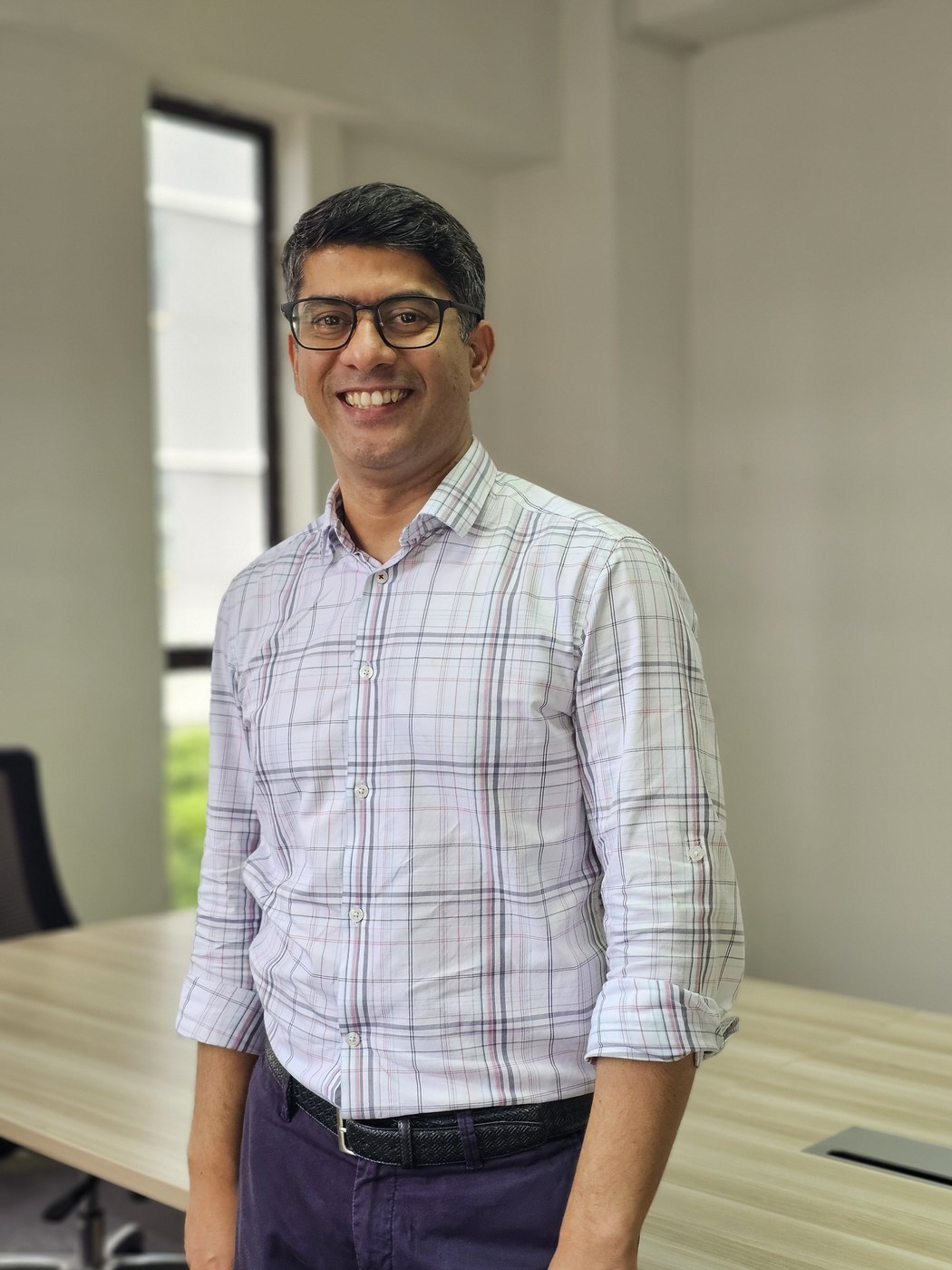
Sujay Malve and the business of keeping the lights on
Power cuts interrupted his studies in India. Years later, the Canopy Power co-founder is building renewable microgrids for remote businesses, with a working map that now reaches into the lagoons of the Maldives.
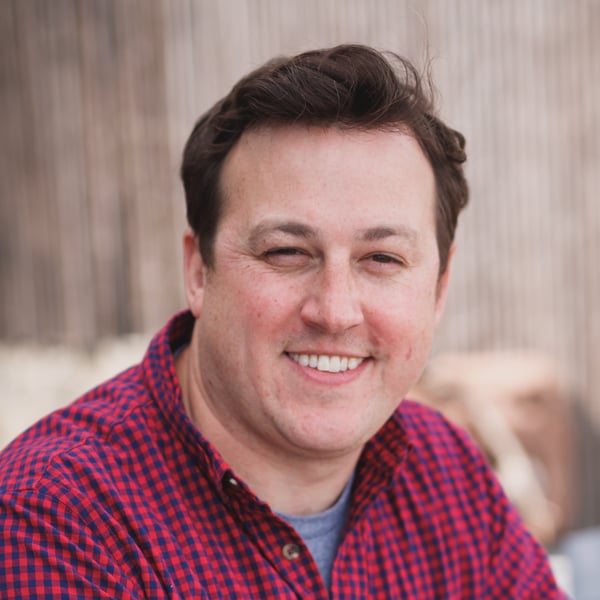
Matt Wytock and the Value of Sitting Out
He helped automate search advertising at Google, then turned to the electricity grid. At Gridmatic, Matt Wytock is building a power business around forecasts, batteries and the judgment to know when a model has met its limits.
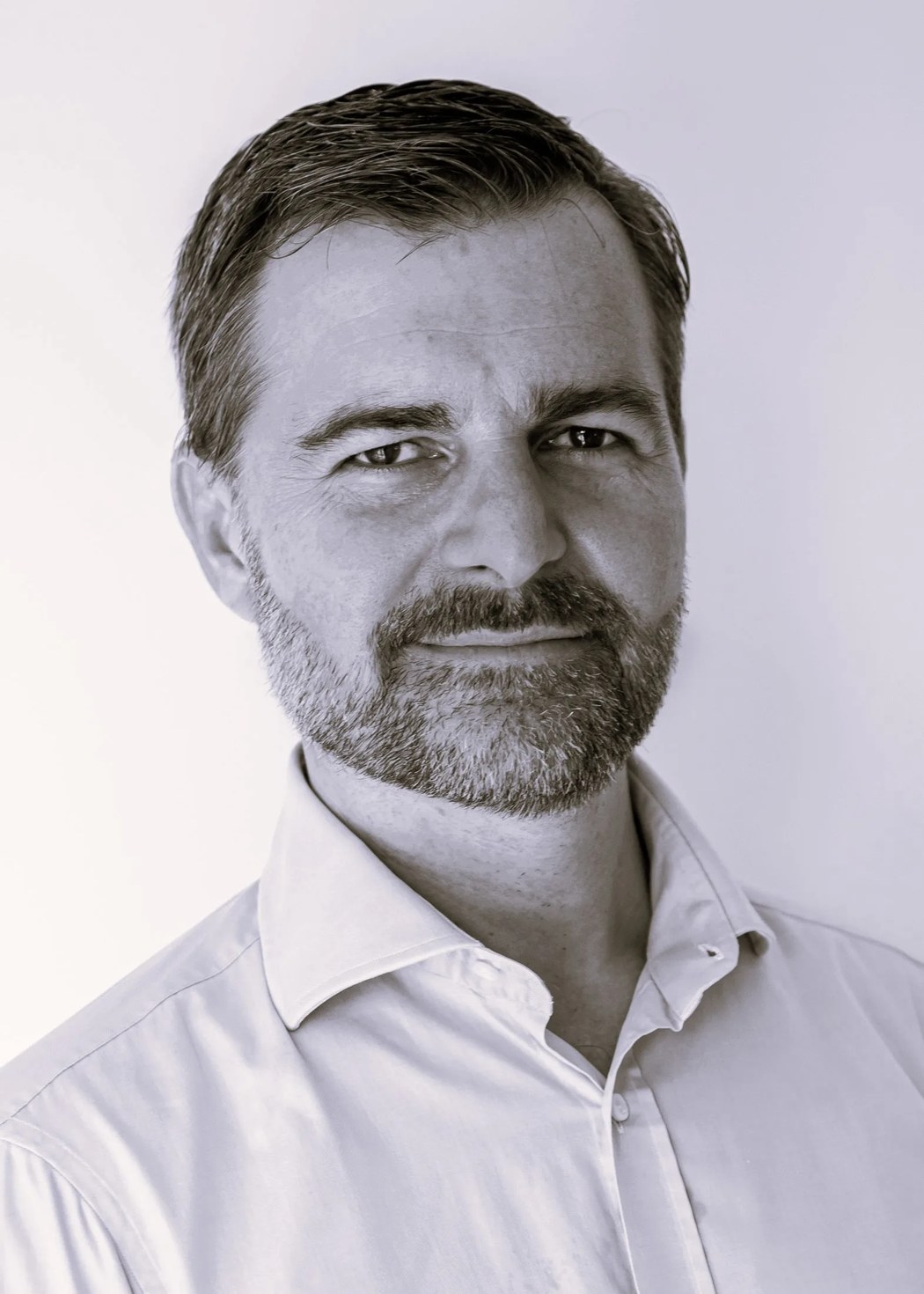
Richard Calleri and the price of proving the heat
After eleven years in investment banking, Richard Calleri moved into the business of understanding what lies underground. At Ignis H2 Energy, he is putting that experience to work on a geothermal portfolio where the next investment depends on the next piece of evidence.
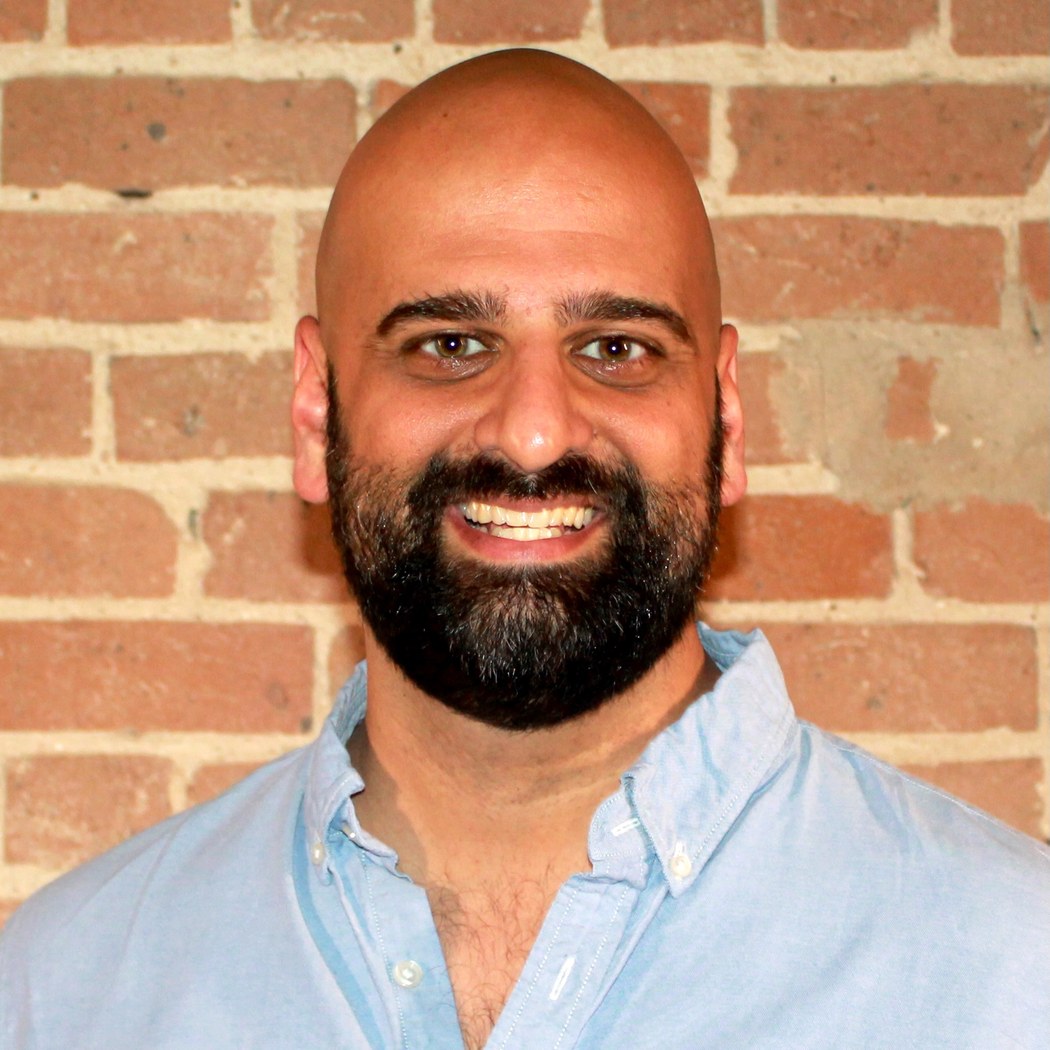
Sameer Soleja and the nine-year overnight success
He built a clever way to enter an energy trade. Customers wanted to know what happened next. Sameer Soleja’s answer became Molecule, a Houston software company built around the daily work of trading.
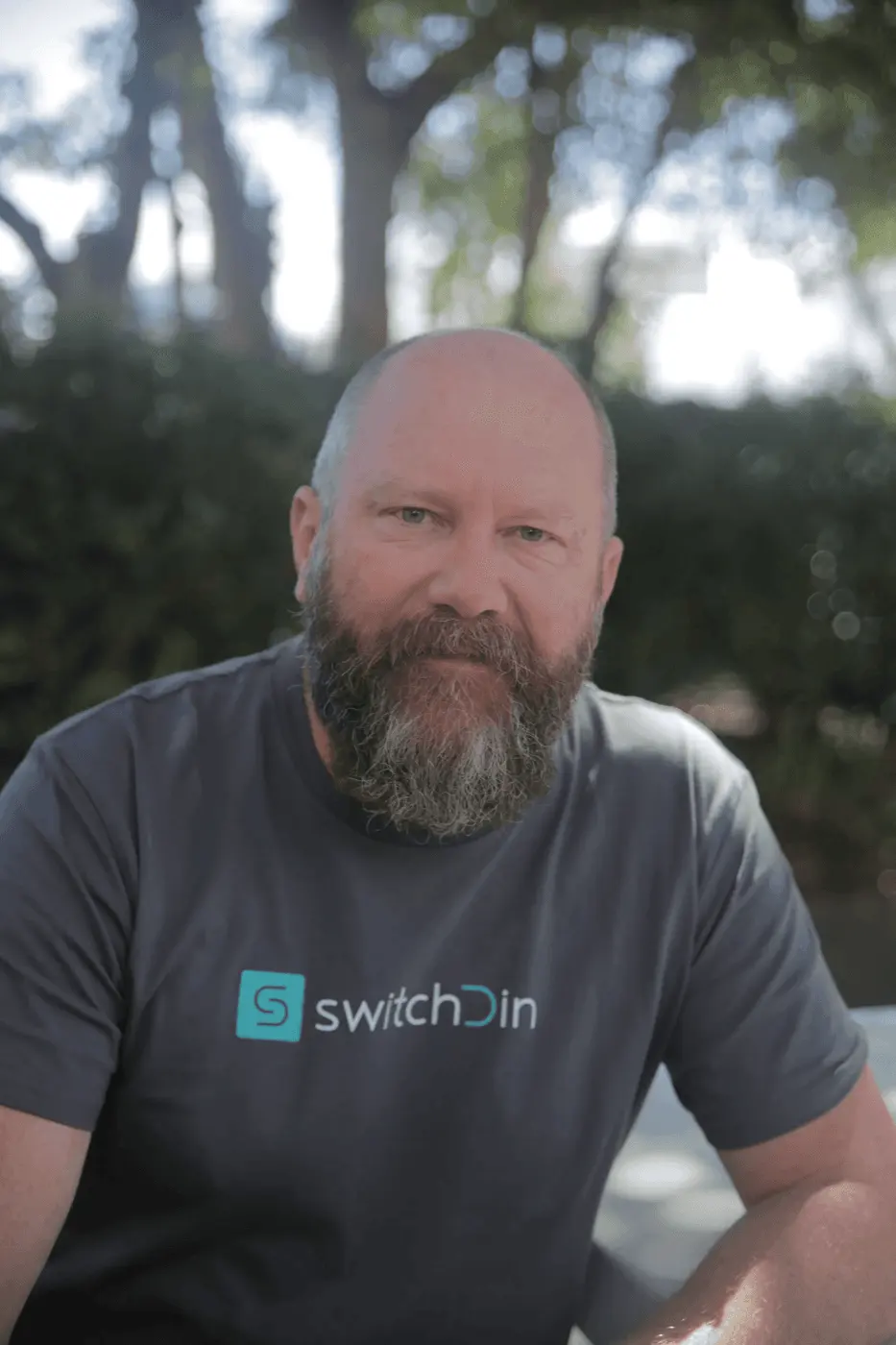
Andrew Mears and the power of a small connection
A SIM card in a remote solar system helped shape the idea behind SwitchDin. Andrew Mears’s route from BHP apprentice to energy founder has been a continuing search for ways to make useful technology work for people.

Mike Cannon-Brookes and the art of asking an expensive question
An unexpected fax showed two Sydney software founders that their business could travel. For Mike Cannon-Brookes, the questions have since grown to include coal plants, subsea cables and who gets to join the team.
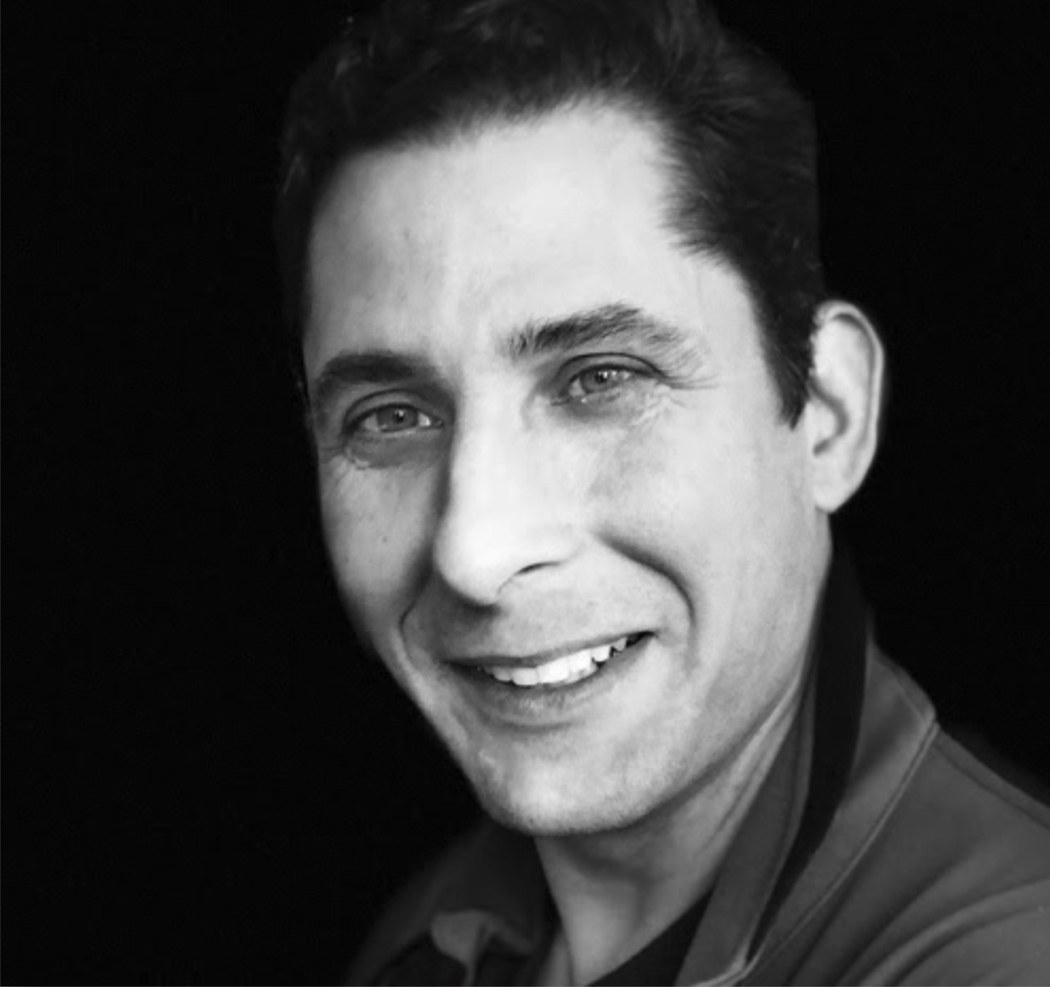
Will Greene and the paperwork between money and power
At Banyan Infrastructure, Will Greene set out to make clean energy easier to finance. His next chapter at CoreGrid Power follows the same question further down the line: what is keeping a project from getting built?

Jinsi Lee and the problem of the next mile
A failed solar venture brought Jinsi Lee back to the business of energy. At Oyika, he is working on a smaller, more portable proposition: batteries riders can swap, rather than own.
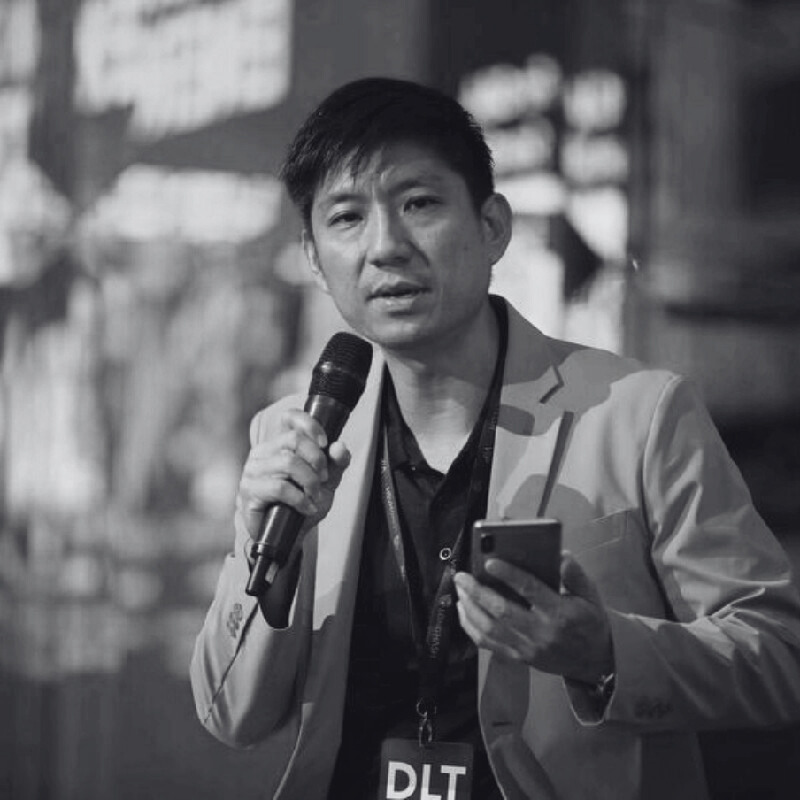
Jen Wee Kang and the roof you don’t own
After years selling solar equipment and panels, Jen Wee Kang founded REDEX to connect renewable generators with electricity buyers. His work keeps returning to a practical question: how can more people take part?
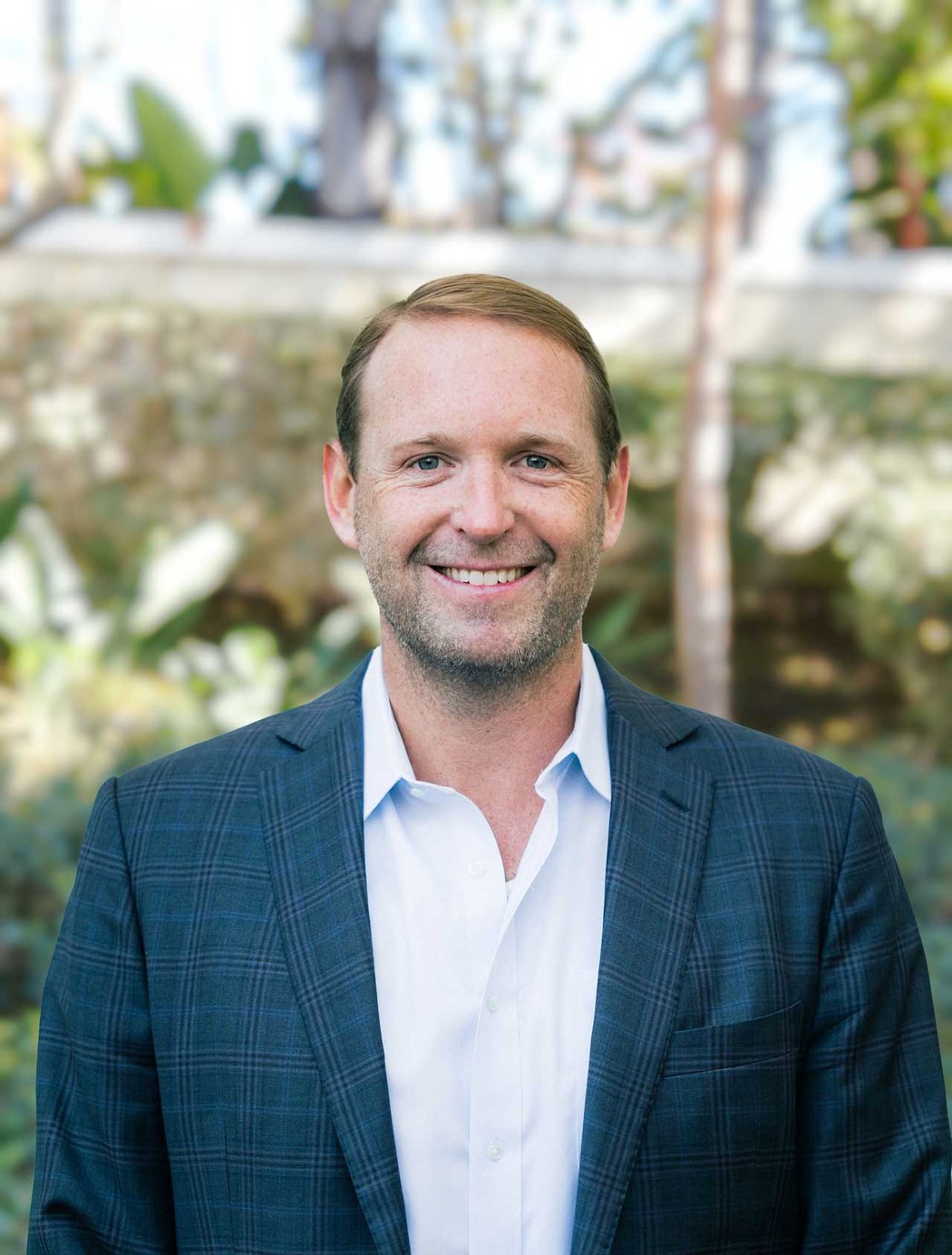
Nate Franklin and the art of getting power built
From a two-person office in Tokyo to a private power campus in West Texas, Nate Franklin has followed the places where electricity demand meets an opening. A $13 million swimming pool in Bakersfield brings the story home.

Neil Auerbach and the price of a bright idea
A tax lawyer became a clean energy investor before solar was an easy sell. Two decades later, Neil Auerbach is still working on the same problem: how to turn a promising technology into a business that lasts.
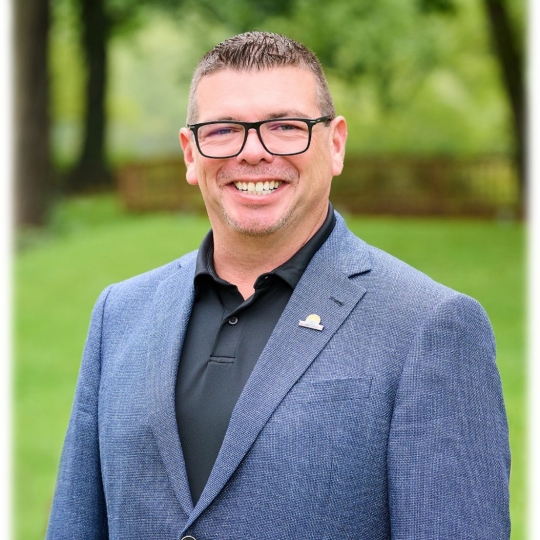
Matt Jamieson and the value of coming home
He returned to Six Nations to bring his children closer to their culture. His work since then has helped put the community on the ownership side of Ontario’s energy business.

Marco Monroy and the business of making less count
A Colombian lawyer went to Beijing to talk about climate change and found himself negotiating for Diego Maradona. His longer wager has been turning carbon reductions and energy savings into investments that can stand on their own.
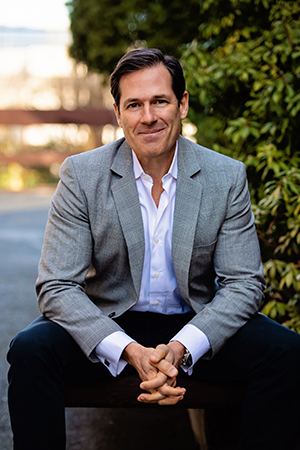
Fernando Alvarado and the missing piece of clean energy
A solar project can have sunshine, customers, and a willing bank - and still stall. From San José, Fernando Alvarado has built a career financing the gap between a promising plan and a working power plant.
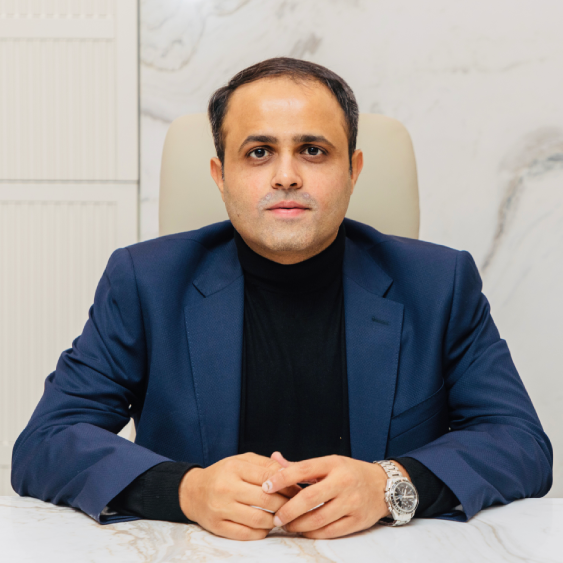
Manan Thakkar and the hours after sunset
From carbon consulting to solar parks, Manan Thakkar has helped build Prozeal around the energy needs of industry. His next challenge begins when the panels stop producing.
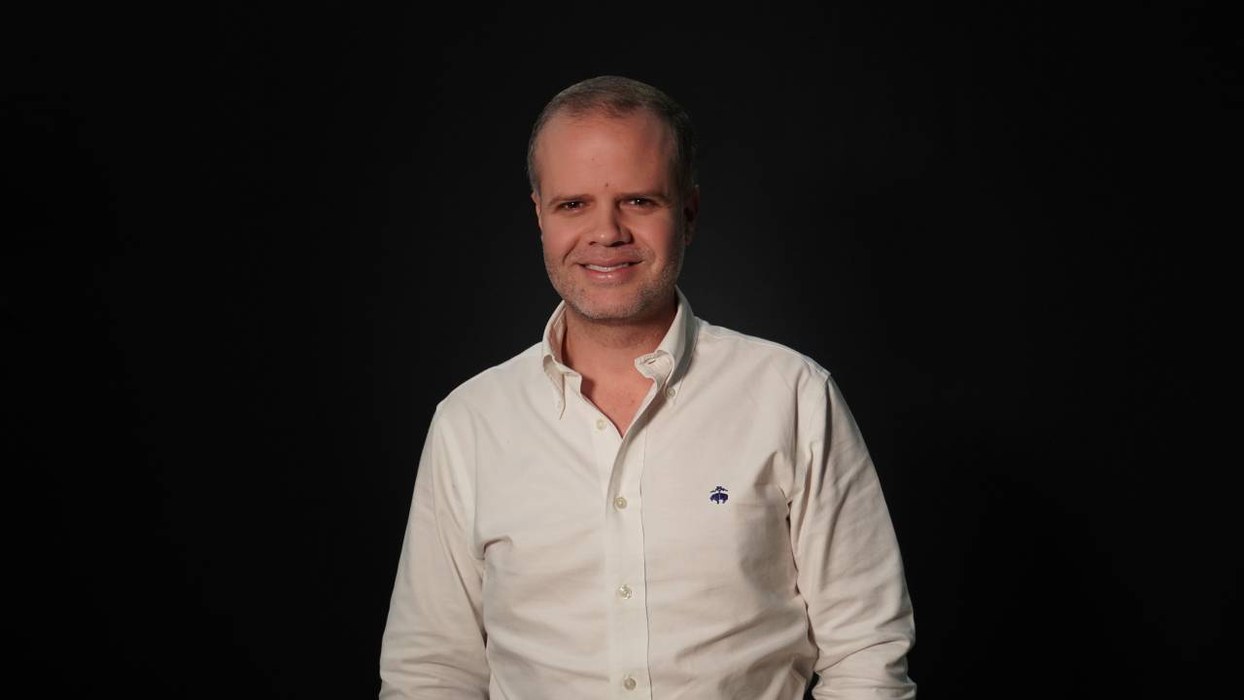
Juan Camilo López and the business of sunlight after dark
A solar venture born at EAFIT became a company that builds, owns, and sells energy. For Juan Camilo López, its next chapter depends on batteries, patient financing, and getting projects connected.

Jhon Cohen Learned to Read the Sun - Then Built Across Borders
A Colombian economist crossed industries, continents and corporate identities to turn sunlight into infrastructure. His career is a study in translation - between engineering and finance, ambition and proof, one country and the next.
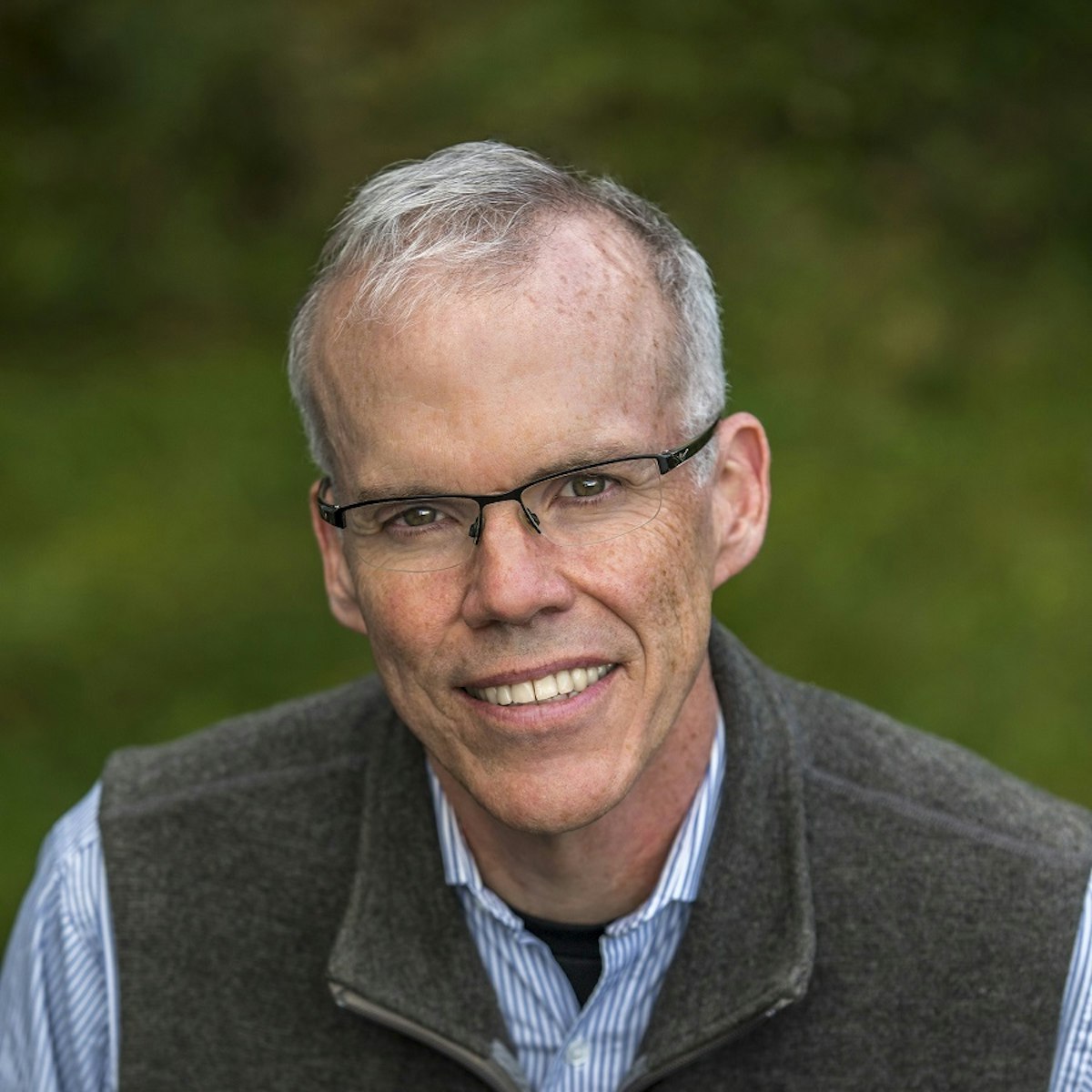
Bill McKibben Spent 37 Years Sounding the Alarm. Now He Wants to Show You the Sun.
The writer who gave climate change a vocabulary became an organizer when words were not enough. His latest argument is brighter, cheaper and sitting above us every day.
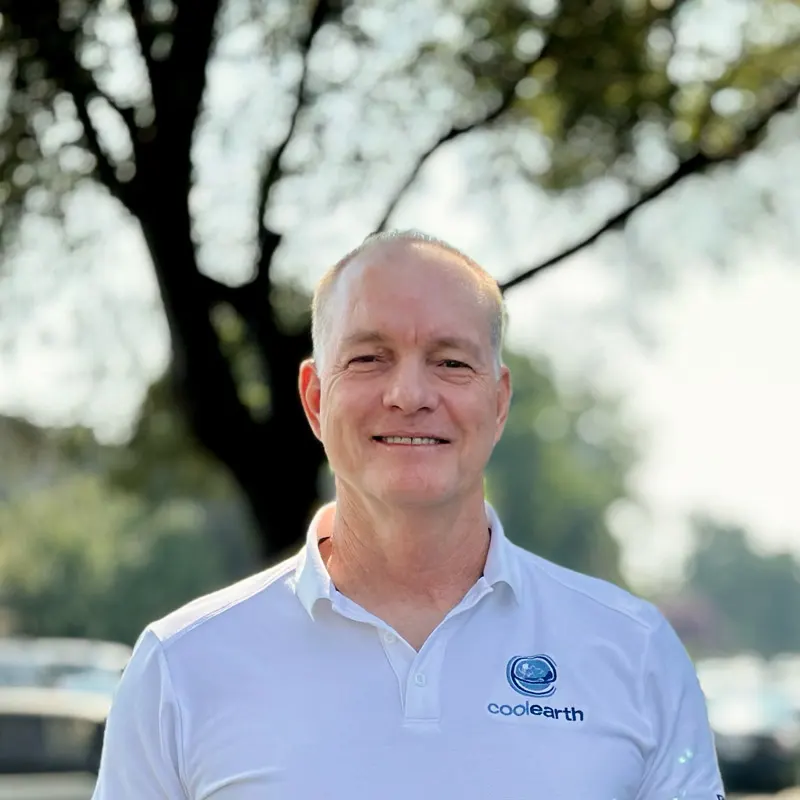
Rob Lamkin Put Solar in a Balloon. Then Came the Harder Work.
He spent decades learning how power plants get financed, built and operated. Then Rob Lamkin bet on inflatable solar collectors - and learned that durable persistence means knowing what to keep, what to stop and what to build next.
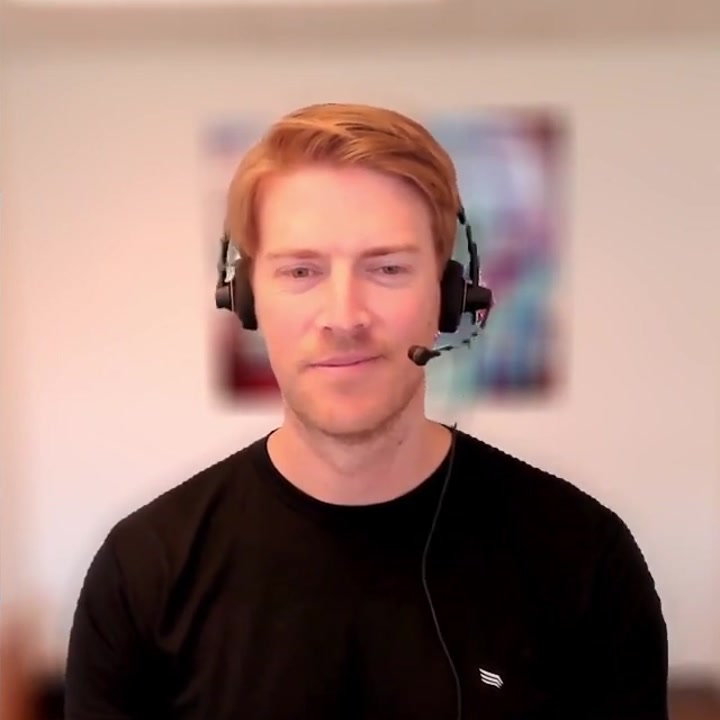
Kai Stephan Put Solar’s Most Overlooked Problem on the Roof
A childhood afloat, an MBA fund spent on a startup, and a waterproofing test involving a kiteboard: the Pegasus founder has built his career around the hardware nobody notices until it fails.