renewable-energy
(140)
The builder that stays.
Shikun & Binui builds roads, homes and water infrastructure. Its most revealing projects come with a second job: keeping them working for decades.

Fluence is buying the grid some time
A battery can move electricity from noon to night. Fluence is building the hardware, software, and service business around that simple trick - while learning how expensive a late delivery can be.

AXIA Energia: The power to start again
The former Eletrobras is learning to sell a different promise: renewable power, commercial choice, and a grid that can get back on its feet.
Duke Energy and the price of always on
A cannon once helped Duke Energy reconnect a flooded river. Today, its $103 billion investment plan faces a harder problem: keeping power dependable while deciding who pays for the next wave of demand.
WEC Energy Group and the price of keeping the lights on
A $37.5 billion construction plan puts this Midwest utility at the intersection of rising electricity demand, retiring coal plants, and a deceptively simple promise: power that shows up.

Consumers Energy has a tree problem.
Michigan’s energy transition runs through a surprisingly ordinary obstacle: branches near power lines. Consumers Energy is rebuilding the grid while discovering how hard it is to retire the old one.

First Solar took a different element.
Most solar manufacturers chose silicon. First Solar chose cadmium telluride - and built a business around controlling what happens between a sheet of glass and a working power plant.

Ameren wants you to notice nothing.
The Midwest utility is spending billions on a deceptively simple product: an ordinary day. The hard part is keeping the lights on without making the bill the bigger story.

Zeitview and the art of looking closer
Zeitview began by putting cameras in the sky. Its bigger business is helping the people who own power plants, roofs, and power lines decide what deserves fixing first.
Power Factors finds the missing megawatts
A renewable power plant can be running and still be leaving energy on the table. Power Factors connects the data, controls and people needed to find it.

Erco Energía learned to sell more than sunlight
The Medellín company went from installing panels to building plants, storing power and selling electricity. Its $129 million equity round backs a business built around the less glamorous parts of going solar.

Prozeal Green Energy: First, move the mud.
Solar panels are the visible part. Prozeal’s business lives in the roads, permissions, power lines and financing that make industrial clean energy possible.

United Green makes a business of the difficult bits
A family-controlled investor turns complicated markets into solar parks, food systems and joint ventures. Its Kazakhstan projects show why the financing can matter as much as the technology.

enSights puts a price on solar's quiet failures
A solar farm can look busy while its business quietly loses money. enSights connects equipment data, repair work, and financial performance so operators can see what a fault actually costs.
Northern Electric & Power and the price of going back on the roof
Solar panels get the photograph. Northern Electric & Power makes the equipment underneath them - and argues that the real bargain is a system that takes less work to install, monitor and repair.

PVComplete turns a solar sketch into something you can build
A solar proposal is easy to admire and harder to construct. PVComplete connects the browser sketch to the engineering drawing - and its new owner wants to connect that drawing to the working power plant.

Customized Energy Solutions makes the complicated part of electricity pay
A battery can store electricity. Getting paid for it is another profession. Customized Energy Solutions has built a business around the rules, software, and round-the-clock work that connect the two.
PCI Energy Solutions finds the money hiding in the power bill
A $1.2 million billing recovery reveals the appeal of PCI Energy Solutions: software that connects the power plant, the trading desk and the final invoice. Its next chapter is a $1.4 billion acquisition agreement with Mitsubishi Electric.
Stem and the Art of Selling Less
The clean energy company made its name helping batteries choose their moment. Its own turning point came when it decided that selling more batteries was the wrong ambition.
Ayr Energy and the Price of Waiting
The power grid has a waiting-list problem. Ayr Energy is betting that familiar transformers, a different manufacturing model and a shorter calendar can win a very expensive argument.

The Company That Bought the Drill
For 26 years, ThermaSource sold geothermal know-how. Then rigs became scarce, and advice was no longer enough. The company bought the machinery, hired the crews and learned how expensive a hole in the earth can be.

The Most Expensive Hour in Clean Energy
A wind farm can have free fuel and still lose a fortune at the wrong hour. Resurety built the instruments to see that risk, then a regulated market to trade it.

The Company That Taught a Power Plant to Behave Like a Crowd
Encored began by showing households where the electricity went. Now its software helps more than a thousand renewable generators forecast, trade, and settle power as though they were one.
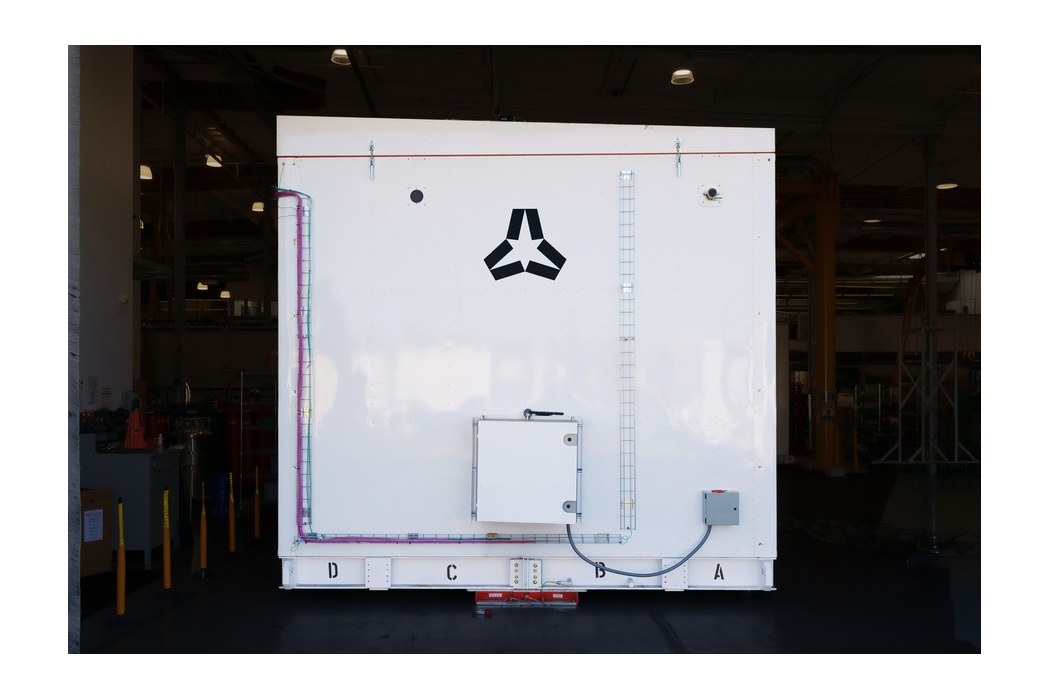
The Battery That Sells Steam
Antora Energy packed a South Dakota field with more than 200 boxes of hot carbon. The surprise is not the heat. It is the contract, the utility rate, and the factory that made continuous industrial energy possible.

Davies and the business of getting to yes
A copper mine, a room full of supporters, and a lesson in what persuasion can actually accomplish. Inside the public affairs firm that organizes the people behind the permit.
The ocean has plenty of ideas. TOOL wants them to meet.
It began on an old Oslo ferry. Today, The Ocean Opportunity Lab connects ocean and clean-energy innovators with the people, practical resources and visibility that a promising idea cannot supply itself.

The Company That Hears a Wind Turbine Break Before It Does
ONYX Insight built a business around an expensive sound: the faint mechanical warning that arrives months before a wind turbine stops. Its sensors, software and engineers now watch more than 32,000 machines - and turn vibration into a maintenance plan.
Enverus Built a $6 Billion-Plus Data Machine for Energy Decisions Nobody Can Afford to Guess
A database built by oil-patch insiders became the operating intelligence behind wells, grids, invoices and billion-dollar bets. The clever part is not the dashboard - it is the network underneath it.

The Tiny Box That Lets Solar Installers Refuse the Walled Garden
Tigo Energy spent nearly two decades making a small, unglamorous box beneath the solar panel unusually consequential. Its wager: installers will pay for safety and intelligence without surrendering the freedom to mix brands.
StormFisher Bought a $1.5 Billion Clean-Fuel Headache for $17.5 Million - Now It Has to Make the Math Work
A Canadian project developer picked up a stranded Quebec fuel complex at a steep discount, scrapped its original process and bet on e-methanol. The clever part is reuse; the hard part is turning cheap infrastructure into bankable fuel.