The road disappeared first. At the start of a solar project for Bosch in Maharashtra, heavy rain closed the incoming roads and turned the site marshy. Prozeal Green Energy’s account says the team brought in tractors to reach it. Before anyone could harvest sunlight, someone had to negotiate mud.
The project also required a 132 kV transmission line, approvals from offices in different locations, and rights of way across land. A neat row of panels tells you remarkably little about how the electricity arrived. The interesting company is often the one that makes the untidy parts fit.
- The work: complete renewable projects for factories, businesses and government customers.
- The shift: build plants for clients, then own plants that sell them electricity.
- The catch: permissions and cash collection can matter as much as generating capacity.
01 / THE INVISIBLE WORKSelling the whole problem
Co-founders Shobit Rai and Manan Thakkar built an engineering business around industrial energy. The legal company was incorporated in 2013; CRISIL traces its partnership roots to 2011. Its published history marks rooftop solar EPC in 2015 and a ground-mounted commissioning milestone in 2021.
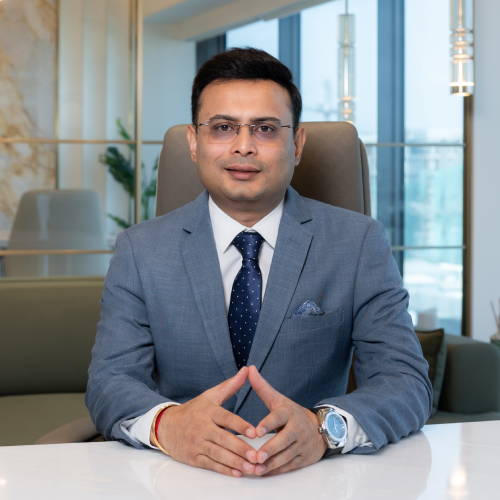
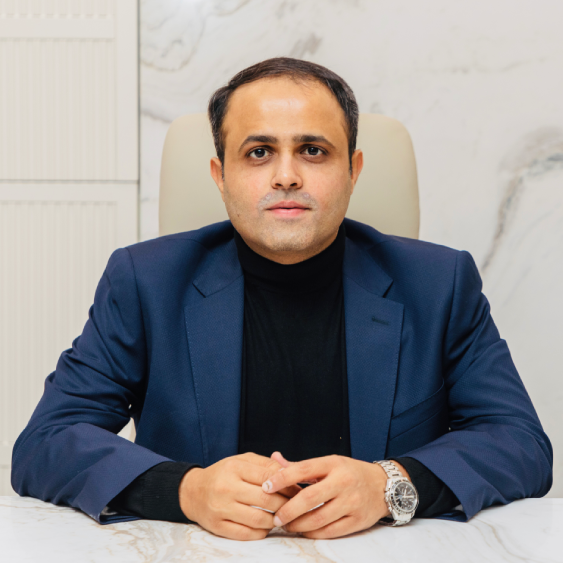
EPC means engineering, procurement and construction. For a customer, it can mean fewer separate problems to coordinate. Prozeal handles project analysis, design, equipment sourcing, construction and commissioning. Its solar-park approach puts land and infrastructure into a prepared setting, allowing industrial customers to join a developed site rather than assemble every piece themselves.
The customers explain the positioning. Bosch, GHCL and ArcelorMittal need electricity for businesses whose principal expertise lies elsewhere. Prozeal’s Kurnool solar work supports an ArcelorMittal facility at Hazira through the central grid. The useful product is a functioning supply arrangement, complete with the distance and paperwork that arrangement entails.
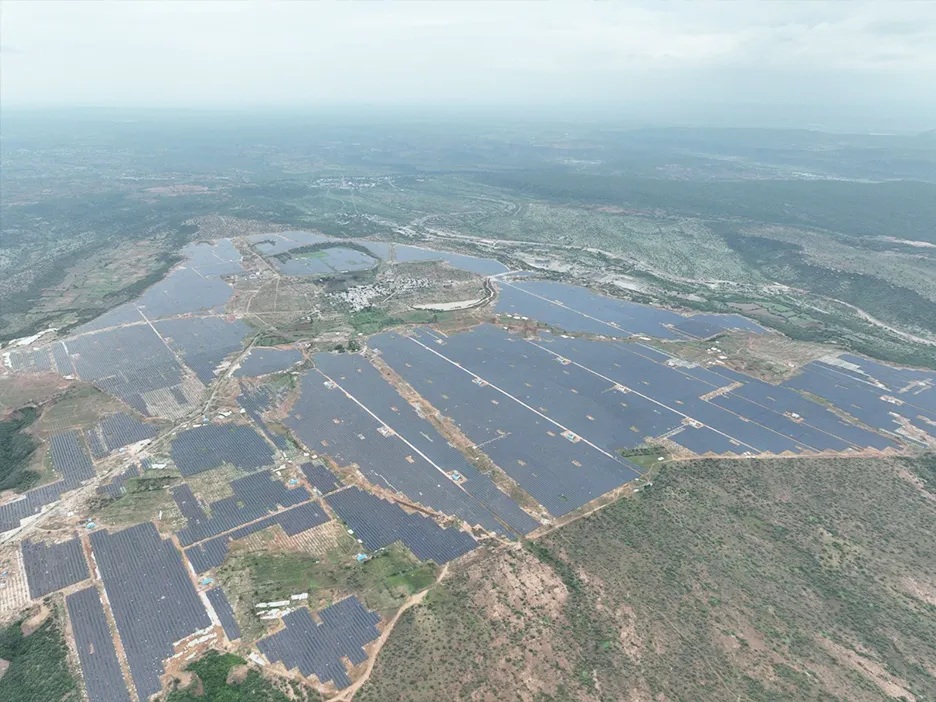
This puts Prozeal among established EPC alternatives such as Sterling and Wilson, Tata Power Solar and Waaree Renewable Technologies. Its claim to difference is the combination of project development, solar parks and execution for industrial buyers. Those capabilities are best judged through delivery records and contract terms.
02 / THE LONG CONTRACTFrom building the plant to owning it
In 2024, Prozeal entered the independent power producer business. A contractor gets paid for delivering a project. A power producer owns an asset and gets paid for its electricity. Construction skill transfers; the financial obligations expand.
Consider its ACG-linked venture. CARE Ratings describes a ₹29.10 crore solar project at Akola, with ACG Associated Capsules holding 26% and a Prozeal subsidiary holding 74%. ACG agreed to buy power for 25 years at ₹3.15 per kilowatt-hour. The plant began commercial operations in November 2024.
A long contract gives the asset a customer. It also leaves weather, equipment performance and financing to manage. CARE’s June 2025 assessment noted that long-term transmission access approval was still pending. Even an operating plant needs continuing permission to deliver its product.
03 / GROWTH NEEDS CASHThe cost of getting bigger
Alchemie Ventures, the family office of Aarti founder Chandrakant Gogri, backed Prozeal with a $4 million Series A announced in April 2023. The company said the money would expand operations and support developer-model projects. Ownership was already part of the direction of travel.
The proposed ₹700 crore IPO took that financing question further. Draft papers split the offer into ₹350 crore of new shares and ₹350 crore sold by existing holders. Company proceeds were intended partly for working capital and subsidiaries. Only the fresh issuance would put new money into the business.
By July 2026, CRISIL estimated FY2026 operating income at ₹1,401.22 crore, up 34%. Yet operating margin had fallen to 7.48%, and receivables had stretched to 168 days from 103. Its outlook had moved from Positive to Stable in June. The assessment cited competition, material costs and capital tied up in power ventures.
04 / MORE THAN PANELSThe next bottleneck has a switch
The expansion is tangible. In June 2026, Prozeal announced an approximately ₹2,000 crore ONGC award for 250 MW of captive wind projects. In Nepal, its 2024 Golyan joint venture divided responsibilities: Prozeal leads EPC; Golyan handles business development, land and financing.
Its advertised services also include batteries, EV charging infrastructure and green hydrogen. Rai’s May 2026 EPC World interview put wind-solar hybrids first in near-term commercial opportunity, storage second and hydrogen third. That ordering matters: an attractive technology and an immediately financeable project are different questions.
Storage makes the engineering more intimate. In a published interview, Rai argues that battery degradation, warranties and control behaviour deserve more attention than the purchase price. A factory’s short demand spikes and a battery’s operating limits must be designed together. Otherwise, the spreadsheet can promise performance the equipment cannot sustain.
05 / A USEFUL HABITCopy the sequence, not the slogan
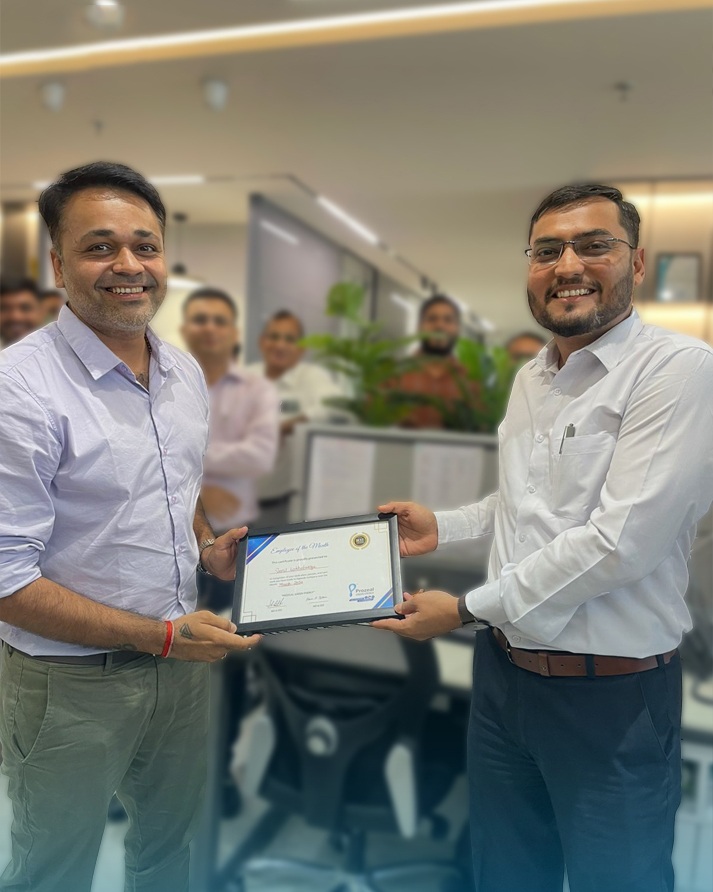
Rai told StartupTalky that Prozeal now verifies grid readiness before committing to construction timelines. He also described holding more critical inventory and favouring domestic sourcing after freight disruptions. These are practical changes to the order of decisions.
“Grid delays are silent and devastating.”
SHOBIT RAI / STARTUPTALKY / JUNE 2026
An industrial buyer can copy the habit: establish the load, connection date, approvals and payment obligations before comparing the panel quote. Solar needs suitable sites and usable grid access; storage needs an operating case that justifies its cost. Prozeal’s story starts in the mud because that is where a promised power supply first meets reality.