A power station needs electricity to make electricity. Pumps, controls, communications: before a turbine can help anyone else, the plant must get itself going. Now imagine the surrounding grid has gone dark. On October 20, 2026, AXIA Energia reported completing annual tests of precisely this predicament at four northeastern Brazilian hydroelectric plants. The exercise has an admirably blunt name: black start.
- Eletrobras became AXIA after privatization, restructuring, and thermal-asset sales.
- Its business connects renewable generation, transmission infrastructure, and electricity buyers.
- The next chapter depends on customer contracts and dependable engineering.
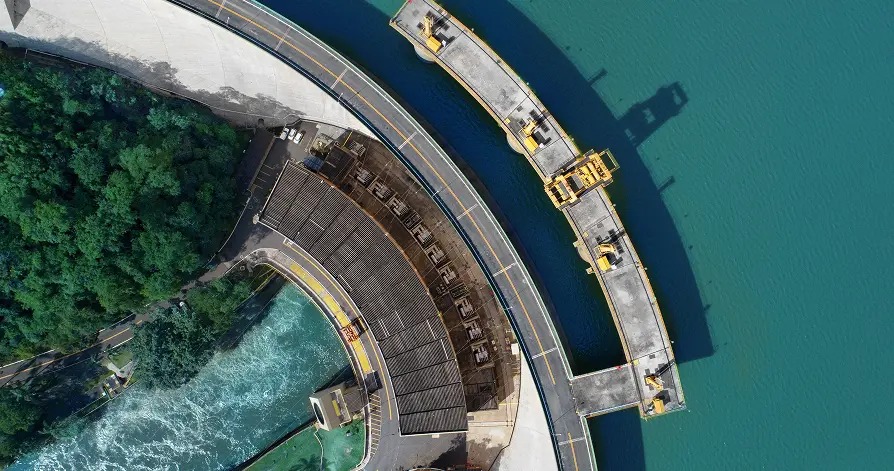
Xingó, Paulo Afonso IV, Luiz Gonzaga, and Sobradinho rehearsed starting without outside power, following the national system operator’s protocols. They checked equipment, communication, and teams. This was preparation for an emergency. It is also a useful introduction to AXIA: an enterprise selling a new commercial proposition while maintaining infrastructure that must work under decidedly inconvenient conditions.
The transaction came before the name
The story begins long before the new lettering. Proposed under President Getúlio Vargas in 1954, authorized in 1961, and established in 1962, Eletrobras helped build Brazil’s electricity system. Its institutional founder was the federal government. Treating AXIA as a startup founded by its present chief executive, Ivan Monteiro, would miss the point.
The decisive ownership change arrived in June 2022. A public capitalization diluted the government’s stake, turning the state-controlled company into a corporation without a defined controlling shareholder. The 2022 annual report puts funds raised at R$33.69 billion. Separately, it records a R$26.6 billion concession-grant bonus paid that July. Changing the commercial rules around existing dams carried a substantial bill.
Then came the less photogenic work. Furnas was incorporated in July 2024. Thermal-asset sales were completed in October 2025. That month, the group announced the AXIA brand. The sequence matters: ownership, operating structure, and portfolio changed before the new name could credibly describe a different business.
and privatization
incorporation
thermal exit
The transition also had a stubborn clock of its own. In an August 2026 interview with Agência iNFRA, Monteiro discussed legacy contracts that continued for years after privatization and the integration of four regional companies. An ownership transaction can close on schedule while the old operating arrangements persist. A new shareholder register cannot accelerate every contract’s expiry date.
Now meet the customer
AXIA makes electricity, transports it across high-voltage networks, and sells it. These activities have different economics. Generation earns through electricity contracts and market sales. Transmission earns regulated revenue for making infrastructure available. A factory negotiating supply is buying a different service from the system using a transmission concession, even when both businesses sit inside the same group.
At the end of 2025, AXIA reported 875 commercial clients, including 780 in the free energy market. Its audience includes distribution utilities, traders, and business buyers. For eligible companies, it offers negotiated renewable-electricity supply and help moving into that market. The practical appeal is choice over a major operating expense, with contracts shaped around the customer’s requirements.
“a gente ama o cliente”
Ivan Monteiro, speaking to NeoFeed, January 2026.
In English: “we love the customer.”
That small sentence carries a considerable managerial assignment. Customers need a proposition they can compare. AXIA’s environmental offerings add another conversation: emissions measurement through METRIA, renewable-energy certificates, and carbon credits. Event partnerships include Rock in Rio and SP2B. These tools address different accounting and operating questions; buying a certificate or offset is different from physically reducing an operation’s emissions.
Competition depends on the purchase. ENGIE Brasil Energia overlaps in generation, commercialization, and transmission. TAESA offers a comparison in transmission, rather than a replacement supply contract for a factory. AXIA’s distinction is the combination of generating assets, a substantial network, and decades of engineering experience. The company reported 43.8 GW of capacity and 74,800 kilometres of transmission lines at year-end 2025.
Different denominators. These shares describe separate parts of the electricity system.
The price of making it work
Scale comes with construction obligations. In August 2026, AXIA described R$8.7 billion of planned transmission projects through 2030: another 2,320 kilometres across 12 states. Project implementation periods run from 42 to 60 months. These are planned investments and delivery windows. A line promised for the future cannot carry today’s surplus electricity.
The renewable claim needs equal precision. AXIA reported a fully renewable generation portfolio at year-end 2025 after disposing of thermal assets; renewables supplied 98.4% of generation across the whole year. The figures describe different periods. Hydroelectric production still depends on water, and operating restrictions, weather, and regulation remain business risks.
A buyer can copy the discipline of asking what a number actually measures. Compare the proposed contract against the business’s consumption pattern, duration, and obligations. A negotiated energy price cannot, by itself, remove local network failures. The useful question is whether the whole arrangement fits the operation.
Small experiments, very large consequences
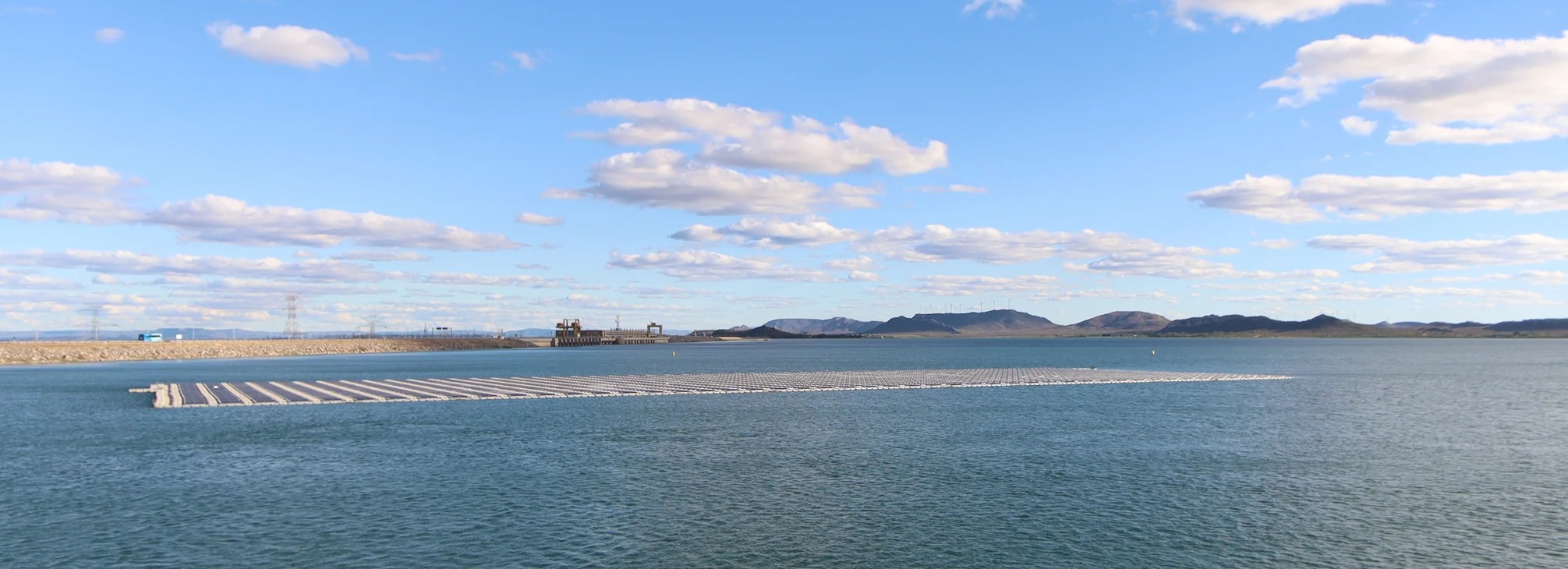
AXIA’s research offers a more tactile glimpse of its direction. At Casa Nova, a hybrid plant combines solar, wind, batteries, and a data center to study generation, storage, and consumption together. At Sobradinho, floating solar is paired with batteries and monitoring sensors. These are experiments in coordinating energy, rather than simply adding another source.
Meanwhile, remote drone inspections began at substations in Jacarepaguá and Foz do Iguaçu. The program has R$28 million in planned investment and an intended extension to another 150 assets over four years. Thermal cameras, automated bases, and trained remote operators are meant to reduce exposure to hazards and improve maintenance decisions. AXIA secured authorization to train six operators for flights beyond visual line of sight.
There is a transferable sequence here: choose a specific operating problem, test the equipment in a real setting, prepare the people, then expand. AXIA’s new name suggests value and an axis. Its more persuasive introduction remains those four hydro plants, rehearsing the moment when the surrounding system needs them to begin again.
Visit. Watch. Investigate.
Interviews in Portuguese.