supply-chain
(324)
Shaily Garg and the Distance Between an Order and a Promise
Raised around a family quartz business, Shaily Garg helped build GlobalFair into a cross-border supplier for U.S. construction. Her route from factory floors to Walmart runs through customer visits, a wedding-eve funding close, and the work of getting things where they belong.
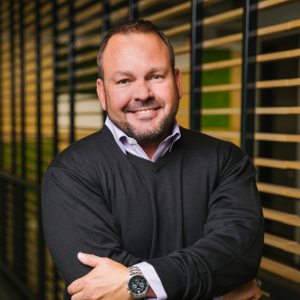
Brent Yeagy and the job he had 24 hours to accept
He planned to pass through Wabash on his way to somewhere else. A move into manufacturing changed Brent Yeagy’s career - and gave the future CEO a different way to think about the trailer behind the truck.
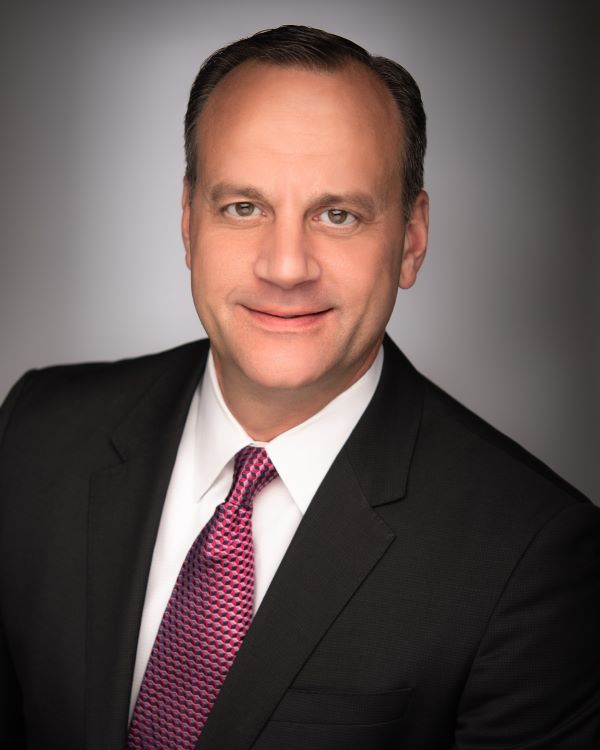
Ric Phillips and the value of a second conversation
From consulting to the factory floor, Ric Phillips has made a career of learning unfamiliar businesses. At Kimball Electronics, the next chapter starts with the people already in the room.
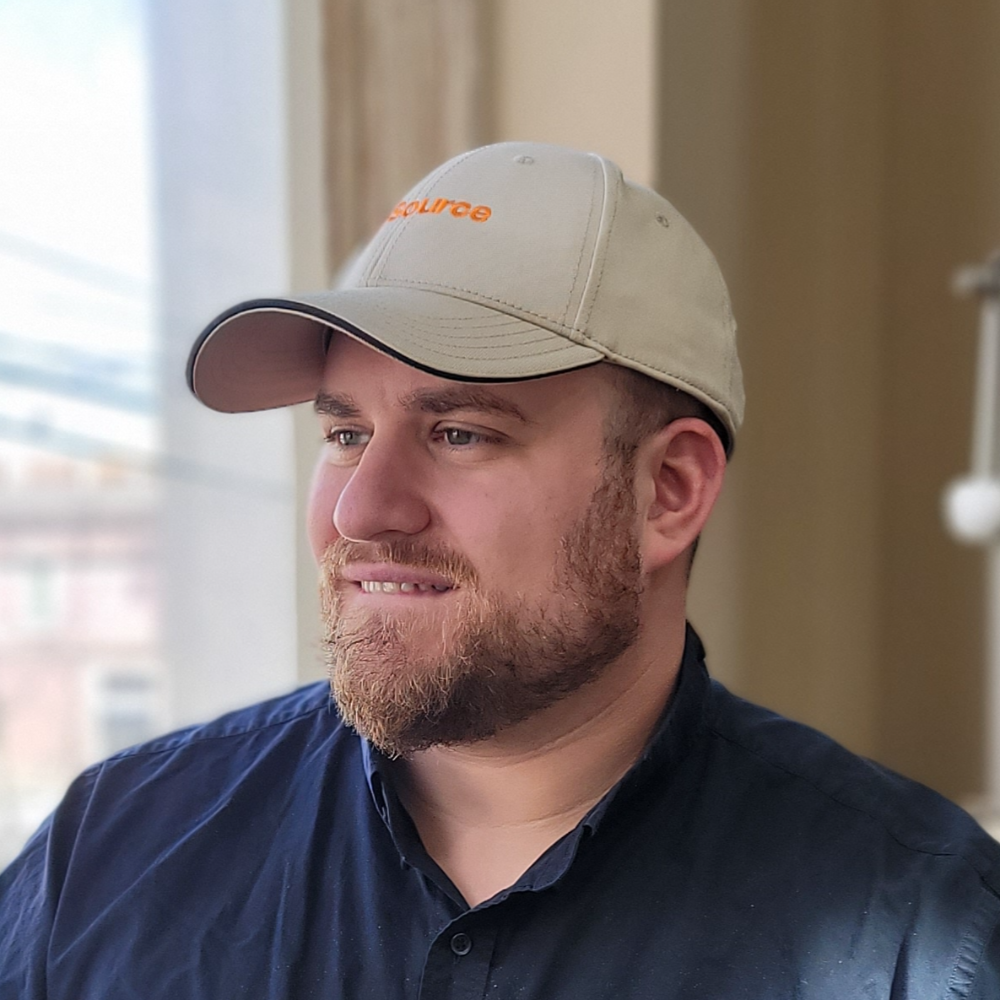
Spencer Penn and the car that arrived with an attachment
Helping launch Tesla’s Model 3 left Spencer Penn with a lasting question about the way manufacturers buy parts. At LightSource, he is building a business around the work hidden inside the inbox.

Anirudh Reddy and the Art of Getting There Sooner
From electric-vehicle batteries to grid equipment, Anirudh Reddy has built a career around getting complicated things made. At Ayr Energy, his wager is that the electricity business can learn a few lessons from the assembly line.
James Drexinger and the value of a familiar name
At American Construction Source, James Drexinger helped assemble a national business from local lumberyards. At Associated Materials, his next chapter has involved new investment, separate business leaders and a different kind of building work.
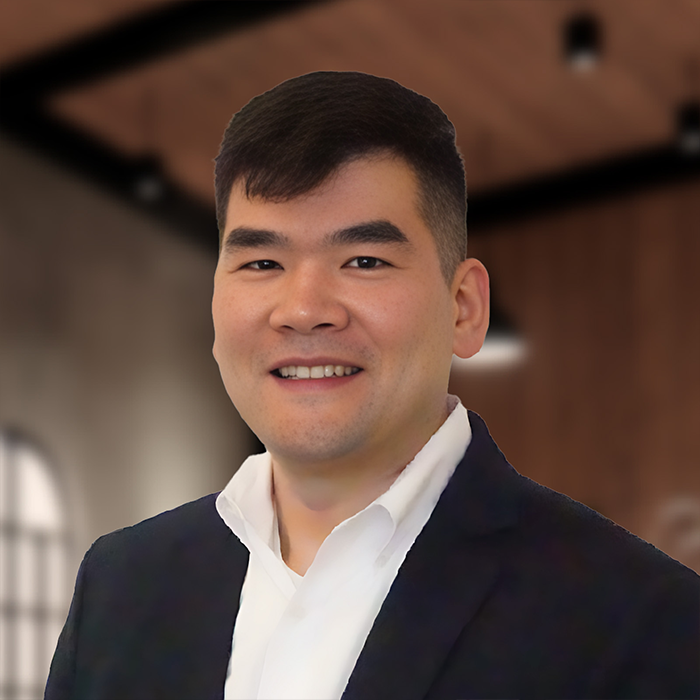
Felix Lin and the distance between a menu and a meal
Before he led HF Foods, Felix Lin worked through the machinery of a school-bus company. Now his job is to connect specialty ingredients, independent restaurants, and a distribution business stretching into Canada.

Sanjay Sharma and the Trouble Beyond the Warehouse Door
He built a business around knowing where things were. With Roambee now called Decklar, Sanjay Sharma is pursuing the harder question: what should happen next?
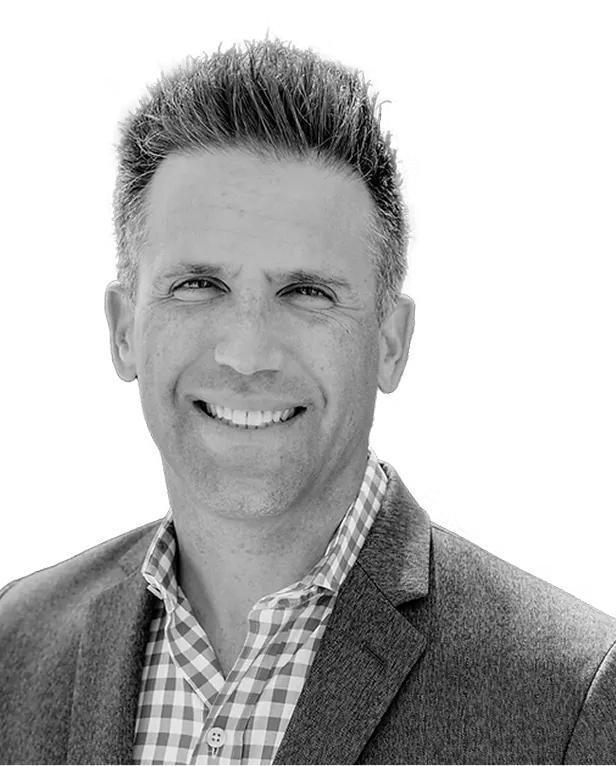
Tim Krug and the Trouble With One More Answer
His team tried AI to find a new company name, then hired people to finish the job. At Daybreak, Tim Krug is working on the larger question that episode exposed: who should own a decision?
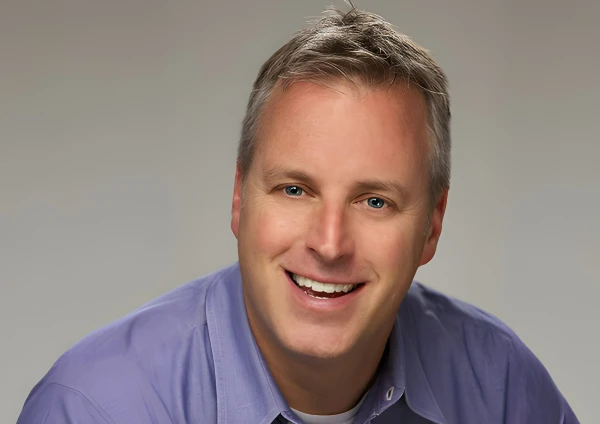
Glenn Trout and the business hiding in the paperwork
After the dot-com crash, Glenn Trout built a business around documents people still needed. His path from MSDSonline to VelocityEHS and Source Intelligence follows a stubbornly practical idea: make complicated information easier to use.
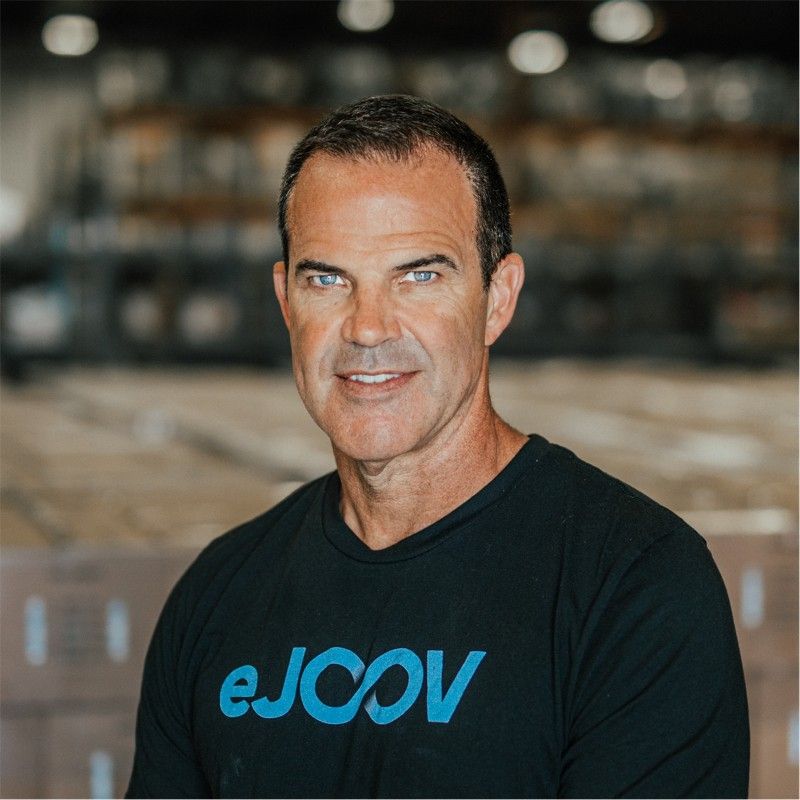
Eric Williams and the Business Hidden in a Missing Tag
Before co-founding eJOOV, Eric Williams spent two decades in operations and distribution. His next opportunity arrived with the merchandise customers sent back.
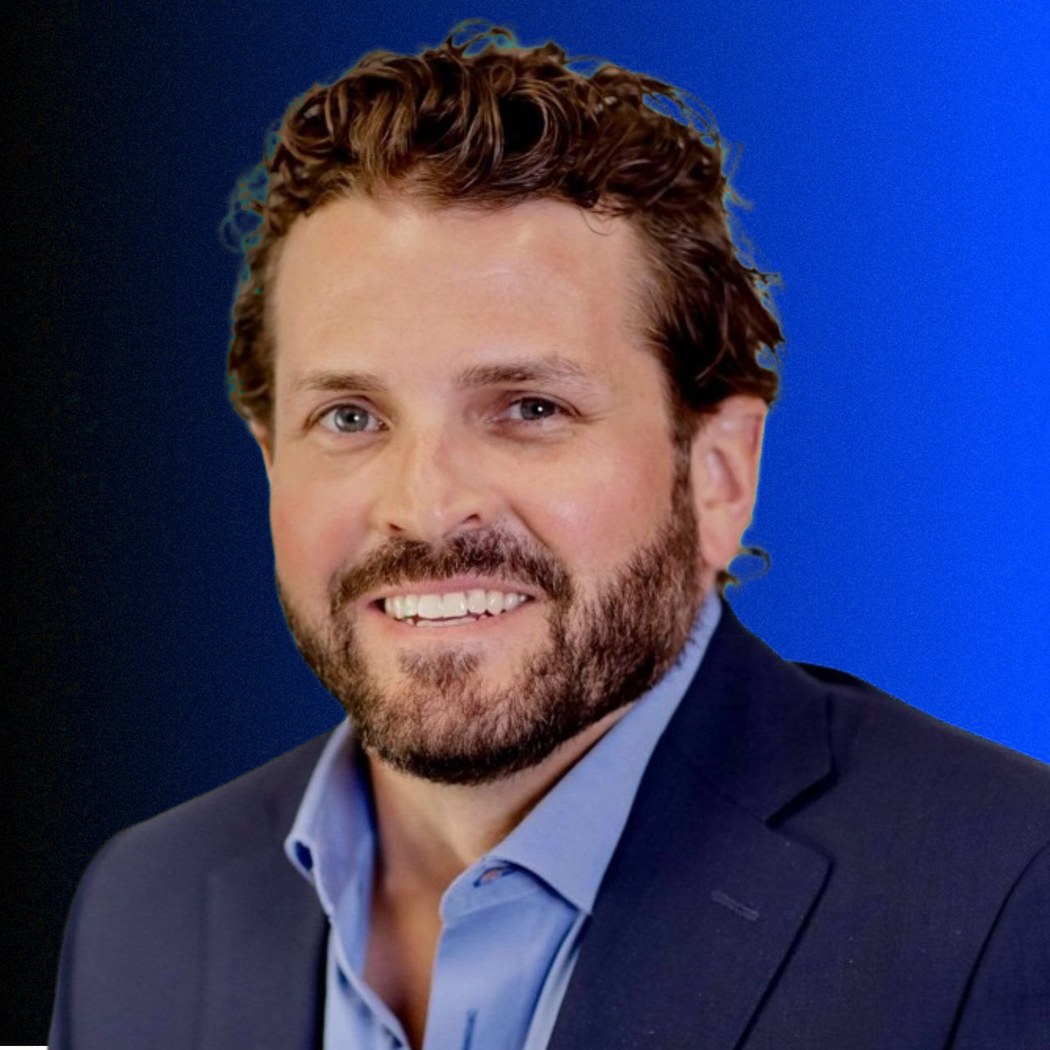
Tom Kieley and the five-cent lesson
A missing packing part could stop a factory. Tom Kieley carried that lesson into SourceDay, then learned that building a company also meant knowing when to hand it over.
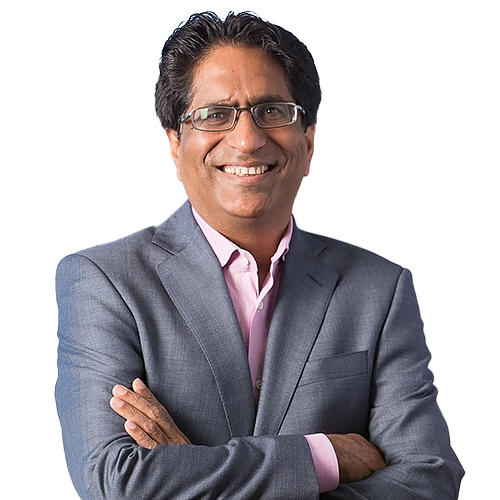
Subhash Makhija and the Art of Being Too Early
He co-founded GEP to bring procurement onto the internet. The customers needed more than software - and that awkward discovery helped shape the company he still leads.
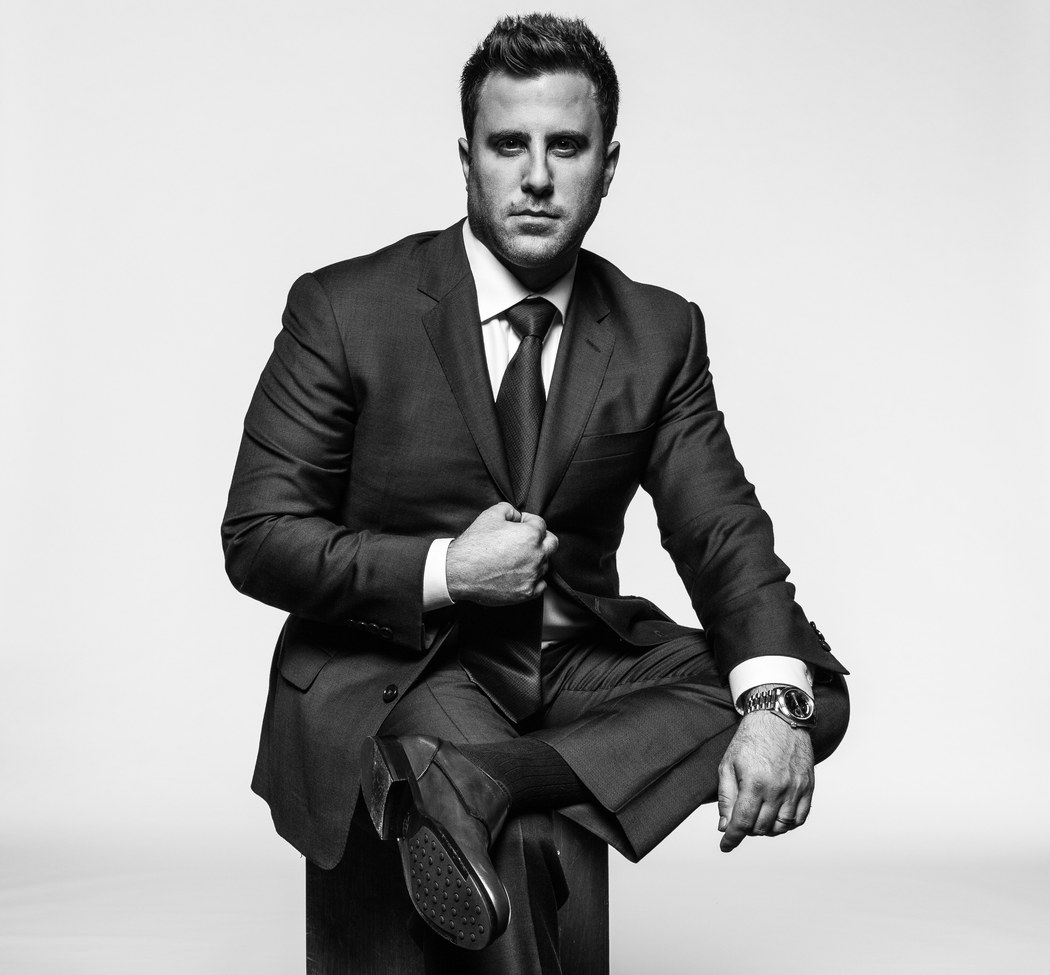
Todd Leebow read the last page first
He left Cleveland to make movies, then came home to the family steel business. Todd Leebow has spent the years since finding new uses for an old inheritance - in software, steel art and restaurants.
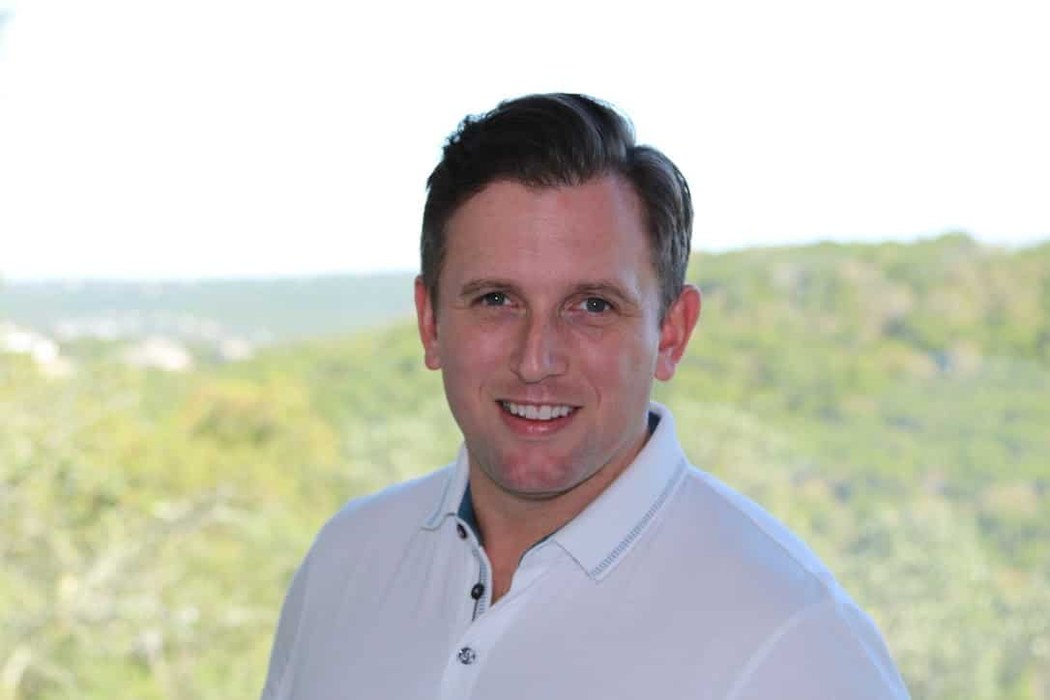
Greg Price and the trouble with knowing where everything is
At McKinsey, Greg Price saw companies with money, talent and surprisingly little idea where their freight was. Ten years into Shipwell, he is still working on what happens between knowing about a problem and getting it fixed.
Shane O’Kelly and the distance between a part and a promise
A used Toyota helped make him a car enthusiast. Army command and a career in distribution taught him about delivery. At Advance Auto Parts, Shane O’Kelly is trying to bring those lessons to the counter.
Craig Barnett and the art of leaving a good company
After four decades in apparel, Craig Barnett retired from PVH Australia and New Zealand in May 2026. His career connects the factory floor, the global brand business and an unusually warm idea of what colleagues owe one another.
David Flitman and the distance between dinner and the loading dock
From chemical plants to lumber yards to restaurant kitchens, David Flitman has kept returning to the same problem: getting the right things to the right place. At US Foods, that problem comes with 30,000 colleagues and very little room for a late truck.
John Brase and the business of earning your place
After three decades at P&G and six years at Smucker, John Brase took the top job at Conagra. His advice to business students offers a useful way to read the career: leadership has to be earned.
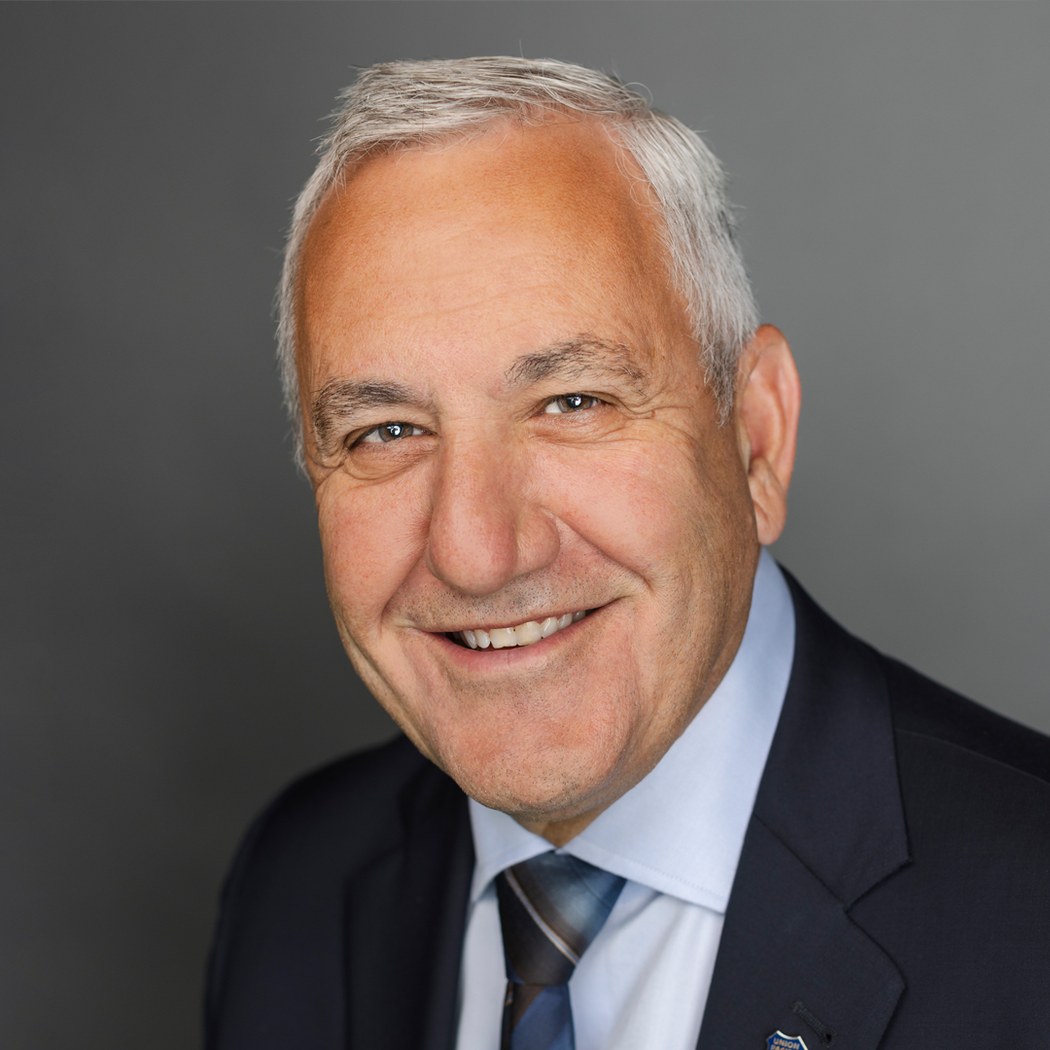
Jim Vena and the trouble with standing still
He started as a brakeman in Jasper and worked his way into the executive suite. Now Union Pacific’s CEO is betting that the future of freight depends on getting past the handoff.
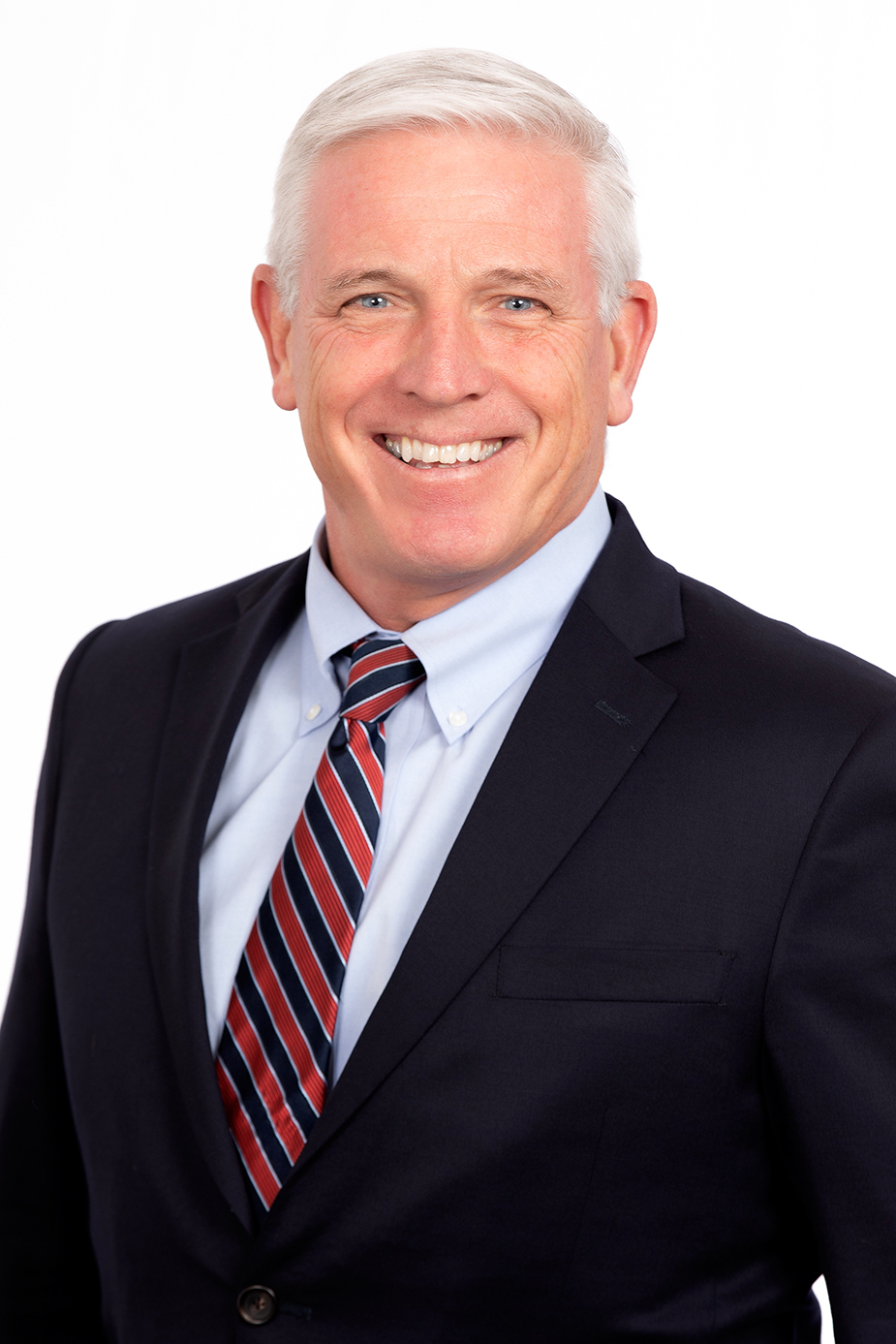
Phil Gallagher and the long road from a company car
A sales job and a new Chevrolet brought Phil Gallagher to Avnet in 1982. His route to the chief executive’s office included a departure, a return and a lasting belief in the people behind the parts.
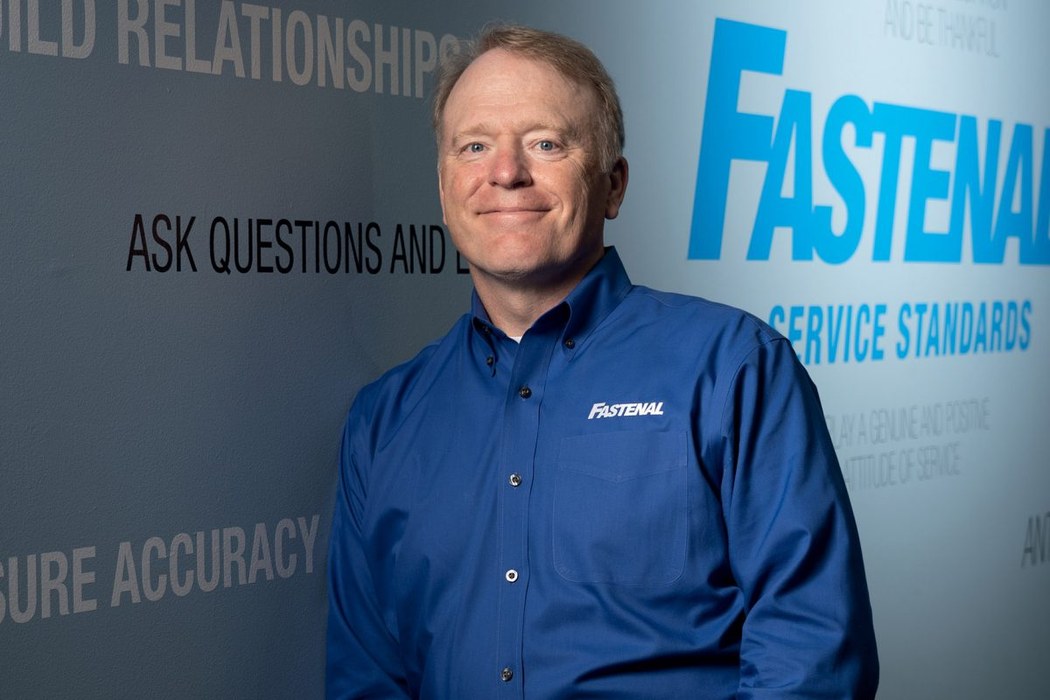
Daniel Florness and the art of getting closer
An accountant arrived at Fastenal in 1996 and spent three decades learning what happens between a balance sheet and a factory floor. His answer involved fewer branches, more responsibility for local people, and knowing when to hand over the keys.
Rick Dierker and the arithmetic of everyday things
He spent sixteen years learning how Church & Dwight works before becoming its CEO. Now Rick Dierker is deciding which familiar brands deserve more room to grow - and which businesses should leave the cupboard.
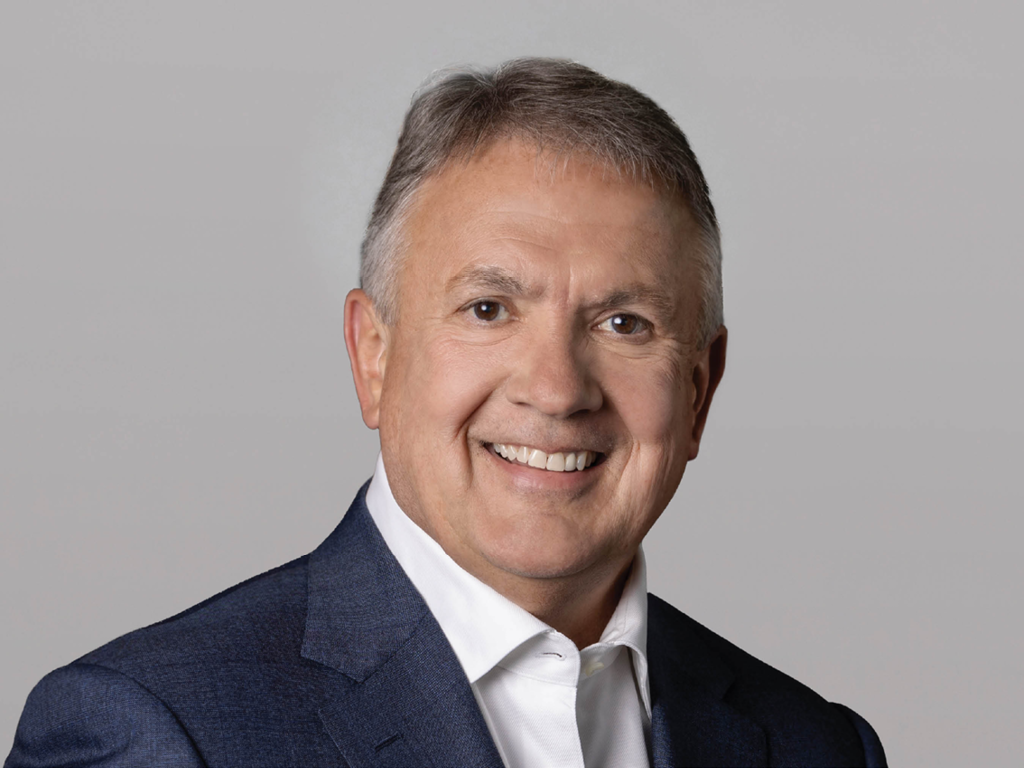
Donnie King and the value of showing up
An hourly job in an Arkansas chicken plant became a career across the food business. As Donnie King hands over the CEO role at Tyson Foods, his record turns on the distance between the factory floor and the boardroom.
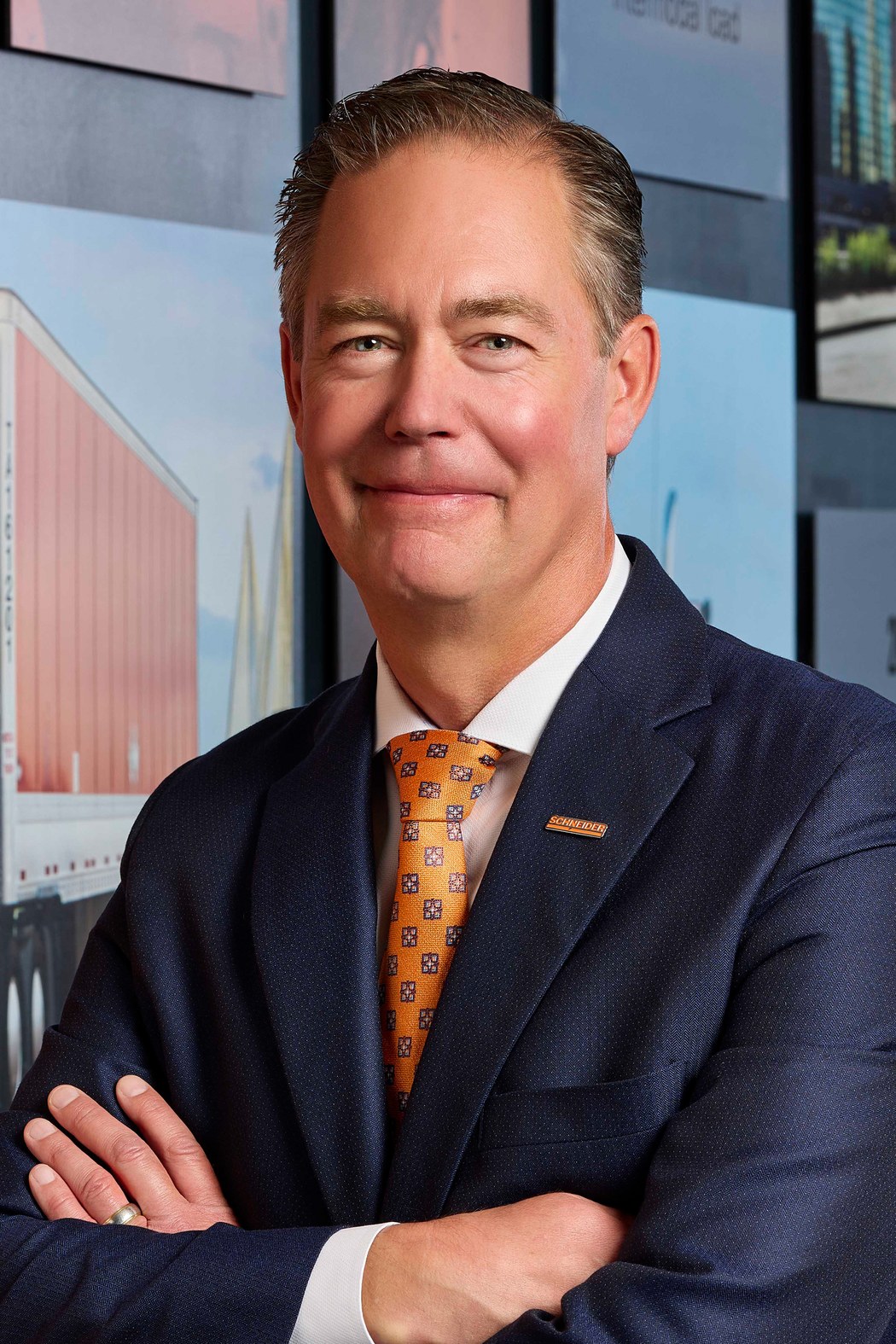
Jim Filter and the education of a freight CEO
He joined Schneider in a Green Bay maintenance shop in 1998. Twenty-eight years later, Jim Filter took the top job with a working knowledge of the places where a delivery promise can come apart.
Chris Hobson and the art of running together
Before he became Core-Mark’s CEO, Chris Hobson ran on a college cross-country team that finished third in the nation. His long route through convenience retail offers another view of what a team can build.
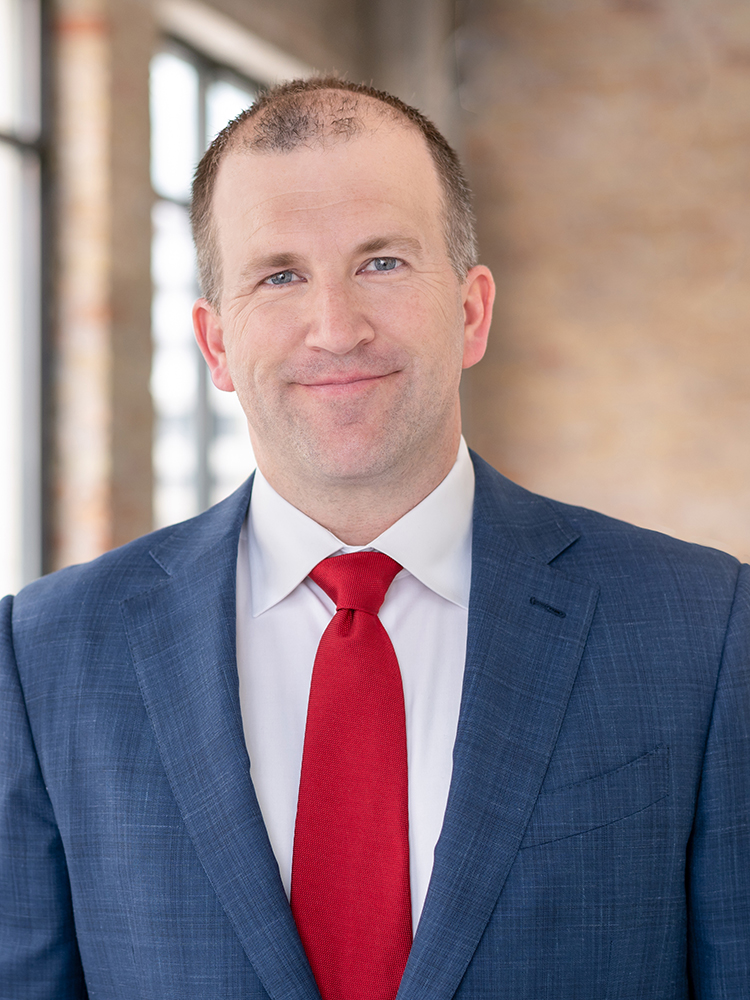
Michael Fiddelke and the trouble with knowing a place too well
He arrived at Target as a finance intern in 2003. Now its CEO, Michael Fiddelke has to turn two decades of familiarity into a reason for the retailer to change.
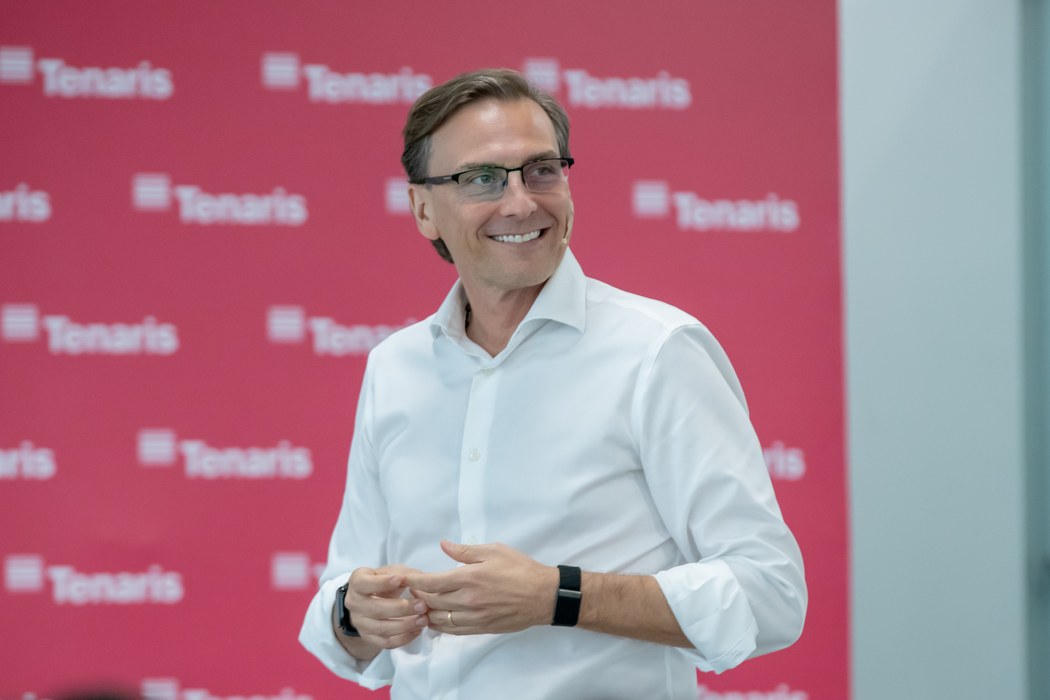
Gabriel Podskubka and the long way to a shorter journey
From Siderca’s marketing department to the CEO’s office at Tenaris, Gabriel Podskubka spent three decades learning how an industrial company fits together. His recurring concern is what happens between the mill and the well.
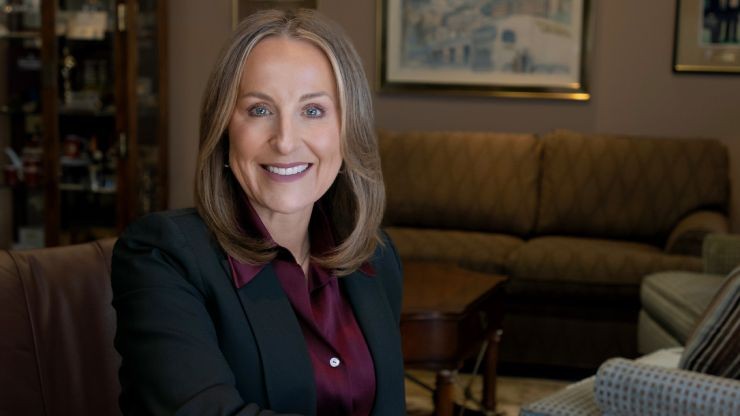
Shelley Simpson and the summer job that lasted 30 years
She joined J.B. Hunt for a summer and stayed to build a freight brokerage, help launch a digital marketplace and become CEO. Shelley Simpson’s career has involved learning the business from more than one end of the desk.
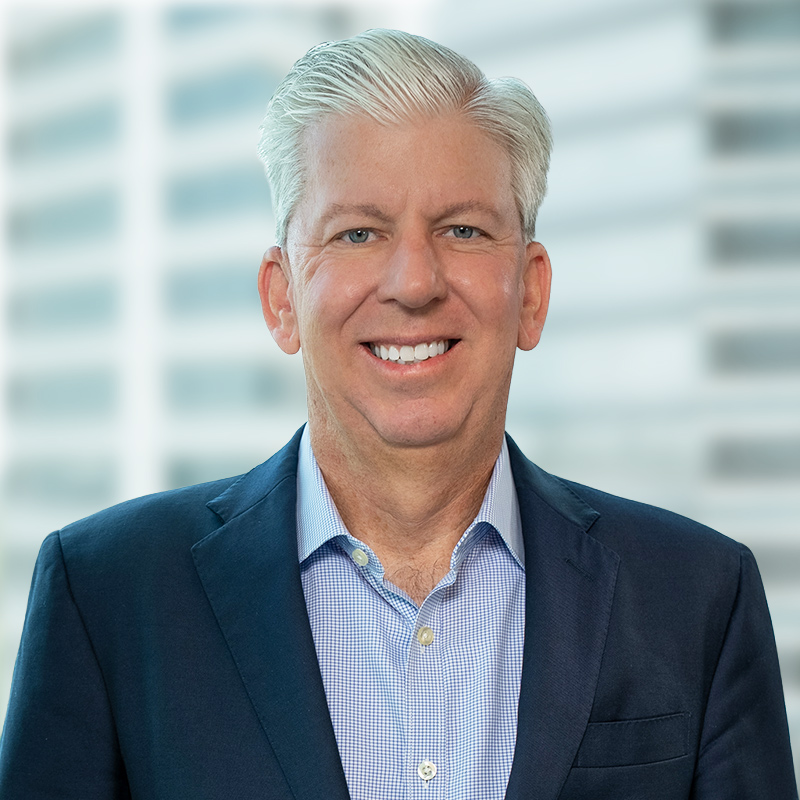
Chris Peterson and the education of a factory tourist
Before he led Newell Brands, Chris Peterson volunteered for a factory job he could barely do. His route from finance to the corner office runs through a persistent question: how does the place actually work?