hospitality-technology
(36)
me&u puts hospitality back at the table
Two QR-code rivals met for dinner and became one company. Now me&u is betting that a restaurant should remember its guests as well as it remembers their orders.

Union turns the bar tab into a second business
A faster drink is only the beginning. Union connects busy bars, guest ordering and beverage-brand intelligence - making the humble tab work rather harder than its owner.

Wander discovered it didn’t need to own the view
Wander began by buying beautiful vacation homes. Its more interesting discovery was how much of the holiday it could control without holding the deed.

Rest can catch the smoke. Who makes the call?
A costly rental party gave NoiseAware its start. Now called Rest, the company helps hotels detect smoking - and puts a surprisingly human question at the center of its sensor business.

Optii and the curious value of five lost minutes
The hotel operations company sells a simple proposition: give staff a clearer next move, and guests spend less time waiting. Its most revealing customer story begins in the gap between two clean rooms.

Butler Hospitality raised $50 million to fix room service. Then dinner stopped.
Four New York kitchens once served 22,000 hotel rooms. Butler Hospitality turned that arithmetic into a national expansion - and a business that ceased operating in May 2022.

Cover made the restaurant check disappear. Then it disappeared, too.
Cover turned the awkward last act of dinner into an automatic payment. Its rise from New York tables to a Velocity acquisition shows both the appeal and the limits of an app designed to stay in your pocket.

Whoosh wants the golf pro back on the first tee
A golf club runs on small courtesies and surprisingly complicated rules. Whoosh puts the bookings, messages and operational details on a tablet, so staff can spend more time with the people holding the clubs.

ALICE discovered why your hotel towels were late
The founders set out to put hotel services on your phone. They built a business by following the request into the corridors, housekeeping boards, and handoffs you never see.
Duetto and the trouble with a full hotel
A sold-out hotel can still leave money on the table. Duetto began by untying room rates from one another; now it wants hoteliers to follow the money all the way to profit.

Single Digits and the business of being invisible
The Wi-Fi company discovered that selling software was only the beginning. Its real business was taking responsibility for everything between a guest’s device and a working connection.

BrahmVeda’s AI bet runs from horoscopes to hotel bookings
The Surat venture studio acquired VedVaani, then backed hotel technology startup Apycue. Its connecting idea: put software builders, business operators and capital around a specific customer problem.

Hotwire’s big broadband bet starts at the HOA meeting
Hotwire sells fiber to whole communities, turning the association contract into a broadband business. Behind the speed claims sit construction crews, a 50G trial and a deal reported at roughly $7 billion.
Groove wants your building to have one number to call
From hotel televisions to apartment Wi-Fi, Groove Technology Solutions sells a practical promise: one team to install the technology, connect the pieces and pick up the phone.

Vianet wants to know where the missing pints went
Behind the bar and inside the vending machine, Vianet turns small operational leaks into measurable business problems. Its next test is taking that hard-earned British expertise into American restaurant chains.

Fornova knows what your hotel room is really selling for
A hotel can set its room rate and still lose control of the price guests see. Fornova follows that price across the web, then helps commercial teams decide what to fix first.

The 14,000-kiosk machine hiding behind your lunch break
From McDonald's orders to Premier Inn check-ins, Evoke Creative builds the screens that quietly move people through the day - then keeps the hardware, software and service under one roof.

The Hotel Back Office Has a $13 Billion Tab. BirchStreet Wants to Make It Boring.
Hotels sell escape, then reconcile the invoices. BirchStreet built the unglamorous operating layer behind 8,489 hospitality locations - and its most useful lesson is that automation only works when suppliers, data and people arrive together.

Guesty Turned Airbnb Chaos Into a Control Room - Now It Wants AI to Run the Night Shift
The Soto twins began by doing the chores behind an Airbnb listing. Thirteen years later, Guesty is selling the control room - and betting that an army of software agents can run much of it.

Cetis Built a 30-Million-Phone Niche Around the Thing Hotel Guests Ignore
Guests may overlook the phone beside the bed, but hotels still need it to call the desk, retrieve voicemail and meet operating requirements. Cetis has made a durable business out of that mismatch - then widened the nightstand play into charging and appliances.

The Company That Beached an iPad in the Wynn Two Weeks After Apple Shipped It
A three-person shop in Mill Neck, New York has been quietly running the wine lists and room-service screens of some of the world's most expensive hotels for two decades. Here is how a first-mover bet on the iPad turned into a durable niche.

PureHD Turned the Hotel TV From a Dumb Screen Into a Digital Front Desk
The 37-person hospitality tech company bet that guests would bring their own subscriptions - and that hotels would pay to make every television useful, manageable and much less annoying.

The Hospitality Giant That Owns Almost No Hotels
Hilton runs more than 8,000 hotels across 140-plus countries and barely holds the deeds to any of them. The real business is a fee machine wrapped around 200 million loyalty members - and it started with one man and a cheap hotel in Cisco, Texas.

Tambourine
The Fort Lauderdale firm has spent three decades trying to answer one question for hoteliers: how do you get a guest to book with you instead of with Expedia?
Choice Hotels International
Choice Hotels built a 661,089-room network by owning very few of the rooms. Its real product is the connective tissue - brands, bookings, loyalty and software that help thousands of independent hotel owners compete.

INTEREL
INTEREL is a Dubai-based smart building technology company that builds the hardware, operating system and IoT infrastructure hotels and multifamily properties use to control HVAC, lighting, shades and guest services from a single connected platform. Its 'Hotel of Things' ecosystem pairs a portfolio of smart thermostats and room controllers with INTEREL OS and the connectBsmart connectivity framework, letting properties automate energy use, integrate door locks, voice assistants and property-management systems, and cut water and power consumption. Founded in 2010, INTEREL has installed roughly 500,000 devices across more than 45 countries and now operates within the Siemens Xcelerator ecosystem.
Kozystay
Kozystay is a Jakarta-based, technology-enabled short-term rental management company and Indonesia's largest player in the flexible-stay segment. It manages more than 1,000 premium apartments and villas across Jakarta, Bandung and Bali on behalf of property owners, handling pricing, bookings, housekeeping, guest communication and maintenance under a profit-sharing model. Founded in 2019 by Dane Putranto and Frans Winarto, the company reached EBITDA breakeven, raised a Series A in 2025 led by Integra Partners with Intudo Ventures and Cercano Management, and acquired Bali villa manager BaliSuperHost to build a nationwide operating platform.
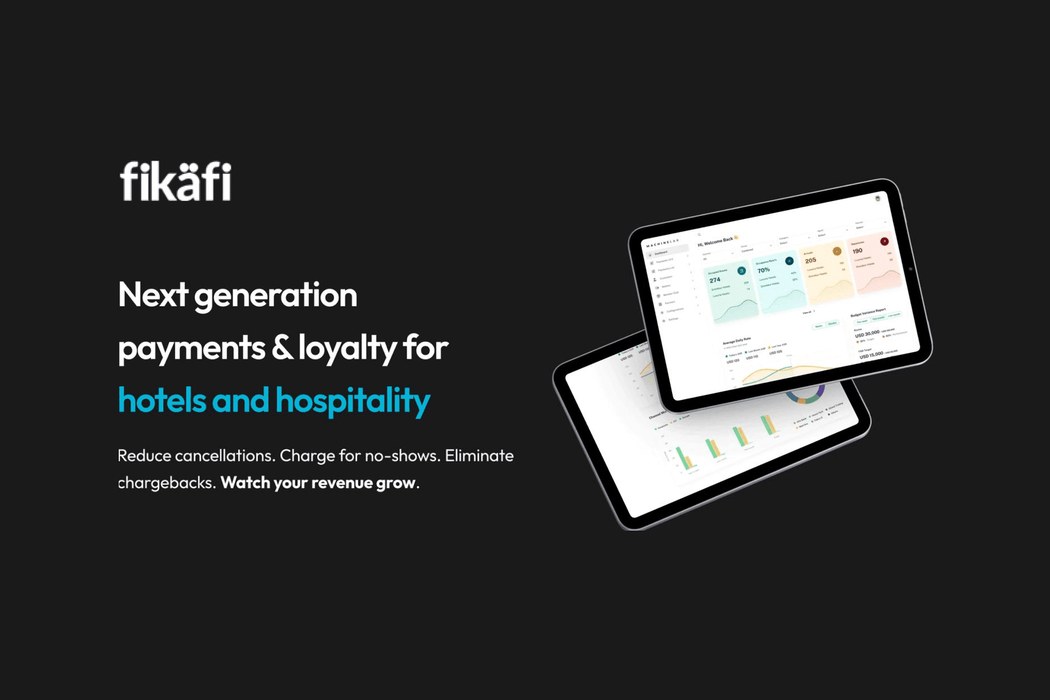
Fikäfi
Fikäfi is a Singapore-registered payments company built for hotels. It sits between a hotel's booking system and its bank, sending time-bound payment links over email, SMS or WhatsApp, capturing cards before arrival, automating reminders, settling funds by SWIFT, and pushing wallet credit back to guests so they rebook direct instead of through an OTA. Card processing starts at 1.95% with no setup fee or monthly minimum. Co-founded by hospitality-technology veteran Andre Privateer alongside Imran Saeed, the company argues that the industry's real leak is not the guest who cancels but the booking that quietly dies at the payment step - what it calls the "shadow guest." In March 2026 the PMS vendor Elektraweb embedded Fikäfi's payment orchestration layer across a platform serving thousands of hotels.
Harri
Harri is a cloud-based human capital management and workforce management platform built specifically for the hospitality and frontline service industries. Founded in 2012 by hospitality operators, it unifies talent acquisition, onboarding, scheduling, time and attendance, compliance, and employee engagement into a single mobile-first system. Harri serves enterprise restaurants, hotels, and retailers - powering the operational backbone for tens of thousands of locations and millions of frontline workers, helping high-turnover, multi-location businesses hire faster, control labor costs, and keep teams engaged.

Truvi
Truvi (formerly Superhog) is a London-based technology company that helps vacation-rental property managers and hosts screen guests and protect their properties across every booking channel. Its platform combines ID verification and biometric checks, background and sex-offender screening, customizable damage protection of up to $1 million per booking, and a dedicated claims team - letting operators drop traditional security deposits while building trust between owners and guests. Founded in 2019 and led by CEO Humphrey Bowles, the company serves 800+ property managers globally and raised £5.5M in Series A funding in 2023.