hospitality-technology
(58)
Ben Lipschitz and the art of changing the order
A pair of shoes that could fit inside a clutch started his business career. At FoodByUs, Ben Lipschitz found a bigger problem by paying attention to customers who were never part of the original plan.

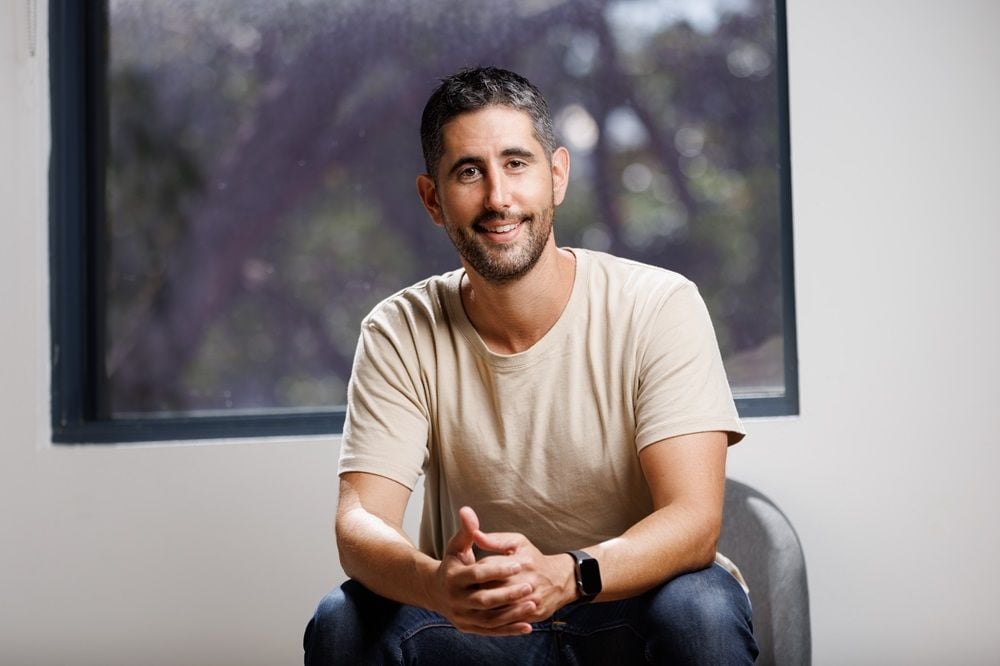
Ben Powers and the room you haven’t visited
A wedding photographer became a venue owner, then built software to help people buy spaces they had never entered. Ben Powers’s next chapter at Visiting Media returns him to the question that started it all: how do you make a distant place feel close?

Marc Heyneker and the hotel that remembers you
A school friendship became Revinate. Marc Heyneker spent years turning hotel feedback into a business built around guests, then handed the CEO job to an adviser who had been there before the beginning.

me&u puts hospitality back at the table
Two QR-code rivals met for dinner and became one company. Now me&u is betting that a restaurant should remember its guests as well as it remembers their orders.
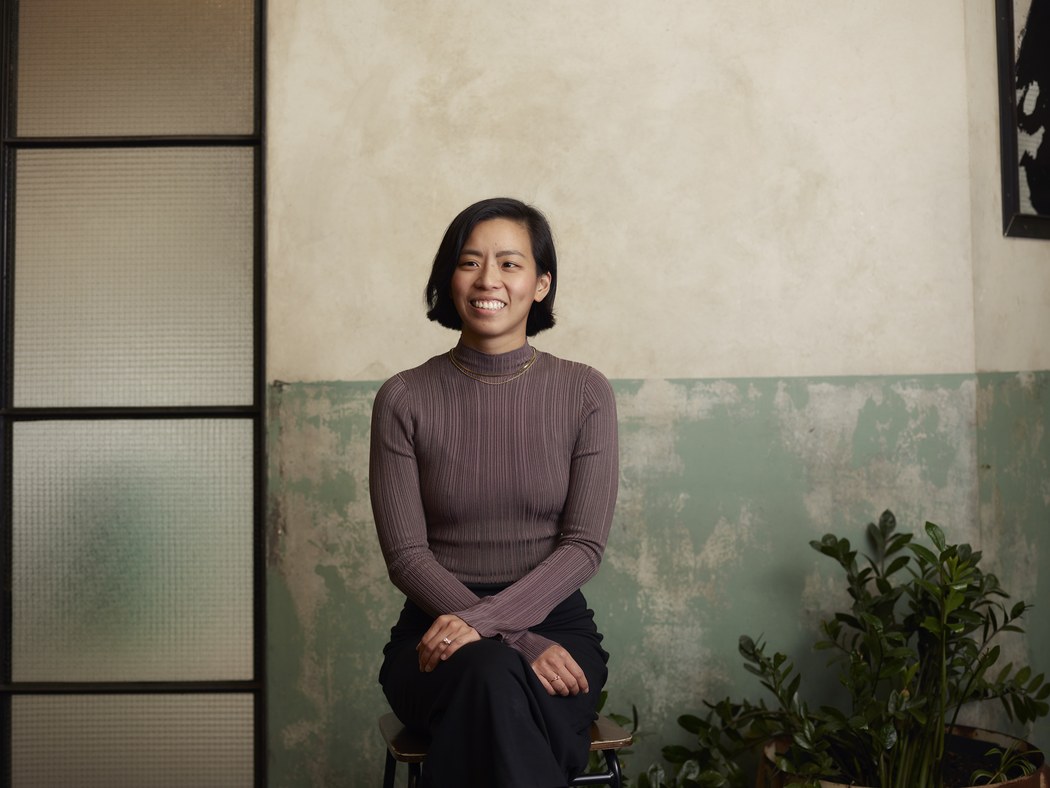
Kim Teo and the business of changing your mind
Kim Teo built Mr Yum around a simple dining habit: wanting to see what everyone else had ordered. Then she joined forces with its rival, took charge of me&u, and began rebuilding the business around what happens before and after the meal.

Union turns the bar tab into a second business
A faster drink is only the beginning. Union connects busy bars, guest ordering and beverage-brand intelligence - making the humble tab work rather harder than its owner.
Wander discovered it didn’t need to own the view
Wander began by buying beautiful vacation homes. Its more interesting discovery was how much of the holiday it could control without holding the deed.

Rest can catch the smoke. Who makes the call?
A costly rental party gave NoiseAware its start. Now called Rest, the company helps hotels detect smoking - and puts a surprisingly human question at the center of its sensor business.

Optii and the curious value of five lost minutes
The hotel operations company sells a simple proposition: give staff a clearer next move, and guests spend less time waiting. Its most revealing customer story begins in the gap between two clean rooms.
Butler Hospitality raised $50 million to fix room service. Then dinner stopped.
Four New York kitchens once served 22,000 hotel rooms. Butler Hospitality turned that arithmetic into a national expansion - and a business that ceased operating in May 2022.
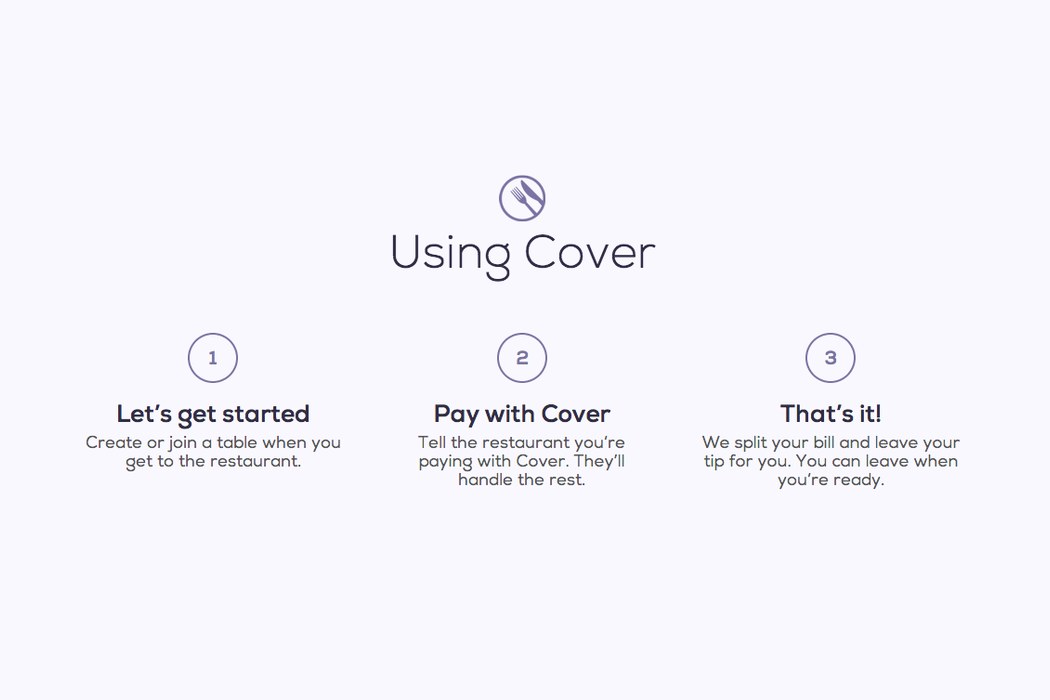
Cover made the restaurant check disappear. Then it disappeared, too.
Cover turned the awkward last act of dinner into an automatic payment. Its rise from New York tables to a Velocity acquisition shows both the appeal and the limits of an app designed to stay in your pocket.

Whoosh wants the golf pro back on the first tee
A golf club runs on small courtesies and surprisingly complicated rules. Whoosh puts the bookings, messages and operational details on a tablet, so staff can spend more time with the people holding the clubs.
ALICE discovered why your hotel towels were late
The founders set out to put hotel services on your phone. They built a business by following the request into the corridors, housekeeping boards, and handoffs you never see.
Duetto and the trouble with a full hotel
A sold-out hotel can still leave money on the table. Duetto began by untying room rates from one another; now it wants hoteliers to follow the money all the way to profit.

Single Digits and the business of being invisible
The Wi-Fi company discovered that selling software was only the beginning. Its real business was taking responsibility for everything between a guest’s device and a working connection.
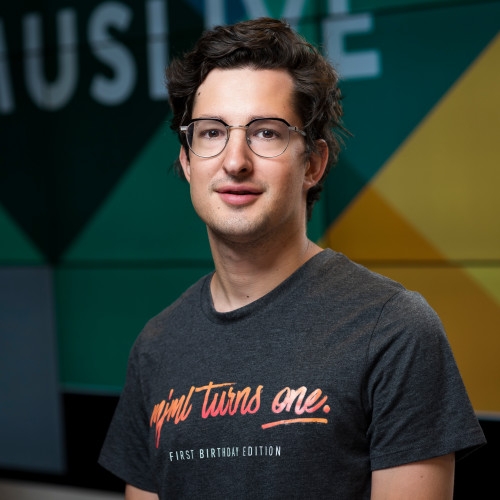
Nicolas Garnier Made Email Behave. Now He Is Teaching Hotel Software Better Manners.
The self-taught developer behind MJML built a career by translating unruly systems into humane products. At Canary Technologies, the inbox has given way to the hotel lobby - but the instinct remains the same.
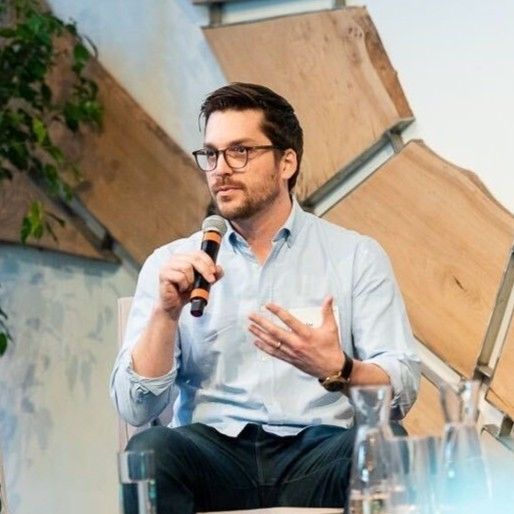
Taylor Katzman Put the Bar's Messiest Errand in One Cart
A family distillery showed Katzman how many calls, texts and paper invoices stood between a bar and its next delivery. He built Provi to give that disorder a single screen.

Avi Goren and the Restaurant That Begins Before the Door
He learned restaurant discovery from a neon sign, garlic knots and the Yellow Pages. Now the Marqii co-founder is trying to make thousands of restaurants legible to search engines, review sites and AI without misplacing the human welcome.

BrahmVeda’s AI bet runs from horoscopes to hotel bookings
The Surat venture studio acquired VedVaani, then backed hotel technology startup Apycue. Its connecting idea: put software builders, business operators and capital around a specific customer problem.

Hotwire’s big broadband bet starts at the HOA meeting
Hotwire sells fiber to whole communities, turning the association contract into a broadband business. Behind the speed claims sit construction crews, a 50G trial and a deal reported at roughly $7 billion.
Groove wants your building to have one number to call
From hotel televisions to apartment Wi-Fi, Groove Technology Solutions sells a practical promise: one team to install the technology, connect the pieces and pick up the phone.

Vianet wants to know where the missing pints went
Behind the bar and inside the vending machine, Vianet turns small operational leaks into measurable business problems. Its next test is taking that hard-earned British expertise into American restaurant chains.
Fornova knows what your hotel room is really selling for
A hotel can set its room rate and still lose control of the price guests see. Fornova follows that price across the web, then helps commercial teams decide what to fix first.

The 14,000-kiosk machine hiding behind your lunch break
From McDonald's orders to Premier Inn check-ins, Evoke Creative builds the screens that quietly move people through the day - then keeps the hardware, software and service under one roof.
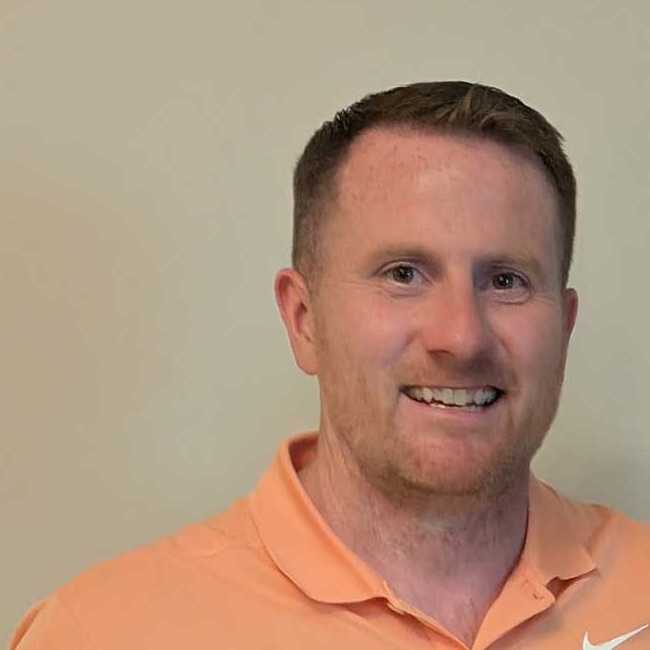
Tim Fitzgerald Builds Pipeline for a Living. In Wakefield, He Builds a Place to Play.
The Tripleseat CMO has spent a career designing systems that turn attention into action. His most revealing work may be the Sunday-afternoon kind, where the scoreboard matters less than who gets invited onto the field.
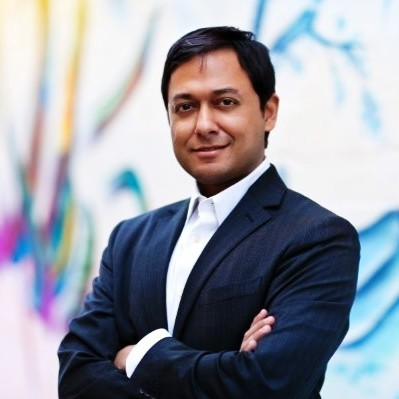
Nipul Chokshi Keeps Turning Data Into Decisions People Can Use
An electrical engineer became a marketer by learning where signal ends and noise begins. Across Marketo, Yammer, Lattice, Atrium and now Fourth, Nipul Chokshi has built a career around making complicated products useful, legible and hard to ignore.

Irina Jakovleva Makes the Invisible Work Visible
Her career has moved through the quiet machinery of enterprise software. At BirchStreet, she turns procurement, payments and hotel operations into a story about people, proof and measurable value.

Karen Stephens Took the Scenic Route to the C-Suite
Before Karen Stephens sold hotel software, she taught French and sang in a Midtown Sacramento rock band. Her route to Revinate's C-suite is a study in useful detours, listening first, and letting talented people become stars.

The Hotel Back Office Has a $13 Billion Tab. BirchStreet Wants to Make It Boring.
Hotels sell escape, then reconcile the invoices. BirchStreet built the unglamorous operating layer behind 8,489 hospitality locations - and its most useful lesson is that automation only works when suppliers, data and people arrive together.
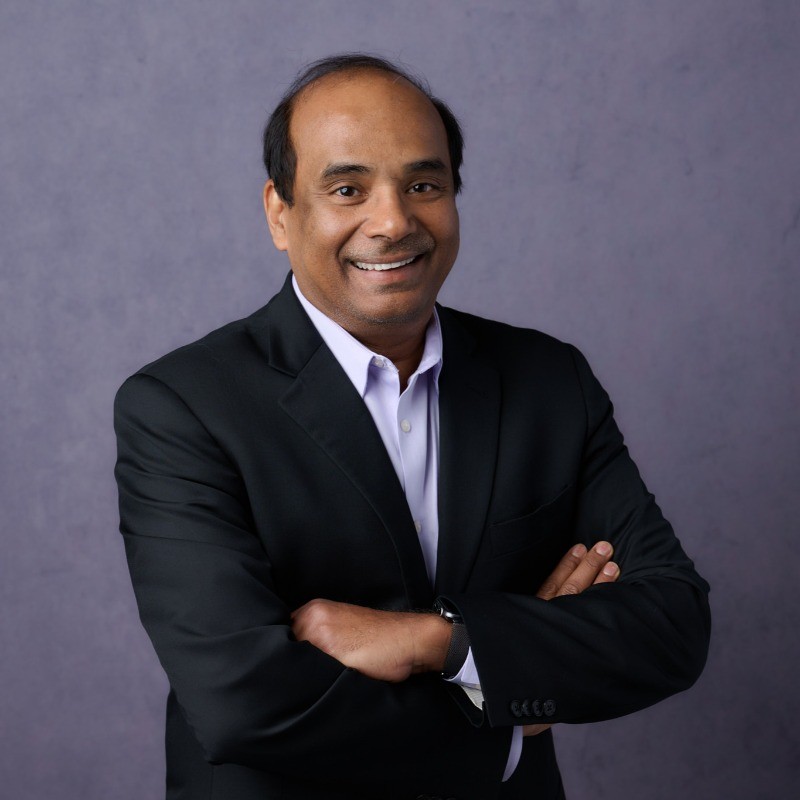
Anil Aggarwal Built Bluetooth Chips. Then He Learned to Make Hotels Legible to Machines.
His career spans a Bluetooth-chip exit, a family business date, and two decades spent decoding how travelers discover hotels online. Now the Milestone CEO is preparing hospitality for search without a search box.