hospitality-technology
(22)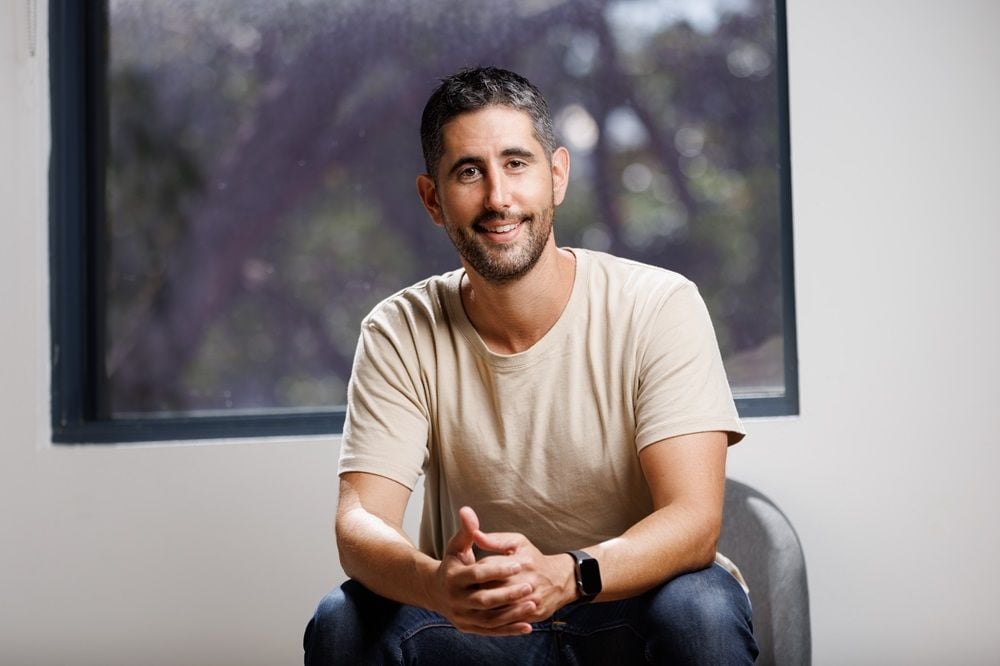
Ben Lipschitz and the art of changing the order
A pair of shoes that could fit inside a clutch started his business career. At FoodByUs, Ben Lipschitz found a bigger problem by paying attention to customers who were never part of the original plan.
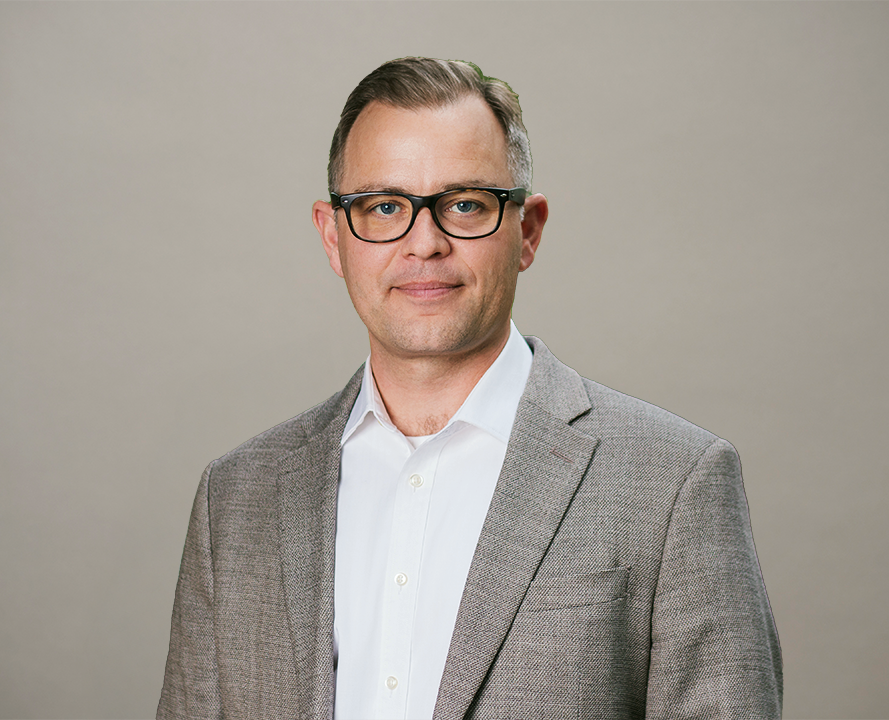
Ben Powers and the room you haven’t visited
A wedding photographer became a venue owner, then built software to help people buy spaces they had never entered. Ben Powers’s next chapter at Visiting Media returns him to the question that started it all: how do you make a distant place feel close?
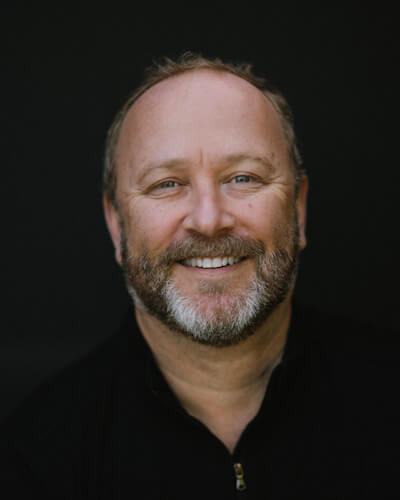
Marc Heyneker and the hotel that remembers you
A school friendship became Revinate. Marc Heyneker spent years turning hotel feedback into a business built around guests, then handed the CEO job to an adviser who had been there before the beginning.
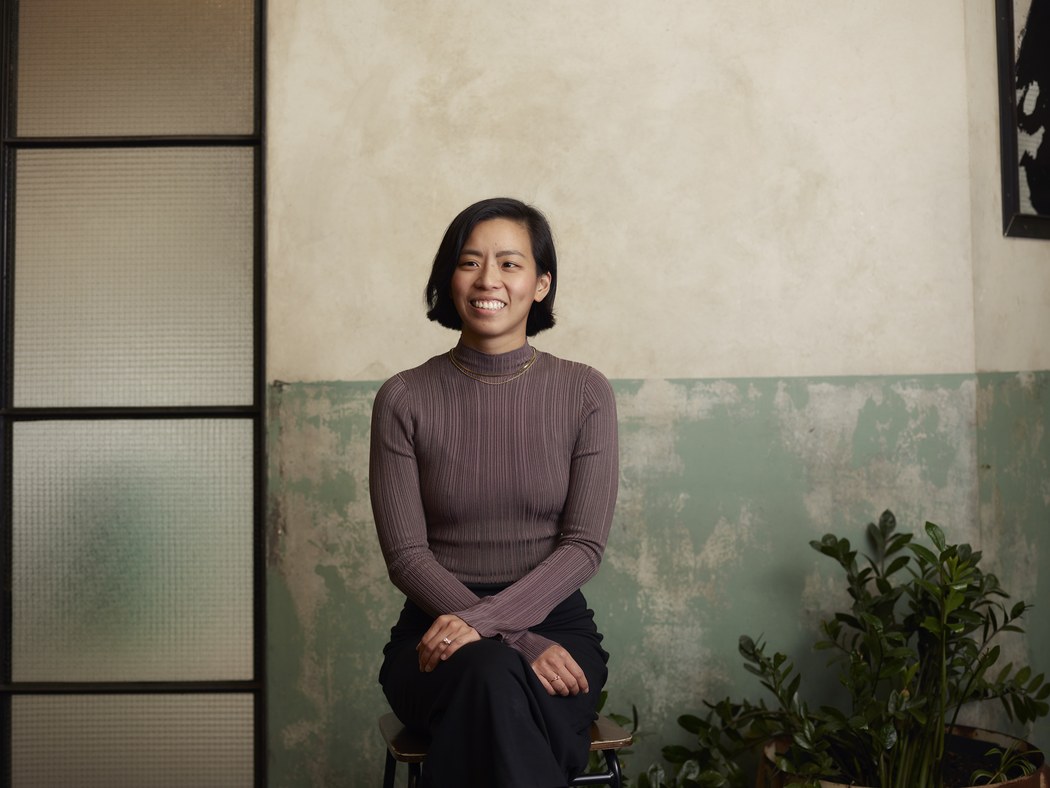
Kim Teo and the business of changing your mind
Kim Teo built Mr Yum around a simple dining habit: wanting to see what everyone else had ordered. Then she joined forces with its rival, took charge of me&u, and began rebuilding the business around what happens before and after the meal.
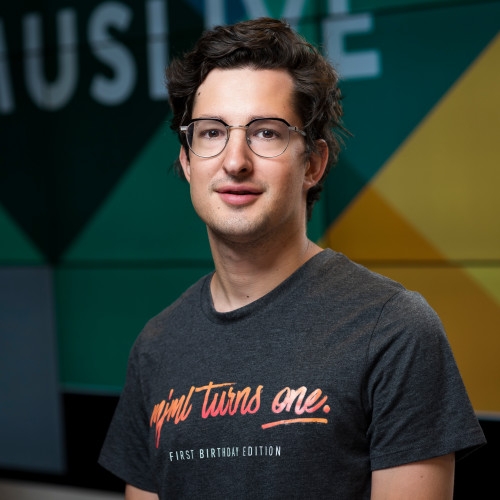
Nicolas Garnier Made Email Behave. Now He Is Teaching Hotel Software Better Manners.
The self-taught developer behind MJML built a career by translating unruly systems into humane products. At Canary Technologies, the inbox has given way to the hotel lobby - but the instinct remains the same.
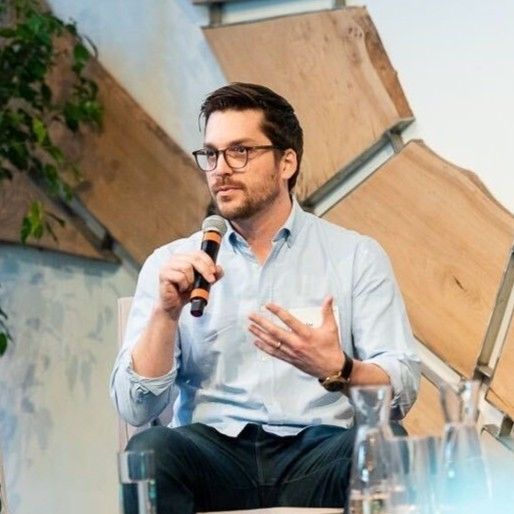
Taylor Katzman Put the Bar's Messiest Errand in One Cart
A family distillery showed Katzman how many calls, texts and paper invoices stood between a bar and its next delivery. He built Provi to give that disorder a single screen.

Avi Goren and the Restaurant That Begins Before the Door
He learned restaurant discovery from a neon sign, garlic knots and the Yellow Pages. Now the Marqii co-founder is trying to make thousands of restaurants legible to search engines, review sites and AI without misplacing the human welcome.
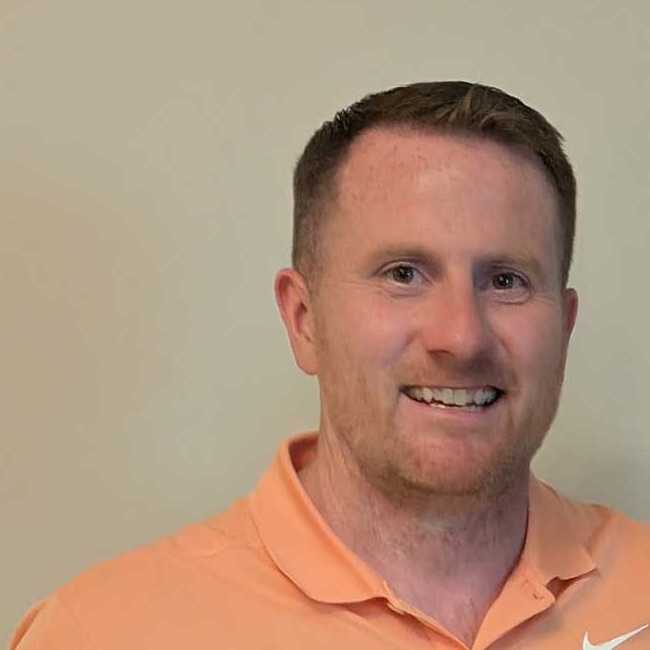
Tim Fitzgerald Builds Pipeline for a Living. In Wakefield, He Builds a Place to Play.
The Tripleseat CMO has spent a career designing systems that turn attention into action. His most revealing work may be the Sunday-afternoon kind, where the scoreboard matters less than who gets invited onto the field.
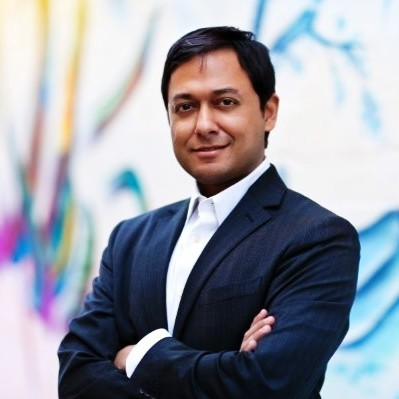
Nipul Chokshi Keeps Turning Data Into Decisions People Can Use
An electrical engineer became a marketer by learning where signal ends and noise begins. Across Marketo, Yammer, Lattice, Atrium and now Fourth, Nipul Chokshi has built a career around making complicated products useful, legible and hard to ignore.
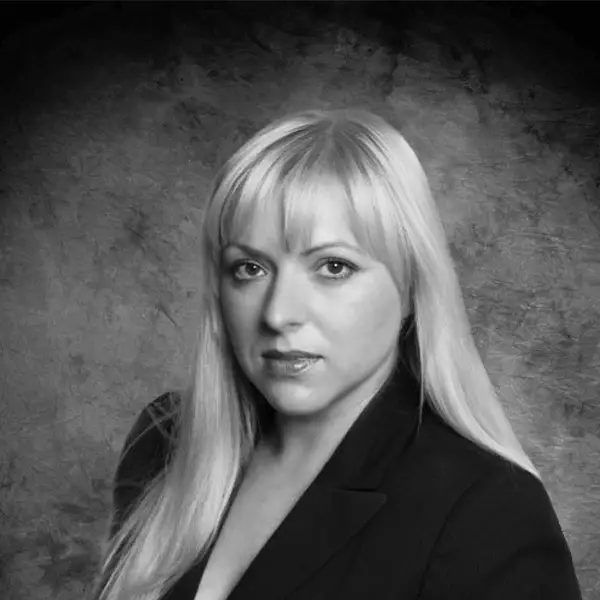
Irina Jakovleva Makes the Invisible Work Visible
Her career has moved through the quiet machinery of enterprise software. At BirchStreet, she turns procurement, payments and hotel operations into a story about people, proof and measurable value.
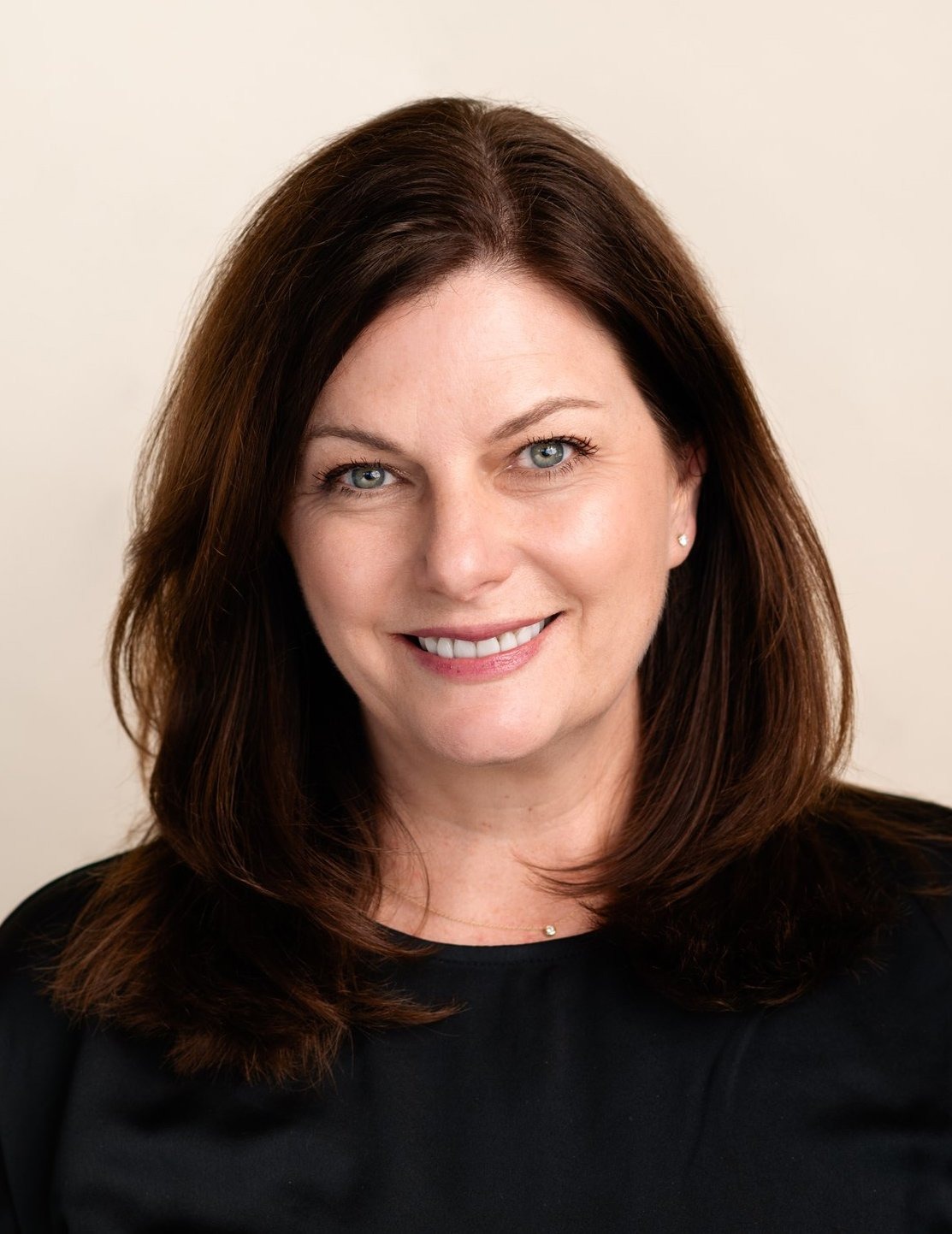
Karen Stephens Took the Scenic Route to the C-Suite
Before Karen Stephens sold hotel software, she taught French and sang in a Midtown Sacramento rock band. Her route to Revinate's C-suite is a study in useful detours, listening first, and letting talented people become stars.
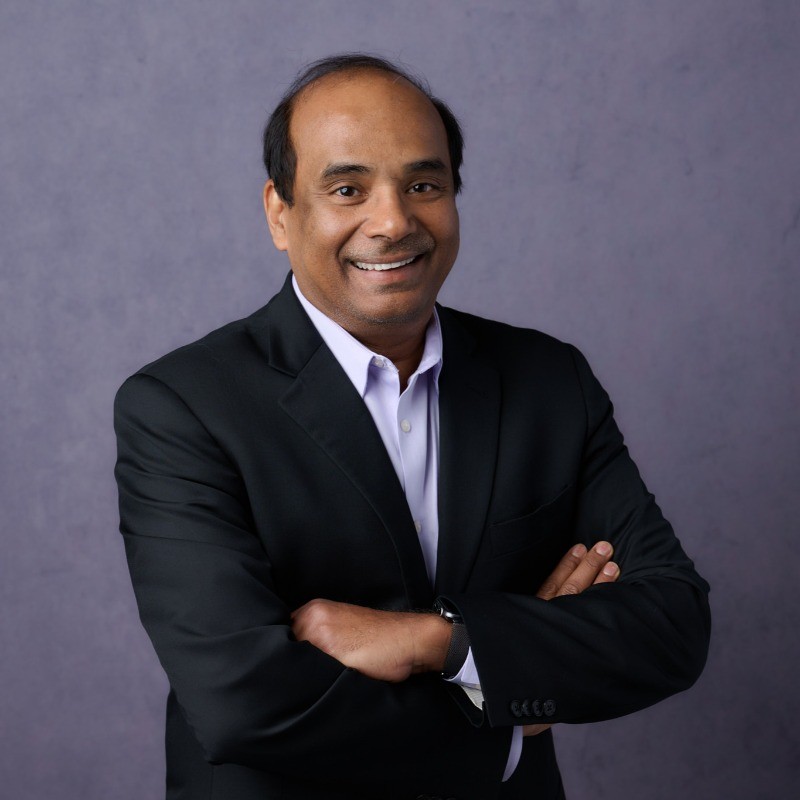
Anil Aggarwal Built Bluetooth Chips. Then He Learned to Make Hotels Legible to Machines.
His career spans a Bluetooth-chip exit, a family business date, and two decades spent decoding how travelers discover hotels online. Now the Milestone CEO is preparing hospitality for search without a search box.
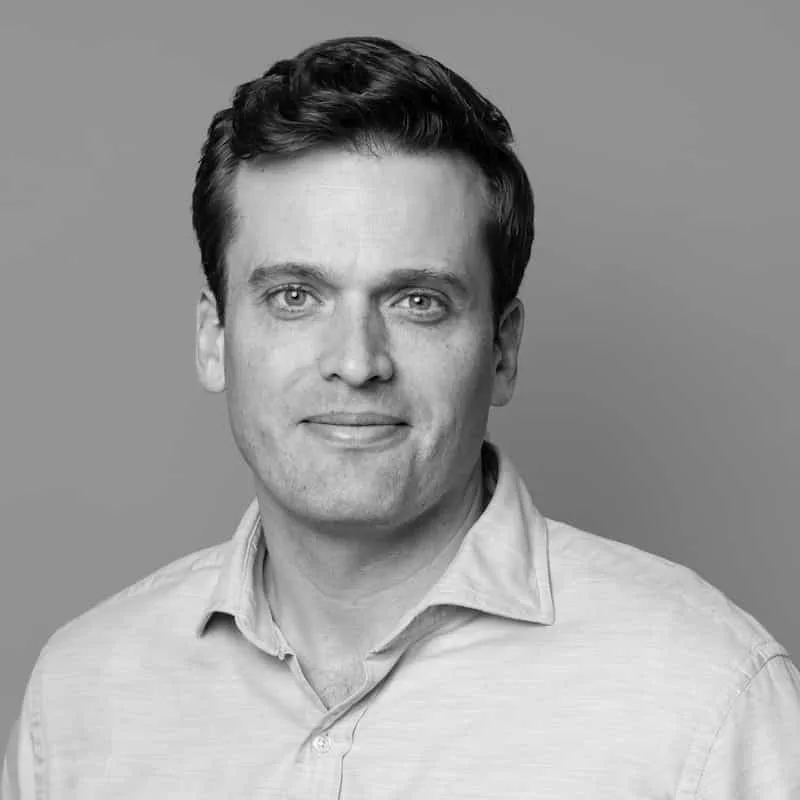
Branigan Mulcahy Wants the Hotel Lobby to Stop Behaving Like a Queue
A Marine turned real-estate developer turned hotel-tech founder is redesigning arrival around a simple idea: software should handle the transaction so people can handle the welcome.

Jennifer Martucci Built the Interface Between Service and Software
Before QR menus became wallpaper, Jennifer Martucci was turning wine lists, room service and hotel touchpoints into living interfaces. Her career is a study in making technology feel less like machinery and more like service.
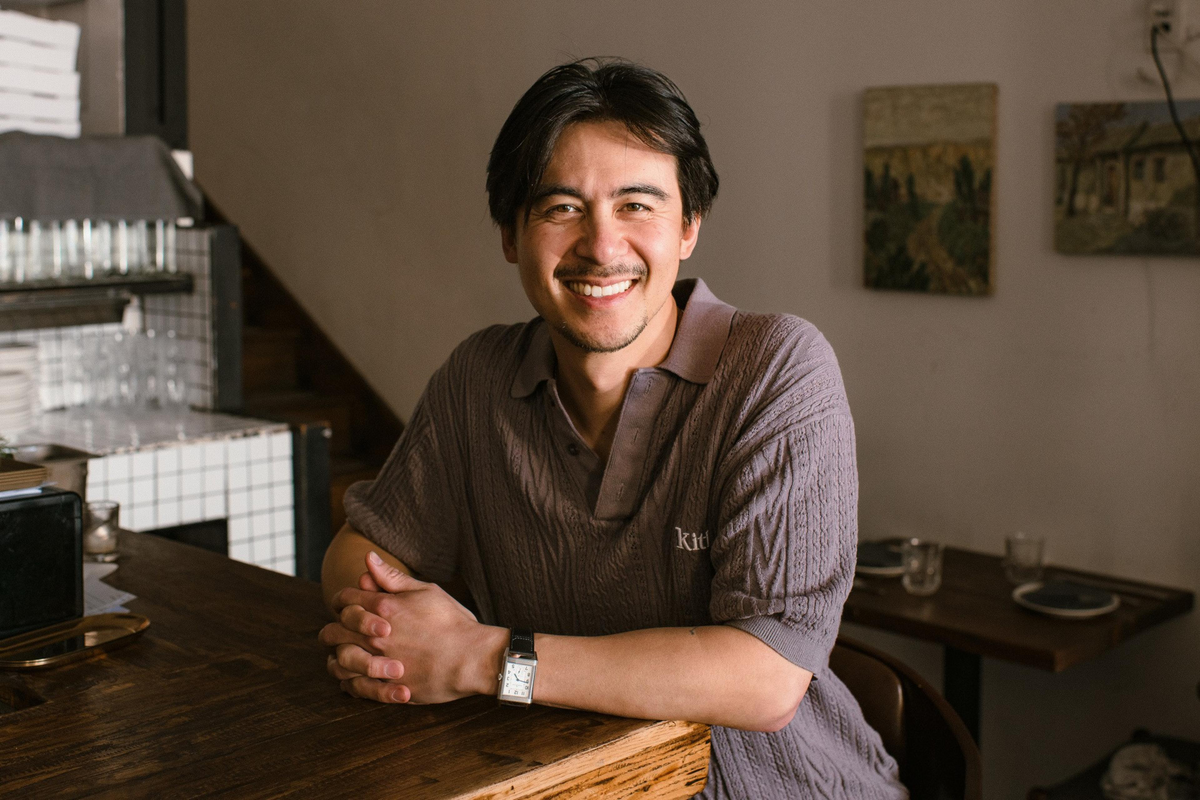
Randall Hom Put the Restaurant Phone on the Payroll
A ringing phone followed Randall Hom from product design into the dining room. His answer became Hostie - software shaped by the small, expensive interruptions that restaurant operators know by heart.

Thomas Pullen Bet on the Hotel TV - Then the Screen Changed
Thomas Pullen built PureHD around a practical idea: hotel television should work like infrastructure and feel like home. Now, as streaming replaces the old on-demand menu, his quiet corner of hospitality technology is suddenly the main event.
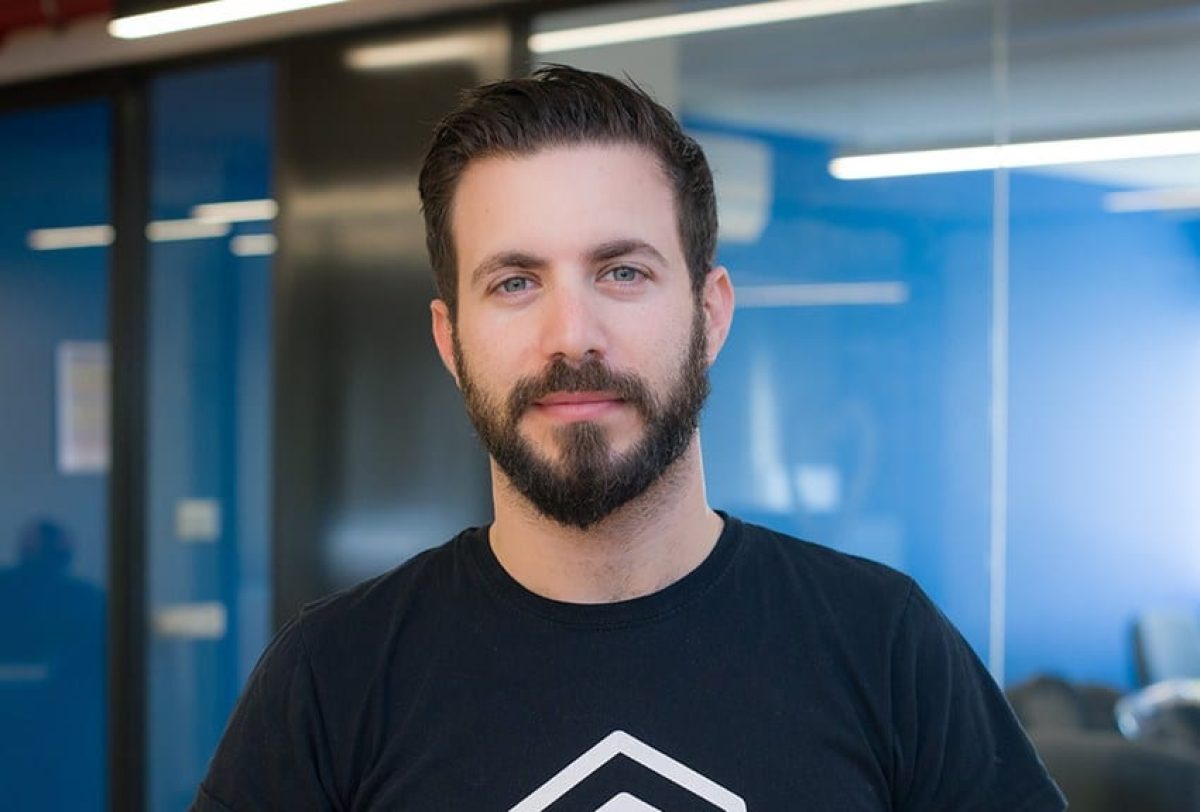
Amiad Soto Started With Cleaning Supplies. Now He Is Automating the Messy Middle of Travel
Guesty began with two opinionated twins, a beach interrupted by guest messages, and a pair of founders holding cleaning supplies. Thirteen years later, Amiad Soto is still chasing the same idea: make the invisible work of hospitality disappear.
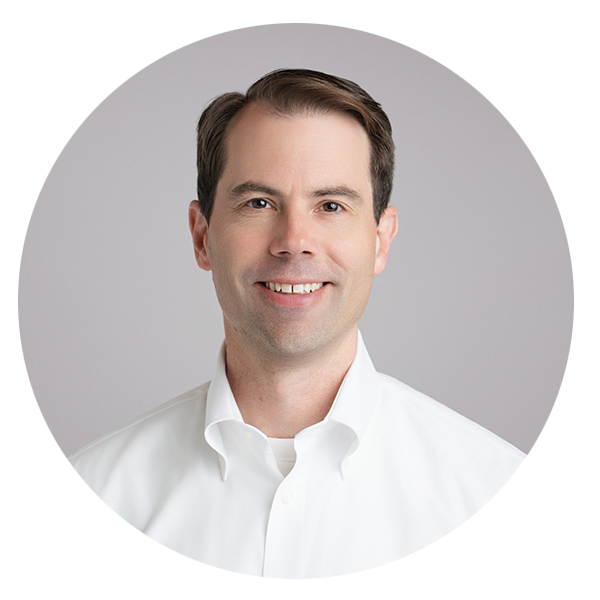
Chris Smith Bet Against the Startup Script - and Built Kipsu for the Long Game
The former venture capitalist knew every fashionable way to fund a software company. He chose customer revenue, plain text messages and patience instead - then spent more than a decade turning small service moments into a durable Minneapolis business.
Luke Fryer
Luke Fryer is the founder and CEO of Harri, a New York-based workforce management and human capital management platform built for the hospitality industry and other service-driven businesses. A former restaurateur who opened Australia's first Burger King franchise and later held the Australian rights to wagamama, Fryer moved to New York in 2007 and co-founded Harri in December 2011 to fix the fragmented, low-tech process of finding, hiring, scheduling and retaining frontline workers. Today Harri serves over 500 enterprise customers across 35,000+ restaurant and hotel locations and roughly four million hospitality employees, and in 2023 it raised $43 million in growth equity to expand its AI capabilities and move into retail and healthcare.
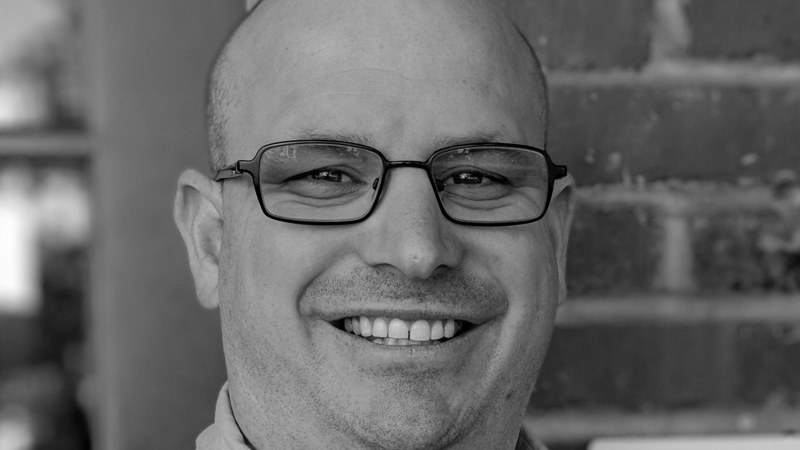
Adam Harris
Adam Harris is the co-founder and CEO of Cloudbeds, the hospitality management platform he started in 2012 with Richard Castle after a sketchy reservation experience at a Brazilian pousada. From a back-of-the-napkin idea, he built Cloudbeds into a fully remote company of 700+ people across 40+ countries that powers tens of thousands of lodging properties in more than 150 countries. A former Wall Street investment banker turned serial entrepreneur, Harris has built and sold multiple companies, traveled to more than 51 countries, and is now steering Cloudbeds through the AI era while championing a no-office culture.
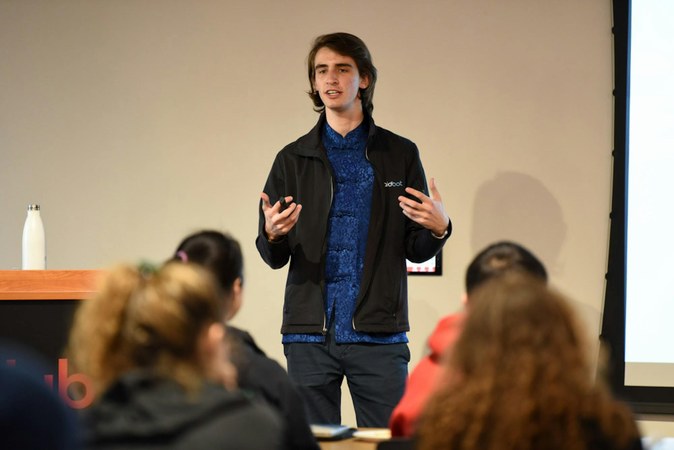
Micah Green
Micah Estis Green is the founder, president, and CEO of Tailos, the Austin robotics company behind Rosie, an AI-powered commercial robot vacuum that cleans the floors of hotels, senior-living communities, and multifamily buildings. He started the company (originally Maidbot) in a Cornell dorm room in 2015 after a class assignment put him to work as a hotel room attendant, and built it into a fleet deployed across 12 countries. A 2017 Thiel Fellow and 2018 Forbes 30 Under 30 honoree, he has been assembling robots from kits since age five.
Brook Mayer
Brook Mayer is a senior technology executive at OpenTable, the global restaurant reservation and discovery platform owned by Booking Holdings. With over 25 years of experience spanning engineering, product, and executive leadership roles - including stints as CTO, CPO, Chief Architect, and VP of Engineering - Mayer brings a deep technical foundation to the hospitality technology space. Based in San Jose, California, Mayer has been associated with OpenTable's leadership during a period when the company manages millions of diners and tens of thousands of restaurant partners worldwide. The Facebook and Twitter accounts linked to Mayer's profile point to Foodspotting, the restaurant dish-discovery app acquired by OpenTable in 2013 for approximately $10 million, suggesting an involvement with that product's leadership and integration.