cambridge
(96)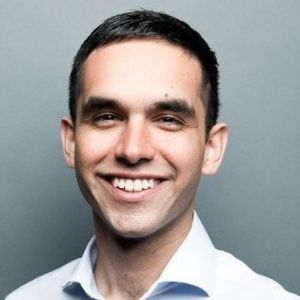
Amir Nathoo and the education that happened after school
A childhood computer hobby became a career, then a question: what if more children could follow their interests that far? The Outschool co-founder has handed over a company built around that possibility.
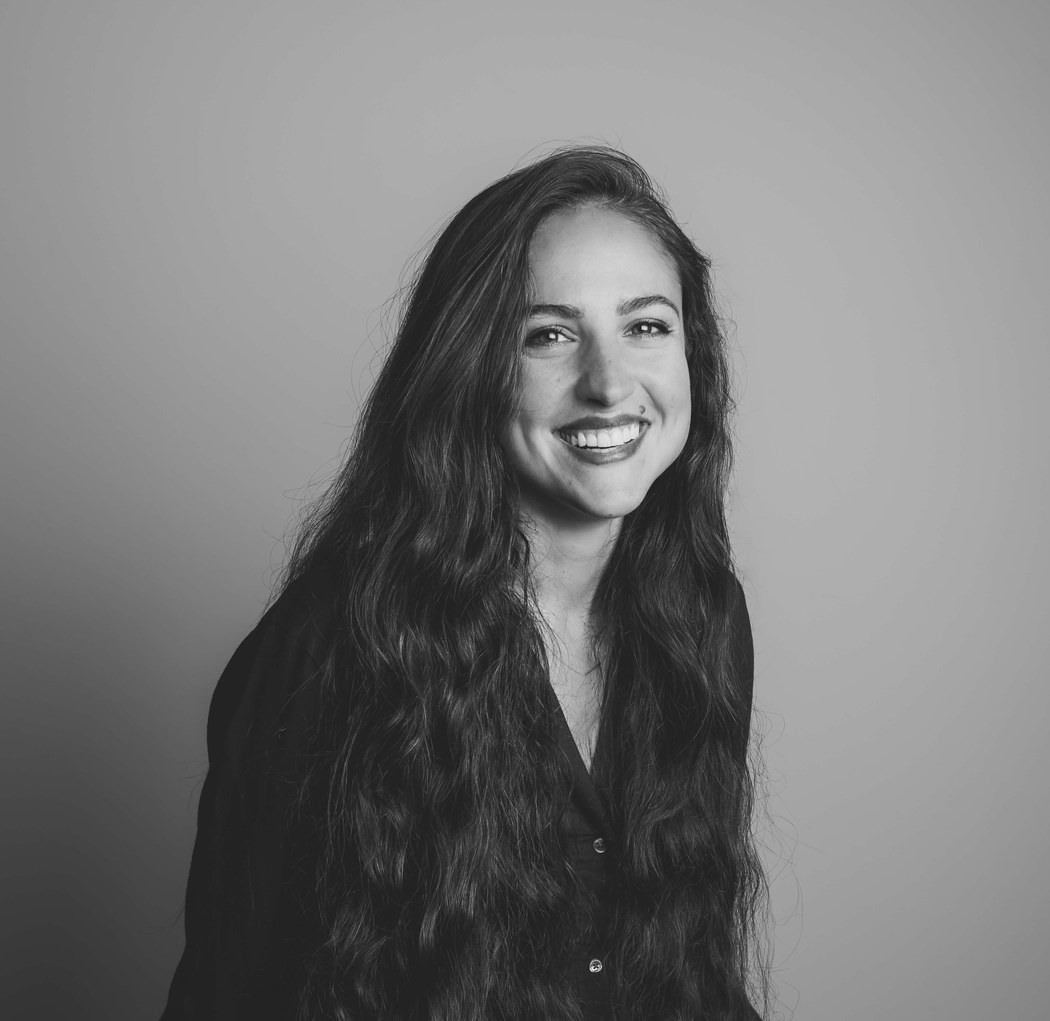
Xann Schwinn and the curious power of a small room
Before she led Cambridge Female Founders Network, Xann Schwinn built choirs and singing ventures. Her work keeps returning to a practical question: what becomes possible when the right people share a room?
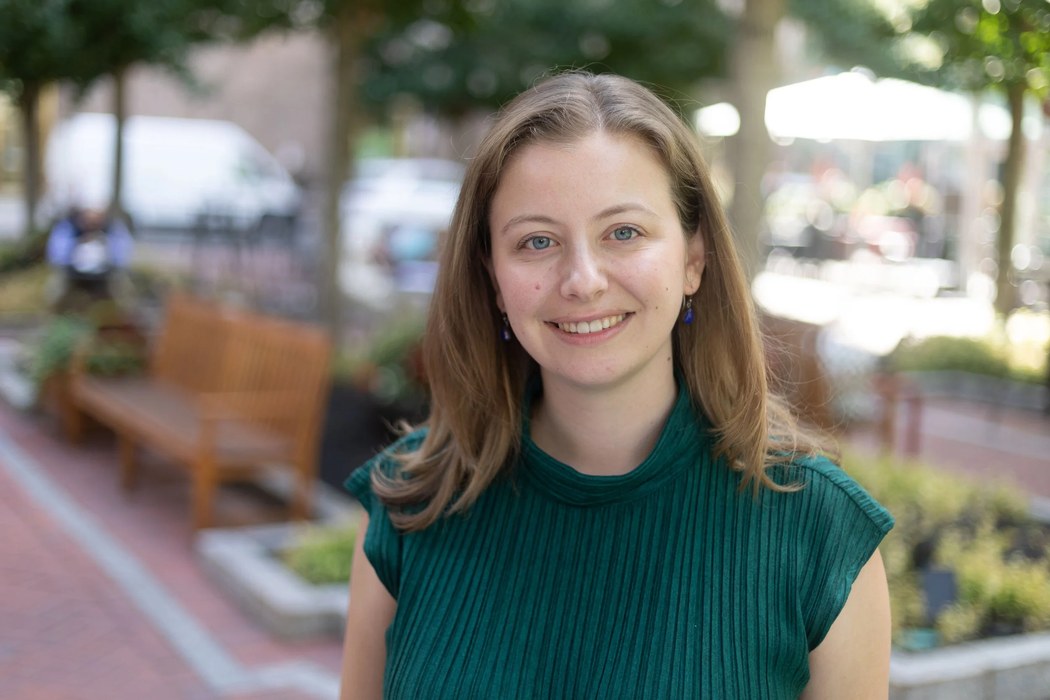
Nell Meosky Luo put out an ad. A company followed.
An online listing brought Nell Meosky Luo and Dan Toffling together. Years later, the Folia Health founder is still interested in what happens when you ask people a question - and take the answer seriously.
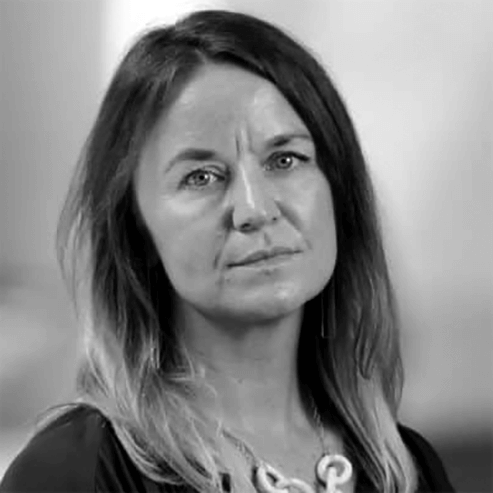
Meredith Fisher and the art of getting people together
Before she helped create Mediar Therapeutics, Meredith Fisher helped start a community at Harvard. Her career connects the two: find the people, build the organization, and give an idea somewhere to go.
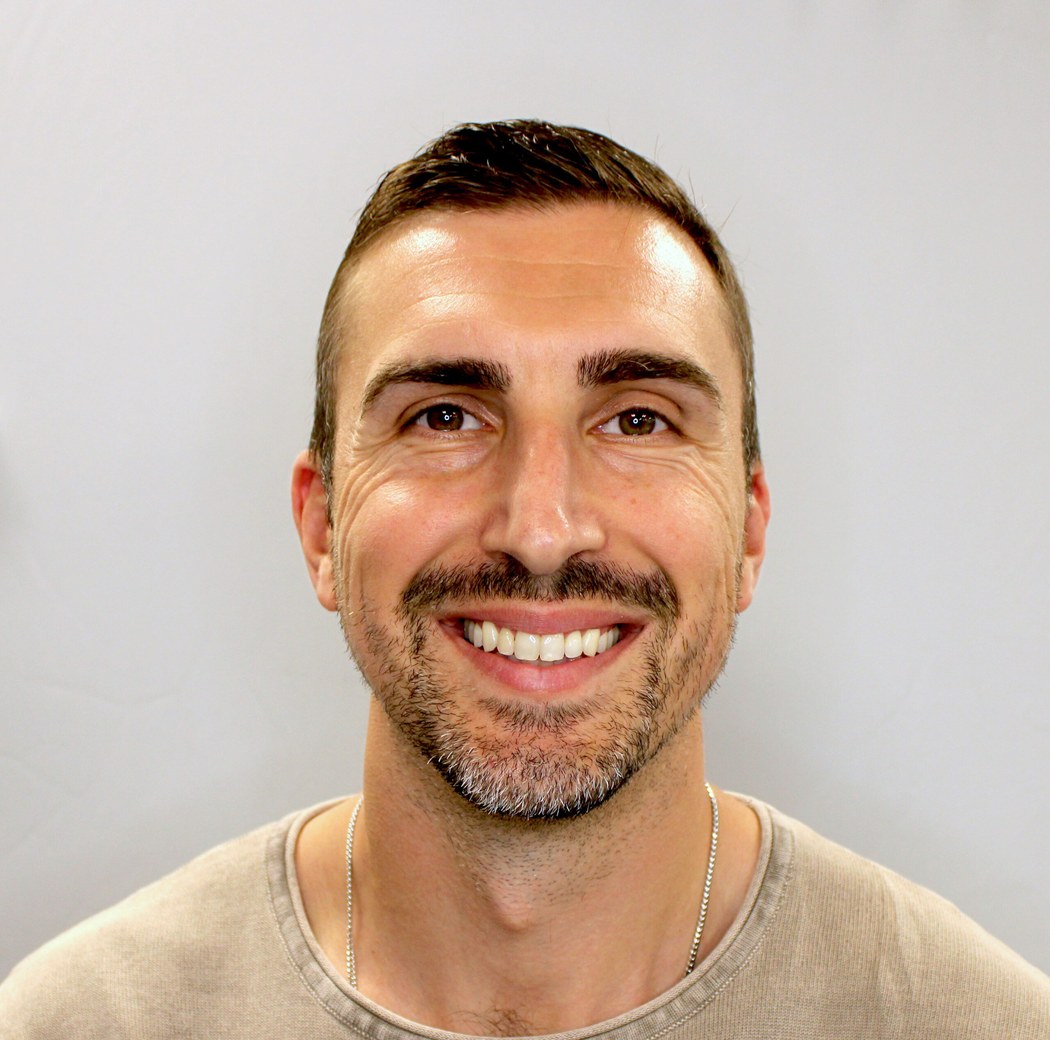
Andreas Kellas and the business of letting go
He learned business above an auto-parts shop and studied how to steer a falling wing. At MORSE, Andreas Kellas has taken on another control problem: building a company that can outgrow its founder.
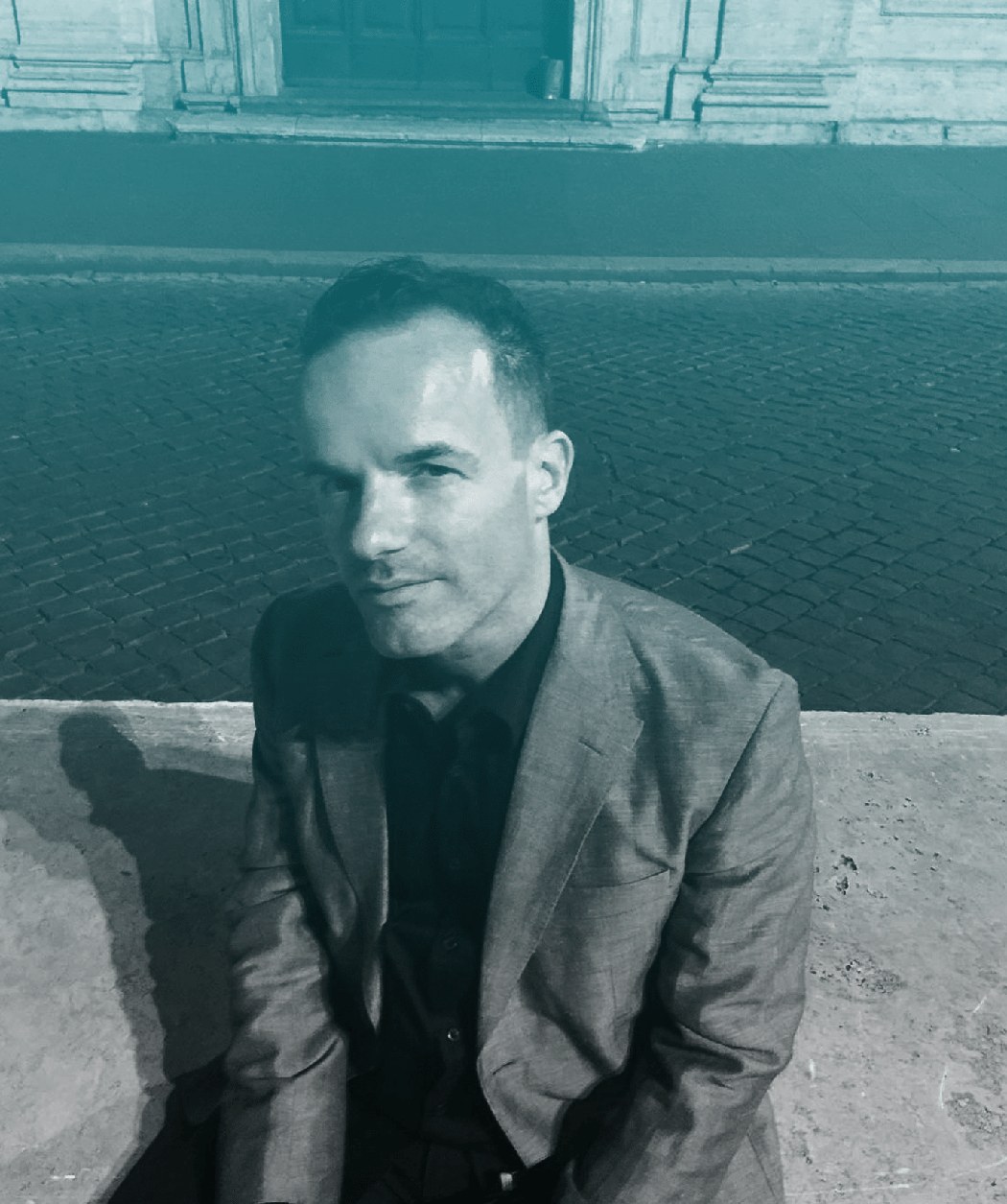
Luke Alvarez and the business of the next move
He built Inspired from mobile payments into a listed gaming business. At Hiro Capital, Luke Alvarez is following the trail from virtual sports and shared worlds to computing beyond the screen.
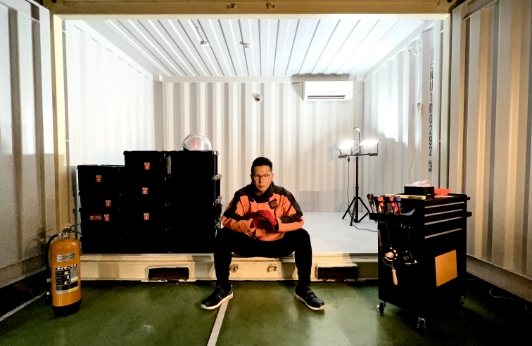
Ken Ogata and the Problem of Making It Twice
Ken Ogata learned to watch what happens inside a battery. At TeraWatt Technology, he is working on the harder sequel: building an organization that can make the next one, and the next million.
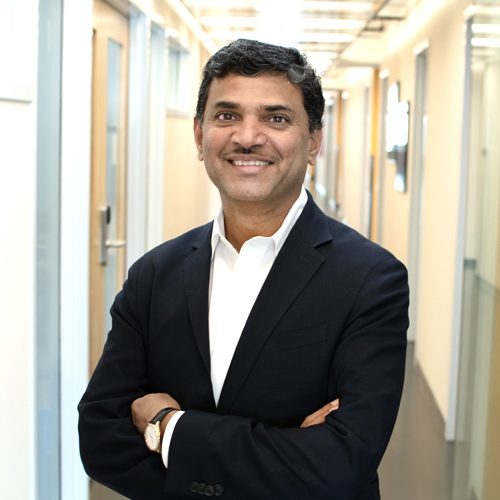
Milind Tavshikar and the Value of Changing Course
His MIT project began with tracking tags. Building SmartKargo meant following a more demanding problem: helping airlines turn cargo capacity into a delivery business.
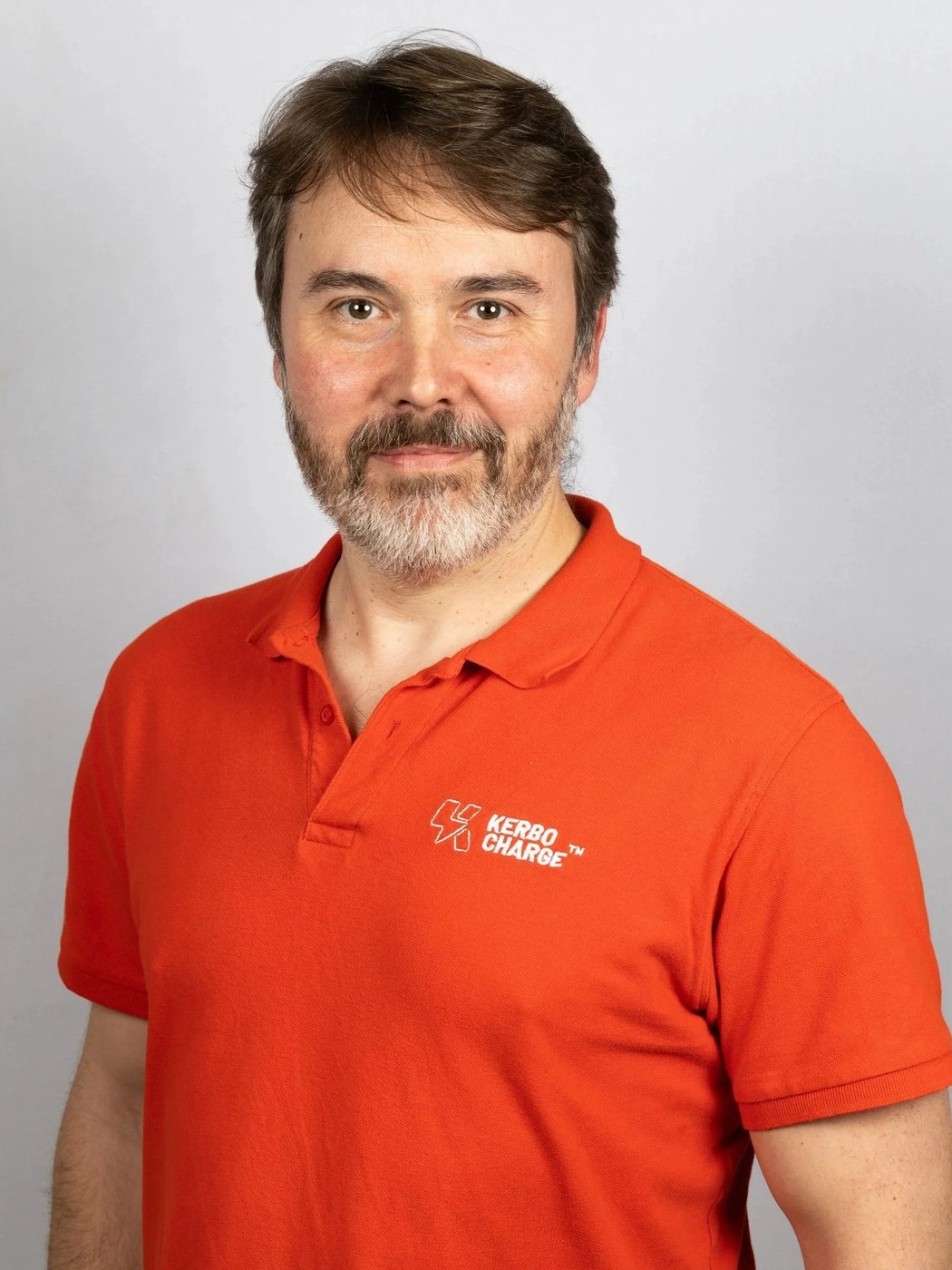
Ben Whitaker and the art of getting out of the way
From train-ticket queues to charging cables on the pavement, Ben Whitaker keeps finding small obstacles with large consequences. The Masabi co-founder’s next project brings that habit home.
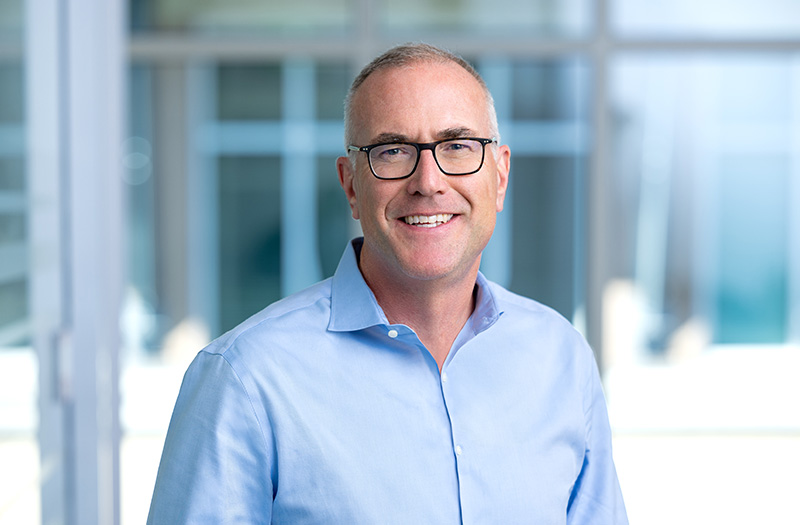
Alexander Hardy and the education of a sideways career
Before he became BioMarin’s CEO, Alexander Hardy worked across countries, companies and kinds of responsibility. His route to the top offers a case for taking the job that teaches you something new.
Sam Chaudhary’s seven-week education
Before ClassDojo reached classrooms in 180 countries, Sam Chaudhary and Liam Don spent seven weeks asking teachers what they needed. The answers changed the company they came to California to build.
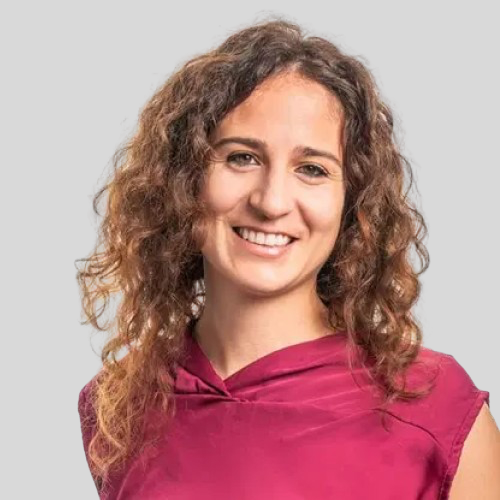
Giorgia Longobardi chose the unfamiliar path. Then came the chips.
A research choice took Giorgia Longobardi from Naples to Cambridge and into gallium nitride. Now the co-founder of Cambridge GaN Devices is working to get that science into the machines that use our electricity.
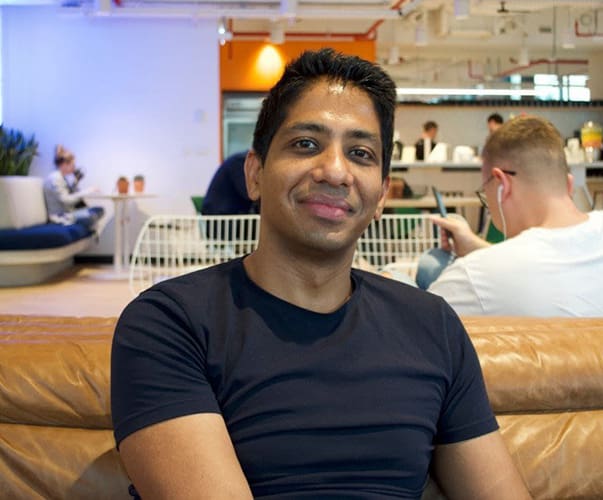
Rudradeb Mitra and the talent the résumé missed
A Cambridge graduate went looking beyond the usual hiring lists. With Omdena, Rudradeb Mitra built a place where people could learn AI by working together - and let the work introduce them.
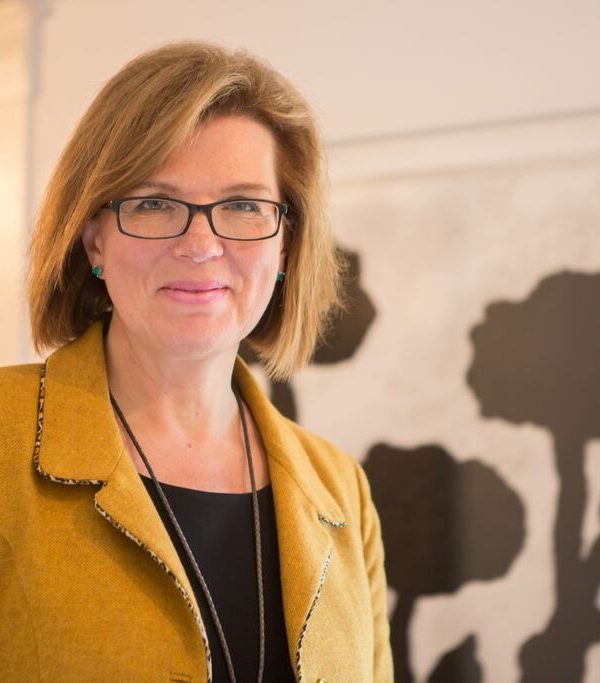
Sherry Coutu and the people you haven’t met yet
She built interactive investor to put financial information within reach. Then Sherry Coutu turned to a different kind of access: the people who can change what you think is possible.
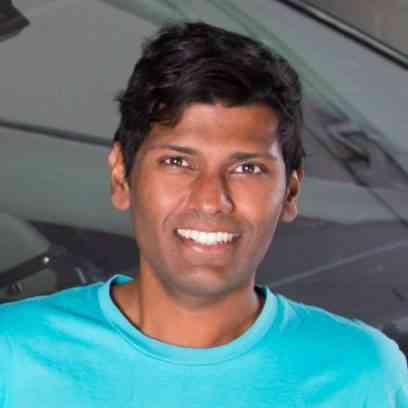
Amar Shah and the education of a car
Before Wayve became a multibillion-dollar company, Amar Shah helped ask a smaller question: could a car learn from its mistakes? The answer shaped a company, and changed his ideas about how to build one.

Tom Hamer and the Trouble with Knowing What You Want
At 14, he built an app that taught people to make apps. With Marqo, Tom Hamer turned to the gap between what people mean and what computers understand. His next project takes aim at the wait.
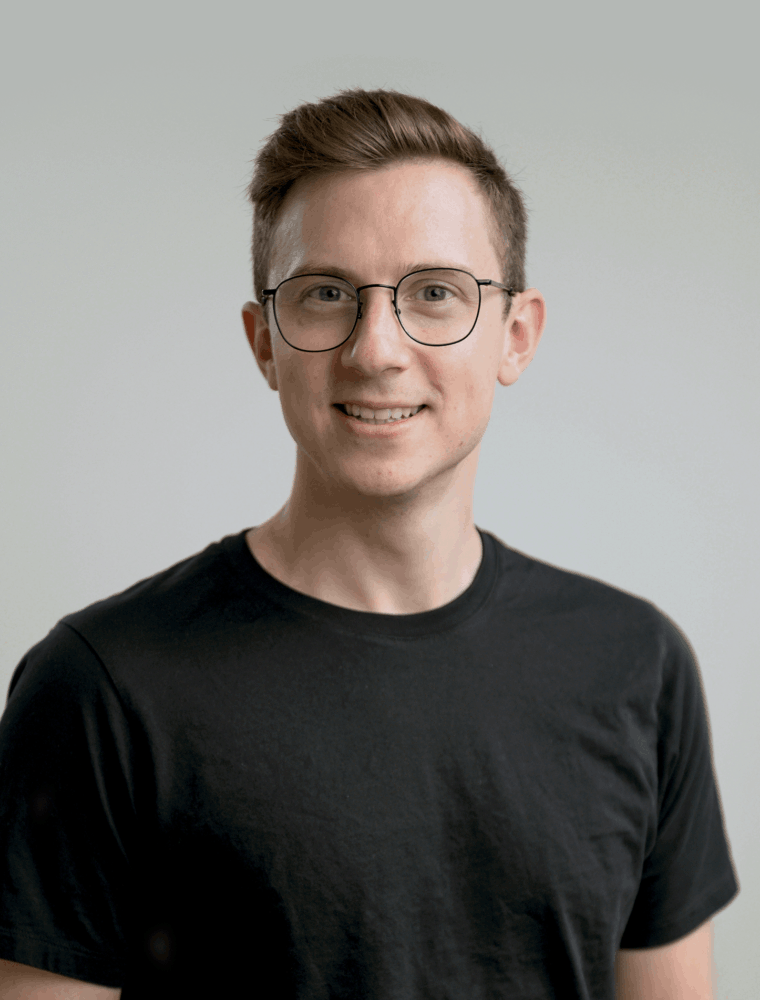
Rob Whitehead and the trouble with an empty world
At 14, Rob Whitehead was selling virtual weapons in Second Life. As Improbable’s co-founder and MSquared’s CEO, he is still working on the question that followed: what makes a digital world worth inhabiting?

Michael Severino and the art of starting again
He had already led teams across 35 countries when he left a senior role at AbbVie for a startup. Now Sarepta’s CEO, Michael Severino has built a career by taking his experience somewhere new.
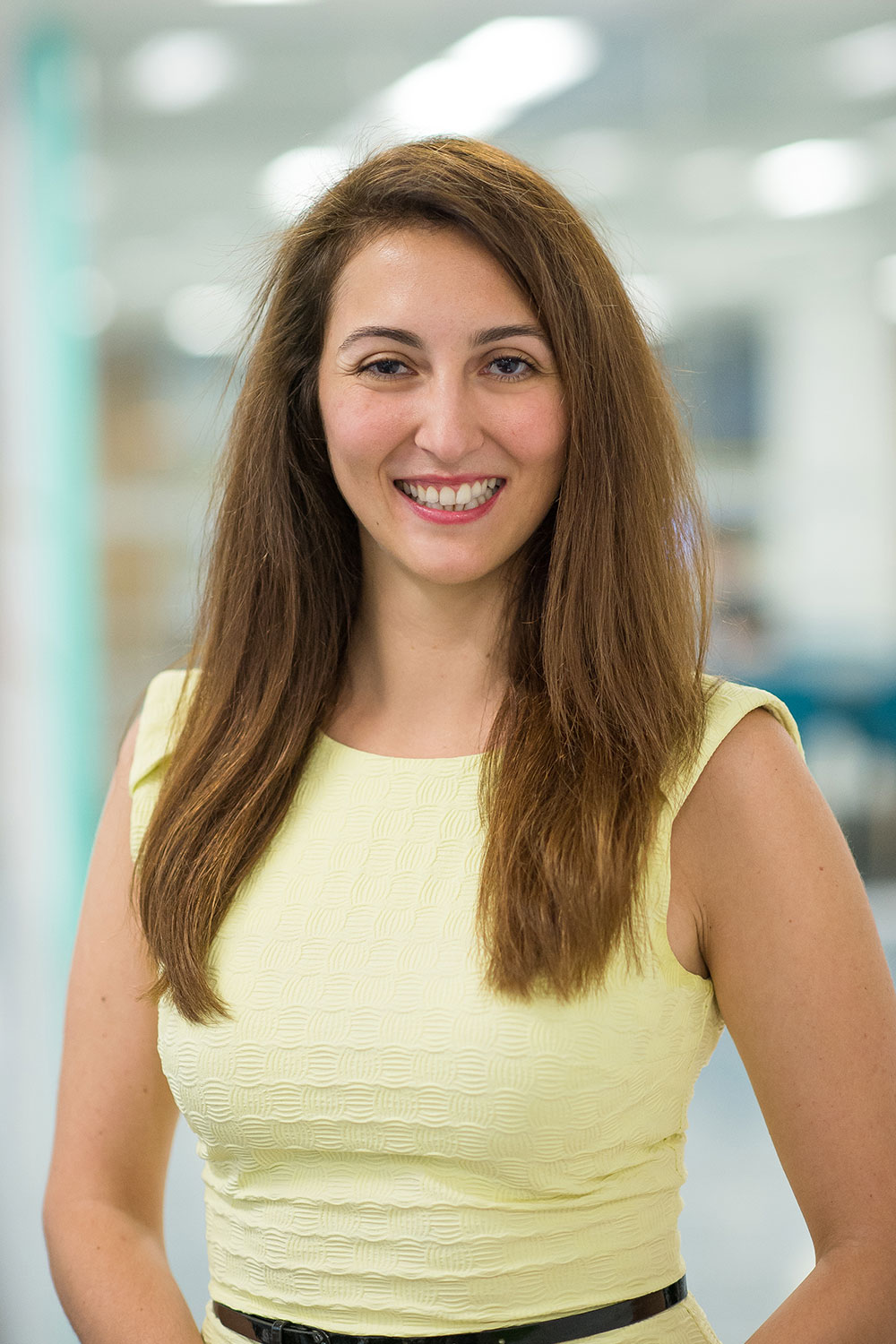
Tugce Bulut and the trouble with a tidy answer
A consultant wanted to know how people actually lived. Tugce Bulut built Streetbees to ask them, then started again with Eloquent AI and a different kind of everyday friction.
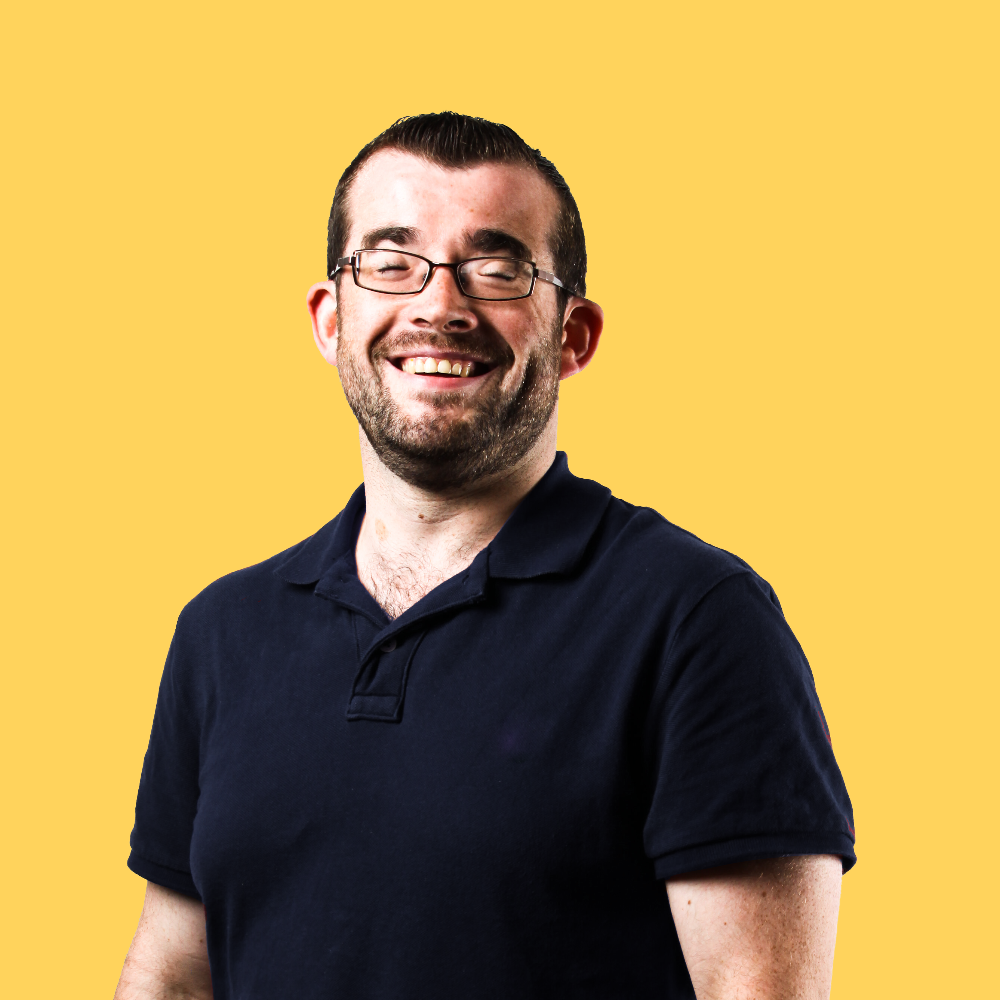
Kevin Boyle and the art of making yourself useful
An Amstrad, a seven-person team, and a problem hiding inside Salesforce. How Gearset’s co-founder turned an engineer’s instinct for fixing things into the work of running a company.
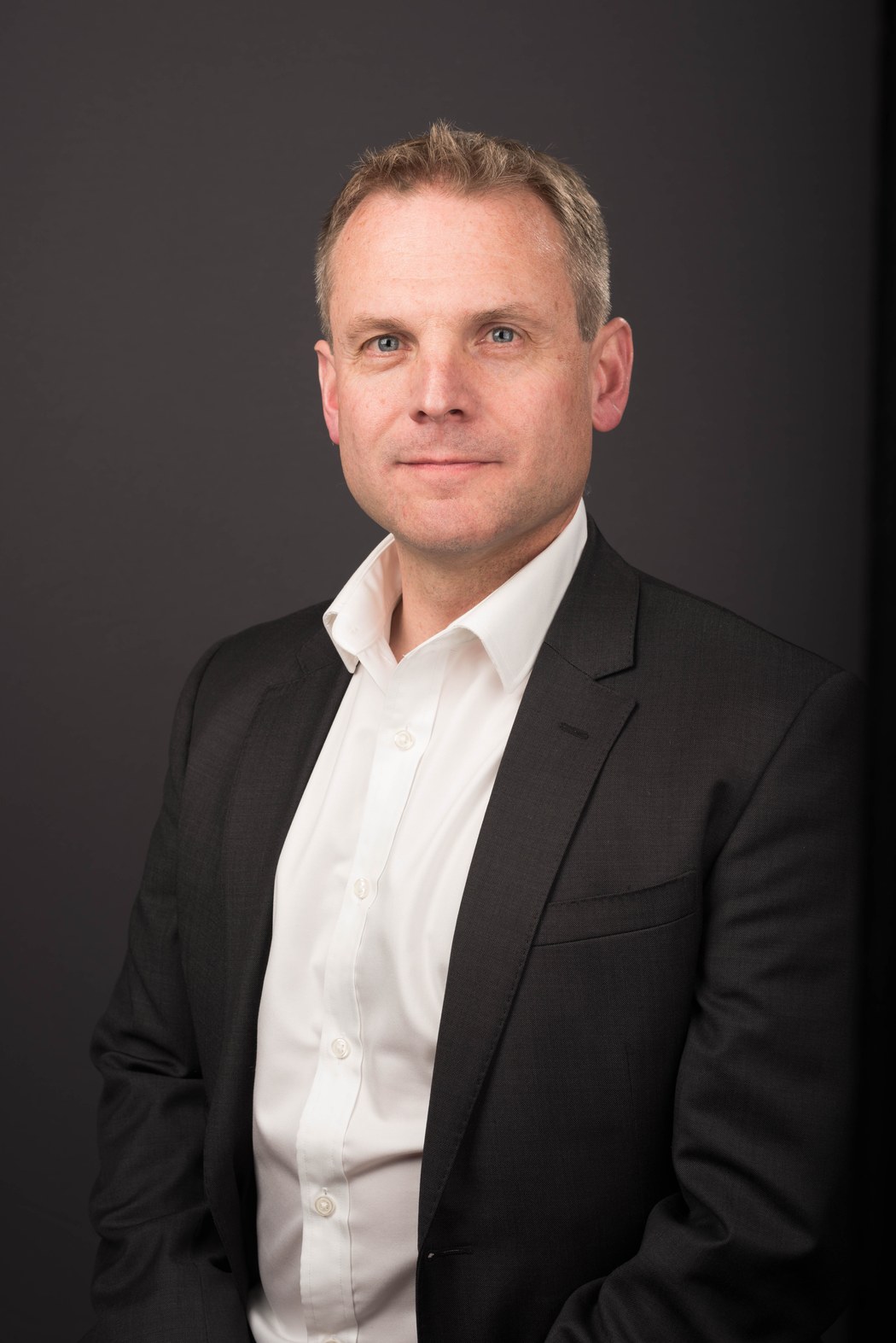
Steve Flavell’s Second First Company
He helped make conference calls less irritating. Then the market moved, and Steve Flavell had to build a different business inside the company he already had.
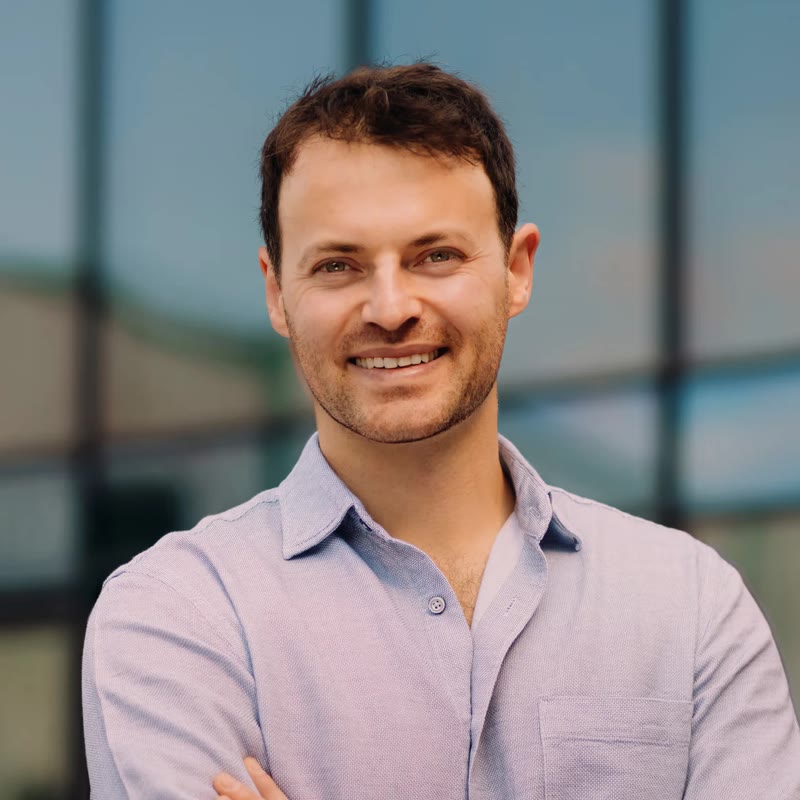
Alex Kendall’s car learned the wrong lesson.
An early Wayve experiment rewarded a car for distance travelled. It learned to zigzag. For Alex Kendall, the journey from that awkward lesson to production car agreements has been an education in what intelligence actually requires.
Michael Nabarro and the Art of Getting Out of the Way
A computer science graduate with a lighting desk habit, Michael Nabarro built Spektrix after running a theatre. His work keeps returning to the same question: what could people do if the machinery stopped getting in their way?
Martin Garratt and the value of the right introduction
Before a clean technology can change anything, somebody has to buy it. Martin Garratt built Cambridge Cleantech around the often overlooked business of getting the right people into the same room.
Aman Narang and the trouble with a simple idea
He wanted to make paying for dinner less tedious. Building Toast meant taking responsibility for almost everything that happened before the bill.

Scott Strazik and the three-year wait for tomorrow
GE Vernova’s CEO learned the power business through finance, sales, and a turnaround. Now he has to turn a growing appetite for electricity into machines that arrive on time.
Neil Davidson and the art of becoming unnecessary
He co-founded Redgate, built a conference to learn how to run it, and then stepped away to become a student again. Neil Davidson’s career makes a practical case for leaving room to learn.
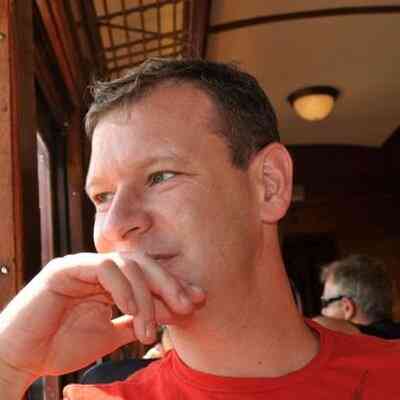
Daniel Palestrant and the business of a good conversation
At Sermo, Daniel Palestrant built a network around conversations people were already having. His career follows the work of turning those exchanges into a business, then starting again.
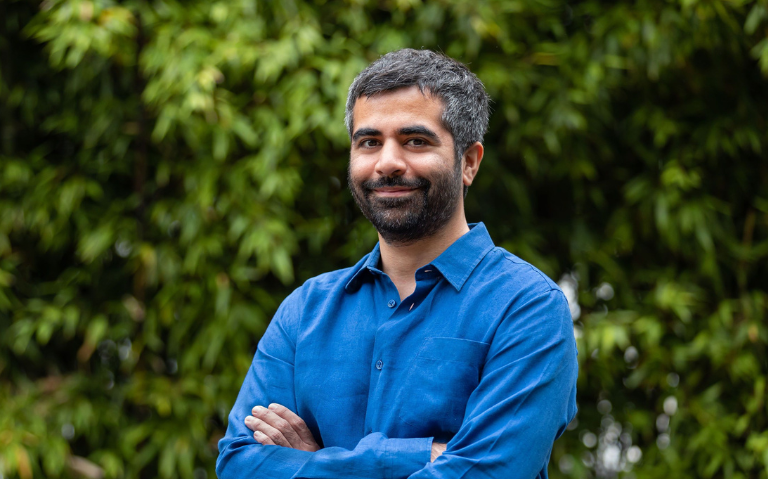
Herman Narula and the problem of making worlds matter
His family built in bricks and mortar. Herman Narula chose virtual worlds, raised $502 million in one funding round, and discovered that getting people into a world is only the beginning.
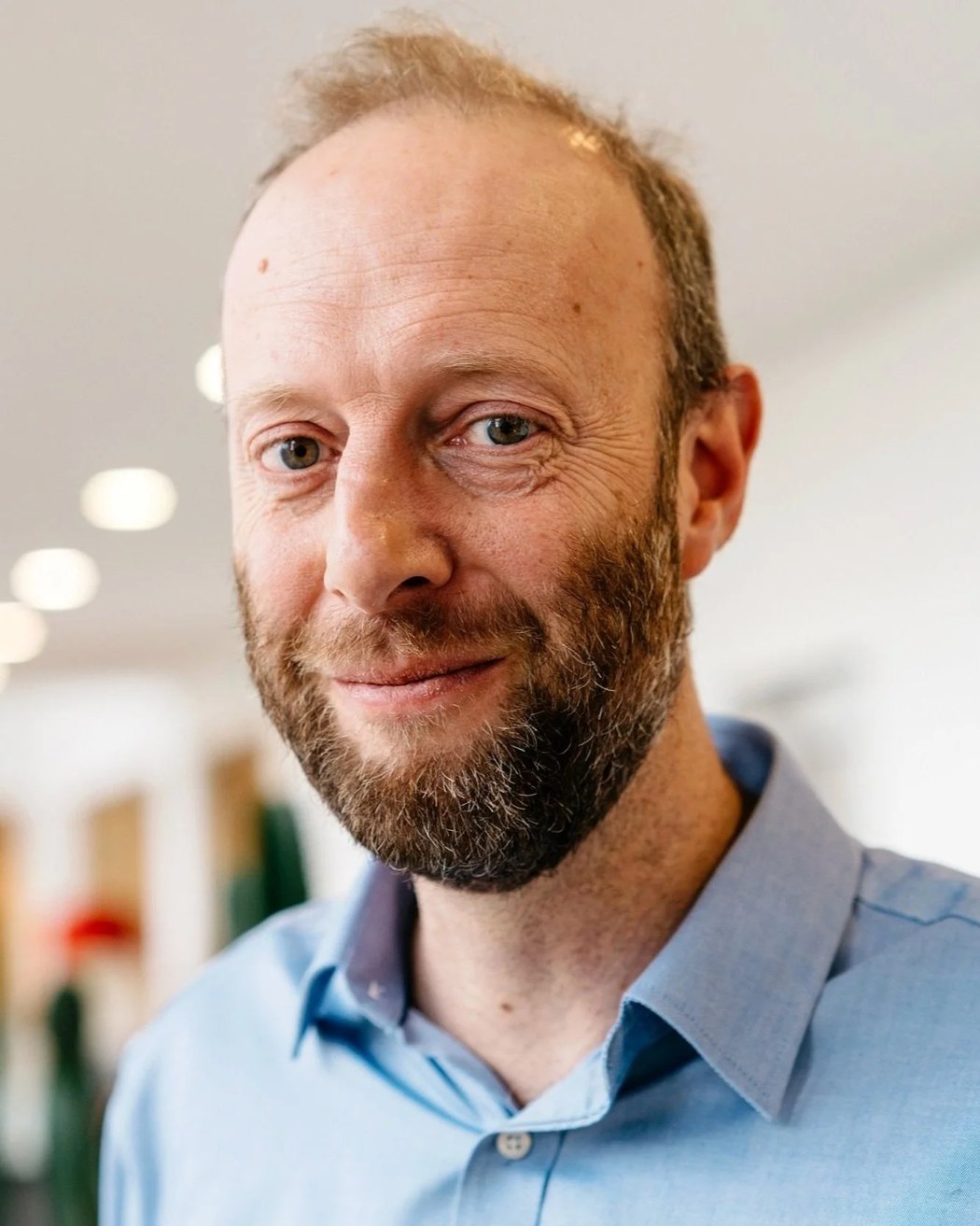
Simon Galbraith and the fine art of being wrong
A failed brainstorm helped Simon Galbraith find Redgate’s direction. Across two decades of database software, his recurring task was learning when somebody else had the better answer.