Michael Nabarro had a rather expensive reason to think about software. While managing Cambridge’s ADC Theatre, he was responsible for installing its first computerised box office system. The project cost around £30,000. Then came the continuing work of keeping it updated, backed up and secure. A theatre had acquired a ticketing system, along with a small second career in looking after it.
Nabarro had studied computer science, so he could recognise the technical problem. He also had performances to help put on. That combination gave the inconvenience a particular sting: he understood why the machinery needed attention, and how much else there was to do. The question that followed would eventually become Spektrix.
A £30,000 lesson in box-office economics
The useful thing about this origin story is its lack of glamour. Nabarro encountered the problem as the person responsible for making a venue function. His objection concerned the effort wrapped around the software, as much as the software itself. Could a theatre have capable tools without taking on so much technical housekeeping?
The ADC’s annual report for 2004/05 puts him firmly in that practical world. It names him as Manager and Licensee during a period of building work, changes to the box office and efforts to develop marketing. The theatre’s syndicate thanked him for his contribution and welcomed his staying for another year. These were responsibilities with consequences for colleagues, performers and ticket buyers.
That matters to the later business. A manager’s view of technology includes everything surrounding a purchase: installation, training, maintenance, the person who knows how it works. Nabarro had experienced that whole bill. The initial price was only its most conveniently printed part.
Lighting, sound, and a browser
At Cambridge, Nabarro’s academic subject was computer science. His theatre interest was lighting. Matt Scarisbrick, the future Spektrix co-founder, studied engineering and worked on sound. Their friendship formed around amateur drama, where a good deal of useful education takes place at hours the university has not put on the timetable.
They founded Spektrix in 2007. RADA began selling tickets through it in 2008, with Cambridge Junction and Derby Theatre joining that year. The early London office in Highbury fitted five people into 200 square feet. Anyone looking for a physical expression of a young company’s commitment to collaboration could hardly ask for more.
start Spektrix
the first tickets
working on the problem
The theatre connection also continued in Nabarro’s own work. He trained in Stage Electrics and Lighting Design at RADA. His professional credits include The 14th Tale and Black T-Shirt Collection at the Cottesloe Theatre and on tour, as well as Boys and The World’s Wife. The stage was a workplace, rather than a colourful interest attached to a technology biography.
Asked about being a successful lighting designer in 2009, he gently interrupted the compliment: “I wouldn’t quite say I’m a successful lighting designer yet!” Establishing a name, he explained, took years. It is a pleasingly undramatic correction from someone whose occupations already offered several opportunities for a grand introduction.
The difficult second visit
His writing about audiences shows another side of that theatre experience. In a 2015 article, he looked at a Spektrix study covering more than ten million transactions across 144 UK arts organisations. He was frustrated by opportunities to improve marketing and fundraising that organisations were struggling to use. Having information was only the beginning; making decisions with it was the work.
In 2016, he examined theatre subscriptions. His argument allowed for changing habits: people might want more flexibility than a season booked months ahead. Multibuys, different seats for different performances and offers designed around actual booking behaviour could give organisations alternatives. A subscription deserved to be judged by how well it worked for its audience.
There is a practical generosity in that position. An audience member with an unpredictable calendar need not be written off as insufficiently loyal. The offer can change. A theatre can retain the ambition of a continuing relationship while reconsidering the particular arrangement it asks someone to buy.
The audience question remained visible in 2019. Spektrix’s research found that, on average, only about a quarter of patrons returned from one year to the next. Nabarro argued for more attention to existing audiences alongside recruiting new ones. A full house on one evening could leave a considerable amount of unfinished business.
About 1 in 4 patrons returned year over year, on average, in the Spektrix research discussed in 2019.
The thread also appears in his contribution to a creative-industries trade report: arts organisations should be able to build direct relationships with their audiences. His interest in expanding abroad followed that logic, particularly in North America. The geographical ambition sat alongside a fairly intimate unit of attention: an organisation knowing the people who come through its doors.
The interview is not a guessing game
Over time, Nabarro’s public work has become concerned with the people inside those organisations, too. His contribution to Rethinking Recruitment asks employers to look closely at what a job actually requires. A familiar background can make a candidate easy to recognise. It does not automatically establish who will do the work well.
For customer and donor relationship roles, the guide encourages employers to consider transferable experience, assess relevant skills and make selection criteria explicit. Its usefulness lies in its specificity. The invitation to broaden a talent pool reaches into job descriptions, interview tasks and scoring, where apparently small decisions can narrow an opportunity before anyone notices.
Nabarro’s advice on interviewing is especially human. A candidate may need a question asked in different ways before they can provide their strongest example. The interviewer knows the job and the desired evidence; the applicant cannot read that person’s mind. Helping them understand the question makes for a more informative assessment.
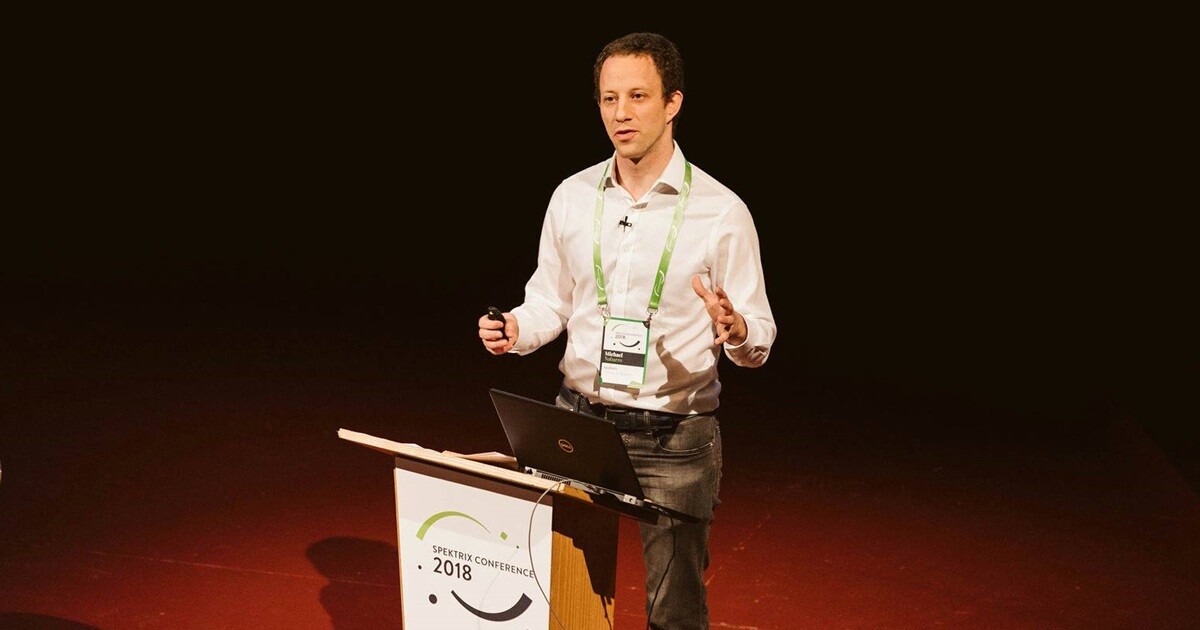
He has also discussed these practices in an on-demand recruitment and culture session. There, he connects company experience with his theatre-board work. The subjects have become part of the same professional conversation: how to attract people, give them a fair chance and create conditions in which their skills can be used.
Who gets to call the next cue?
A 2019 conference account offers a useful glimpse of how he talks about himself. During a presentation on company culture, Nabarro acknowledged that soft skills required effort because they did not come naturally to him. The admission makes the later management writing more interesting. He presents these questions as things to work on, with changes to make in his own organisation.
In 2023, he set out an argument about leadership in a letter responding to The Economist. Management, he wrote, is a role; leadership is a way of behaving. Taking responsibility, asking for help and contributing decisions should be possible throughout a team. In his formulation, “leaders don't also have to be managers.”
“Leaders don't also have to be managers.”
Michael Nabarro · 2023
His argument includes two routes for career progression, allowing specialists to advance without becoming managers. It also places authority nearer the people doing the work. There are practical demands on the chief executive in that arrangement. Sharing decisions requires clear direction and enough context for other people to exercise judgement.
In March 2026, he returned to that problem through examples from Spektrix and Leeds Playhouse, where he is a trustee and chairs the People and Culture subcommittee. His emphasis was on shared priorities and the freedom to decide how to pursue them. The senior team still has to establish direction. Colleagues need room to work out a sensible route.
Senior teamSet the outcome and explain the priorities.
People doing the workBring context, consult colleagues, propose the approach.
An editorial illustration of the approach Nabarro describes in his 2026 writing.A new look, an old question
By July 2026, Nabarro was introducing a new visual identity for a company working across the UK, Ireland, the US, Canada, Australia and New Zealand. He framed the change around expressing an existing purpose more clearly. In the same month, he published an update on the demographics of the Spektrix team. Appearance and internal practice both received attention.
The current scale gives those questions weight. Spektrix reports 825 client organisations across six countries. Its leadership biography describes Nabarro’s remit as strategy, company direction and culture. The person who once had to think about a theatre’s backups now has to think about how a much larger group makes decisions.
There is continuity across these changes of job. Running a venue exposed the work surrounding a piece of software. Writing about audiences led him to the arrangements that encourage a return. Recruitment and leadership brought the same attention to the obstacles between people and useful work.
A lighting designer has to know what the audience should notice, and what can remain out of sight. Nabarro’s career gives that distinction a practical afterlife. Tickets must sell, records must make sense, colleagues must know what they can decide. Then the theatre can get on with the evening.